


Sale
Sold out

Vegetable
Asteraceae
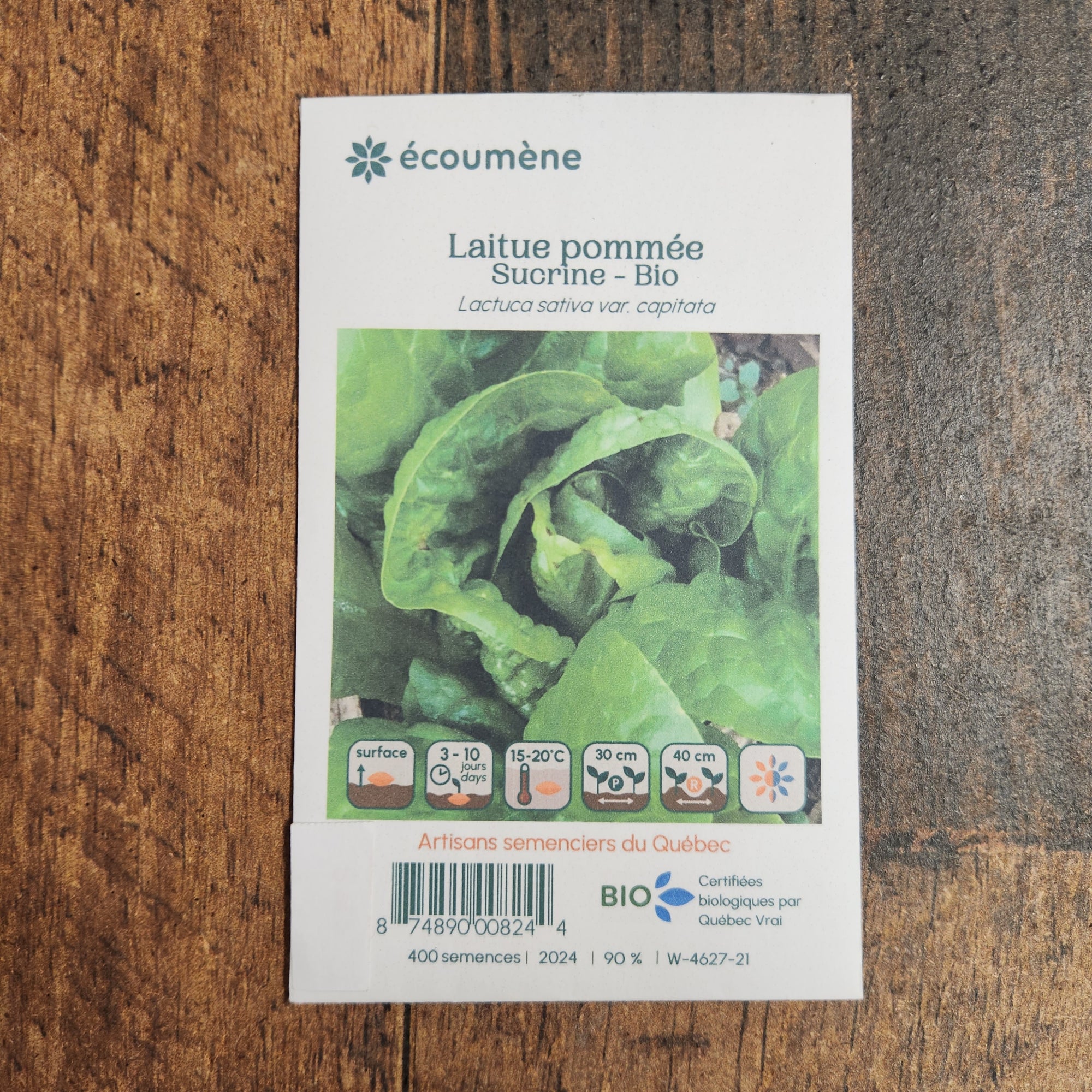
Butterhead Lettuce 'Sucrine' (Lactuca sativa)
Product code : JAREC-0127
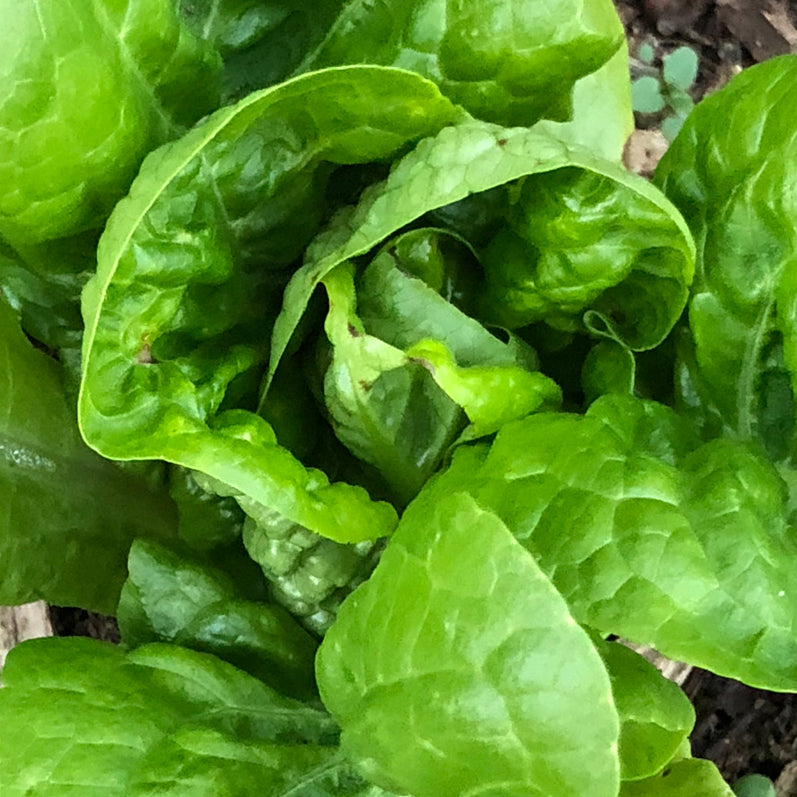
The organic ‘Sucrine’ butterhead lettuce is an old variety particularly prized for the delicacy of its compact heads, its crisp texture, and its almost sweet flavor, which works wonders in summer salads. With its dark green foliage, sometimes slightly tinged with red, Lactuca sativa brings a sober and elegant presence to the vegetable garden, while promising fresh and generous harvests. Its thick, blistered, and tightly packed leaves form small, dense, and flavorful heads, very pleasant to pick and prepare. In the garden, it stands out for its good resistance to high heat and bolting, which allows for extended harvests while maintaining excellent foliage quality.
- Quantity
- Approximately 400 seeds
- Exposure
- Sun to partial shade
- Life cycle
- Annual
Discover the plant
Common nameButterhead Lettuce 'Sucrine'
FamilyAsteraceae
GenusLactuca
Speciessativa
CultivarLittle Gem lettuce
TypeVegetable
Botanical nameLettuce
Reproducible seedsYes
Heirloom varietyYes
‘Sucrine’ Butterhead Lettuce (Lactuca sativa). Organic ‘Sucrine’ butterhead lettuce is an heirloom variety particularly prized for its delicate, compact heads, crisp texture, and an almost sweet flavour that is wonderful in summer salads. With its dark green foliage, sometimes lightly tinged with red, Lactuca sativa brings a simple and elegant presence to the vegetable garden, while promising fresh and generous harvests. Its thick, crinkled, tightly packed leaves form small, dense, and flavourful heads that are very pleasant to pick and prepare. In the garden, it stands out for its good resistance to high heat and bolting, which allows for prolonged harvests while maintaining excellent leaf quality.
Recommended sowing period: in spring, as soon as the soil is dry enough to work; adjust subsequent sowings to the season and type of harvest. The depth to respect is 0.5 cm (0.2 in). Emergence generally takes 5 to 10 days. For germination, maintain the potting soil at 10 to 20 °C (50 to 68 °F). Sow few seeds at a time and renew sowings rather than preparing the entire harvest in a single day. Very hot periods can make lettuce emergence difficult.
‘Sucrine’, a lettuce with a small, tight head, is suitable for modest portion harvests. ‘Sucrine’ lettuce in a salad benefits from being prepared soon after picking to maintain the crispness of its leaves. Organize small successive plantings to have leaves at different stages. Lettuce can precede a warm-season crop or follow an early harvest. Combine several colours in well-identified rows, which facilitates selective picking. A nearby path allows you to cut the leaves with a clean tool without walking in the bed. With its dark green foliage, sometimes lightly tinged with red, Lactuca sativa brings a simple and elegant presence to the vegetable garden, while promising fresh and generous harvests.

Sowing guide
It all startswith a seed.
Sowing depth
0.2 in (0.5 cm)
Germination temperature
10 to 20 °C (50 to 68 °F)
Germination time
5 to 10 days
Sowing period
April to August
Propagation
Sowing
Growing method
Recommended sowing period: in spring, as soon as the soil is well-drained and workable; adjust subsequent sowings to the season and type of harvest. The recommended depth is 0.5 cm (0.2 in). Emergence generally takes 5 to 10 days. For germination, keep the potting soil at 10 to 20 °C (50 to 68 °F). Sow few seeds at a time and renew sowings rather than preparing the entire harvest in one day. Very hot periods can complicate lettuce emergence. Keep the potting soil cool, in the light, and transplant young plants without burying the heart. A seedling already crowded in its cell should be planted quickly to resume its growth. Harvest the outer leaves or the entire head depending on the type of lettuce. Avoid damaging the heart if you are waiting for new leaves. An elongating central stem indicates bolting and often a more pronounced bitterness. Enjoy the leaves before this stage, then replace the plant with a new sowing if the season allows. Leafy vegetables require harvesting adjusted to the type of plant.
Soil and care
The right care,at the right time.
Care level
Regular during establishment, then adapted to growing conditions
Watering
Regular
Soil type
Loose, friable and well-drained
Fertilization
Fertilization supports growth and takes into account the nutrients already present in the soil or potting mix. Use mature compost or a fertilizer suited to the crop, following the dosage instructions. Avoid using multiple products, especially in a container where roots occupy a limited volume. Water as needed after application and observe leaf development before re-fertilizing.
Moisture
Keep the soil moist during germination, without standing water; adjust thereafter to the crop.
Seasonal care
Romaine lettuce, with its small, tight head, is suitable for modest harvests. Romaine in a salad is best prepared soon after picking to preserve the crispness of its leaves. Sow a few seeds at a time and renew sowings rather than preparing the entire harvest in one day. Very hot periods can complicate lettuce emergence. Keep the potting mix moist, in a well-lit area, and transplant young plants without burying the heart. A seedling already cramped in its cell should be planted quickly to resume growth. Harvest the outer leaves or the entire head depending on the type of lettuce. Avoid damaging the heart if you are waiting for new leaves. A central stem that elongates indicates bolting and often a more pronounced bitterness. Enjoy the leaves before this stage, then replace the plant with a new sowing if the season allows. Leafy vegetables require harvesting adjusted to the type of plant. Outer picking preserves the heart when you want to continue production. Very old leaves do not have the same tenderness as young shoots. Rinse the harvest just before use or dry it carefully before a short stay in the refrigerator. Organic Romaine lettuce 'Sucrine' is an old variety particularly appreciated for the finesse of its compact heads, its crisp texture, and its almost sweet flavor that works wonders in summer salads. With its dark green foliage sometimes slightly tinged with red, Lactuca sativa brings a sober and elegant presence to the vegetable garden, while promising fresh and generous harvests.
Container growing
A garden,within reach.
Suitable for containers
Yes
Recommended pot size
A stable, perforated container, wide enough for the plant to spread out, and deep enough for the roots.
Choose this exposure: sun to partial shade. Reserve this spread around the plant: 20 to 25 cm (8 to 10 in). Lettuces appreciate a planter that is easy to water and accessible from the kitchen. The roots should not remain in a saucer filled with water. During hot weather, a location that receives less afternoon sun can help keep the soil cool. Do not crowd adult plants: their leaves should be able to spread out without forming a damp mass. It is also very suitable for small gardens and container growing, where its compact silhouette naturally finds its place. Organic 'Sucrine' butterhead lettuce is an old variety particularly prized for the delicacy of its compact heads, its crisp texture and its almost sweet flavour that works wonders in summer salads. With its dark green foliage, sometimes slightly tinged with red, *Lactuca sativa* brings a sober and elegant presence to the vegetable garden, while promising fresh and generous harvests. Its thick, blistered and tightly packed leaves form small, dense and flavourful heads, very pleasant to pick and prepare. In the garden, it stands out for its good resistance to high heat and bolting, which allows for extended harvests while maintaining beautiful foliage quality.
Bloom and dimensions
Its place,in your garden.
Mature height
15 to 20 cm (6 to 8 in.)
Width / spread
8 to 10 in (20 to 25 cm)
Foliage type
Seasonal foliage
Growth habit
Compact
Bloom period
June to August
Fruiting
The organic 'Sucrine' butterhead lettuce is an old variety particularly prized for its delicate, compact heads, crunchy texture, and almost sweet flavor, which is wonderful in summer salads. With its dark green foliage, sometimes slightly tinged with red, Lactuca sativa brings a simple and elegant presence to the vegetable garden, while promising fresh and generous harvests.
Harvest
45 to 55 days after sowing
Garden associations
In goodcompany.
Companion plants
In a diversified plantation, you can reserve neighboring sections for these plants: carrots, radishes, onions, beets. The purpose of this arrangement is to organize space and harvests. Respect the height, light, and water needs of each plant, without crowding the foliage. Maintain a path for watering and harvesting, then remove spent crops to free up space. This organization simplifies maintenance but does not guarantee protection against pests. Organize small successive plantings to have leaves at different stages.
Recipe idea
From the gardento your plate.
Edible parts
Leaves
Cooking idea with 'Sucrine' Butterhead Lettuce: garden salad for four servings. Wash and spin dry 200 g of tender leaves, then tear the larger ones. Add one grated carrot and four thinly sliced radishes. Mix 20 ml of olive oil, 10 ml of apple cider vinegar, and 5 ml of mustard. Pour over the vegetables at the last minute and toss gently. For more robust leaves, mix a small handful with a base of mild lettuce. Serve immediately to maintain their texture. Prepare ingredients with clean utensils and adjust cutting to the size of your harvest. This recipe highlights freshly picked parts: remove any damaged pieces before preparation. If you double the quantities, ensure enough space in the dish for even mixing or cooking. Quickly place leftovers in the refrigerator in a sealed container and consume within two days. For a meal for two people, simply divide all quantities by two.
Frequently asked questions
Your questions,answered.
How to successfully sow 'Sucrine' Cos Lettuce?
Recommended sowing period: in spring, as soon as the soil is drained and workable; adjust subsequent sowings to the season and type of harvest. The depth to respect is 0.5 cm (0.2 in). Germination usually takes 5 to 10 days. For germination, keep the potting soil at 10 to 20 °C (50 to 68 °F). Sow few seeds at a time and renew sowings rather than preparing the entire harvest in one day. Very hot periods can complicate lettuce emergence. Keep the potting soil cool, in the light, and transplant young plants without burying the heart.
Can 'Sucrine' Butterhead Lettuce be grown in pots?
Choose this exposure: sun to partial shade. Allow this much space around the plant: 20 to 25 cm (8 to 10 in.). Lettuces thrive in a container that is easy to water and accessible from the kitchen. Roots should not sit in a saucer full of water. During hot periods, a location that receives less afternoon sun can help keep the potting mix fresh. Do not crowd mature plants: their leaves should be able to spread out without forming a damp mass. Organic 'Sucrine' butterhead lettuce is an old variety particularly prized for its finely textured, compact heads, crisp texture, and almost sweet flavor, which is wonderful in summer salads.
When to harvest 'Sucrine' Butterhead Lettuce?
Organic 'Sucrine' butterhead lettuce is an old variety particularly prized for its finely-formed compact hearts, crisp texture, and almost sweet flavour, making it wonderful in summer salads. With its dark green foliage, sometimes lightly tinged with red, Lactuca sativa brings a simple and elegant presence to the vegetable garden, while promising fresh and generous harvests. Its thick, blistered, tightly-packed leaves form small, dense, and flavourful hearts, very pleasant to pick and prepare. In the garden, it stands out for its good resistance to high temperatures and bolting, which allows for extended harvests while maintaining good quality foliage.
How to enjoy Sucrine Lettuce in the garden?
Sucrine, a small, compact-headed lettuce, is suitable for modest harvests. To maintain the crispness of its leaves, a sucrine lettuce salad is best prepared shortly after harvesting. Organic 'Sucrine' butterhead lettuce is an old variety particularly prized for its finely compact heads, crisp texture, and almost sweet flavor, which is wonderful in summer salads. With its dark green foliage, sometimes slightly tinged with red, Lactuca sativa brings a sober and elegant presence to the vegetable garden, while promising fresh and generous harvests. Its thick, blistered, and tightly packed leaves form small, dense, and flavorful heads, very pleasant to pick and prepare. In the garden, it stands out for its good resistance to high temperatures and bolting, which allows for prolonged harvests while maintaining excellent foliage quality.
How to plant 'Sucrine' Butterhead Lettuce?
Organize small successive plantings to have leaves at different stages. Lettuce can precede a warm-season crop or follow an early harvest. Combine several colors in well-identified rows, which facilitates selective harvesting. A nearby path allows you to cut the leaves with a clean tool without walking in the bed. Harvest the outer leaves or the entire head depending on the type of lettuce. Avoid damaging the heart if you are waiting for new leaves. A central stem that lengthens indicates bolting and often a more pronounced bitterness. Enjoy the leaves before this stage, then replace the plant with a new seedling if the season allows.
For a great start to your seeds
The right extras.Right here.
Seed Starting Soil
Shop the collectionSeed starting supplies
Shop the collection





