Sale
Sold out

Deeply curled green leaf lettuce
Asteraceae
Organic leafy vegetable seeds
Organic 'Tropicana' green leaf lettuce
Lactuca sativa
Product code : BIOVO-0053
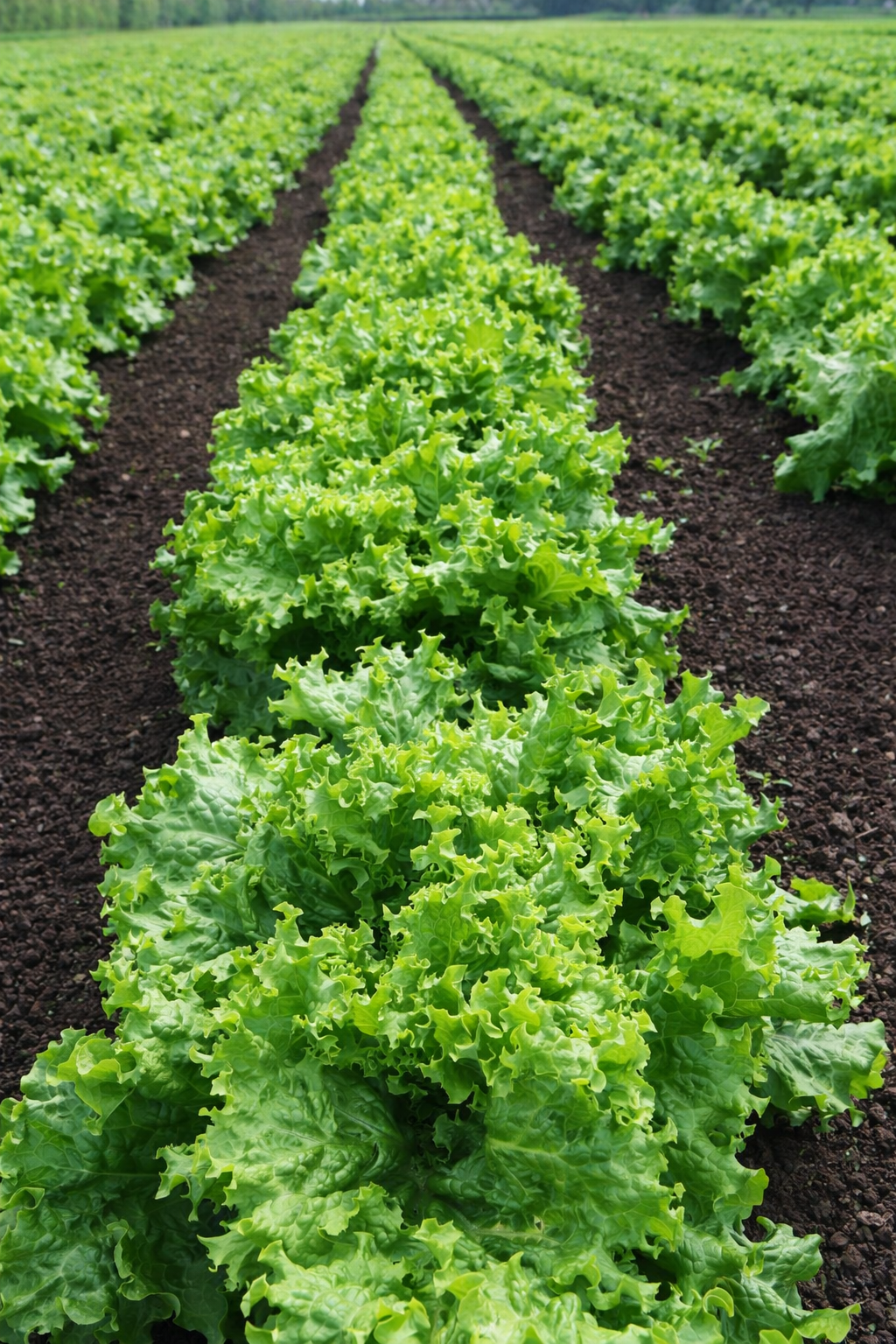
'Tropicana' is vigorous green leaf lettuce forming a large open rosette of glossy, deeply curled, crisp dark-green leaves. It is recognized for heat tolerance and generally reaches maturity in approximately 52 days from direct seeding. It also has corky root rot resistance. Baby leaves may be harvested earlier, while mature outer leaves may be picked progressively. Sow small amounts every two or three weeks to stagger harvest. Light afternoon shade and steady moisture help limit bitterness, tipburn, and bolting during heat. Harvest in the morning, wash foliage carefully, and chill promptly. Resistance to corky root rot supports reliability but does not replace drainage, rotation, or removal of diseased residue.
- Exposure
- Full sun to partial shade
- Life cycle
- Annual vegetable
Discover the plant
Common nameGreen curly leaf lettuce
FamilyAsteraceae
GenusLactuca
Speciessativa
CultivarTropicana
TypeDeeply curled green leaf lettuce
Botanical nameLactuca sativa
Organic 'Tropicana' green leaf lettuce (Lactuca sativa) is a vigorous leaf lettuce forming a large open rosette of dark-green, glossy, deeply curled, crisp foliage. It does not make a tight iceberg head: outer leaves may be picked progressively or the entire rosette cut. Its good heat tolerance is recognized, helping preserve quality in warmer periods without eliminating bolting risk. Texture suits salads, sandwiches, garnishes, and baby-leaf mixes. Its open shape also makes outer-leaf harvest simple while the centre remains in place for continued growth. Morning harvest preserves crisp texture.
Direct-sow as soon as soil can be worked or start plants three to four weeks before transplanting. Barely cover seed because lettuce requires light and cool temperatures for reliable germination. Place in full sun during spring and fall, or provide light afternoon shade in summer heat. Choose loose fertile soil enriched with mature compost, moisture-retentive, and well drained. Space plants 25–30 cm apart for full rosettes; for baby leaves, sow more densely and thin by harvesting. Water immediately after transplanting and keep the shallow root zone evenly moist during establishment. Light mulch limits splashing and rapid drying.
Maturity is listed at approximately 52 days from direct seeding, while baby leaves may be cut earlier. Harvest in the morning while foliage is cool and firm, then chill promptly. For continuous production, sow a small amount every two or three weeks instead of one large row. 'Tropicana' has corky root rot resistance; resistance is not immunity. Rotation, adequate drainage, removal of diseased residue, and splash-free watering remain important. Wash harvested foliage carefully, dry it, and refrigerate promptly in a clean ventilated container. Keep harvested leaves shaded outdoors for safety.

Sowing guide
It all startswith a seed.
Sowing depth
Barely cover, approximately 0.3 to 0.5 cm (1/8 to 1/4 in)
Spacing / density
Thin to approximately 25 to 30 cm (10 to 12 in), with 30 to 45 cm (12 to 18 in) between rows
Germination temperature
Approximately 10 to 20 °C (50 to 68 °F); germination declines sharply in warm soil
Germination time
Approximately 5 to 10 days at 10–20°C; temperatures above 24°C can reduce or delay germination.
Sowing period
Early spring as soon as soil can be worked; late summer for an autumn harvest
Propagation
Direct sowing or indoor sowing three to four weeks before transplanting
Growing method
Growing 'Tropicana' lettuce from seed. Sow on the surface of fine moist soil and cover only 0.3–0.5 cm. Keep cool because germination becomes erratic in overly warm soil. Thin to 25–30 cm for full rosettes or sow more densely for baby leaves. Transplants started three to four weeks earlier should be hardened gradually and set without burying the crown. Water immediately. Repeat small batches every two or three weeks and use light afternoon shade during heat. Keep the seedbed evenly moist with a gentle stream and progressively remove excess seedlings without disturbing those retained. Apply light mulch after establishment to limit splashing and drying. Pick outer leaves without cutting the centre, or harvest the entire rosette when the central stem begins elongating. For summer, sow early in the morning, shade the bed until emergence, and choose the coolest available location. Avoid beds recently affected by corky root rot, improve drainage, and rotate with unrelated crops. Wash harvest, dry it, and refrigerate promptly. Label each sowing date so the oldest square is harvested first. Remove every badly diseased or bolting plant promptly. Keep a clear path for watering, inspect young plants for slugs, and label every sowing date.
Soil and care
The right care,at the right time.
Soil pH
Approximately 6.0 to 6.8
Care level
Easy
Watering
Keep the surface consistently moist during germination with a very gentle stream so barely covered seeds are not displaced. Once established, water deeply as soon as the top one or two centimetres begin to dry. Shallow roots poorly tolerate cycles of drought and excess water; this stress encourages bitterness, tipburn, and bolting. Water early in the morning at soil level or by drip, avoid splashing soil onto leaves, and apply light mulch after thinning. Check containers daily in hot or windy weather.
Soil type
Prepare loose fine fertile soil enriched with mature compost, able to retain steady moisture without becoming waterlogged. Lettuce has relatively shallow roots; crusted, compact, or very sandy soil quickly slows growth and makes foliage more bitter. Aim for approximately pH 6.0–7.0. Incorporate organic matter before sowing rather than placing fresh manure near leaves. Improve drainage in heavy soil and avoid beds where corky root rot or other lettuce disease has recently occurred.
Fertilization
With full heads maturing in approximately 52 days and baby leaves available earlier, plan nutrition for even, moderate growth. Incorporate mature compost before sowing and correct fertility according to a soil test or label directions. Lettuce generally needs only one light, balanced feeding at planting in fertile soil. If foliage pales after thinning, side-dress one small nitrogen dose and water it in. Avoid heavy or late applications, which can create overly soft growth. In containers, use a diluted balanced fertilizer only when growth or foliage colour indicates a need.
Moisture
Evenly moist soil without saturation
Seasonal care
Seasonal care for 'Tropicana' lettuce. In spring, sow small amounts every two or three weeks and protect seedlings from slugs through regular inspection and a clean garden. Thin early for airflow. In summer, use light shade cloth during very hot afternoons, maintain uninterrupted watering, and harvest before bolting. In fall, resume sowing as nights cool and protect from first frost with row cover. Promptly remove severely diseased plants and rotate with unrelated crops. Also monitor aphids under leaves and slugs in damp areas; remove them by hand where practical and avoid leaving sheltering debris. After each harvest, remove yellow or damaged outer foliage without injuring the centre. During a heat wave, water early, maintain light shade, and harvest every rosette whose stem begins elongating. Wash leaves, dry them, and refrigerate promptly. Record sowing, first cutting, and bolting dates to adjust later successions to your microclimate. Clean reused containers after disease and replace contaminated mix. Check drainage after heavy rain and avoid handling soaked foliage. Keep paths clear so repeated harvest never compacts wet soil. Remove badly diseased plants rather than allowing them to remain beside younger sowings. After heavy rain, vent covers, replace displaced mulch, and inspect crowns for rot. Keep the harvest basket clean and shaded. Never leave cut leaves in direct sun during maintenance. Inspect irrigation lines for leaks, thin crowded successions promptly, and wash hands before handling ready-to-eat foliage.
Container growing
A garden,within reach.
Recommended pot size
At least 25 to 30 cm (10 to 12 in) deep and approximately 5 to 7 L per plant
Growing 'Tropicana' lettuce in containers. Use a container at least 20–25 cm deep with numerous holes and allow approximately 25–30 cm diameter per mature rosette. A wide box may also hold one denser baby-leaf strip. Fill with light fertile well-drained mix, place in sun during spring, then light partial shade during strong heat. Water as soon as the surface begins to dry and never leave standing water in the saucer. Pick outer leaves regularly or cut the entire rosette at maturity. Keep one rosette per usable space so air circulates and foliage dries quickly after watering. Raise the container slightly, empty the saucer, and rotate the box weekly for even growth. Fine mulch reduces evaporation without touching the crown. During a heat wave, move the pot to a bright location receiving afternoon shade; heat tolerance never replaces cool steady moisture. Sow several seeds in a second small pot two or three weeks later to replace a bolting rosette. Harvest in the morning and chill immediately. Inspect drainage after heavy rain and remove every yellow or slimy leaf. Use clean mix when a previous lettuce plant was diseased. Keep the saucer empty, preserve airflow around each rosette, and label the sowing date.

Bloom and dimensions
Its place,in your garden.
Mature height
Approximately 20 to 30 cm (8 to 12 in)
Width / spread
Approximately 25 to 35 cm (10 to 14 in)
Flower color
Yellow
Foliage color
Green to blue-green
Foliage type
Broad blue-green leaves borne on long petioles
Growth rate
Fast
Growth habit
Large open vigorous upright rosette
Fragrance
Mild fresh crisp flavour typical of leaf lettuce
Bloom period
When heat, long days, or stress triggers bolting, the rosette rapidly elongates a branched stalk bearing small yellow flowers. This stage may occur in the first season and marks the end of the best leaf quality. Harvest once the centre stretches to avoid bitter tough foliage, or allow only one healthy plant to bloom when volunteer seedlings and dispersal will not cause a problem.
Fruiting
Tropicana is best harvested while its leafy rosette remains tender. Heat and day length can trigger a tall flower stalk; small yellow blooms then mature into dry, tufted seed. The leaves become increasingly bitter during this transition. Cut bolting plants promptly for food, or leave one healthy, correctly labelled specimen until the seed heads dry if deliberate seed saving is permitted.
Days to maturity
Approximately 52 days to maturity; baby leaves earlier
Harvest
For baby leaves, cut at 8–12 cm while leaving the centre to regrow. For progressive harvest, pick firm unblemished outer leaves weekly. The entire rosette is generally ready in approximately 52 days; cut at soil level in the morning before heat. Chill immediately, wash only before use, and refrigerate in a perforated bag. Discard every slimy, mouldy, or abnormal-smelling leaf. Harvest promptly once the central stem begins elongating, signalling bolting.
Garden associations
In goodcompany.
Companion plants
Radish, green onion, and low herbs may temporarily occupy spaces between young lettuce plants when harvested before rosettes reach full width. A pea trellis positioned at a distance may provide light afternoon shade without blocking airflow. These combinations mainly organize space and guarantee no protection from pests or disease. Avoid root competition and remove companions that dry the soil, constantly touch leaves, or make harvest difficult. Rotate the bed afterward with an unrelated family and do not crowd younger successions beside diseased plants.
Plants to avoid
Celery parsley
Recipe idea
From the gardento your plate.
Edible parts
Leaves and tender centre, thoroughly washed; avoid very bitter bolted plants
'Tropicana' lettuce in the kitchen. Crisp 'Tropicana' salad — Separate and thoroughly wash 250 g sound leaves in several changes of cold water, then dry. Tear into bites and add cucumber, radish, and herbs. Whisk 30 ml oil, 15 ml lemon juice, 5 ml mustard, and one pinch salt, then toss immediately before serving. Keep lettuce cold until the meal. Refrigerate leftovers within two hours and discard every slimy, mouldy, or abnormal-smelling leaf. For a more substantial version, add cooked chickpeas, toasted seeds, or a cooked egg immediately before serving. Taste the dressing before salting because mustard and toppings may already be seasoned. Use a clean cutting board, wash hands, and prevent cross-contamination with raw animal foods. Do not leave the salad at room temperature for an extended period; promptly return unused portions to the refrigerator in a clean container. Dress only the amount being served so remaining leaves stay crisp. Chill every prepared portion promptly after service.
Frequently asked questions
Your questions,answered.
Does 'Tropicana' form a head?
It is leaf lettuce producing a large open rosette rather than a tight head. Outer foliage may therefore be picked without waiting for full maturity, baby leaves cut from dense sowing, or the entire rosette harvested at approximately 52 days. Leave the centre intact for repeated picking and remove no more than one-third at once. A rosette elongating sharply in the centre is beginning to bolt and should be harvested promptly. Harvest after dew dries, keep the basket shaded, and refrigerate promptly. To extend production, continue watering after every cutting and immediately remove every slimy or diseased leaf. Label successive sowings so older rosettes are harvested first.
What does 'Tropicana' heat tolerance mean?
This designation is used for varieties that better retain shape and tolerate tipburn and bolting under summer heat. It is not immunity. A heat wave, warm nights, dry soil, or confined roots may still cause bitterness and bolting. Maintain steady moisture, provide light afternoon shade, sow small batches, and harvest promptly once the central stem begins elongating. Harvest in the morning, chill promptly, and replace bolting rosettes with a younger series already started. Shade cloth should remain high enough to preserve airflow and never trap heat around foliage. Keep containers away from heat-reflecting walls. Check the crown daily during a heat wave.
Which disease does 'Tropicana' resist?
The variety has resistance to corky root rot, a root problem that may reduce lettuce vigour. This does not guarantee complete protection and should not be extended to downy mildew, mosaic, bacterial spot, or other diseases without additional data. Improve drainage, avoid contaminated soil, rotate with unrelated crops, and remove severely affected plants. Healthy growth remains the best prevention foundation. Clean tools before moving from an affected bed to a healthy one and avoid carrying contaminated soil on footwear. Continue monitoring roots and foliage because other diseases may still appear. Record symptoms and locations before removing plants. Remove infected residue rather than composting it.
How can poor summer germination be avoided?
Sow early in the morning into pre-moistened soil and lightly shade the bed until emergence. Lettuce seed needs light and germinates poorly when buried deeply or when soil remains very warm. Cover only a few millimetres, keep the surface moist with fine watering, and move containers into a cooler place. Seed may also be started indoors in a cool room, then seedlings gradually hardened before transplanting. Label the date, keep the seedbed out of scorching sun, and increase airflow once seedlings appear. Use clean mix and a draining container; discard every slimy or abnormal-smelling medium. Transplant before roots become tightly crowded.
Can 'Tropicana' be grown in a container?
Yes. Use a well-drained pot or box at least 20–25 cm deep and allow approximately 25–30 cm per mature rosette. Rich but light mix limits waterlogging and remains easy to irrigate. Place in sun during cool weather, then light partial shade during strong heat. Check moisture daily because shallow roots dry quickly. Pick outer leaves regularly and remove every bolting plant to make room for a new sowing. Use the documented container guidance—At least 25 to 30 cm (10 to 12 in) deep and approximately 5 to 7 L per plant—as the starting point, then keep every drainage opening clear and check moisture below the surface before watering. Leave enough access to inspect Glossy dark-green broad deeply curled crisp leaves, and secure any trellis or support independently so moving the vessel does not twist loaded stems.
Wildlife and pets
Life,around your plants.
Supporting wildlife
A lettuce plant allowed to bolt develops a branched stalk with small yellow flowers that various insects may visit. Pollinators are not needed for a leaf harvest, however, and flowering is normally undesirable. Harvest the rosette once the centre elongates, or allow only one healthy plant to bloom where volunteer seedlings will not create a problem.
For a great start to your seeds
The right extras.Right here.
Seed Starting Soil
Shop the collectionSeed starting supplies
Shop the collection