

Sale
Sold out

Aromatic herbaceous perennial
Lamiaceae
Organic perennial culinary herb seeds
Organic Korean licorice mint
Agastache rugosa
Organic Korean mint, Agastache rugosa, is an aromatic perennial in the Lamiaceae family. This product contains approximately 250 organic seeds; available information lists 80 days and a reference germination rate of 75%. The plant forms an upright clump about 30–90 cm tall and 30–60 cm wide. Grow it in sun or partial shade in well-drained soil. Its blue-violet flower spikes attract bees, butterflies, and other beneficial insects, while the foliage has a distinctive licorice aroma. It is generally suitable for USDA Zones 4–9. Unlike some true mints, it does not spread through long running rhizomes, making established clumps easier to manage in garden beds.
- Quantity
- Approximately 250 organic seeds
- Exposure
- Sun to partial shade
- Life cycle
- Perennial
- Hardiness
- Zone 4 to 9
Discover the plant
Common nameKorean mint, Korean licorice mint, wrinkled giant hyssop
FamilyLamiaceae
GenusAgastache
Speciesrugosa
TypeAromatic herbaceous perennial
Botanical nameAgastache rugosa
Organic Korean licorice mint (Agastache rugosa) is actually a perennial Korean mint relative in the Lamiaceae family. It forms an upright clump about 30–90 cm tall and 30–60 cm wide rather than the spreading rhizomes of some true mints. Its fragrant foliage has a licorice-like aroma, while blue-violet flower spikes provide long ornamental interest. This product contains approximately 250 organic seeds; available product information lists 80 days and a reference germination rate of 75%. Using the correct botanical identity helps gardeners provide suitable care and prevents confusion with spearmint, Mentha spicata.
Surface-sow the tiny seeds on moist, well-drained seed-starting mix, then press them gently without burying them deeply. Maintain consistent moisture, bright light, and good airflow until emergence. Harden seedlings gradually before planting outdoors. This agastache prefers sun or partial shade and soil that drains freely. Once established, it tolerates short dry periods, although deep watering when the soil begins to dry supports growth and flowering. It is generally suitable for USDA Zones 4–9; excellent winter drainage remains essential in colder regions. Container-grown plants need additional winter protection because their roots are more exposed to freezing temperatures.
The flowers provide nectar and pollen for bees, butterflies, and other beneficial insects, and horticultural references also report hummingbird visits. Harvest aromatic leaves moderately and leave several spikes in bloom to preserve these resources. Squash, peas, and radish are traditionally suggested as companion plants, with effects that can vary among gardens. Place every crop according to mature size, light, and water needs. This species also grows well in a large, well-drained container. Its anise-licorice flavour suits tea and selected culinary preparations when leaves are correctly identified, clean, and grown for food use. The clumping habit makes it manageable in ordinary garden beds.

Sowing guide
It all startswith a seed.
Sowing depth
Surface-sown or barely covered, up to approximately 3 mm (1/8 in)
Spacing / density
Broadcast sow, then thin to leave approximately 30–60 cm between clumps
Germination temperature
Approximately 18 to 24°C (65 to 75°F)
Germination time
Approximately 12 to 20 days
Sowing period
Indoors in spring or outdoors after soil warms and frost risk passes
Propagation
Surface sowing; established clumps may also be divided in spring
Growing method
Broadcast onto moist seed-starting mix, press seeds gently, and cover only minimally. Maintain light, consistent moisture, and airflow until emergence. Thin if required, harden seedlings gradually, then transplant after severe frost risk into well-drained soil. Label sowings with the complete botanical name to prevent future confusion with a true mint. No companion planting replaces inspection, crop rotation, or action based on an accurate diagnosis. Harvest only clean, correctly identified tissue grown with products authorized for edible plants. After emergence, provide bright light and rotate trays so seedlings grow evenly. Thin crowded seedlings with scissors to avoid disturbing nearby roots. Move them into small pots only when they are sturdy enough to handle. Harden plants for about one week by gradually increasing sun and wind exposure. Water after planting and label young agastache clearly because seedlings can resemble other members of the mint family. Keep the crown at soil level and avoid saturated beds during winter. During sowing and cultivation, keep soil moist and well drained without allowing water to remain around roots. Check moisture with a fingertip before watering and space young plants so their foliage can dry promptly after irrigation.
Soil and care
The right care,at the right time.
Soil pH
Slightly acidic to slightly alkaline
Minimum temperature
Approximately −34°C in well-drained soil
Care level
Easy
Drought tolerance
Yes
Watering
Keep the surface evenly moist during germination. After planting, water at soil level when the upper layer dries. Established plants tolerate some drought but flower better with consistent moisture. Reduce watering in cool weather and never leave the crown in standing water. For best results, check soil moisture before watering. Irrigate deeply rather than very frequently, empty saucers after drainage, and adjust frequency for rainfall, heat, wind, and container size.
Soil type
Fertile to moderately fertile, loose, very well-drained soil. Press the tiny seeds onto the moist surface without burying them deeply. In containers, use clean potting mix and keep drainage holes open. Avoid waterlogged winter soil, which reduces cold survival. A slightly acidic to slightly alkaline pH is generally suitable. Loosen the planting area beforehand and avoid compacting soil around the crown. A thin compost layer can improve poor ground without creating excessive fertility.
Fertilization
Incorporate mature compost into poor soil before planting. Moderate fertility is usually sufficient; apply diluted balanced fertilizer only when growth indicates a need. Avoid excessive nitrogen, which encourages soft stems, and follow every product label. A thin spring compost layer around the clump is often enough. Before feeding again, check light, watering, drainage, and root space. Do not fertilize drought-stressed plants or place concentrated products against the crown.
Moisture
Consistent moisture during germination; moderate after establishment
Seasonal care
Keep sowings moist, harden seedlings, water during establishment, deadhead as needed, and retain some spikes for wildlife or seed. Divide overcrowded clumps in spring. In cold climates, prevent standing water around the crown during winter. In containers, rotate the pot periodically for balanced light and monitor root moisture more often. A light mulch layer around the plant, without touching the crown, helps moderate moisture changes. In spring, remove dead stems only after new growth becomes visible and spread a thin compost layer around the clump. Monitor emerging shoots without burying the crown. In summer, water deeply during dry spells and remove a few faded spikes when a tidier appearance is desired, while retaining flowers for pollinators. In autumn, reduce harvesting, let roots rebuild reserves, and confirm that water drains freely. Dry stems may remain for winter structure, then be cut back the following spring. Divide established clumps only when crowding reduces vigour or flowering. As the seasons progress, keep soil moist and well drained without allowing water to remain around roots. As the seasons progress, preserve adequate spacing so airflow, inspection, and harvest remain straightforward. As the seasons progress, work during the morning when practical and use clean tools to limit injury. In very exposed locations, add a discreet stake before tall flower stems begin to lean, and remove it after the season.
Container growing
A garden,within reach.
Suitable for a large container with drainage holes and free-draining mix. Water when the surface begins to dry without saturating the root ball. Containers expose roots to greater cold; protect the pot or overwinter it in a sheltered location appropriate to the climate. Choose a stable container at least 30 cm wide and deep for the mature clump. Place it in sun or partial shade and rotate it periodically for balanced growth. Water until excess drains and empty the saucer. A light mulch layer can slow drying without covering the crown. In spring, replace part of the tired potting mix and divide only when the clump becomes genuinely crowded. Container roots are less insulated than garden roots, so winter protection must match the local climate. In a container, keep soil moist and well drained without allowing water to remain around roots. In a container, preserve adequate spacing so airflow, inspection, and harvest remain straightforward. In a container, work during the morning when practical and use clean tools to limit injury. In a container, remove badly damaged tissue promptly and keep sound harvested portions cool. Raise the container slightly so drainage holes remain clear, and check moisture more often during hot or windy weather.

Bloom and dimensions
Its place,in your garden.
Mature height
30–90 cm
Width / spread
30–60 cm
Flower color
Lilac, pale pink to white
Foliage color
Medium to dark green
Foliage type
Deciduous herbaceous growth; above-ground stems die back in winter
Growth rate
Fast
Growth habit
Upright, branching clump; not described as spreading by invasive rhizomes
Fragrance
Aromatic foliage with a licorice or anise scent
Bloom period
Blue-violet spikes generally appear in summer and may continue while conditions remain favourable. Remove some faded flowers for a tidy display, but leave several spikes for pollinators and seed production. Exact timing varies with sowing, climate, water, and light. Removing some faded spikes may keep plants tidy. Always retain several for wildlife and, if desired, for observing seed formation. Avoid spraying open flowers while insects are active. throughout the active season
Fruiting
After flowering and pollination, the agastache gradually forms seeds. If foliage is the main harvest, remove some faded spikes while leaving several flowers for pollinators. To observe maturation or collect seed where permitted, allow a few healthy plants to complete their cycle until the spikes have dried fully. Reduce foliage harvesting on those plants so they can direct sufficient energy toward seed development and ripening.
Days to maturity
Approximately 80 days
Harvest
Light cuts after establishment; indicative reference around 60 to 70 days

Garden associations
In goodcompany.
Companion plants
Squash, peas, and radish are traditionally suggested as companion plants. This combination does not necessarily improve the harvest or protection from pests. Give every crop the spacing, light, water, and fertility it requires. Position the agastache so its mature height does not shade lower vegetables, and preserve good airflow. Observe the results in your own garden because they can vary with soil, weather, and layout. Companion planting does not replace crop rotation, regular inspection, or accurate identification of a problem before treatment. Leave enough access for watering and harvesting, and move or thin plants if one begins to crowd another.
Recipe idea
From the gardento your plate.
Edible parts
Leaves, tender stems, and flowers
Use only correctly identified, clean leaves grown without products that conflict with food use. For a mild tea, place one or two washed young leaves in a cup, add hot water, and steep briefly. Taste before adding more foliage because the licorice flavour can be pronounced. Leaves may also flavour a small amount of cooled simple syrup or fruit salad. Harvest moderately to preserve plant vigour. Refrigerate prepared foods promptly and discard any foliage that is mouldy, slimy, or contaminated. During pregnancy, breastfeeding, allergy concerns, or medical treatment, consult a qualified professional before use. This culinary suggestion is intended for flavour and does not claim any medicinal effect. Harvest preferably in the morning after dew has dried, then use leaves promptly to preserve their aroma. Always begin with a small amount and increase gradually to taste. Clean, correctly identified flowers may be used sparingly as a garnish. Avoid any portion that is spotted, pest-damaged, or treated with a product not intended for edible crops.
Frequently asked questions
Your questions,answered.
Is this seed a true mint in the genus Mentha?
No. Agastache rugosa is a perennial agastache in the Lamiaceae family, not a plant in the genus Mentha. Korean mint and licorice mint describe its aroma and common use. It forms an upright clump rather than the long running rhizomes associated with some true mints. This distinction ensures that the correct hardiness, mature size, and growing information are used. The species is generally suitable for Zones 4–9 and prefers reliable drainage, especially in winter. Keep the botanical name on seedling and container labels to prevent confusion with spearmint, Mentha spicata. Although related, the two plants are not interchangeable in growth habit or garden placement.
How many seeds does this product contain?
This product contains approximately 250 organic seeds. Available information also lists about 80 days, broadcast sowing, and a reference germination rate of 75%. Because the seed count is approximate, the actual quantity may vary slightly. Emergence also depends on seed freshness, storage, temperature, light, and moisture. Press the tiny seeds onto moist seed-starting mix without burying them deeply, then prevent the surface from drying completely. Provide bright light and count emerged seedlings only after the normal germination window. The stated germination percentage is reference information and results can vary from one sowing to another, since handling and growing conditions can change the result.
How should the tiny Agastache rugosa seeds be sown?
Surface-sow the tiny seeds on moist, well-drained seed-starting mix. Press them gently so they contact the mix, then cover them only minimally or leave them exposed to light. Maintain a temperature of approximately 18–24°C and consistent moisture without saturating the mix. Good airflow helps reduce damping-off problems. Emergence generally takes 12–20 days. When seedlings are sturdy enough to handle, thin them with small scissors, then transplant without burying the crown. Harden them gradually by increasing exposure to sun and wind before planting outdoors after the risk of severe frost. Keep young plants evenly moist during establishment, but never leave their roots standing in water.
Is the plant perennial in Quebec?
Yes. Agastache rugosa is a perennial generally rated for USDA Zones 4–9. It can therefore return for several years in Quebec when the site and microclimate are suitable. Winter drainage is the main concern because saturated soil around the crown reduces cold tolerance. Plant it in soil that sheds water quickly and avoid low spots where moisture collects after rain or snowmelt. A light mulch layer can moderate temperature changes without covering the crown. Container-grown roots are less insulated, so protect the pot or overwinter it in a sheltered location appropriate to your region. Wait for new growth in spring before removing all of the previous season’s dry stems.
Which companion plants can be grown near this agastache?
Squash, peas, and radish are traditionally suggested as companion plants for this agastache. This suggestion does not necessarily increase yields or protection from pests. Every crop still needs suitable spacing, light, water, and fertility. Position the agastache so its mature height does not shade lower vegetables, and maintain adequate airflow. Observe results in your own garden because soil, weather, and layout influence plant interactions. Companion planting does not replace crop rotation or accurate identification of a problem. Leave practical access for watering, inspection, and harvesting, and thin or move plants if one begins to crowd another. Its flowers can still serve visiting pollinators regardless of whether a measurable companion effect occurs.
Wildlife and pets
Life,around your plants.
Supporting wildlife
Flower spikes provide nectar and pollen for bees, butterflies, and other insects. Horticultural sources also report hummingbirds. Presence varies by region and season; leave several flowers intact and avoid hazardous treatments while visitors are active. Visitor numbers depend on weather, surrounding habitat, and bloom timing. Avoid treating open flowers and keep several spikes intact. during the entire flowering season
For a great start to your seeds
The right extras.Right here.
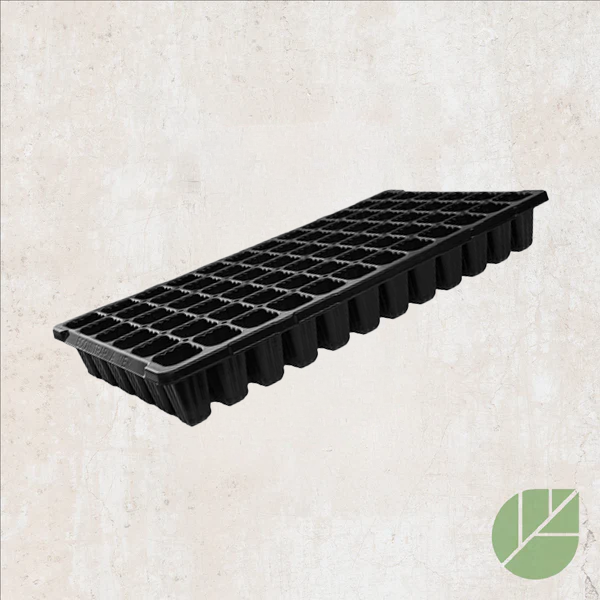
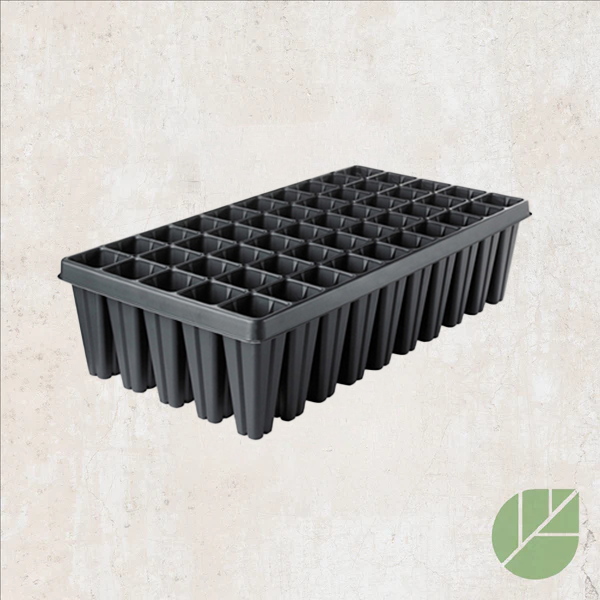
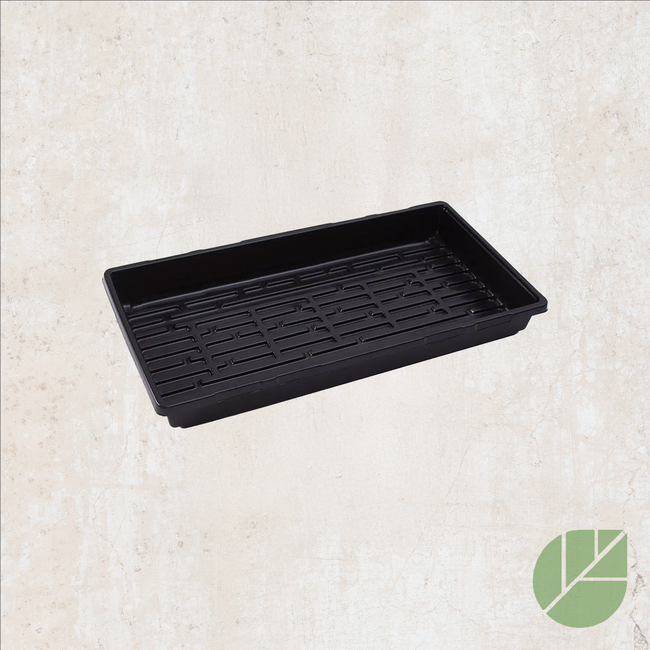
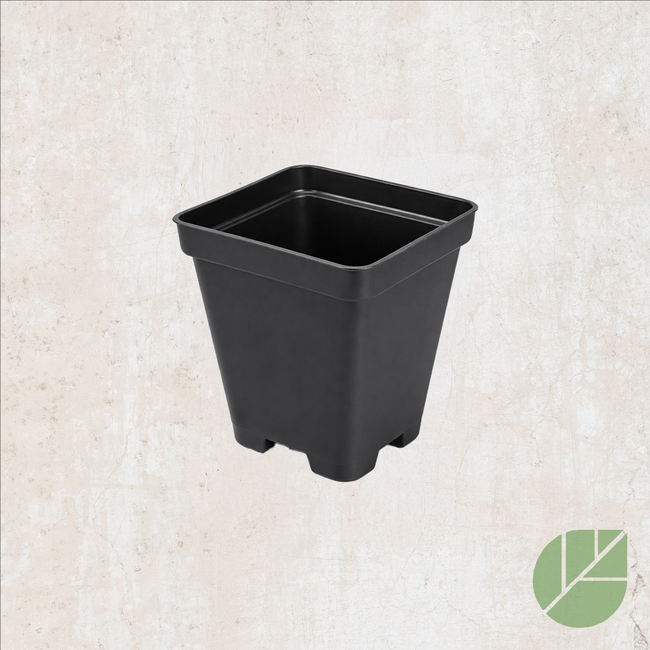
Platters, pots and domes
Shop the collection
Seed Starting Soil
Shop the collectionSeed starting supplies
Shop the collection




