Sale
Sold out

Green Xanadu-type mini-romaine
Asteraceae
Organic leafy vegetable seeds
Organic 'Xalbadora' green mini-romaine lettuce
Lactuca sativa
Product code : BIOVO-0049
'Xalbadora' is widely adapted green mini-romaine with glossy blistered crisp medium-green leaves surrounding a slim well-blanched yellow-green heart. The head closes at medium speed and generally matures in approximately 45 days. The variety has HR Bl:29-36,38-41EU/Nr:0/TBSV and IR LMV:1. Compact size suits small gardens, containers, protected culture, and individual servings. Sow small batches every two or three weeks to spread harvest. Spacing of 15–20 cm supports complete mini heads, while steady moisture and light summer shade preserve texture. Harvest early in the morning and chill promptly. Documented resistance never replaces rotation, airflow, or careful watering. Its compact habit suits containers and square-foot plots especially well.
- Exposure
- Full sun to partial shade
- Life cycle
- Annual vegetable
Discover the plant
Common nameGreen mini-romaine lettuce, mini cos
FamilyAsteraceae
GenusLactuca
Speciessativa
CultivarXalbadora
TypeGreen Xanadu-type mini-romaine
Botanical nameLactuca sativa
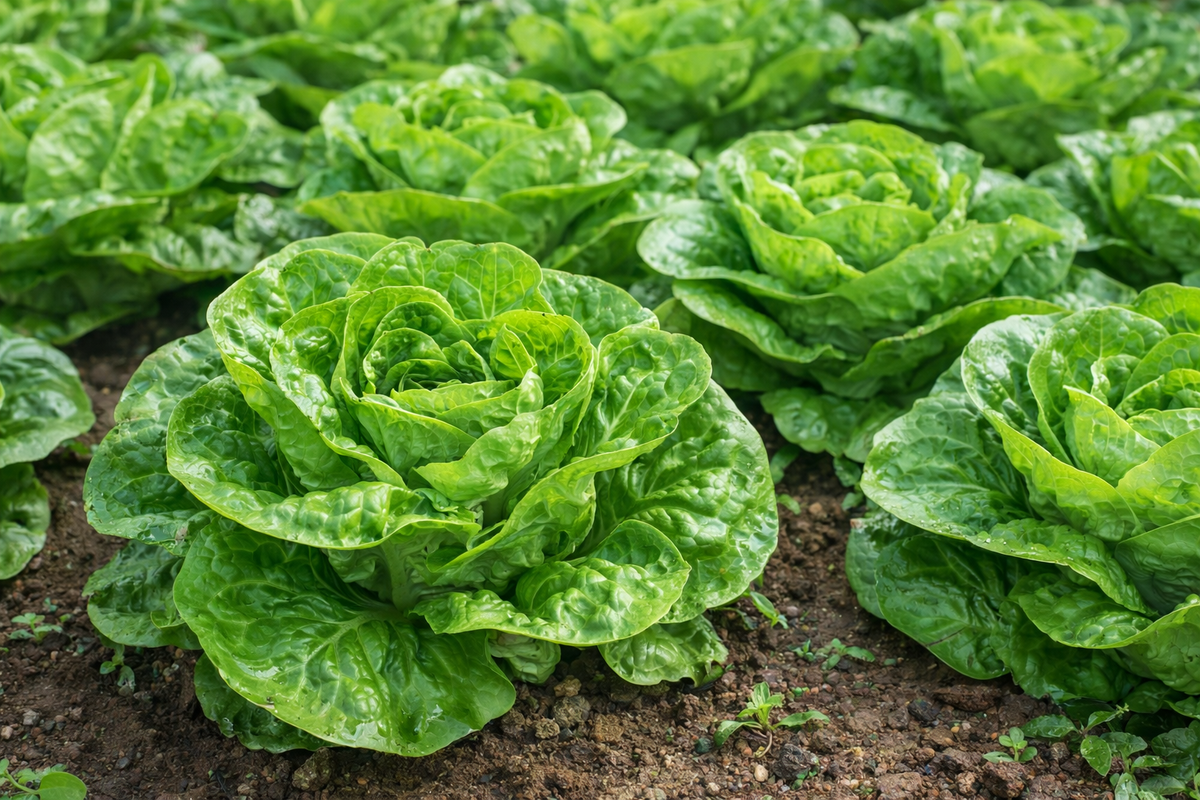
Organic 'Xalbadora' green mini-romaine lettuce (Lactuca sativa) is a widely adapted Xanadu-type mini-romaine forming a compact head of glossy well-blistered medium-green leaves. Its slim yellow-green heart naturally blanches as the head closes at a medium-fast rate. The slightly open rosette retains a high leaf count of thick crisp nearly sweet foliage. Size provides one or two servings, presents well whole or in wedges, and suits salads, sandwiches, wraps, and small-space production. Its individual size makes every mini head easy to present whole, halved, or quartered for quick everyday meals.
Direct-sow as soon as soil can be worked or start plants three to four weeks before transplanting. Barely cover seed and keep cool because germination drops sharply in overly warm soil. Space 15–20 cm apart for complete mini heads or wider for heavier heads. Choose loose fertile soil enriched with mature compost, moisture-retentive, and well drained. Grow in sun during cool weather; light afternoon shade and regular watering maintain quality through summer. Water transplants immediately and apply light mulch once the soil has warmed to moderate sudden moisture changes around shallow roots.
Maturity generally ranges from 45 to 55 days according to production method. Harvest once the heart is well filled yellow-green and still tender before stem elongation. The variety has high resistance to downy mildew races 29–36 and 38–41 EU, lettuce aphid Nasonovia ribisnigri biotype 0, and TBSV, plus intermediate resistance to lettuce mosaic virus race 1. These levels are not immunity. Maintain rotation, airflow, and hygiene. Harvest early in the morning, wash between leaves, and chill mini heads promptly in a clean container. Inspect hearts carefully before refrigerated cold storage.

Sowing guide
It all startswith a seed.
Sowing depth
Barely cover, approximately 0.3 to 0.5 cm (1/8 to 1/4 in)
Spacing / density
Thin to approximately 15 to 20 cm (6 to 8 in), with 25 to 30 cm (10 to 12 in) between rows
Germination temperature
Approximately 10 to 20 °C (50 to 68 °F); germination declines sharply in warm soil
Germination time
Approximately 5 to 10 days at 10–20°C; temperatures above 24°C can reduce or delay germination.
Sowing period
Early spring as soon as soil can be worked; late summer for an autumn harvest
Propagation
Direct sowing or indoor sowing three to four weeks before transplanting
Growing method
Growing 'Xalbadora' lettuce from seed. Sow on fine moist soil and cover only 0.3–0.5 cm. Keep cool until emergence. Thin or transplant to 15–20 cm for complete mini heads; closer culture suits only baby leaves. Harden plants started three to four weeks earlier without burying the crown. Water immediately, maintain continuous growth, and make small batches every two or three weeks. Provide light afternoon shade during warm periods. Keep the seedbed evenly moist with a gentle stream and progressively remove excess seedlings without disturbing those retained. Apply light mulch after establishment to limit splashing and drying. Harvest the whole mini head when dense and well coloured, before the centre elongates. For summer, sow early in the morning, shade the bed until emergence, and choose the coolest available location. Avoid beds recently occupied by diseased lettuce, improve drainage, and rotate with unrelated crops. Wash harvest, dry it, and refrigerate promptly. Label every sowing date so the oldest series is harvested first. Remove every badly diseased or bolting plant promptly and keep a clear path for watering near the soil. Inspect young plants for slugs, keep covers ventilated after rain, and avoid handling soaked foliage during routine care.
Soil and care
The right care,at the right time.
Soil pH
Approximately 6.0 to 6.8
Care level
Easy
Watering
'Xalbadora' green mini-romaine lettuce has a compact, shallow root system, so keep the soil evenly moist while its glossy blistered medium-green leaves, slightly open rosette, and blanched yellow-green heart develop. Water 'Xalbadora' green mini-romaine lettuce gently at soil level, let the surface begin drying before the next irrigation, and never leave its crown in standing water. Direct 'Xalbadora' green mini-romaine lettuce's water beside the rosette so it does not remain trapped in the forming head. Check container-grown 'Xalbadora' green mini-romaine lettuce daily in warm wind, but empty its saucer promptly.
Soil type
'Xalbadora' green mini-romaine lettuce prefers a fine, fertile seedbed that stays evenly moist without becoming dense around its shallow roots. For 'Xalbadora' green mini-romaine lettuce, blend mature compost through the upper root zone, level the surface, and remove hard clods before planting. Use approximately 6.0 to 6.8 as 'Xalbadora' green mini-romaine lettuce's supplied pH target, testing before attempting to change it. Keep 'Xalbadora' green mini-romaine lettuce's crown at soil level, avoiding a low pocket where water could collect inside the glossy blistered medium-green leaves, slightly open rosette, and blanched yellow-green heart. For container-grown 'Xalbadora' green mini-romaine lettuce, use the recommended soil volume, fresh vegetable mix, and open drainage holes.
Fertilization
'Xalbadora' benefits from fertility matched to its growth stage. Let a soil test guide any corrective amendment. Feed 'Xalbadora' green mini-romaine lettuce only after checking soil and moisture. Split necessary feeding instead of using one strong dose. For Green mini-romaine lettuce, the intended harvest should develop without forced leafy growth. Review growth stage before scheduling the next feeding. Observe 'Xalbadora' before repeating any fertilizer application. Correct drainage and moisture before increasing fertility. For 'Xalbadora' green mini-romaine lettuce, its new leaves offer the clearest nutritional clues.
Moisture
Evenly moist soil without saturation
Seasonal care
Seasonal care for 'Xalbadora' lettuce. In spring, sow small amounts every two or three weeks and protect seedlings from slugs through regular inspection and a clean garden. Thin early for airflow. In summer, use light shade cloth during very hot afternoons, maintain uninterrupted watering, and harvest before bolting. In fall, resume sowing as nights cool and protect from first frost with row cover. Promptly remove severely diseased plants and rotate with unrelated crops. Also monitor aphids beneath leaves and slugs in damp areas; remove them by hand where practical and avoid sheltering debris. Remove yellow or damaged outer leaves without injuring the heart. During a heat wave, water early, maintain light shade, and harvest every mini head whose stem begins elongating. Wash leaves, dry them, and refrigerate promptly. Record sowing, harvest, and bolting dates to adjust later successions. Clean containers after disease and replace contaminated mix. Check drainage after heavy rain, vent covers, and avoid handling soaked foliage. Keep the harvest basket clean and shaded. Remove badly diseased plants rather than allowing them to remain beside younger sowings, and inspect irrigation lines regularly for leaks. After heavy rain, replace displaced mulch and inspect crowns for rot. Never leave cut leaves in direct sun during maintenance. Thin crowded successions promptly, wash hands before handling ready-to-eat foliage, and keep diseased residue safely away from healthy young plants.
Container growing
A garden,within reach.
Recommended pot size
At least 20 to 25 cm (8 to 10 in) deep and approximately 3 to 5 L per mini head
Growing 'Xalbadora' lettuce in containers. Use a container at least 20–25 cm deep with numerous holes and allow approximately 15–20 cm diameter per mature mini head. A wide box may also hold a second small sowing started two weeks later. Fill with light fertile well-drained mix, place in sun during spring, then light partial shade during strong heat. Water as soon as the surface begins to dry and never leave standing water in the saucer. Cut the whole mini head when dense and well coloured, before the centre elongates. Avoid overcrowding so air circulates between plants. Raise the container slightly, empty the saucer, and rotate it weekly for even growth. Fine mulch reduces evaporation without touching the crown. During a heat wave, move the pot to a bright location receiving afternoon shade; good heat tolerance never replaces cool steady moisture. Sow several seeds in a second container two or three weeks later to replace a harvested or bolting head. Cut in the morning, chill immediately, and remove every yellow, slimy, or badly diseased leaf. Use clean mix after disease, inspect drainage following heavy rain, label every sowing date, and preserve airflow around each compact head throughout growth.

Bloom and dimensions
Its place,in your garden.
Mature height
Approximately 15 to 20 cm (6 to 8 in)
Width / spread
Approximately 15 to 20 cm (6 to 8 in)
Flower color
Yellow
Foliage color
Glossy medium green with a blanched yellow-green heart
Foliage type
Glossy, well-blistered, crisp medium-green leaves
Growth rate
Fast
Growth habit
Small upright compact dense uniform head
Fragrance
Mild fresh crisp flavour typical of mini-romaine lettuce
Bloom period
'Xalbadora' flowers after establishing its main growth. Keep the root zone evenly moist during bloom. Observe 'Xalbadora' green mini-romaine lettuce as buds open and fade. Do not treat every fallen blossom as disease. For Green mini-romaine lettuce, bloom changes development of the intended harvest. Let open flowers remain accessible to visiting insects. For 'Xalbadora', remove spent flowers only when appropriate for harvest. Stable growth matters more than forcing extra bloom. For 'Xalbadora' green mini-romaine lettuce, its main growth should remain stable through flowering. For Green mini-romaine lettuce, leave useful blooms available to visiting insects.
Fruiting
Xalbadora is grown for compact green romaine heads. The aim is a well-developed leafy centre without the elongated stem associated with bolting. Cut plants when their size suits individual servings, or take an earlier harvest if weather is pushing them rapidly toward flowering. Seed heads belong to a later stage and should be managed separately from the main crop intended for crisp, fresh lettuce leaves.
Days to maturity
Approximately 45 days
Harvest
Harvest Xalbadora when the compact green head is developed enough for the intended meal and before bolting begins. Cut cleanly just above the soil, keeping grit away from the inner leaves. Younger plants can be taken earlier for smaller servings. Cool the crop soon after picking and wash shortly before use, or dry thoroughly if washing before storage, to preserve its fresh romaine texture.
Garden associations
In goodcompany.
Companion plants
Xalbadora can be grown beside a red lettuce for a two-colour salad harvest. Keep the cultivars in labelled rows, and allow enough room for each compact head rather than relying on the word mini to justify dense permanent planting. A nearby scallion or radish row is practical if harvesting remains easy. Where a larger summer crop will eventually cast shade, finish the lettuce first or relocate the later planting. Good timing and access are more dependable benefits than claims that a specific neighbour changes romaine flavour.
Plants to avoid
Parsley celery
Recipe idea
From the gardento your plate.
Edible parts
Leaves and tender centre, thoroughly washed; avoid very bitter bolted plants
'Xalbadora' lettuce in the kitchen. Grilled 'Xalbadora' mini-romaine — Wash two sound mini heads, drain, and halve lengthwise while retaining the core. Brush lightly with 15 ml oil and place cut-side down on a hot grill pan for one to two minutes. Remove once edges mark without softening the heart. Add lemon, pepper, and herbs. Serve immediately. Keep lettuce cold before cooking and refrigerate leftovers within two hours. Use a clean hot pan to mark the surface without fully cooking the leaves. Yogurt- or tahini-based dressing also suits the green-and-yellow contrast. Discard every slimy, mouldy, or abnormal-smelling leaf. Wash hands, use a clean cutting board, and prevent cross-contamination with raw animal foods. Do not leave servings at room temperature for an extended period; promptly return leftovers to the refrigerator in a clean container. Dress only the amount being served so remaining leaves stay crisp and colourful. Chill every prepared portion promptly after service and keep unused heads whole until needed.
Frequently asked questions
Your questions,answered.
What is a Xanadu-type mini-romaine?
It is green mini-romaine forming a small head with numerous crisp leaves and one slim well-blanched yellow heart. 'Xalbadora' closes at medium speed rather than remaining fully open or making a very tight head. Natural size permits 15–20 cm spacing and whole-head harvest in one or two servings. It is not merely large romaine cut before maturity. Harvest early in the morning, keep the head shaded, and chill it promptly. Wash carefully between leaves before serving and discard every slimy, mouldy, or abnormal-smelling portion. Preserve the compact heart until preparation and serve promptly after washing. Keep unwashed heads whole until needed.
When should 'Xalbadora' be harvested?
Begin checking at approximately 40 days and generally harvest around 45 days, or up to 55 days in cool conditions when seeking a more developed head. The heart should be well filled yellow-green tender and still compact. Cut early in the morning, chill immediately, and wash only before use. Harvest promptly if the centre elongates, the head loosens, or leaves become more bitter. After cutting, wash between leaves, dry them, and refrigerate without delay. Do not leave one mature mini head in the garden for several days when heat is forecast because its texture may deteriorate quickly. Inspect each successive batch regularly.
What do 'Xalbadora' resistances mean?
The variety has high resistance to downy mildew races 29–36 and 38–41 EU, lettuce aphid Nasonovia ribisnigri biotype 0, and lettuce necrotic stunt associated with TBSV, plus intermediate resistance to lettuce mosaic virus race 1. High or intermediate resistance is not immunity. Unlisted races and biotypes remain possible; provide airflow, monitor aphids, avoid prolonged wet foliage, and rotate crops. Water near the soil to limit splashing, provide enough spacing, and clean tools before moving from an affected area to a healthy one. Continue inspecting each succession because other diseases, aphid biotypes, and races may still appear when conditions favour them. Documented resistance does not cover every threat.
How can poor summer germination be avoided?
Xalbadora needs light and cool moisture to germinate reliably. In summer, prepare the seedbed before sowing: water it, let excess drain, then scatter seed during the evening and barely cover it by 0.3–0.5 cm. Hold the surface near 10–20°C with a raised shade cloth or by moving a container to a cooler bright position. Use a fine mist to prevent drying without sealing the mix under heavy water. Seedlings normally appear in 7–10 days. At first emergence, remove dense covers, provide airflow, and gradually restore brighter light. Thin to 15–20 cm so each green mini-romaine can close its heart. If nights stay hot, germinate in clean cells indoors and transplant before roots become congested, with the crown level to the soil. Do not compensate for heat with deeper sowing, because buried lettuce seed receives too little light.
Can 'Xalbadora' be grown in a container?
Xalbadora can make a full mini head in a 3–5 L container at least 20–25 cm deep. Choose a pot or trough with unrestricted drainage and an airy mix that remains evenly moist. Allow 15–20 cm per plant so the slightly open green rosette can form its blanched yellow-green heart without pressing against neighbours. Sun is useful in cool weather, while light shade during the hottest afternoon hours reduces wilting and premature bolting. Check moisture daily, irrigate the mix rather than the heart, and leave the crown above the surface. Harvest when the head is firm and well coloured, near its approximate 45-day maturity, before the centre elongates. Remove the whole plant or cut cleanly, then refrigerate promptly. A separate sowing started later can take over the container instead of waiting for a cut crown to rebuild a second full head.
Wildlife and pets
Life,around your plants.
Supporting wildlife
Xalbadora can produce a useful leafy crop without insect pollination. Its contribution to visiting insects changes only after bolting and flowering, by which time the leaves are less desirable for salads. Gardeners wanting both lettuce and floral habitat can reserve a small flowering area beside, rather than within, the tightly planted heads.
For a great start to your seeds
The right extras.Right here.
Seed Starting Soil
Shop the collectionSeed starting supplies
Shop the collection