Sale
Sold out

Large-flowered fragrant hybrid perennial horned viola
Violaceae
Fragrant perennial violas
Etain viola
Viola cornuta
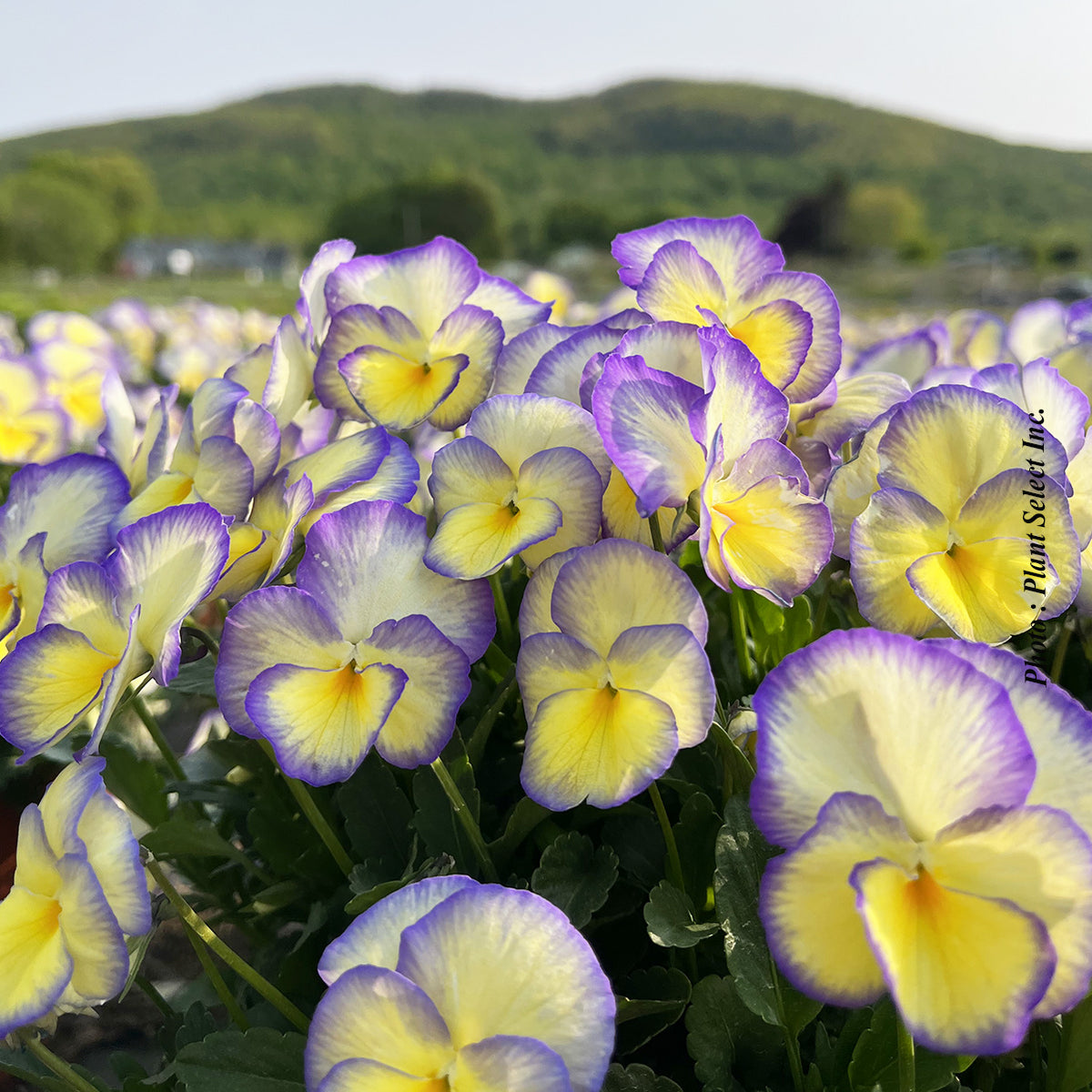
Etain viola is a compact perennial pansy with extra-large pale lemon-yellow flowers edged in lavender-purple. The cultivar forms a rounded mound 20 to 25 centimetres tall and 25 to 30 centimetres wide. Bloom is especially abundant in spring and fall, with repeat flowers possible through October when soil remains evenly moist. This fragrant viola prefers fertile humus-rich freely draining soil in sun or partial shade. It suits borders, moist rock gardens and containers, where its delicate fragrance is easy to notice beside a path or patio and its bicoloured flowers brighten the front of a planting. For best results, keep soil evenly moist, provide effective drainage and remove faded flowers regularly.
- Quantity
- 1-gallon pot
- Exposure
- Sun to partial shade; tolerates light shade
- Life cycle
- Hardy perennial
- Hardiness
- Zone 5a to Zone 10b
Discover the plant
Common nameEtain viola
FamilyViolaceae
GenusViola
Speciescornuta
CultivarEtain
TypeLarge-flowered fragrant hybrid perennial horned viola
Botanical nameViola cornuta
Etain Viola (Viola cornuta ‘Etain’) forms a compact mound covered with extra-large fragrant flowers. Pale lemon-yellow petals carry fine lavender-purple margins, a contrast confirmed by the breeder and clearly visible in the product image. Each bloom measures approximately 4.5 centimetres wide and rises above green foliage. This perennial pansy reaches approximately 20 to 25 centimetres tall and 25 to 30 centimetres wide. Its rounded habit suits borders, moist rock gardens, lightly shaded gardens and containers placed beside a path where the fragrance and unusual bicoloured flowers can be appreciated at close range.
Etain flowers profusely in spring and fall, with repeat bloom possible during summer when soil remains evenly moist. It prefers sun to partial shade and also tolerates light shade. Plant it in fertile humus-rich soil that stays moist yet drains freely. Water when the surface begins to dry, then let excess moisture escape. Feeding can remain light and be supplied only when needed. Remove faded flowers and shorten stems that stretch to preserve a dense mound. Watch especially for slugs, snails, aphids and leaf spots, and avoid keeping the crown saturated during cool or humid weather.
Darwin Perennials publishes hardiness from USDA Zones 5a to 10b, with a minimum of −20°F, or approximately −29°C. In cold regions, effective winter drainage helps protect the crown during freeze-thaw cycles. Flowers can attract bees and butterflies, while violets serve as host plants for certain fritillary caterpillars. Combine Etain with blue grape hyacinths, white primroses, dark coral bells or small sedges. Its delicate fragrance and bicoloured flowering add lasting interest at the front of a planting, and the compact mound fits easily among neighbouring plants without hiding them.

Planting guide
From planting to establishment.
Spacing / density
Space 38 to 46 cm apart
Best planting time
Spring or early fall during cool weather
Propagation
Softwood tip cuttings or division maintain the cultivar faithfully
Growing method
Plant Etain during cool spring or early-fall weather. Loosen fertile freely draining soil and incorporate compost. Dig a hole slightly wider than the root ball and keep the crown level with the surrounding ground. Space plants 25 to 30 centimetres apart. Water deeply after planting and add thin mulch without covering the centre of the clump. Maintain even moisture while roots establish. Morning sun or partial shade works well; add light afternoon shade during intense heat. Flowers are self-cleaning, although damaged blooms can be removed and stretched stems lightly shortened. Watch for slugs, snails, aphids and leaf spots. Prevent standing water, especially in winter, and never let the root ball dry completely while the plant is flowering. For best results, keep soil consistently moist, provide effective drainage and offer light shade during hot, dry periods. This perennial pansy flowers for a long season when moisture remains even and damaged blooms are removed as needed. A visible position beside a path makes its fragrance and pale lemon yellow and lavender-purple colouring easy to enjoy. For best results, keep soil consistently moist, provide effective drainage and offer light shade during hot, dry periods.
Soil and care
The right care,at the right time.
Soil pH
Mildly acid to mildly alkaline; approximately 6.0 to 7.5
Care level
Low
Watering
Keep soil consistently moist without saturation. Water deeply when the surface begins to dry, then allow excess to drain. Containers need more frequent checks during hot or windy weather. Prevent standing water in winter and avoid repeatedly wetting foliage late in the day because prolonged leaf moisture can encourage disease. For best results, keep soil consistently moist, provide effective drainage and offer light shade during hot, dry periods.
Soil type
Use fertile humus-rich soil that stays consistently moist yet drains freely. Loam amended with compost is especially suitable. Heavy clay should be improved so water cannot stand around the crown, while sandy soil benefits from additional organic matter to retain moisture. A mildly acid to mildly alkaline pH is acceptable. For best results, keep soil consistently moist, provide effective drainage and offer light shade during hot, dry periods.
Fertilization
Etain needs little fertilizer when growing in fertile soil amended with compost. In spring, apply a small amount of balanced slow-release fertilizer or a weak liquid feed. Repeat only if growth slows or foliage becomes pale. Excess nitrogen encourages long stems and abundant foliage at the expense of flowers. Water after feeding and keep fertilizer away from direct contact with the crown. Container plants may need slightly more frequent feeding because nutrients wash from the potting mix during regular watering.
Moisture
Average humidity; prefers moist soil and good air movement
Seasonal care
In spring, remove damaged leaves, replace soil around roots lifted by frost and add a thin compost layer. During flowering, keep soil moist; blooms are self-cleaning, although damaged flowers can be removed. After a major flush, shorten stems extending beyond the clump to preserve a dense dome. In summer, provide light afternoon shade and watch for slugs, aphids and foliar disease. In fall, water when soil is dry, then add thin mulch after the ground cools. Never cover the crown and prevent standing water during winter thaws. For best results, keep soil consistently moist, provide effective drainage and offer light shade during hot, dry periods. This perennial pansy flowers for a long season when moisture remains even and damaged blooms are removed as needed. A visible position beside a path makes its fragrance and pale lemon yellow and lavender-purple colouring easy to enjoy. For best results, keep soil consistently moist, provide effective drainage and offer light shade during hot, dry periods. This perennial pansy flowers for a long season when moisture remains even and damaged blooms are removed as needed. A visible position beside a path makes its fragrance and pale lemon yellow and lavender-purple colouring easy to enjoy. For best results, keep soil consistently moist, provide effective drainage and offer light shade during hot, dry periods. This perennial pansy flowers for a long season when moisture remains even and damaged blooms are removed as needed.
Container growing
A garden,within reach.
Recommended pot size
Freely draining pot at least 20 to 25 cm across
Etain performs very well in pots and window boxes because of its compact habit and fragrant flowers. Choose a container at least 20 to 25 centimetres across with several drainage holes. Fill it with quality container mix amended with compost and keep the crown level with the surface. Position the pot in morning sun or partial shade beside a path where fragrance can be enjoyed. Water until excess drains whenever the surface begins to dry. Moderate diluted fertilizer is sufficient during active growth; avoid excess nitrogen. Remove damaged flowers and lightly shorten stems extending beyond the clump. For a Quebec winter, group and insulate pots or move them to a cold location protected from wind. Keep the root ball slightly moist without saturation because an unprotected container freezes more deeply than open ground. For best results, keep soil consistently moist, provide effective drainage and offer light shade during hot, dry periods. This perennial pansy flowers for a long season when moisture remains even and damaged blooms are removed as needed. A visible position beside a path makes its fragrance and pale lemon yellow and lavender-purple colouring easy to enjoy. outdoors.

Bloom and dimensions
Its place,in your garden.
Mature height
8 inches (20.5 cm)
Width / spread
8 inches (20.5 cm)
Flower color
Pale lemon yellow edged in lavender-purple
Foliage color
Green
Foliage type
Evergreen to semi-evergreen depending on climate
Growth rate
Moderate
Growth habit
Compact, rounded and mounded
Fragrance
Delicate sweet floral fragrance
Bloom period
Etain produces large single pale lemon-yellow flowers edged in lavender-purple. Walters Gardens lists blooms approximately 4.5 centimetres wide, while Darwin Perennials describes profuse spring and fall flowering with a season that can extend from February through October. Even moisture, light feeding and removal of faded blooms support continued bud production and preserve the delicate bicoloured display. For best results, keep soil evenly moist, provide effective drainage and remove faded flowers regularly.
Garden associations
In goodcompany.
Companion plants
Combine Etain with purple tulips, dwarf daffodils, blue grape hyacinths, white primroses, forget-me-nots, dark coral bells, foamflowers, compact ferns and small sedges. These plants also appreciate cool seasons or partial shade and highlight the pale lemon-yellow blooms. Keep highly vigorous companions away so they cannot cover the small mound. Adequate spacing improves air circulation and lets every compact cushion retain its natural shape throughout the flowering season. For best results, keep soil evenly moist, provide effective drainage and remove faded flowers regularly.
Plants to avoid
Avoid highly invasive ground covers, tall plants creating dense shade and companions adapted to constantly dry soil.
Frequently asked questions
Your questions,answered.
Will Etain return after winter?
Yes. Darwin Perennials confirms Etain as a perennial for USDA Zone 5a. Survival depends on drainage, snow cover and freeze-thaw cycles. Choose a sheltered site where water cannot stand. After soil cools, apply light mulch without covering the centre of the clump. In spring, replace soil around roots lifted by frost. An exposed container freezes more deeply than open ground, so group and insulate pots or move them to a cold protected location. Appropriate care cannot guarantee survival after every unusually severe or snowless winter. For best results, keep soil evenly moist, provide effective drainage and remove faded flowers regularly.
What light is best for this perennial pansy?
In Quebec, morning sun, filtered sun or partial shade generally gives good results. The Etain selection handles heat better than many pansies, but light shade during hot, dry periods helps flowers keep their quality. Full sun is possible in a cool site where soil remains moist. Avoid a wall that stores intense heat when regular watering is not available. Watch the plant: flowers fading rapidly, wilted foliage or interrupted bloom indicate that additional protection from heat would be useful. Too much dense shade can reduce flowering, so aim for bright conditions rather than a dark enclosed position. For best results, keep soil consistently moist, provide effective drainage and offer light shade during hot, dry periods.
Can Etain grow in a pot?
Yes. Its compact habit suits pots, window boxes and baskets very well. Select a container at least 20 to 25 centimetres across with several drainage holes. Use container mix amended with compost and keep the crown level with the surface. Water until excess drains whenever the upper layer begins to dry. A position beside a path makes the fragrance easy to enjoy, while light afternoon shade protects flowers during heat waves. For a Quebec winter, protect the root ball from deep freezing and prevent the container from remaining filled with water. An unprotected pot is less reliable than the same cultivar planted in well-drained ground.
How can its flowering season be extended?
Keep soil consistently moist without saturation and protect the plant from scorching afternoon sun. Flowers are described as self-cleaning, although damaged blooms can be removed to maintain a neat appearance. If selected stems stretch after the first flush, shorten them lightly with clean scissors. A small amount of compost or balanced slow-release fertilizer in spring is generally sufficient. Avoid nitrogen-rich feeding that promotes foliage instead of buds. A pause during intense heat is normal, and bloom may resume when temperatures decline. Good drainage and regular moisture are more useful than frequent heavy fertilizer. For best results, keep soil consistently moist, provide effective drainage and offer light shade during hot, dry periods.
Is Etain pansy suitable for a garden visited by pets?
Garden pansies are generally considered non-toxic to dogs and cats, making Etain a suitable choice for an outdoor space visited by pets. Eating a large amount of plant material can still cause digestive discomfort even when a plant is non-toxic, so pets should not be encouraged to graze on flowers or foliage. Keep fertilizer, slug pellets and other garden treatments out of their reach as well. If an animal eats a substantial amount or develops unusual symptoms, contact a veterinarian and provide the name Viola cornuta ‘Etain’. Individual sensitivities can vary, and professional advice is always appropriate when symptoms appear.
Wildlife and pets
Life,around your plants.
Supporting wildlife
Fragrant flowers can attract butterflies, bees and other small pollinators from spring through fall. Place several plants beside other seasonal flowers to provide a succession of resources. Avoid insecticides on open blooms and accept minor damage when supporting beneficial garden wildlife. Hummingbirds and seed-eating birds are not primary visitors.
For your perennials and grasses
The right extras.Right here.
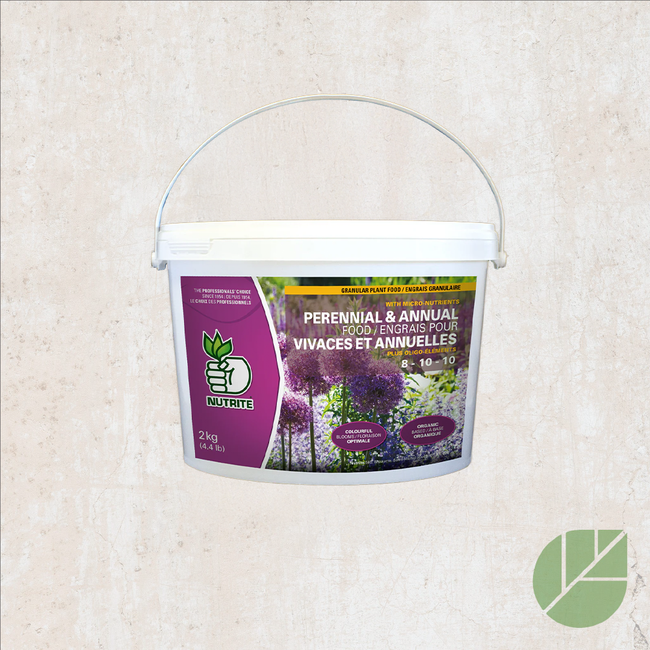
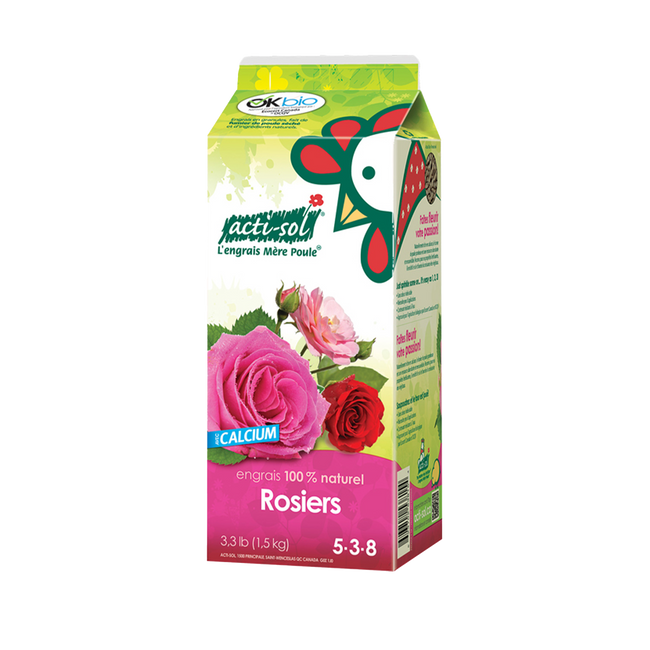
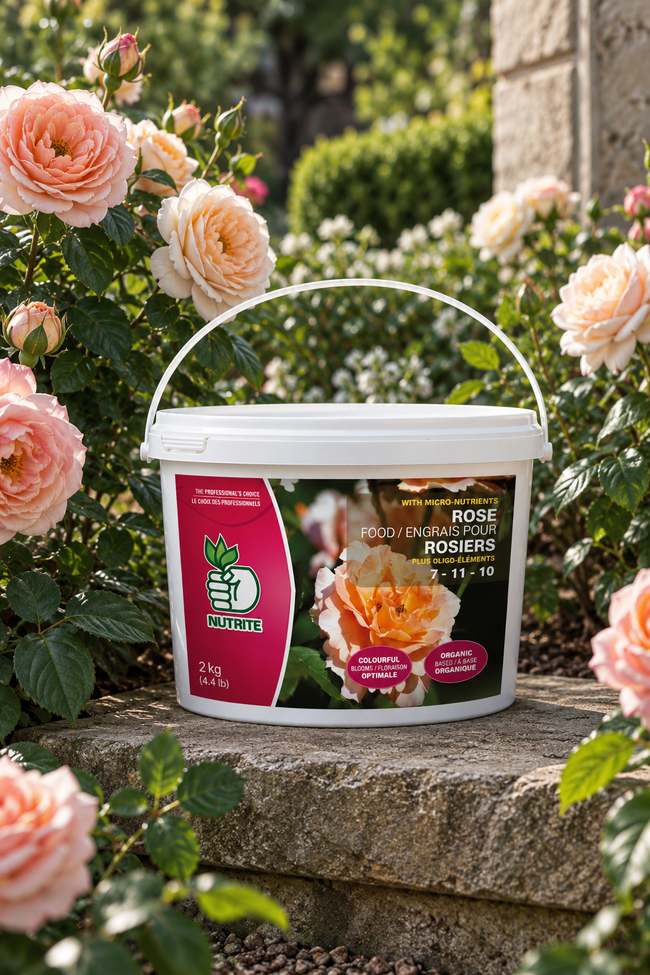
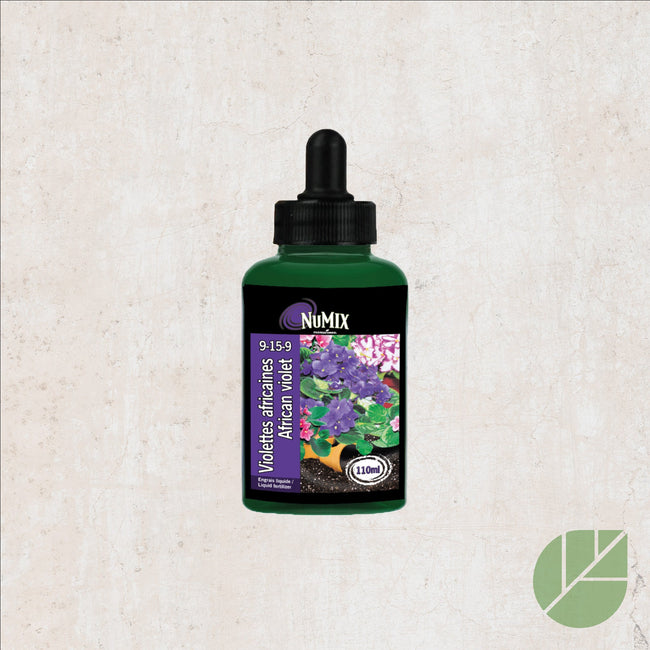
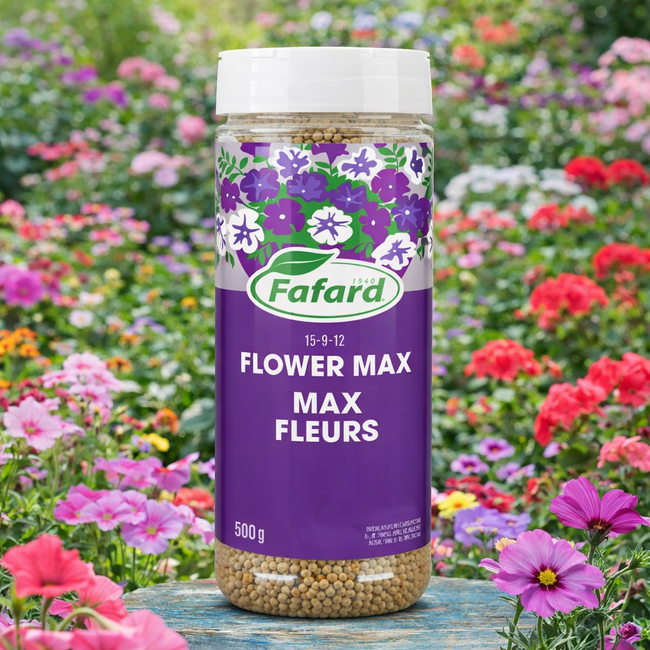
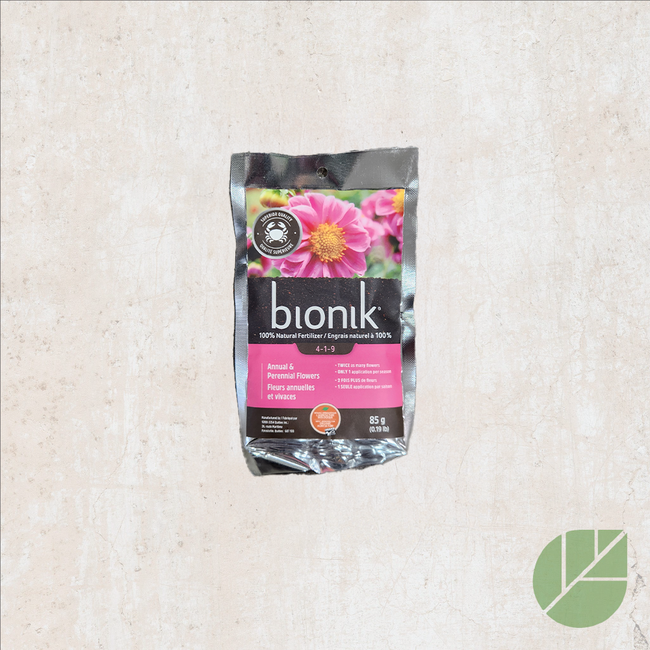
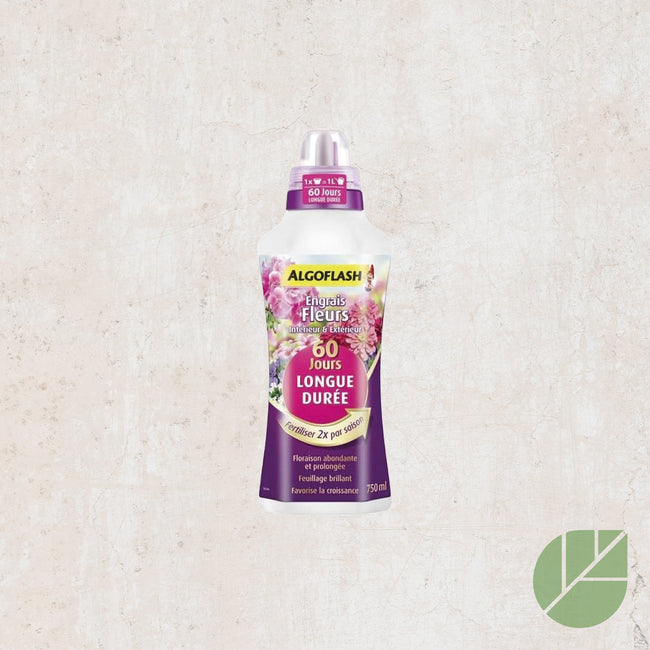
Flower and Bloom Fertilizer
Shop the collection
Hand Tools
Shop the collection