Sale
Sold out

Very hardy deciduous woody climbing wisteria
Fabaceae
Wisterias and climbing vines
Blue Moon Kentucky wisteria
Wisteria macrostachya ‘Blue Moon’
Blue Moon is a Kentucky wisteria selected for cold hardiness and fragrant lavender-blue bloom. This deciduous climber can reach 6 to 8 metres and must be trained on a very strong pergola, arbour or trellis. It flowers mainly in June and may produce as many as three flushes once established. Full sun, moist drained soil and regular pruning encourage buds. Although less aggressive than many Asian wisterias, it remains vigorous and extremely heavy at maturity. Every part is toxic when eaten, especially the seeds and pods, so careful placement is important around children and pets. For best results, train the stems on a very strong support and water deeply while the roots become established.
- Quantity
- 1-gallon pot
- Exposure
- Full sun; partial shade tolerated with potentially reduced flowering
- Life cycle
- Deciduous woody perennial
- Hardiness
- USDA Zones 3 to 9 according to Missouri Botanical Garden; reliable in Zone 4 with a suitable site
Discover the plant
Common nameBlue Moon Kentucky wisteria
FamilyFabaceae
GenusWisteria
Speciesmacrostachya
CultivarBlue Moon
TypeVery hardy deciduous woody climbing wisteria
Botanical nameWisteria macrostachya ‘Blue Moon’
Blue Moon Kentucky Wisteria (Wisteria macrostachya ‘Blue Moon’) is a deciduous woody climber selected for exceptional cold hardiness. Missouri Botanical Garden describes it as less aggressive than many Asian wisterias and able to flower in USDA Zones 3 and 4. Once established, it produces foot-long racemes of fragrant, pea-like lavender-blue flowers in June. Twining stems become large and remarkably heavy with age, so the vine requires a sturdy freestanding pergola, arbour, post or trellis. Deep green compound leaves provide a dense summer screen before dropping in fall. For best results, train the stems on a very strong support and water deeply while the roots become established.
Plant Blue Moon in full sun for the strongest flowering, using moist, fertile and freely draining soil. Partial shade is tolerated, but insufficient light, excessive nitrogen, poor pruning or a young plant can delay bloom. Water consistently through the first seasons, then deeply during dry periods. A well-rooted vine tolerates moderate drought. Train new shoots deliberately and do not allow them to coil around gutters, young trees or lightweight structures. Mature stems may reach 6 to 8 metres and gradually form twisted, trunk-like growth that needs permanent support and adequate surrounding space.
Blue Moon may rebloom as many as three times during a favourable growing season, although repeat flowering depends on maturity, sun and climate. Shorten long shoots after flowering, then prune them again while dormant to leave two or three buds. Flowers attract butterflies and other insects, and hummingbirds may also investigate the racemes. Remove developing pods where children or pets use the garden because wisteria is toxic when eaten. Wear gloves during pruning, keep cut material away from grazing animals and never consume the flowers, leaves, pods or seeds. For best results, train the stems on a very strong support and water deeply while the roots become established.

Planting guide
From planting to establishment.
Spacing / density
One vine per structure; allow 4 to 8 m according to training
Best planting time
Spring after thaw or early fall with enough time for roots to establish before freezing
Propagation
Layering, softwood or hardwood cuttings, root cuttings or grafting; seed does not reproduce the cultivar faithfully
Soil and care
The right care,at the right time.
Soil pH
Acid, neutral or mildly alkaline; approximately 5.5 to 7.5
Minimum temperature
Approximately −34°C in USDA Zone 4; some horticultural sources report possible Zone 3 performance
Care level
Moderate to high because of training and twice-yearly pruning
Drought tolerance
Yes
Watering
Water deeply once or twice weekly during establishment according to rainfall and drainage. Allow the surface to dry slightly between applications without drying the entire root ball. An established wisteria tolerates moderate drought, but prolonged water shortage reduces growth and flower-bud development. Containers require more frequent checks during hot weather. For best results, train the stems on a very strong support and water deeply while the roots become established.
Soil type
Blue Moon grows in clay, loam or sandy soil when drainage remains effective. Deep soil that stays moist and contains compost supports the strongest growth. The pH may be acid, neutral or mildly alkaline. Avoid permanently saturated ground and locations where winter water accumulates around the crown and roots. For best results, train the stems on a very strong support and water deeply while the roots become established.
Fertilization
In spring, apply compost and use a balanced low-nitrogen fertilizer only when growth is weak. A wisteria producing abundant leaves but few flowers often receives too much nitrogen. Avoid repeated feeding on a vigorous vine. Extra phosphorus cannot replace full sun, plant maturity or correctly timed pruning, and should follow a soil test when possible. For best results, train the stems on a very strong support and water deeply while the roots become established.
Moisture
Average humidity; moist soil without standing water
Seasonal care
In spring, inspect ties, the support and any stems damaged during winter. Remove dead wood, replace tight ties and add a thin layer of compost. Water when soil dries during bud formation. After the main June bloom, shorten long side shoots to approximately five or six leaves to control vigour and expose productive wood to light. Remove developing pods wherever children or pets use the garden. Through summer, guide new stems and prevent them from reaching gutters, roofing or trees. A repeat bloom may appear after the vine matures. In fall, water deeply before freezing when weather remains dry and mulch the root zone without covering the crown. During winter dormancy, shorten the same side shoots to two or three buds. Inspect the structure regularly because the vine becomes heavier every year. For best results, train the stems on a very strong support and water deeply while the roots become established. This wisteria flowers most freely in sun when nitrogen remains moderate and pruning is timed correctly. Every part is toxic when eaten, especially the seeds and pods. For best results, train the stems on a very strong support and water deeply while the roots become established. This wisteria flowers most freely in sun when nitrogen remains moderate and pruning is timed correctly. Every part is toxic when eaten, especially the seeds and pods.
Container growing
A garden,within reach.
Recommended pot size
Stable container of at least 60 litres for temporary culture; open ground recommended at maturity
Blue Moon can live for several years in a very large container, but its vigour and eventual weight make open ground preferable over the long term. Select a stable frost-resistant pot holding at least 60 litres with large drainage holes. Use woody-plant potting mix amended with compost and provide a trellis independent of the container or a permanent support capable of carrying the vine. Water until excess drains whenever the upper few centimetres dry; container roots do not have the drought tolerance of an established in-ground plant. Feed lightly with a low-nitrogen formula. Prune regularly to control volume and remove toxic pods. In Quebec, protect the container from deep freezing by insulating it, temporarily sinking it into soil or overwintering it in a cold unheated location. Do not keep the dormant vine in a warm room. For best results, train the stems on a very strong support and water deeply while the roots become established. This wisteria flowers most freely in sun when nitrogen remains moderate and pruning is timed correctly. Every part is toxic when eaten, especially the seeds and pods. For best results, train the stems on a very strong support and water deeply while the roots become established.

Bloom and dimensions
Its place,in your garden.
Mature height
9.8 feet (2.99 m)
Width / spread
4 feet (1.22 m)
Flower color
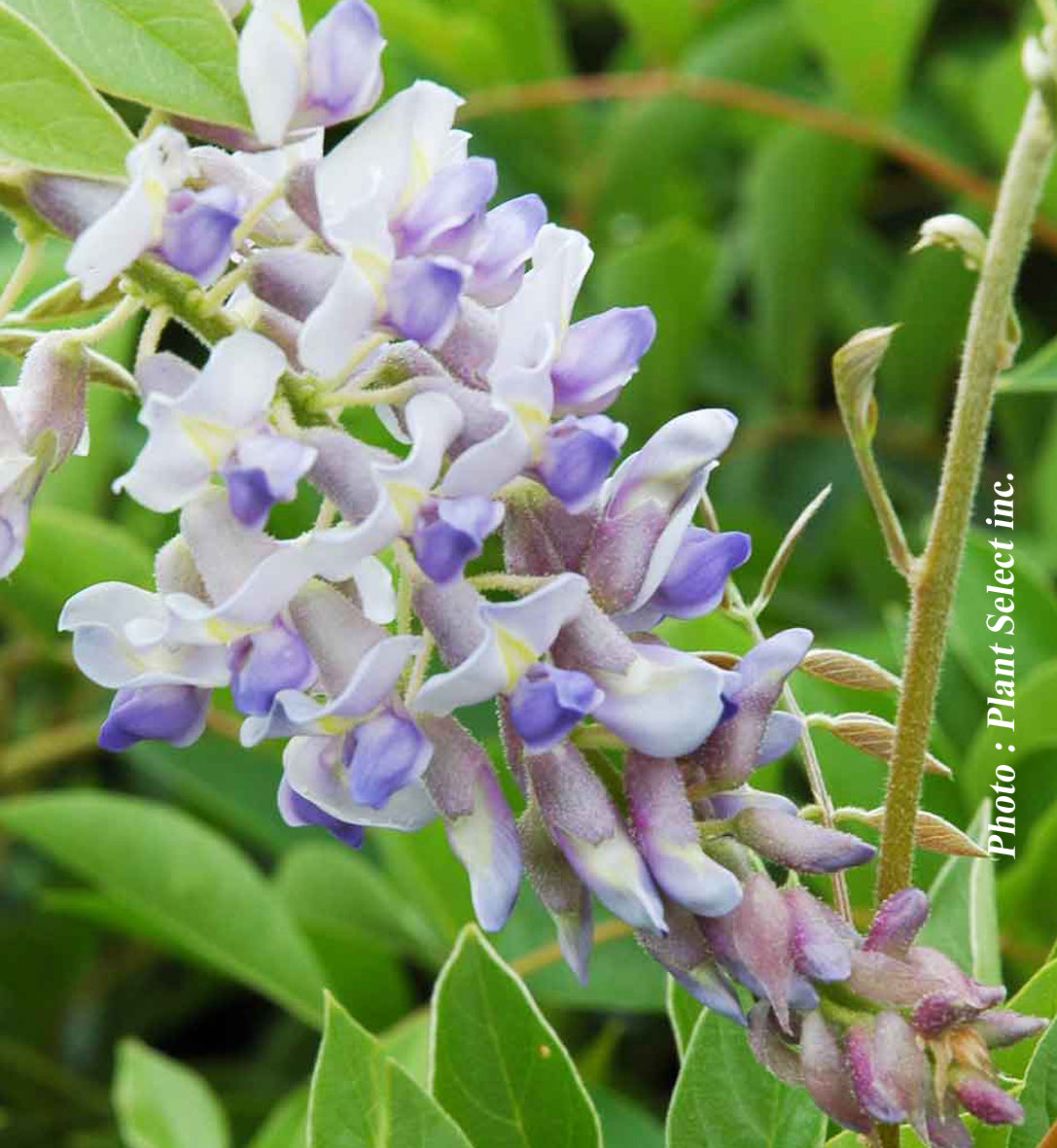
Lavender blue to mauve blue with a pale centre
Foliage color
Glossy dark green
Foliage type
Deciduous, compound and pinnate
Growth rate
Moderate during establishment, then fast
Growth habit
Climbing, twining, woody and vigorous
Fragrance
Light sweet fragrance
Bloom period
The main bloom appears in June on pendant racemes approximately 15 to 30 centimetres long. Lightly fragrant lavender-blue flowers open nearly together and create a dense display. An established vine may rebloom as many as three times during a favourable season. Sun, maturity, correct pruning and restrained nitrogen encourage flower-bud production. For best results, train the stems on a very strong support and water deeply while the roots become established.
Garden associations
In goodcompany.
Companion plants
Beneath the structure, combine Blue Moon with hostas, ferns, coral bells, foamflowers, astilbes or sedges that tolerate shade created by summer foliage. Beyond that shade, peonies, catmint and sages can repeat blue and mauve tones. Keep companion plants away from the trunk so watering, pruning and inspection of ties remain easy throughout the season. For best results, train the stems on a very strong support and water deeply while the roots become established. This wisteria flowers most freely in sun when nitrogen remains moderate and pruning is timed correctly.
Plants to avoid
Avoid young trees, gutters, cables, fragile siding and woody plants that twining stems could constrict.
Frequently asked questions
Your questions,answered.
When does Blue Moon begin flowering?
A vegetatively propagated Blue Moon may produce its first clusters after two or three years of establishment, but some plants require longer. Full sun, stem maturity and suitable pruning are essential. A young vine first directs energy into roots and shoots. Avoid nitrogen-rich fertilizer because it favours leaves rather than buds. Shorten long side growth after flowering, then reduce those shoots to two or three buds during dormancy. Once established, the main display normally arrives in June and additional flushes may occur during summer. Healthy growth without flowers does not automatically mean that the plant was labelled incorrectly. For best results, train the stems on a very strong support and water deeply while the roots become established.
What support is suitable for Blue Moon wisteria?
Choose a pergola, arbour, post or freestanding trellis built for a heavy woody climber. Blue Moon stems can reach 6 to 8 metres, become thick and place considerable pressure on their support. Small decorative trellises, gutters, cables and young trees are unsuitable. Install the permanent structure before planting so roots are not damaged later. Guide one or two main stems with soft ties and inspect them every spring. Keep growth away from siding and roofing to simplify pruning and prevent damage. A support that appears adequate for a young plant may become unsafe after the vine develops mature woody trunks.
How should Blue Moon be pruned for flowers?
Prune twice each year. After the main flowering period, shorten long current-season side shoots to approximately five or six leaves. This limits tangling and directs light toward productive wood. During dormancy, reduce those same shoots to two or three buds. Retain the main framework needed to cover the structure and remove dead wood, weak stems or growth heading toward a gutter. Use clean tools and wear gloves. Avoid severe pruning immediately before bloom because it may remove developed buds and delay the display. Consistent yearly pruning is easier on the plant and support than trying to control many years of neglected growth at once.
Is Blue Moon toxic to pets and children?
Yes. The ASPCA lists wisteria as toxic to dogs, cats and horses because it contains lectin and wisterin glycoside. Ingestion can cause vomiting, sometimes with blood, diarrhea and depression. Seeds and pods are especially concerning, but no part should be eaten. Position the vine away from unsupervised access when possible, remove pods and collect pruning debris. If a person or animal eats any part, promptly contact a poison centre, physician or veterinarian and provide the name Wisteria macrostachya ‘Blue Moon’. Do not wait for severe symptoms when seeds or pods may have been swallowed, and never use the flowers as edible decoration.
Is Blue Moon wisteria invasive?
Blue Moon belongs to a North American wisteria generally described as less aggressive than Chinese and Japanese wisterias. That does not mean it stays small or can grow without supervision. Stems extend many metres, coil around supports and become extremely heavy. Regular pruning, pod removal and placement away from natural areas reduce unwanted spread. Do not allow the vine to climb trees or reach buildings. It is not native to Quebec and should not be presented as a local native plant. On a strong structure with twice-yearly pruning, growth remains substantially easier to control than neglected vines allowed to enter surrounding trees and structures.
Wildlife and pets
Life,around your plants.
Reported toxicity
Yes
Supporting wildlife
Fragrant racemes provide nectar for butterflies and various insects during bloom, and hummingbirds may also visit. Avoid insecticides on open flowers. Pods and seeds must never be offered as wildlife food because the plant is toxic when eaten. Remove pods where pets, children or grazing animals have access.
For your perennials and grasses
The right extras.Right here.
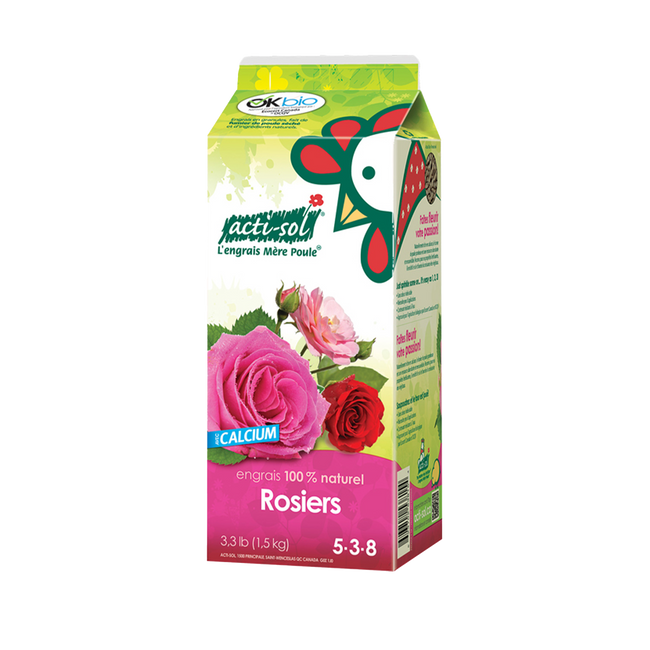
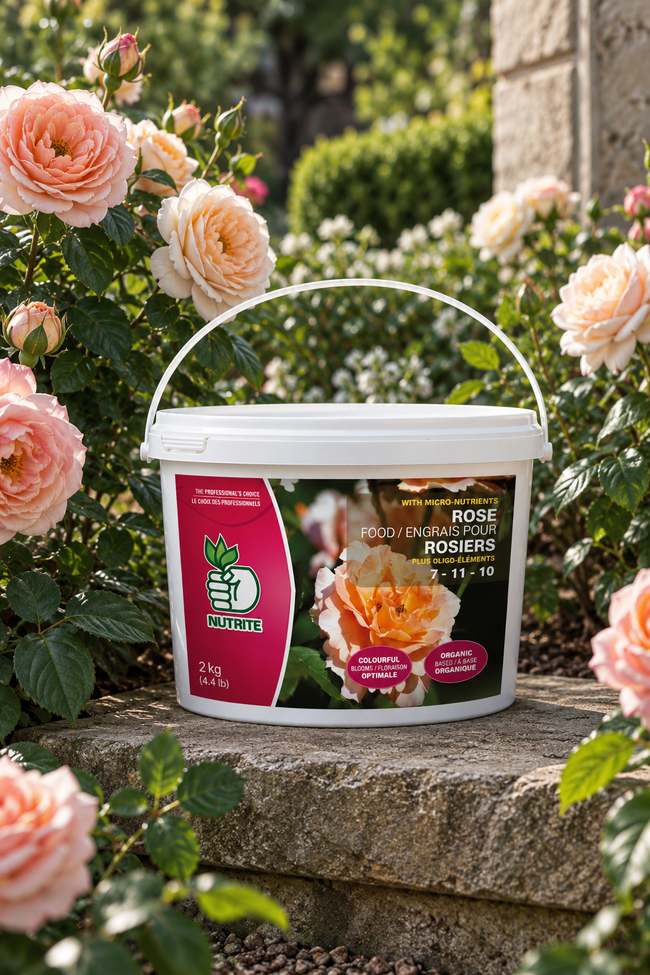
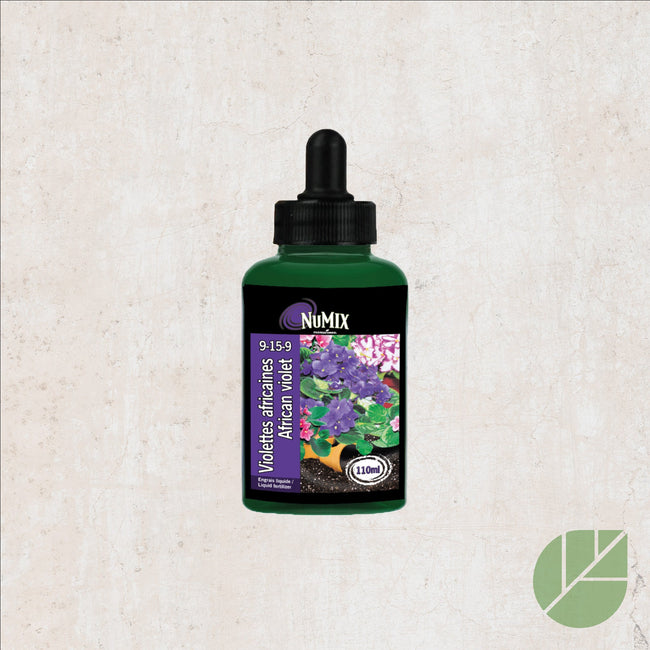
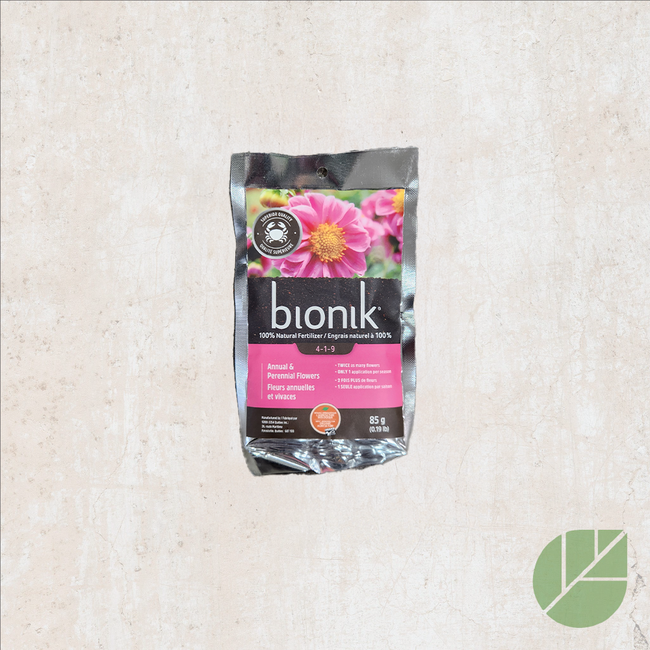
Flower and Bloom Fertilizer
Shop the collection


Hand Tools
Shop the collection