Sale
Sold out

Vegetable
Amaryllidaceae
Organic seeds
'Rossa di Milano' Onion (Allium cepa)
Product code : JAREC-0164
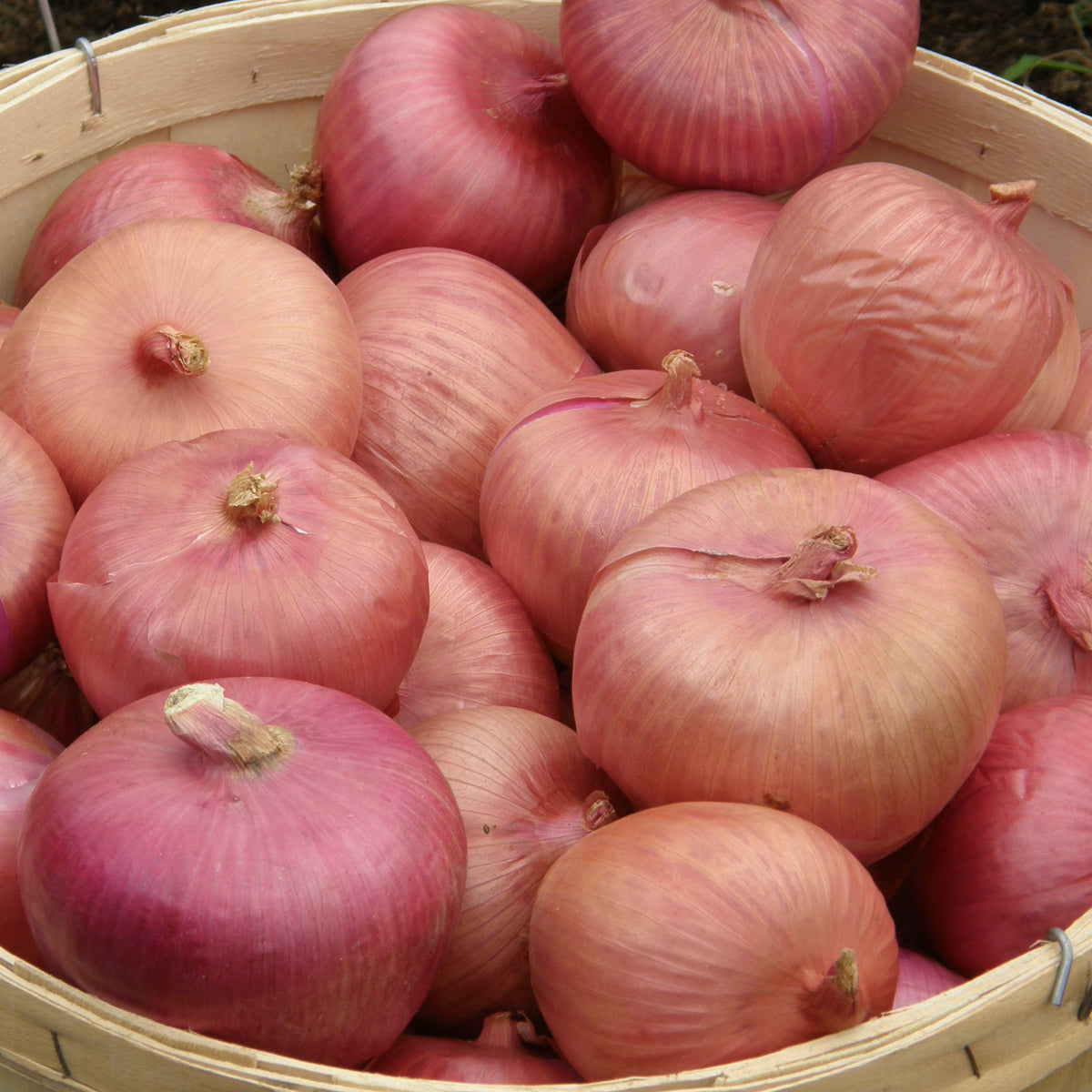
The 'Rossa di Milano' onion is captivating both for the elegance of its dark red bulbs and the sweet softness of its flesh, highly sought after in the kitchen and in family gardens. Throughout the season, its upright foliage captures light and heralds the formation of tightly packed bulbs with slender necks, perfect for good preservation. Grown in full sun in loose, well-drained soil, it fully expresses its vigor and appreciable tolerance to cooler climates. In cooking, its mild flavor allows it to be used both raw and cooked, in salads, onion jams, or stews.
- Quantity
- About 150 seeds
- Exposure
- Sun
- Life cycle
- Annual
Discover the plant
Common nameOnion 'Rossa di Milano'
FamilyAmaryllidaceae
GenusGarlic
Speciesonion
CultivarRossa di Milano
TypeVegetable
Botanical nameOnion
Reproducible seedsYes
Heirloom varietyYes
‘Rossa di Milano’ Onion (Allium cepa). The ‘Rossa di Milano’ onion is as appealing for the elegance of its deep red bulbs as it is for the sweet tenderness of its flesh, highly sought after in the kitchen and in home gardens. Throughout the season, its upright foliage captures light and indicates the formation of firm bulbs with a slender neck, perfect for good preservation. Grown in full sun in loose, well-drained soil, it fully expresses its vigor and appreciable tolerance to cooler climates. In the kitchen, its mild flavor allows it to be used both raw and cooked, in salads, onion jams, or stewed dishes.
Recommended sowing period: indoors from February to March, outdoors in early spring. The depth to respect is 1 cm (3/8 in). Germination usually takes 8 to 12 days. For germination, maintain the potting soil at 15 to 21 °C (59 to 70 °F). Keep onion, leek, or shallot seedlings well identified, as their young foliage looks similar. Sufficient light and regular moisture accompany the growth of seedlings. Transplant delicately when the type of cultivation requires it, without crushing the base of the leaves.
This ancient variety brings a heritage touch to the garden, while offering a generous and regular harvest that rewards both beginner gardeners and traditional seed enthusiasts. Rows of onions and leeks are suitable for areas of the vegetable garden where you can work without walking between plants. Their vertical silhouette can border a more sprawling crop, provided that the foliage receives enough light. Identify varieties for bunching and those for bulbs to choose the right harvest stage. Keep the row accessible for weeding until the plants are well established.

Sowing guide
It all startswith a seed.
Sowing depth
1 cm (3/8 in)
Germination temperature
15 to 21 °C (59 to 70 °F)
Germination time
8 to 12 days
Sowing period
Indoors February-March, outdoors early spring
Propagation
Sowing
Growing method
Recommended sowing period: indoors in February-March, outdoors early spring. Sow to a depth of 1 cm (3/8 in). Emergence generally takes 8 to 12 days. For germination, maintain the soil at 15 to 21 °C (59 to 70 °F). Keep onion, leek, or shallot seedlings well-identified, as their young foliage looks similar. Sufficient light and regular moisture accompany seedling growth. Transplant carefully when the crop type requires it, without crushing the base of the leaves. In the garden, prepare a surface that is easy to weed: these narrow plants cover little ground at the beginning of their development. Weed regularly around alliums, working shallowly. The fine foliage does not quickly protect the soil from competition. Observe the desired part at harvest: tender stem, aromatic leaves, or mature bulb. For storage bulbs, the harvest stage and drying are as important as the size. Handle the bases with care to limit injuries before cooking or storing. Green onions and storage onions are not harvested at the same stage.
Soil and care
The right care,at the right time.
Care level
Regular during establishment, then adapted to growing conditions
Watering
Moderate
Soil type
Friable, rich, and well-drained
Fertilization
Fertilization supports growth and takes into account the nutrients already present in the soil or potting mix. Use mature compost or a fertilizer suitable for the crop, following the dosage instructions. Avoid using multiple products, especially in a container where roots occupy a limited volume. Water as needed after application and observe leaf development before re-fertilizing.
Moisture
Moist soil during germination, without standing water; then adjust to the crop
Seasonal care
This heirloom variety adds a heritage touch to the garden, while offering a generous and regular harvest that rewards both beginner gardeners and traditional seed enthusiasts. Keep onion, leek, or shallot seedlings well identified, as their young foliage looks similar. Sufficient light and regular moisture will support seedling growth. Transplant carefully when the type of crop requires it, without crushing the base of the leaves. In the garden, prepare a surface that is easy to weed: these narrow plants cover little of the soil at the beginning of their development. Weed regularly around the alliums, working shallowly. The fine foliage does not quickly protect the soil from competition. Observe the desired part at harvest: tender stem, aromatic leaves, or mature bulb. For storage bulbs, the harvest stage and drying are as important as the size. Handle the bases carefully to limit damage before cooking or storage. Green onions and storage onions are not harvested at the same stage. For storage bulbs, wait for signs of maturation and dry the harvest in a well-ventilated area. For tender stems, harvest progressively according to your needs. Loose soil makes it easier to remove plants without damaging the consumed part. The 'Rossa di Milano' onion is as attractive for the elegance of its dark red bulbs as it is for the sweet tenderness of its flesh, highly sought after in both cooking and home gardens.
Container growing
A garden,within reach.
Suitable for containers
Yes
Recommended pot size
Stable, perforated container, wide enough for the plant to spread out, and deep enough for the roots
Choose this exposure: full sun. Reserve this spread around the plant: 10 to 15 cm (4 to 6 in). Alliums are placed in a container depending on the part harvested. Leaves or young shoots allow for frequent harvests, while bulbs need their final space to grow. Space plants regularly and keep the soil loose. Avoid watering that erodes around the base. To harvest, gently lift the root ball rather than abruptly pulling on the foliage. The 'Rossa di Milano' onion is captivating both for the elegance of its dark red bulbs and the sweet mildness of its flesh, highly sought after in cooking and in the home garden. Throughout the season, its upright foliage captures light and indicates the formation of firm, tight-necked bulbs, perfect for good storage. Grown in full sun in loose, well-drained soil, it fully expresses its vigor and appreciable tolerance to cooler climates. In cooking, its mild flavor allows it to be used raw or cooked, in salads, onion jams, or stews. Weed regularly around alliums by working shallowly.

Bloom and dimensions
Its place,in your garden.
Mature height
30 to 40 cm (12 to 16 in.)
Width / spread
4 to 6 in (10 to 15 cm)
Foliage type
Seasonal foliage
Growth habit
Dressed
Bloom period
2nd-year summer
Fruiting
The 'Rossa di Milano' onion is as appealing for the elegance of its deep red bulbs as it is for the sweet tenderness of its flesh, highly sought after by both chefs and home gardeners. In the kitchen, its mild flavor means it can be used raw or cooked, in salads, onion jams, or stews. Green onions and storage onions are not harvested at the same stage.
Harvest
100 to 120 days after sowing
Garden associations
In goodcompany.
Companion plants
In a diversified plantation, you can reserve neighboring sections for these plants: carrots, beets, lettuces, strawberries, tomatoes. The association here serves to organize space and harvests. Respect the height, light, and water needs of each plant, without crowding the foliage. Keep an aisle for watering and picking, then remove finished crops to free up space. This organization facilitates maintenance without promising protection against pests. Rows of onions and leeks are suitable for areas of the vegetable garden where you can work without walking between the plants.
Recipe idea
From the gardento your plate.
Edible parts
Bulbs, stems, and leaves according to type
Cooking idea with 'Rossa di Milano' Onion: onion fondue for four servings. Prepare 500g of the harvested part, cleaned and sliced, then sauté in 15ml of olive oil over medium heat. Add 30ml of water, cover, and continue gently until tender. Young shoots cook faster than well-developed bulbs. Stir regularly and add a little water if the bottom sticks. Season with salt and pepper and serve on toast or as an accompaniment to roasted vegetables. Prepare ingredients with clean utensils and adjust the cut to the size of your harvest. This recipe highlights freshly picked parts: remove damaged pieces before preparation. If doubling the quantities, ensure enough space in the dish for even mixing or cooking. Quickly place leftovers in the refrigerator in a sealed container and consume within two days. For a two-person meal, simply divide all quantities by two.
Frequently asked questions
Your questions,answered.
How to successfully sow 'Rossa di Milano' Onion?
Recommended sowing period: indoors from February to March, outdoors in early spring. The depth to respect is 1 cm (3/8 in). Germination usually takes 8 to 12 days. For germination, maintain the potting soil at 15 to 21 °C (59 to 70 °F). Keep onion, leek, or shallot seedlings well-labeled, as their young foliage is similar. Sufficient light and regular moisture accompany the growth of seedlings. Transplant delicately when the type of crop requires it, without crushing the base of the leaves. In the garden, prepare a surface that is easy to weed: these narrow plants cover little ground at the beginning of their development.
Can 'Rossa di Milano' onions be grown in pots?
Choose this exposure: full sun. Reserve this spacing around the plant: 10 to 15 cm (4 to 6 in). Alliums are placed in a container depending on the part harvested. Leaves or young stems allow for close harvests, while bulbs need their definitive space to grow. Distribute plants regularly and maintain loose soil. Avoid watering that creates depressions around the base. To harvest, gently lift the root ball rather than abruptly pulling on the foliage. The 'Rossa di Milano' onion seduces as much by the elegance of its dark red bulbs as by the sweet tenderness of its flesh, highly sought after in the kitchen as well as in the family garden.
When to harvest 'Rossa di Milano' onions?
The 'Rossa di Milano' onion is prized for the elegant dark red colour of its bulbs and the sweet, mild flavour of its flesh, making it a popular choice for both professional kitchens and home gardens. In cooking, its mild flavour means it can be used raw or cooked, in salads, onion confits, or stews. Green onions and storage onions are not harvested at the same stage. For storage bulbs, wait for signs of maturity and dry the harvest in a well-ventilated area. For tender shoots, harvest gradually as needed. Loose soil makes it easier to pull up plants without damaging the edible part.
What distinguishes 'Rossa di Milano' Onion in the garden?
The 'Rossa di Milano' onion is appreciated both for the elegance of its dark red bulbs and the sweet softness of its flesh, highly sought after in the kitchen and in the family garden. As the season progresses, its upright foliage captures the light and signals the formation of tightly packed bulbs with slender necks, perfect for good preservation. Grown in full sun in loose, well-drained soil, it fully expresses its vigor and appreciable tolerance to cooler climates. In cooking, its mild flavor allows it to be used raw or cooked, in salads, onion jams, or stews.
How to organize a planting of 'Rossa di Milano' Onion?
Rows of onions and leeks are suitable for areas of the vegetable garden where you can work without stepping between plants. Their vertical habit can border a more sprawling crop, provided the foliage remains exposed to light. Identify varieties for bunching and those for bulbs to choose the correct harvest stage. Keep the row accessible for weeding until the plants are well established. Weed regularly around alliums by working shallowly. The fine foliage does not quickly protect the soil from competition. Observe the desired part at harvest: tender stem, aromatic leaves, or mature bulb.
For a great start to your seeds
The right extras.Right here.
Seed Starting Soil
Shop the collectionSeed starting supplies
Shop the collection