

Sale
Sold out

Vegetable
Apiaceae
Celery 'D'Elne' organic
Apium graveolens
Product code : JAREC-0043
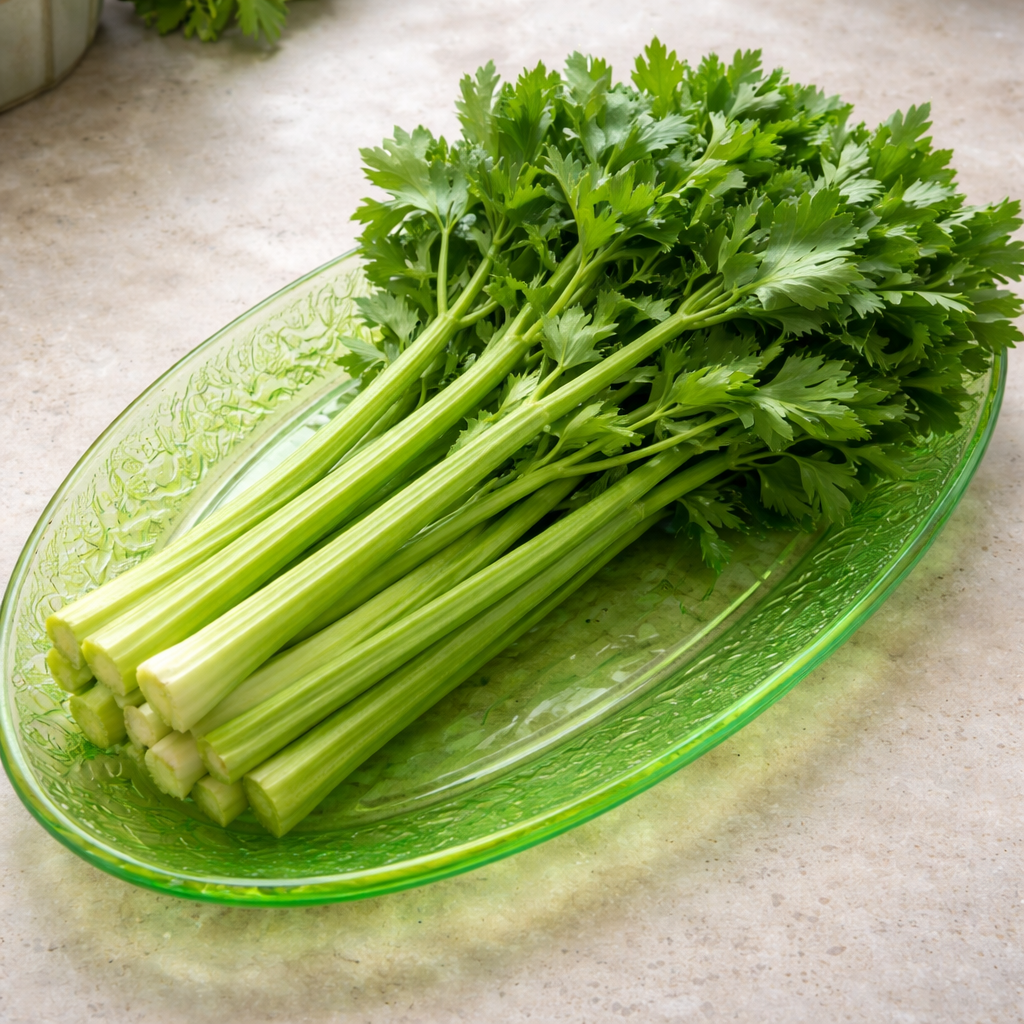
Organic D'Elne celery is a French heritage variety that combines elegance, vigor, and great utility in the vegetable garden. With its upright habit and vibrant green, thick, and crunchy stalks, it brings an orderly and generous presence to garden beds. Its sweet, slightly spicy flavor makes it particularly interesting in the kitchen, both for fresh salads and for comforting broths and soups. Well-suited to Quebec conditions, it proves robust and productive when given rich soil and consistent moisture. Its abundant, aromatic, dark green foliage further enhances its culinary appeal while giving the garden a dense and healthy appearance.
- Quantity
- Around 250 seeds
- Exposure
- Sun
- Life cycle
- Biennial
Discover the plant
Common nameCelery 'D'Elne'
FamilyApiaceae
GenusCelery
Speciesstrong-smelling
CultivarFrom Elne
TypeVegetable
Botanical nameApium graveolens
Reproducible seedsYes
Heirloom varietyYes
Celery D'Elne – Organic (Apium graveolens) , offered by Les Jardins de l'Écoumène
D'Elne celery is a French heritage variety, renowned for its robustness and its ability to adapt to the Quebec climate. With an average height of 45 cm, this upright celery produces bright green, thick and crunchy stalks. Its sweet, slightly spicy flavor makes it an ideal gourmet ingredient for dishes, salads, broths and soups. Precise and vigorous, D'Elne celery offers a generous harvest in only 85 days. Its dark green leaves, rich in nutrients, add a nutritious and tasty touch to your preparations.
Latin name : Apium graveolens
Maturity : 85 days
Germination : 14 to 21 days
Sowing temperature : 20 to 24°C
Plant height : 45 cm
Spread : 20 to 30 cm
Stem Color : Bright Green
Quantity per pack : Approximately 250 seeds
Formulation : Organic
Use : Vegetable garden, salads, broths, soups
Companion plants : Leeks, onions, spinach, cabbages, tomatoes
Enemy plants : Corn, potatoes
Cultivation method:
Sow seeds indoors 10 to 12 weeks before the last frost. Maintain a constant temperature of 20 to 24°C to promote optimum germination in 14 to 21 days. Once the seedlings are strong, transplant them into the ground after all risk of frost, spacing them 20 to 30 cm apart in the row, with 40 cm between rows.
Celery prefers organically rich, well-drained soil and regular watering to prevent the stalks from becoming fibrous. Mulch the soil to conserve moisture and reduce weeds. Harvest stalks as needed or wait until plants are fully mature for a full harvest.
A robust and tasty variety!
D'Elne celery is an essential choice for gardeners looking for a tasty and productive variety. Perfect for enriching your dishes or preparing nutritious broths, this heritage celery will add flavor and vitality to your harvests.

Sowing guide
It all startswith a seed.
Sowing depth
0.5 cm (0.2 in)
Germination temperature
20 to 24 °C (68 to 75 °F)
Germination time
14 to 21 days
Sowing period
March to April
Propagation
Sowing
Growing method
Recommended sowing period: March to April. The depth to respect is 0.5 cm (0.2 in). Emergence usually takes 14 to 21 days. For germination, maintain the soil temperature at 20 to 24 °C (68 to 75 °F). Start celery indoors, as its small seeds and slow initial development require attention. Spread the seeds on fine potting soil and maintain consistent moisture. Young plants need light as soon as they emerge. Transplant without burying their hearts, then gradually acclimate them before planting in sufficiently warmed soil. Celery reacts to periods of drought by slowing its growth and losing tenderness. Water consistently, without allowing the soil to become saturated. Mulch placed around the plants helps keep the soil cool. Remove damaged leaves and inspect the base of the petioles. Harvest outer stalks or the entire plant depending on the desired size. Leafy vegetables require harvesting adjusted to the type of plant. Outer picking preserves the heart when you want to continue production. Very old leaves do not offer the same tenderness as young shoots.
Soil and care
The right care,at the right time.
Care level
Regular during establishment, then adapted to growing conditions
Watering
Supported
Soil type
Prepare soil rich in organic matter and well-drained. Start celery indoors, as their small seeds and slow initial development require attention. Distribute seeds over fine potting mix and maintain consistent moisture. Young plants need light as soon as they sprout. Transplant without burying their heart, then gradually acclimate them before planting in sufficiently warmed soil.
Fertilization
Fertilization supports growth and takes into account nutrients already present in the soil or potting mix. Use mature compost or a fertilizer suitable for the crop, following the dosage instructions. Avoid using multiple products, especially in a container where roots occupy a limited volume. Water as needed after application and observe foliage development before re-fertilizing.
Moisture
Keep the soil moist during germination, without standing water; then adjust according to the crop.
Seasonal care
A stalk of Elne celery can be harvested by picking the outer stalks or by cutting the entire plant. Preserve the heart if you wish to prolong the harvest, and water regularly to support petiole formation. Start celery indoors, as its small seeds and slow initial development require attention. Distribute the seeds on fine potting soil and maintain consistent moisture. Young plants need light as soon as they emerge. Transplant without burying their heart, then gradually acclimate them before planting in sufficiently warmed soil. Celery reacts to periods of drought by slowing its growth and losing tenderness. Water consistently, without allowing the soil to become saturated. Mulch placed around the plants helps keep the soil cool. Remove damaged leaves and inspect the base of the petioles. Pick the outer stalks or harvest the entire plant depending on the desired size. Leafy vegetables require harvesting adjusted to the plant type. Picking the outer stalks preserves the heart when you want to continue production. Very old leaves do not offer the same tenderness as young shoots. Rinse the harvest just before use or dry it carefully before a short stay in the refrigerator. Its sweet, slightly spicy flavor makes it particularly interesting in cooking, both for fresh salads and for comforting broths and soups. This crop requires a little attention at first, but it generously rewards the gardener with a bountiful and flavorful harvest.
Container growing
A garden,within reach.
Suitable for containers
Yes
Recommended pot size
Punctured and stable container, wide enough for the plant to spread out and deep enough for the roots
Choose this exposure: sun. Reserve this spacing around the plant: 20 to 30 cm (8 to 12 in). Growing celery in containers requires a potting mix that retains moisture between waterings. Place the container in an accessible location, as a small, forgotten pot dries out quickly in summer. Keep the heart of the plant above the soil and leave space between plants. Water slowly until the entire root ball is moist, then allow the excess to drain. Organic D’Elne celery is a French heritage variety that combines elegance, vigor, and great utility in the vegetable garden. With its upright habit and vibrant green, thick, and crunchy stalks, it brings an orderly and generous presence to garden beds. Its sweet, slightly spicy flavor makes it particularly appealing in the kitchen, both for fresh salads and for comforting broths and soups. Well-suited to Quebec conditions, it proves robust and productive when given rich soil and consistent moisture. Its abundant, dark green, aromatic foliage further extends its culinary appeal while giving the garden a dense and healthy appearance. If a few plants are allowed to complete their cycle, their floral umbels attract numerous pollinators and beneficial insects, enhancing the biodiversity of the vegetable garden.

Bloom and dimensions
Its place,in your garden.
Mature height
45 cm (18 in)
Width / spread
20 to 30 cm (8 to 12 in)
Foliage type
Seasonal foliage
Bloom period
This plant normally flowers in a cycle later than that of the first vegetable harvest. For the production of leaves, bulbs, or roots, flowering is not the desired stage. Premature bolting can reduce the tenderness of the harvest. Keep plants intended for reproduction separate from harvested plants, and take into account the space occupied by their flower stalks.
Fruiting
Its sweet, slightly spicy flavor makes it particularly interesting in cooking, for fresh salads as well as comforting broths and soups. This crop requires a little attention at first, but it amply rewards the gardener with a generous and flavorful harvest. Leafy vegetables require harvesting adjusted to the type of plant. Outer leaves should be picked to preserve the heart when continued production is desired.
Harvest
85 days after sowing
Garden associations
In goodcompany.
Companion plants
In a diversified plantation, you can reserve neighboring sections for these plants: leek, onion, spinach, cabbage, tomato. The combination here serves to organize space and harvests. Respect each plant's height, light, and water needs, without crowding the foliage. Maintain a pathway for watering and harvesting, then remove finished crops to free up space. This organization facilitates maintenance without promising pest protection. Reserve a rich and easily irrigable section for celery.
Recipe idea
From the gardento your plate.
Edible parts
Petioles and leaves
Cooking idea with 'D'Elne' Celery: Stir-fried vegetables for four servings. Prepare 400g of the harvested part, one garlic clove, 15ml of oil, and 30ml of water. Cut the stalks, ribs, or firm parts into small pieces and set the leaves aside. Heat the oil, sauté the garlic without burning it, then add the firm pieces and water. Cover for a few minutes. Then add the leaves or tender parts and continue cooking until the desired texture is achieved. Season to taste and serve hot. Prepare the ingredients with clean utensils and adjust the cutting to the size of your harvest. This recipe highlights freshly picked parts: remove any damaged pieces before preparation. If you double the quantities, ensure there is enough space in the dish to mix or cook evenly. Promptly place leftovers in the refrigerator in a sealed container and consume within two days. For a meal for two, simply divide all quantities by two.
Frequently asked questions
Your questions,answered.
How to successfully sow 'D'Elne' Celery?
Recommended sowing period: March to April. Sow to a depth of 0.5 cm (0.2 in). Germination usually takes 14 to 21 days. For germination, maintain the soil at 20 to 24 °C (68 to 75 °F). Start celery indoors, as its small seeds and slow initial development require attention. Spread the seeds on fine potting soil and maintain consistent moisture. Young seedlings need light immediately after emergence. Transplant without burying the heart of the plant, then gradually acclimatize them before planting in sufficiently warmed soil. Celery reacts to periods of drought by slowing its growth and losing tenderness.
Can ‘D’Elne’ Celery be grown in a pot?
Choose this exposure: sun. Reserve this spread around the plant: 20 to 30 cm (8 to 12 in). Growing celery in containers requires a reserve of potting soil that retains moisture between waterings. Place the container in an accessible spot, as a small, forgotten pot dries out quickly in summer. Keep the heart above the potting soil and leave space between plants. Water slowly until the entire root ball is moist, then let the excess drain away. Organic D'Elne celery is a French heritage variety that combines elegance, vigor, and great utility in the vegetable garden. With its upright habit and vibrant green, thick, and crunchy stalks, it brings an orderly and generous presence to garden beds.
When to harvest ‘D’Elne’ Celery?
Its sweet, slightly spicy flavor makes it particularly interesting in the kitchen, as much for fresh salads as for comforting broths and soups. This crop requires a little attention at the start, but it richly rewards the gardener with a generous and flavorful harvest. Leafy greens require a harvest adjusted to the type of plant. Picking from the outside preserves the heart when you want to continue production. Very old leaves do not offer the same tenderness as young shoots. Rinse the harvest just before use or dry it carefully before a short stay in the refrigerator. Celery reacts to periods of drought by slowing its growth and losing tenderness.
How to enjoy 'Céleri DElne' in your garden?
An Elne celery stalk can be harvested by its outer ribs or by cutting the entire plant. Preserve the heart if you wish to prolong the harvest and water regularly to support petiole formation. Organic Elne celery is a heritage French variety that combines elegance, vigor, and great usefulness in the vegetable garden. With its upright habit and vibrant green, thick, and crunchy stems, it brings an orderly and generous presence to garden beds. Its sweet, slightly spicy flavor makes it particularly interesting in the kitchen, both for fresh salads and for comforting broths and soups. Well-suited to Quebec conditions, it proves robust and productive when it benefits from rich soil and consistent moisture.
How to organize a planting of 'D'Elne' Celery?
Reserve a rich and easily irrigable section for celery. The large petioles must remain accessible for a clean harvest. In a diversified bed, place lettuces or radishes at the edge, with enough distance so that the celery receives light. The regular water needs of this crop guide the choice of neighboring plants. Celery reacts to periods of drought by slowing its growth and losing tenderness. Water regularly, without letting the soil become saturated. Mulch around the plants helps keep the soil cool. Remove damaged leaves and inspect the base of the petioles.
For a great start to your seeds
The right extras.Right here.
Platters, pots and domes
Shop the collection
Seed Starting Soil
Shop the collectionSeed starting supplies
Shop the collection




