


Sale
Sold out

Aromatic perennial culinary herb
Lamiaceae
Organic perennial culinary herb seeds
Organic common Italian oregano
Origanum vulgare
Product code : BIOVO-0059
Common Italian oregano is an organic perennial herb valued for aromatic leaves and small summer flowers visited by pollinating insects. The packet information lists approximately 500 seeds and an 80-day planning reference. Because the seed is tiny, sow it on the surface, keep the medium lightly and consistently moist, and give seedlings strong light after emergence. Harden young plants gradually before setting them in full sun and light, sharply drained soil. Established clumps may reach approximately 30 to 90 cm (12 to 35 in) tall and spread as much as 60 cm (24 in), depending on conditions. Harvest leafy stems before or as flowering begins, while leaving some blossoms for insects. Good winter drainage is especially important in cold Canadian gardens.
- Quantity
- Approximately 500 organic seeds
- Exposure
- Sun
- Life cycle
- Perennial
- Hardiness
- Zone 4 to 8
Discover the plant
Common nameCommon Italian oregano, oregano
FamilyLamiaceae
GenusOriganum
Speciesvulgare
TypeAromatic perennial culinary herb
Botanical nameOriganum vulgare
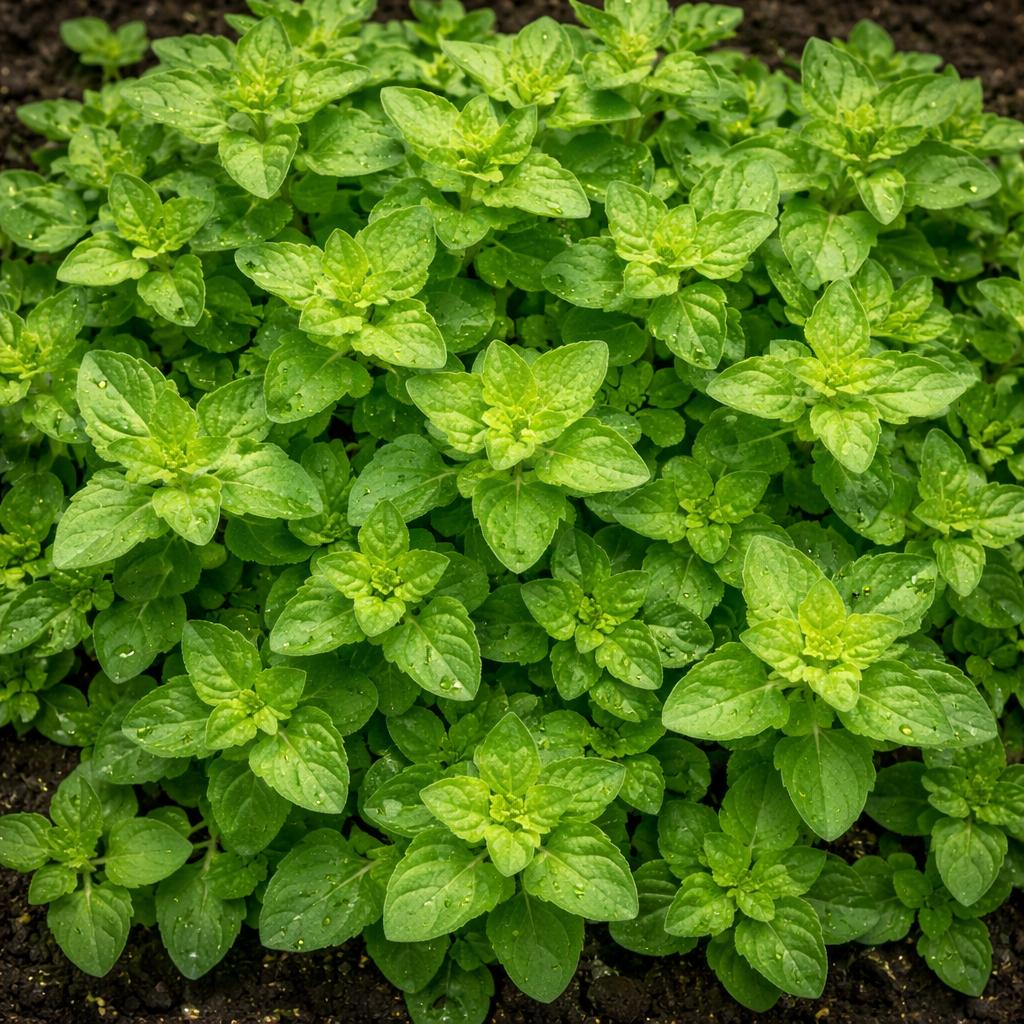
Organic common Italian oregano (Origanum vulgare) is a perennial culinary herb in the Lamiaceae family. This product contains approximately 500 organic seeds and lists an 80-day reference. Its aromatic green foliage flavours tomato sauces, pizza, roasted vegetables, marinades, and herb blends. The plant forms a branching clump that can reach approximately 30–90 cm tall and spread up to 60 cm depending on conditions. In summer, small pale flowers provide nectar and pollen for various visiting insects. It suits herb gardens, rock gardens, sunny borders, and well-drained containers. These oregano seeds are not presented as one documented named cultivar or subspecies.
Start seed indoors eight to ten weeks before the last frost. Place the tiny seeds on the surface of moist seed-starting mix, press them gently, and cover only minimally because light supports germination. Maintain approximately 18–21°C and consistent moisture without saturation; emergence generally takes seven to fourteen days. After germination, provide bright light and gentle airflow. Harden seedlings gradually, then plant outdoors after frost in full sun and light, very well-drained soil. Space plants 30–45 cm apart and water regularly during establishment. Once rooted, oregano tolerates short dry periods and performs best when the soil surface dries slightly between deep waterings.
Harvest lightly after plants are well established. For concentrated flavour, cut healthy stems immediately before or as flowering begins, in the morning after dew has dried. Leave approximately 5 cm of foliage above the base to support regrowth, and retain several flowering stems for pollinators. Use leaves fresh or dry small bundles in a shaded, well-ventilated place. This perennial is generally suitable for USDA Zones 4–8. In cold climates, reliable winter drainage is essential: prevent standing water around the crown and avoid thick mulch that traps moisture. Container-grown roots need added winter protection because they are more exposed to freezing temperatures.

Sowing guide
It all startswith a seed.
Sowing depth
Surface sow; do not cover the seed
Spacing / density
Space plants approximately 30–45 cm apart
Germination temperature
Approximately 18 to 21 °C (65 to 70 °F)
Germination time
Approximately 7 to 14 days
Sowing period
Indoors 8 to 10 weeks before last frost
Propagation
Seed, cuttings, and division
Growing method
Growing oregano from seed. Start Italian oregano indoors eight to ten weeks before last frost. Fill a tray with fine mix, moisten it, then place the tiny seeds on the surface. Press gently without covering because light supports emergence. Maintain 18 to 21°C and steady moisture without saturation; seedlings often appear after seven to fourteen days. Provide intense light and gentle airflow immediately. Thin or pot up when plants are easy to handle. Acclimate them gradually after frost, then set in full sun in light very well-drained soil 30 or 45 cm apart. Water until rooted, then space applications farther apart. Pinch tips to encourage branching. Begin with light harvests, then cut before or as flowering starts while leaving approximately 5 cm of foliage. After bloom, remove tired stems. Before winter, reduce watering, keep the crown clear, and verify that water never collects around roots. Label every plant clearly with Origanum vulgare and the sowing date so it remains easy to identify throughout the season. Inspect leaf undersides and the crown every week. Isolate plants showing substantial damage, clean tools after pruning, and never harvest diseased tissue. Avoid moving wet foliage between plants, and adjust drainage before trying stronger fertilizer on weak growth.
Soil and care
The right care,at the right time.
Soil pH
Neutral to slightly alkaline
Minimum temperature
Winter survival depends on excellent drainage, local climate and protective snow cover
Care level
Easy
Drought tolerance
Yes
Watering
Water seedlings and young plants regularly until roots establish without soaking the medium. Once the clump is established, water deeply but less often and allow the surface to dry slightly between applications. Check containers more often during hot weather and never leave water standing in the saucer. For best results, check the soil before watering and irrigate deeply rather than very frequently. Adjust for rainfall, wind, heat, and container size.
Soil type
Choose light loose lean to moderately fertile soil with excellent drainage. Gravelly or sandy soil amended with a modest amount of compost works well. In heavy ground, improve drainage or grow on a mound because standing water around the crown greatly increases the risk of rot and winter loss. Avoid compacted ground where water remains around the crown after rain. Avoid fresh manure and persistent soil saturation.
Fertilization
In spring, work a thin layer of mature compost around the plant without burying the crown. Additional feeding is rarely required in garden soil. In containers, use a low dose of balanced organic fertilizer only when needed. Avoid nitrogen-rich applications, which produce soft less aromatic stems that are more vulnerable to excess moisture. Before feeding again, check light, watering, drainage, and root space. Never place concentrated fertilizer against the crown.
Moisture
Oregano prefers moderate to low humidity around the foliage and soil that drains quickly. Space plants generously to maintain airflow, especially during rainy periods. Persistent humidity and a wet crown encourage disease, while slight drying between waterings is tolerated well after establishment.
Seasonal care
Seasonal care for oregano. In late winter, inspect seed, clean trays, and prepare complete botanical labels. In spring, surface-sow under light or gently remove dead tissue from an overwintered clump. Add a thin compost layer without covering the crown. After last frost, acclimate seedlings and place them in full sun. Maintain even moisture during rooting, then allow the surface to dry slightly. Pinch tips to support branching. In early summer, monitor aphids, mites, leaf spots, and rot in humid locations. Harvest before or as flowering begins with clean tools while leaving approximately 5 cm of leafy base. Retain some flowers for insects. After bloom, cut tired stems back and remove only diseased tissue. In fall, reduce watering, clear waterlogged debris, and check drainage. Shelter pots from repeated winter rain. During thaws, inspect the crown without disturbing frozen roots. Record germination, flowering, harvest, disease, and survival to adapt culture to the actual microclimate. Replace faded labels before winter so every plant remains correctly identified the following spring. In containers, rotate pots for balanced light and empty saucers after every watering. During rainy periods, inspect often enough to identify spotted foliage or a soft crown promptly. Dry harvest in small separate batches and verify condition before storage. The following spring, compare regrowth in garden and container plants before changing winter protection. Keep dated observations instead of generalizing from one season. Replace damaged mix only after checking whether poor drainage, excessive irrigation, or a blocked hole caused the problem.
Container growing
A garden,within reach.
Recommended pot size
At least 25 to 30 cm (10 to 12 in) wide and deep
Growing oregano in containers. Choose a pot at least 25 to 30 cm (10 to 12 in) wide and deep with several drainage holes. Use light potting mix amended with coarse mineral material and a modest amount of compost. Surface-sow or transplant an acclimated seedling without burying the crown. Place the container in full sun. Water deeply after planting, then wait until the surface begins drying before watering again. Always empty the saucer. Pinch tips to form a compact clump and rotate the pot regularly for balanced light. Feed very lightly only when growth pales. Harvest clean stems before or as flowering begins while leaving a leafy base. After heavy rain, verify that holes remain open. For winter, move the pot to a site sheltered from repeated rain and freeze-thaw cycles while retaining the cold required for dormancy. A container root ball cools faster than a garden plant, so insulate the sides without trapping water. Inspect the crown during thaws and remove only damaged tissue. The following spring, wait for visible regrowth before pruning heavily. Renew only part of the potting mix so every root is not disturbed at once, then record survival and vigour. Keep the botanical label secure, and separate this pot from marjoram or other oregano species when identities could be confused.

Bloom and dimensions
Its place,in your garden.
Mature height
30 to 90 cm (11.8 to 35.4 in) depending on growing conditions
Width / spread
Up to approximately 60 cm (23.6 in)
Flower color
White to pale pink
Foliage color
Medium to dark green
Foliage type
Evergreen to semi-evergreen depending on winter
Growth rate
Moderate
Growth habit
Bushy, branching, and slightly spreading
Fragrance
Warm, strong, peppery, and Mediterranean
Bloom period
Small white, pink, or purple flowers cluster on stems from late spring into summer depending on climate. For continued foliage, shear regularly before full bloom. To support pollinators or collect seed, leave several stems intact. Exact timing varies with sowing date, light, water, temperature, and local growing conditions. Keep the flower display well ventilated during humid weather. Avoid treating open flowers while insects are active, and retain several clusters until they fade naturally.
Fruiting
After flowering and pollination, oregano gradually forms seeds. If foliage is the main harvest, remove some faded stems to encourage fresh growth. To observe maturation or collect seed where permitted, allow a few healthy plants to complete their cycle until the flower clusters have dried. Reduce foliage harvesting on those plants so they can direct sufficient energy toward seed development.
Days to maturity
Approximately 80 days
Harvest
Harvest lightly once plants are well established. For concentrated aroma, cut clean stems immediately before or as flowering begins, in the morning after dew dries. Leave enough basal foliage to support regrowth. Use fresh or dry in small bundles in a shaded, ventilated place. The 80-day reference comes directly from the product information.
Garden associations
In goodcompany.
Companion plants
No specific companion plant is confirmed for this product. Oregano can nevertheless grow near other herbs and vegetables that prefer full sun and well-drained soil when every species receives suitable care. Preserve enough spacing for airflow and prevent taller plants from removing its light. Companion planting does not replace crop rotation, weeding, regular inspection, or accurate identification of a pest or disease. Observe the results in your own garden because plant interactions vary with soil, weather, spacing, and layout. Choose neighbours by compatible growing needs rather than expecting a particular protective effect.
Recipe idea
From the gardento your plate.
Edible parts
Leaves, tender stems, and flowers
Oregano in the kitchen. Quick Italian oregano tomato sauce — Warm one tablespoon oil in a clean saucepan. Add one small minced garlic clove and cook gently without browning it. Pour in 400 ml crushed tomatoes, then add one teaspoon finely chopped fresh leaves or one-half teaspoon correctly dried oregano. Simmer for fifteen to twenty minutes while stirring. Taste before adding more herb because dried oregano may be concentrated. Add salt according to the intended dish. Use only a correctly identified plant grown for food. Rinse fresh foliage immediately before chopping and remove every spotted, mouldy, or contaminated leaf. Serve the sauce hot with pasta, vegetables, or homemade pizza. Refrigerate leftovers within two hours and use promptly. This recipe describes culinary use without a medical claim. When sharing the sauce, check sensitivities to garlic and other ingredients, then label the container clearly with its preparation date. Reheat leftovers thoroughly and discard any portion with an unusual odour, visible spoilage, or uncertain storage history.
Frequently asked questions
Your questions,answered.
Why should Italian oregano seed be surface-sown?
Oregano seeds are very small and light supports germination. Fill a tray with fine mix, level it, and moisten before sowing. Place seed on the surface, then press gently to ensure contact without burying it. Maintain 18 to 21°C and prevent surface drying while avoiding saturation. A dome may retain moisture initially, but ventilate it and remove it after emergence. Seedlings often appear in seven to fourteen days. Provide intense light and gentle airflow afterward. When seed is covered deeply, it may receive insufficient light or exhaust reserves before reaching the surface. Label the tray at sowing to preserve botanical identity. Thin crowded seedlings with clean tools rather than pulling repeatedly through delicate roots, and improve light before adding fertilizer when growth stretches.
When and how should Italian oregano be harvested?
Begin with light cuts after the plant is well rooted. For concentrated flavour, harvest healthy stems immediately before or as flowering begins, in the morning after dew dries. Use clean scissors and leave approximately 5 cm of foliage above the base to support regrowth. Do not strip the entire clump, and avoid severe cutting late in fall. Move stems into shade immediately. Use them fresh or dry them as small bundles or in a thin layer in a dry, ventilated place. Store leaves only when they are crisp and discard any harvest showing condensation, mould, or unusual odour. Retain some flowering stems for visiting insects.
How should Italian oregano be protected during a Canada winter?
Drainage is the priority. Place the clump in light raised or gravelly soil where water cannot remain around the crown. In fall, stop rich feeding, reduce irrigation, and remove waterlogged debris without pulling healthy tissue. Light cover may limit temperature swings, but it must not trap moisture. Move pots to a site sheltered from repeated rain and freeze-thaw cycles; insulate the sides while keeping holes open. Zone 4 is a general reference that can vary among microclimates. In spring, wait for expected regrowth before concluding that a plant was lost, then remove dead stems gradually with a clean tool. Record location, snow cover, drainage, and survival so protection can be adjusted using evidence from the actual garden.
Is this oregano a Greek cultivar or a marjoram?
No. This product is presented as common Italian oregano in the species Origanum vulgare. No named cultivar, Greek subspecies, or marjoram hybrid is assigned. Grow it as a perennial oregano that prefers full sun and reliable drainage. Aroma and habit may vary slightly among plants because the seeds are not associated with a documented named cultivar. Keep a botanical label beside the sowing so it is not confused with sweet marjoram or other oregano types. Mature size, vigour, and flowering time also vary with soil, light, moisture, and climate. Taste a correctly identified leaf before using a large quantity, then adjust culinary amounts according to its actual intensity.
How should Italian oregano be stored after harvest?
For fresh use, refrigerate clean stems in a ventilated container and use them promptly. For drying, harvest before or as flowering begins, then hang small bundles or spread leaves in a thin shaded layer. Provide good airflow and avoid strong heat, which may reduce aromatic quality. Store only when leaves are completely crisp. Use a clean dry opaque container and record the date and botanical identity. Check after several days that no condensation has formed. Discard every batch showing mould, soft texture, insects, or unusual odour. Keep new batches separate from older ones to simplify inspection and rotation. Crush dried leaves only when needed to retain aroma, and never mix a questionable batch into sound material.
Wildlife and pets
Life,around your plants.
Supporting wildlife
Small flowers provide nectar and pollen for bees, butterflies, moths, and other visiting insects. Activity varies with region, season, weather, and surrounding habitat. Leave several stems in bloom and avoid treating open flowers while pollinators are active. Their presence is never constant, so preserve flowers throughout the main blooming period.
For a great start to your seeds
The right extras.Right here.
Seed Starting Soil
Shop the collectionSeed starting supplies
Shop the collection





