Sale
Sold out

Rhizomatous stinging herbaceous perennial
Urticaceae
Organic useful perennial seeds
Organic stinging nettle
Urtica dioica
Organic stinging nettle, Urtica dioica, is a vigorous rhizomatous perennial in the Urticaceae family. This product contains approximately 200 organic seeds; available information lists five seeds per hole, 30.5 cm between plants, 45.7 cm between rows, and a reference germination rate of 90%. Wear thick gloves and long sleeves because the leaves and stems sting. Surface-sow in moist medium, then grow in sun or partial shade in rich, moist soil. Reserve a physically bounded location away from paths. Correctly identified young shoots must be thoroughly cooked, blanched, or completely dried before consumption. Both rhizomes and seed can spread beyond the intended planting area.
- Quantity
- Approximately 200 organic seeds
- Exposure
- Sun to partial shade
- Life cycle
- Perennial
- Hardiness
- Zone 2 to 10
Discover the plant
Common nameStinging nettle, common nettle
FamilyUrticaceae
GenusUrtica
Speciesdioica
TypeRhizomatous stinging herbaceous perennial
Botanical nameUrtica dioica
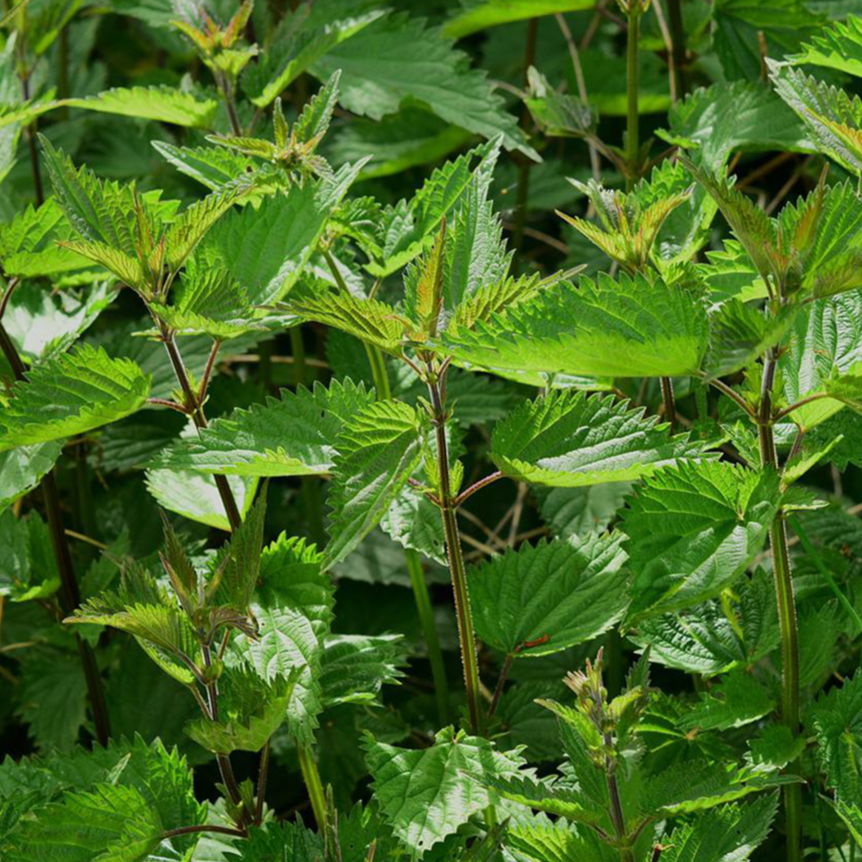
Organic stinging nettle (Urtica dioica) is a vigorous rhizomatous perennial in the Urticaceae family. This product contains approximately 200 organic seeds and lists a reference germination rate of 90%. Serrated leaves and stems carry stinging hairs, so always wear thick gloves, long sleeves, and suitable protection during growing and harvesting. The plant forms colonies quickly in rich, moist soil. Small greenish wind-pollinated flowers appear during the warm season. Reserve a clearly bounded location away from paths, children, and pets. A large, clearly labelled container can simplify root control while keeping the plant separate from busy garden areas.
Start seed indoors in late winter or spring, or sow outdoors in fall for natural cold exposure. Stratification recommendations vary; a cautious method is to keep seed in slightly moist medium in a refrigerator for approximately four weeks. Then surface-sow about five seeds per hole and press them gently without burying them. Maintain 15–20°C, regular light, and consistent moisture. Transplant with gloves, then grow in sun or partial shade in rich, moist, well-drained soil. Leave 30.5 cm between plants and 45.7 cm between rows. Water regularly during establishment and inspect the physical boundary throughout the growing season.
Harvest only correctly identified young leaves and tips before or as flowering begins, using gloves and clean scissors. Avoid roadsides, contaminated soil, treated areas, and plants soiled by animals. Never taste raw nettle: thorough cooking, blanching, or complete drying is required to disable the stinging hairs. Cut stems before seed forms to limit dispersal, and completely remove rhizomes that cross the boundary. Correctly identified young shoots can be used in cooking after full preparation, without assigning medicinal benefits or therapeutic doses. Refrigerate cooked food promptly and discard any harvest with uncertain identity, contamination, mould, or inadequate preparation.

Sowing guide
It all startswith a seed.
Sowing depth
Surface-sow; press without burying
Spacing / density
5 seeds per hole; 30.5 cm between plants; 45.7 cm between rows
Germination temperature
Approximately 15 to 20°C after optional stratification
Germination time
Variable; often approximately 10 to 21 days after favourable conditions
Sowing period
Indoors in late winter or spring; outdoors in fall or spring
Propagation
Seed and controlled rhizome division
Cold stratification
Yes
Growing method
For more consistent emergence, mix seed with a little moist medium, refrigerate for approximately four weeks, then surface-sow. Recommendations differ among lots, so retain a small unstratified comparison group if desired. Press seed without covering, maintain 15 to 20°C, and keep moisture steady. Provide abundant light after emergence. Pot up with gloves once seedlings are sturdy, then acclimate after frost. Place in sun or partial shade in a rich moist well-drained physically bounded area, 45 or 60 cm apart. Water until rooted. Begin with light harvests using clean scissors. Cut before seed to limit dispersal and remove escaped rhizomes completely. Never place the crop beside a narrow path or play area. Mark boundaries clearly in fall. The following spring, wait for regrowth, clear dead stems with protection, and record which stratification method actually worked for this harvest. Keep every tray clearly labelled and away from busy areas during the trial. Inspect trays daily without disturbing the surface. When algae or mould appears, increase airflow gently instead of letting seed dry abruptly. After potting up, keep every plant labelled and share no division without warning about stinging hairs and rhizomes. Quarantine new pots from busy areas until their boundaries, drainage, and warning labels have been checked.
Soil and care
The right care,at the right time.
Soil pH
Slightly acidic to neutral
Minimum temperature
Approximately −46°C as a zone 2 reference, without a guarantee for this lot
Care level
Moderate
Watering
Keep the medium evenly moist during germination and rooting without standing water. Once the colony is established, water deeply as the surface begins drying. Containers require frequent checks during hot weather. Irrigate at soil level to limit wet foliage and always empty saucers. Mulch lightly to slow drying without burying young crowns or keeping stems constantly wet. Check the boundary and remove escaped shoots whenever watering or adjusting irrigation.
Soil type
Choose deep organic-rich moist well-drained soil. Nettle tolerates several textures but grows vigorously in fertile ground that retains moisture without remaining continuously flooded. Avoid contaminated or treated soil when foliage may be used in cooking. A physical edge simplifies rhizome control. Add mature compost when soil is poor, and avoid compacted ground or standing water around the rhizomes. Check the physical boundary whenever the soil is cultivated or amended.
Fertilization
Add mature compost in spring when soil is poor, then observe growth before adding anything else. In naturally rich ground, strong feeding is unnecessary. In containers, a low dose of balanced organic fertilizer may support regrowth. Avoid excess nitrogen, which accelerates already vigorous spread. Before adding fertilizer, check moisture, light, drainage, and root space. Inspect the boundary before feeding because rich conditions can accelerate spreading growth.
Moisture
Nettle prefers steady root-zone moisture and tolerates occasionally wet soil, but persistent flooding may weaken plants. Space and cut the colony to maintain airflow. Prolonged drought toughens foliage and reduces the quality of young shoots.
Seasonal care
In late winter, inspect formats and pots, then prepare labels mentioning the stinging hairs. In spring, stratify when needed, surface-sow, or wait for an established colony to resume before clearing it. Wear gloves and long sleeves when removing dead stems. Add compost when soil is poor and repair barriers before rapid growth. Acclimate seedlings after frost. During rooting, keep soil moist. In early summer, harvest young healthy shoots lightly with clean tools, then prepare them thoroughly. Monitor aphids, caterpillars, leaf spots, and physical damage without automatically removing every associated insect. Before seed forms, choose stems retained for biodiversity and cut the others. In midsummer, inspect rhizomes around every boundary. In fall, reduce the colony, collect unwanted seed, and mark active zones. Clean tools and clothing after work. In winter, do not disturb frozen soil. Record germination, harvest, spread, accidental contact, and survival to improve safety and control next season. Check warning labels after storms and replace them whenever text becomes difficult to read. For container plants, rotate pots for balanced light and empty saucers after every watering. During very hot periods, check moisture daily without touching foliage. After a substantial cut, observe regrowth before adding fertilizer. When a visitor or animal can reach the area, repair damaged fencing or signs immediately. The following spring, compare spread with the previous year’s notes and reduce the colony before new rhizomes reach boundaries. Keep culinary harvest separate from stems removed solely for control, and wash protective clothing before ordinary garden work.
Container growing
A garden,within reach.
Recommended pot size
At least 40 to 50 cm (16 to 20 in) wide and deep
Use a sturdy container at least 40 to 50 cm (16 to 20 in) wide and deep with many drainage holes. Fill it with rich moist well-drained mix and mature compost. Surface-sow or place one young plant in the centre without burying the crown. Set the pot in sun or partial shade away from doors, play areas, and narrow paths. Water deeply, then maintain steady moisture without leaving water in the saucer. Wear gloves for every intervention. Cut stems before seed forms when limiting dispersal. Inspect drainage holes often and remove every rhizome that emerges. Harvest only healthy young tissue with clean tools. Renew part of the mix in spring when roots become crowded. For winter, place the container in a sheltered stable site; nettle is hardy, but an exposed root ball experiences more freeze-thaw cycles. Retain a durable label carrying the botanical name and stinging warning. Do not share divisions without explaining containment and handling requirements. After every heavy rain, check drainage and the saucer. Thin crowded stems to maintain airflow, then dispose of residues without placing them where they might reroot. Keep a dedicated pair of gloves beside the container and inspect nearby soil after moving the pot.
Bloom and dimensions
Its place,in your garden.
Mature height
90–275 cm depending on conditions
Width / spread
30–90 cm per plant; much wider colonies through rhizomes
Flower color
Green to greenish white
Foliage color
Medium to dark green
Foliage type
Deciduous
Growth rate
Fast
Growth habit
Upright, clump-forming, and rhizomatous
Fragrance
Herbaceous, not aromatic
Bloom period
Small greenish or whitish flowers appear in clusters at leaf axils and stem tips from spring into summer depending on climate. They are wind-pollinated and may produce abundant seed. To limit spread, cut most stems before seed matures while retaining a small portion as habitat when appropriate. Cut selected stems before seed matures when limiting self-sowing, while retaining some habitat in a controlled area.
Fruiting
After flowering and wind pollination, nettle gradually forms seeds. If young shoots are the main harvest, cut flowering stems before maturity to limit dispersal. To observe the full cycle or collect seed where permitted, retain only a few healthy plants inside a firmly bounded area. Continue monitoring rhizomes during this stage and prevent seed from reaching neighbouring beds or natural areas.
Harvest
Young leaves and tips before flowering, with gloves; thorough cooking or complete drying required

Garden associations
In goodcompany.
Companion plants
Fruit trees are sometimes suggested as neighbours for nettle. This association requires considerable caution because of vigorous rhizomes and stinging hairs. Keep nettle away from paths, protect tree roots, and use a physical boundary so it cannot colonize the area. Meet the light, water, and fertility needs of every plant. Companion planting does not replace inspection or control of spreading growth. Preserve enough access to harvest with protective clothing and promptly remove every shoot that crosses the intended boundary. Results can vary with soil and layout, and unrestricted nettle should never be allowed to establish around the base of a valuable tree.
Recipe idea
From the gardento your plate.
Edible parts
Young leaves and shoots after thorough cooking or complete drying
Simple young nettle soup — Wear gloves and harvest approximately four cups of correctly identified young leaves from a clean untreated site away from roads. Discard tough stems and every spotted, soiled, or infested leaf. Rinse thoroughly without direct contact. Soften one chopped onion in one tablespoon oil, add two diced potatoes and one litre stock, then simmer until tender. Add nettles and continue thorough cooking for at least ten minutes. Blend carefully until smooth, then season. Heat must completely disable the stinging hairs; never taste raw leaves. Serve hot and refrigerate leftovers within two hours. This recipe is a general culinary use without a medical claim. Anyone pregnant, taking medication, allergic, or uncertain about identification should obtain qualified guidance before consumption. Discard every harvest from a contaminated site or one with an undocumented history. Reheat leftovers thoroughly and reject any portion with an unusual odour or uncertain storage. Do not serve the dish when safe preparation or plant identity remains uncertain.
Frequently asked questions
Your questions,answered.
Should stinging nettle seed be stratified?
Recommendations are not uniform. One university guide advises stratification while other references indicate seed may germinate without strong dormancy. To reduce uncertainty, keep seed in slightly moist medium in a refrigerator for approximately four weeks, then surface-sow at 15 to 20°C. Retain a small unstratified group for comparison if desired. Press without covering, maintain even moisture, and provide light. Label both methods and record emergence for at least three weeks. The result describes your harvest, not every nettle seed. Do not discard trays outdoors while seed may still germinate; dispose of them in a controlled manner to prevent accidental colonization. Keep both groups clearly labelled until the comparison is complete.
How can stinging nettle be kept from spreading through the garden?
Choose a reserved area surrounded by an inspectable barrier or a large sturdy container from the beginning. Avoid open beds and locations near paths. Inspect the perimeter in spring, midsummer, and fall. When a shoot appears outside the boundary, expose soil with gloves and remove the complete rhizome instead of cutting only the stem. Cut some stems before seed forms and dispose of residues in a controlled manner. Check pot holes because rhizomes may emerge through them. Repeated mowing alone does not remove the underground network. Maintain warning labels and explain the crop to everyone using the garden. When a patch is no longer wanted, expect repeated inspections because fragments may regenerate and buried seed may persist.
When and how should nettle be harvested for cooking?
Harvest young leaves and tips before or as flowering begins, preferably in the morning after dew dries. Wear thick gloves and long sleeves, and use clean scissors. Choose only a correctly identified plant from an untreated site away from roads, contaminated soil, and animal soiling. Place shoots in a dedicated container without crushing them. In the kitchen, rinse with protection, then blanch, cook, or dry thoroughly to disable the stinging hairs. Never taste a raw leaf. Discard older, spotted, or infested foliage. Refrigerate portions intended for cooking promptly and make no medical claim from culinary use. Anyone with a health condition, allergy, pregnancy, or medication concern should seek qualified advice before consumption.
Is stinging nettle safe near children and animals?
No, not in a traffic or play area. Leaves and stems carry hairs that may cause painful contact irritation, and the plant can spread beyond its location. Place it in an inaccessible or clearly separated area away from doors, paths, play equipment, and spaces used by animals. Use a physical barrier, visible labels, and gloves for maintenance. Do not leave cut stems on the ground. If contact occurs, avoid rubbing the area and follow guidance from a health professional or veterinarian when the reaction is substantial, affects the eyes, or includes other symptoms. A substantial reaction, eye exposure, or additional symptoms requires professional guidance. Keep every visitor informed when access to the growing area cannot be completely restricted.
Can stinging nettle be used as a medicinal plant?
No medicinal use, dosage, therapeutic infusion, or treatment is recommended. Only cultivation and culinary use after certain identification and complete preparation are described. Nettle constituents, preparations, and possible interactions may vary. Anyone pregnant, breastfeeding, taking medication, living with illness, or prone to allergies should seek qualified guidance before any consumption beyond ordinary food use. Never replace prescribed treatment with a homemade preparation. Avoid plants from contaminated or treated soil. For cooking, wear gloves, use young healthy tissue, and disable the hairs completely through cooking, blanching, or drying. When botanical identity is uncertain, do not harvest. Keep culinary batches labelled and discard anything with mould, contamination, or an undocumented storage history.
Wildlife and pets
Life,around your plants.
Reported toxicity
Yes
Supporting wildlife
Stinging nettle is a larval host for several butterflies, including painted lady, eastern comma, mourning cloak, and question mark according to horticultural sources. Flowers are wind-pollinated rather than valued for nectar. Reserve several stems in an area away from traffic and control their spread throughout the active growing season.
For a great start to your seeds
The right extras.Right here.
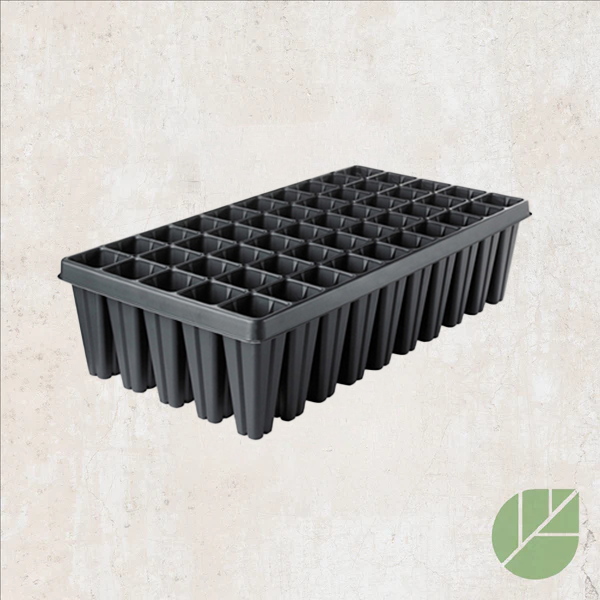
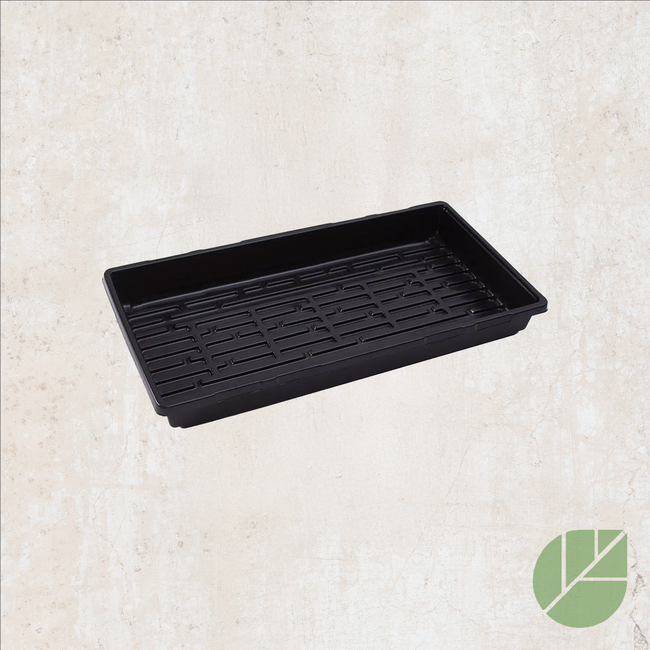
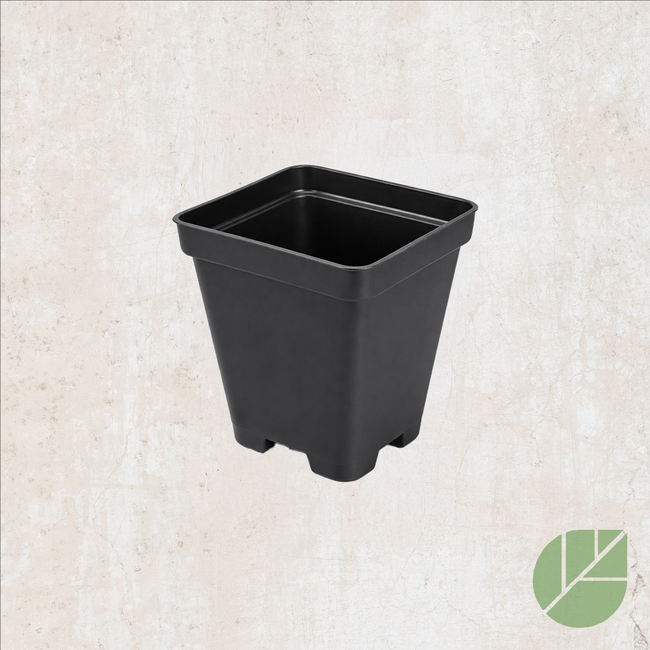
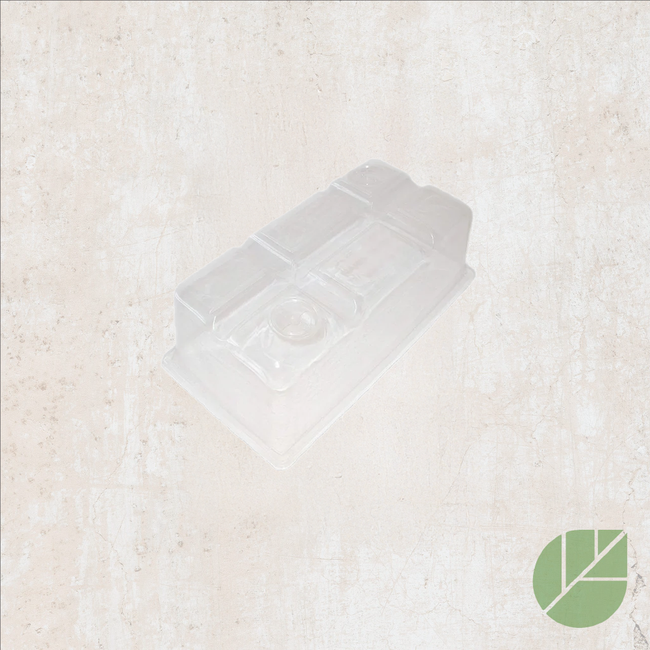
Platters, pots and domes
Shop the collection
Seed Starting Soil
Shop the collectionSeed starting supplies
Shop the collection