

Sale
Sold out

Open-pollinated seeds
Cucurbitaceae
cucumber
Cucamelon
Melothria scabra
Cucamelon is a cucumber variety for gardeners who want a clearly documented crop. It is especially notable for this feature: Small 3 cm cucumber with the appearance of a watermelon. The confirmed botanical name, Melothria scabra, supports accurate identification. The recommended exposure is full sun. Sow indoors 5 to 10 weeks before last frost. Sow 1cm deep. Allow 30 cm between plants. Harvest timing varies with weather and sowing date. Harvesting at the proper stage highlights its culinary qualities. These cucumber seeds suit garden projects in Quebec and across Canada. Store the packet in a dry place until sowing and adjust care to local weather.
- Quantity
- ±60 seeds
- Exposure
- Full sun
- Life cycle
- Annual
Discover the plant
Common namecucumber
FamilyCucurbitaceae
GenusMelothria
Speciesscabra
CultivarMouse Melon
TypeOpen-pollinated seeds
Botanical nameMelothria scabra
Reproducible seedsYes
Cucamelon Melothria scabra Cucamelon is a cucumber variety offered as seed for gardens in Quebec and across Canada. This variety is especially notable for the following characteristic: Small 3 cm cucumber with the appearance of a watermelon. Its confirmed botanical name is Melothria scabra, which helps gardeners identify the plant accurately. Development speed varies with warmth, light, soil quality, and sowing time. Final size depends on available space and consistent care. Suitable spacing promotes air movement around the foliage. This plant prefers full sun. Well drained and rich soil. Sow indoors 5 to 10 weeks before last frost.
The confirmed sowing depth is 1cm. The producer recommends 30 cm between plants. Stable warmth generally encourages more even emergence. Germination time can vary with substrate moisture and temperature. For best results, keep the growing medium lightly moist during germination without saturating it. Once plants are established, water as needed while considering rainfall, drainage, and heat. Regular observation of the foliage makes it easier to adjust watering and care promptly. A light mulch can moderate moisture swings after plants are well established. Avoid persistent waterlogging, which reduces oxygen around the roots.
You can grow this variety beside plants with similar light and soil requirements. Harvesting at the right stage highlights the culinary qualities of this variety. Edible parts can be harvested at the recommended stage and prepared for the intended culinary use. These cucumber seeds offer a clearly presented option for planning a garden project suited to the season. Store the packet in a dry place and use the product-specific details to plan sowing. Gradual hardening off is recommended before outdoor planting when seedlings were started indoors. Watch young plants closely during windy, very hot, or unusually wet periods.

Sowing guide
It all startswith a seed.
Sowing depth
1cm
Spacing / density
30 cm
Sowing period
Sow indoors 5 to 10 weeks before last frost.
Propagation
Seed propagation
Growing method
Sow indoors 5 to 10 weeks before last frost. Sow 1cm deep. Allow 30 cm between plants. Stable warmth encourages more even emergence. Emergence time varies with warmth and substrate moisture. The recommended exposure is full sun. Well drained and rich soil. Keep the growing medium lightly moist during germination without leaving it waterlogged. After emergence, provide enough light to encourage compact, steady growth. Thin seedlings when needed so each plant has air, light, and root space. If sowing starts indoors, harden plants off gradually before outdoor planting. Water at soil level when the surface begins to dry, taking rainfall and heat into account. A light mulch can moderate moisture swings after plants are established. Check foliage regularly and remove only damaged growth. Harvest timing varies with weather and sowing date. Harvest at the recommended stage to enjoy the variety’s culinary quality. Results naturally vary with microclimate, sowing date, and consistency of care. Well-drained soil remains essential for healthy roots. Plant needs naturally change as growth progresses. This simple habit also supports consistent care. Steady care remains helpful throughout the season. Regular observation supports balanced plant growth. Consistent attention encourages the best results.
Soil and care
The right care,at the right time.
Care level
Moderate
Watering
During germination, keep the growing medium evenly moist without saturating it. After establishment, water when the soil surface begins to dry. Direct water to the root zone instead of wetting the foliage. Deep, less frequent watering generally encourages better rooting than repeated shallow applications. Reduce frequency after substantial rain and increase it during very hot or windy periods. Check containers more often because potting mix dries faster.
Soil type
Well drained and rich soil. A loose texture helps roots explore the soil and allows excess water to drain. Add mature compost when needed without making the soil overly rich or compact. Avoid locations where water remains on the surface after rain. Mulch applied after establishment can protect soil structure and reduce evaporation. In containers, use a quality potting mix with effective drainage.
Fertilization
Mature compost incorporated before planting provides a balanced foundation for growth. Use a fertilizer suited to this crop only when plant vigour or soil fertility justifies it. Follow the product label to avoid excessive salts and unbalanced growth. Container-grown plants may need more regular feeding because nutrients are depleted more quickly. Water after application when the fertilizer label recommends it. Observe foliage colour and vigour before adjusting feeding frequency.
Moisture
Consistent moisture without saturation
Seasonal care
At sowing time, prepare a clean, loose, lightly moist growing medium. Sow 1cm deep. Stable warmth encourages more even emergence. Emergence time varies with warmth and substrate moisture. After emergence, place seedlings under suitable light and check moisture daily. Thin crowded seedlings to reduce competition and improve airflow. Before outdoor planting, harden plants off gradually to sun, wind, and temperature changes. The recommended exposure is full sun. Well drained and rich soil. Allow 30 cm between plants. During growth, water at soil level according to the weather and remove only truly damaged leaves. A light mulch reduces evaporation and splashing after the soil warms. Monitor edible parts and begin harvesting at the recommended stage. Harvest timing varies with weather and sowing date. Regular picking may support the quality of later harvests while the plant continues producing. At season’s end, remove diseased residue and compost only healthy material. Clean containers and store remaining seeds in a cool, dry place. Care spread throughout the season supports attentive cultivation without unnecessary interventions. Plant needs naturally change as growth progresses. This simple habit also supports consistent care. Steady care remains helpful throughout the season. Regular observation supports balanced plant growth. Consistent attention encourages the best results. Local weather may still shift the schedule slightly. Each observation helps adjust care at the right time. Well-drained soil remains essential for healthy roots.
Bloom and dimensions
Its place,in your garden.
Growth habit
Climbing
Fruiting
Fruiting in Cucamelon begins after successful flowering and varies with weather. The recommended exposure is full sun. Even moisture helps limit abrupt growth changes while fruit develops. Water at soil level and avoid persistent waterlogging. Good airflow around foliage makes fruit easier to monitor. Harvest timing varies with weather and sowing date. Harvest at the colour, size, or firmness recommended for the variety.
Harvest
Harvest timing varies with weather and sowing date. Harvest Cucamelon when edible parts show the size, colour, or texture expected for the variety. Pick with clean hands and use a clean tool when stems resist. Regular harvesting often provides more consistent quality. Discard damaged portions and use the most delicate harvests promptly. Exact timing varies with heat, watering, and sowing date. Steady care remains helpful throughout the season.
Recipe idea
From the gardento your plate.
Edible parts
Ripe fruits
After harvest, gently clean the edible parts of Cucamelon and remove damaged material. Prepare only the parts identified as edible in this profile. For a simple preparation, cut the harvest into even pieces for consistent cooking. Serve it raw when the species is suitable, or cook it gently with a little oil and aromatics. Begin with light seasoning to preserve the variety’s own flavour. Then add fresh herbs, a touch of acidity, or a small amount of salt to suit the dish. Firmer harvests work well in sautés, soups, or oven dishes. Tender parts can be added to salads, garnishes, or quickly served preparations. Always follow preparation methods appropriate to the species, especially when certain parts should not be eaten raw. Refrigerate leftovers in a clean container and use them promptly to preserve quality. This flexible approach adapts to the amount harvested and ingredients already available. Steady care remains helpful throughout the season.
Frequently asked questions
Your questions,answered.
When should Cucamelon be sown?
Sow indoors 5 to 10 weeks before last frost. Sow 1cm deep. Stable warmth encourages more even emergence. Emergence time varies with warmth and substrate moisture. Keep the growing medium lightly moist until emergence without waterlogging it. If sowing starts indoors, give seedlings ample light and harden them off before outdoor planting. The exact date should reflect the last frost, soil temperature, and conditions at your site. Label the sowing with the variety name and date to track germination accurately. Regular observation supports balanced plant growth. Consistent attention encourages the best results. Local weather may still shift the schedule slightly.
Which exposure suits Cucamelon?
The recommended exposure is full sun. Place Cucamelon where this amount of light remains available through most of the growing period. A site that is too dark may stretch seedlings and slow development. In a very hot location, check soil moisture more frequently. Rotate containers when needed for more even exposure. Also consider shade cast by buildings and taller plants as the season progresses. Good airflow complements an appropriate light exposure. Consistent attention encourages the best results. Local weather may still shift the schedule slightly. Each observation helps adjust care at the right time. Well-drained soil remains essential for healthy roots.
How should Cucamelon be watered?
During germination, keep the growing medium evenly moist without saturating it. After Cucamelon is established, water when the soil surface begins to dry. Direct water toward the root zone instead of wetting foliage. Water more often during very hot or windy periods and reduce applications after substantial rain. In containers, check moisture daily when needed because potting mix dries faster. Always allow excess water to drain. Light mulch can help stabilize moisture after plants become established. Local weather may still shift the schedule slightly. Each observation helps adjust care at the right time. Well-drained soil remains essential for healthy roots.
Can Cucamelon be grown in a container?
Cucamelon can be grown in a container when pot size matches the plant’s expected development. Choose a stable container with drainage holes and fill it with quality potting mix. The recommended exposure is full sun. Check moisture more often than in the ground, especially in hot weather. Water slowly, then allow excess water to drain completely. A suitable fertilizer may help as potting-mix reserves decline. Provide support if the plant’s growth habit or crop load requires it. A sufficiently large pot reduces rapid moisture swings and supports steadier rooting. Each observation helps adjust care at the right time. Well-drained soil remains essential for healthy roots.
When is the best time to enjoy Cucamelon?
Harvest timing varies with weather and sowing date. Begin harvesting when edible parts reach the size, colour, or texture typical of the variety. Regular picking helps you enjoy harvests at their best stage. Observe the plant rather than relying only on the calendar because weather can advance or delay development. Discard damaged portions and keep only healthy harvests or flowers. Record important dates to plan the crop more accurately next season. Consistent care supports more even growth and better overall quality. Well-drained soil remains essential for healthy roots. Plant needs naturally change as growth progresses. This simple habit also supports consistent care.
For a great start to your seeds
The right extras.Right here.
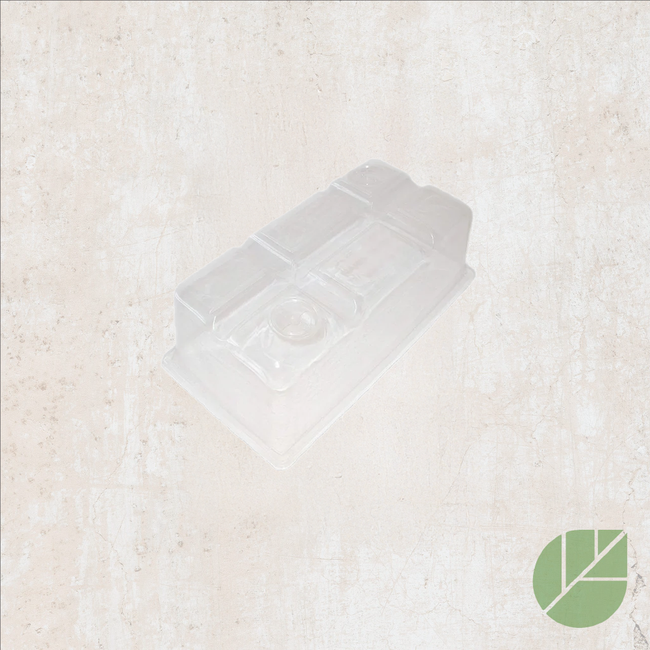
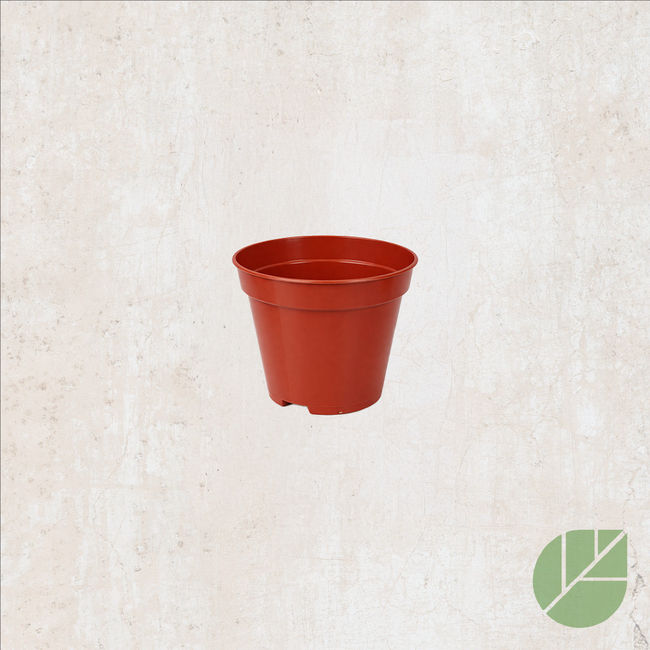
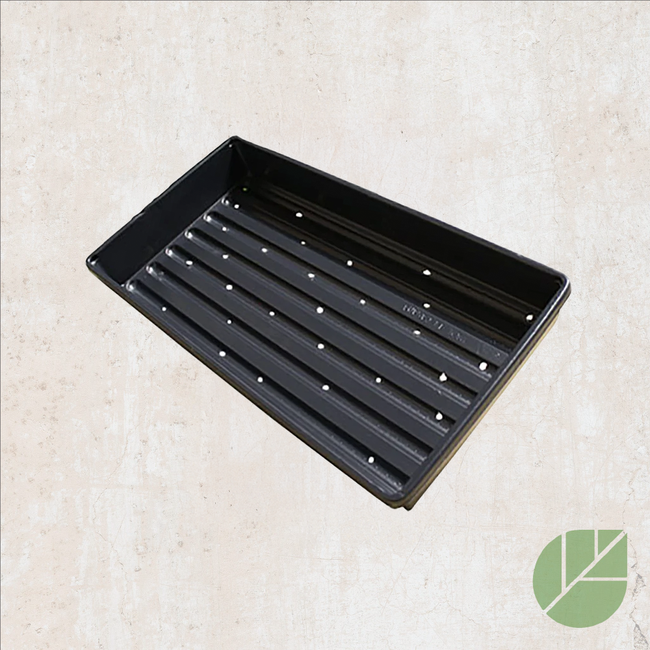
Platters, pots and domes
Shop the collection
Seed Starting Soil
Shop the collectionSeed starting supplies
Shop the collection




