Sale
Sold out

Open-pollinated seeds
Amaryllidaceae
vegetable
Scallion 'à Francine'
Allium fistulosum
Scallion 'à Francine' has the following characteristics: a perennial onion that does not form a bulb and resembles a leek. This plant belongs to the botanical family Amaryllidaceae. Its perennial life cycle lets you follow its growth over several seasons. The confirmed botanical name, Allium fistulosum, helps identify the plant precisely. The recommended exposure is full sun to partial shade. Sow the seeds directly outdoors after frost, or indoors 8 to 10 weeks beforehand. Sow the seeds at a depth of 3 mm (0.1 in) in the growing medium. Allow 15 cm (5.9 in) between plants. The harvest schedule varies with the weather and sowing date. Harvesting at the right stage lets you make full use of its culinary qualities.
- Quantity
- ±120 seeds
- Exposure
- Full sun to part shade
- Life cycle
- Perennial
Discover the plant
Common nameScallion
FamilyAmaryllidaceae
GenusAllium
Speciesfistulosum
Cultivarà Francine
TypeOpen-pollinated seeds
Botanical nameAllium fistulosum
Scallion 'à Francine' belongs to Allium fistulosum. A perennial onion that does not form a bulb and looks like a leek. Larger than green onions. It easily survives the winter. Harvest as needed starting in the 2nd year. Self-sown seedlings may appear around the plant. These characteristics help you choose its position in the garden and compare this selection with other cultivars in the same group. Plan its location around its growth, leaving enough room to observe and care for the plant. The sowing date, available light and warmth received then influence the pace of growth in Quebec.
Full sun or partial shade. Rich soil. Sow directly after frost, or start seeds indoors 8 to 10 weeks beforehand. Space 15 cm (5.9 in) apart. Sow the seeds at a depth of 3 mm (0.1 in). In Quebec, choose the sowing date according to soil conditions and local frost risks rather than using one date for the whole province. Prepare a fine soil surface and maintain consistent moisture until emergence without allowing water to stand. After germination, thin as needed to give young plants the intended spacing in the row.
Label the plant from sowing and choose the harvest stage that corresponds to its edible part. Leaves, fruit, seeds and underground parts are not prepared interchangeably. Keep a path for observing plant development and picking without damaging the stems. Use a clean tool, sort out damaged parts and prepare the harvest promptly. Follow the specific uses indicated for the species rather than inferring a recipe from its appearance alone. In Quebec, adjust harvest timing to the growth actually observed, the warmth received and the first cold nights. Keep these vegetable seeds dry until the next sowing.

Sowing guide
It all startswith a seed.
Sowing depth
3 mm (0.12 in)
Spacing / density
15 cm (5.9 in)
Sowing period
Direct sow after frost or start seeds indoors 8 to 10 weeks before.
Propagation
Seed sowing
Growing method
Scallion 'à Francine'. Before opening the packet, prepare the seed-starting supplies and this crop's future growing site. A clean surface, suitable soil and a label prevent unnecessary handling once the seeds are in place. Keep the packet dry so that the instructions specific to the seed lot remain available. A perennial onion that does not form a bulb and looks like a leek. Larger than green onions. It easily survives the winter. Harvest as needed starting in the 2nd year. This plant can produce seedlings of its own by self-seeding. It has always been grown by our neighbour Francine. Choose a location in full sun or partial shade. Prepare rich soil. Plan to sow directly after frost, or indoors 8 to 10 weeks beforehand. Allow a spacing of 15 cm (5.9 in) between plants. The stated sowing depth is 3 mm (0.1 in). Onions grown from seed need careful attention at the start. Keep the growing medium moist without saturating it, and provide light for the young leaves. When seedlings are started indoors, hardening off prepares the plants for planting out. The dates differ between bulb onions, green onions and the perennial species that are harvested a little at a time.
Soil and care
The right care,at the right time.
Care level
Moderate
Watering
Scallion 'à Francine'. Check moisture in the root zone before deciding whether to water. Rainfall, wind conditions and the exposure of the container all influence how frequently you need to provide water. Prepare rich soil. Onion roots need consistent moisture as they develop. Weed early to reduce competition around the plants. Water moderately at soil level and maintain good water drainage in areas with heavy soil.
Soil type
Scallion 'à Francine'. The soil must allow roots to receive water and then let excess water drain away. Prepare the soil without working it when it is waterlogged, and address compaction or standing water first. Prepare rich soil. Onion roots need consistent moisture as they develop. Weed early to reduce competition around the plants. Water moderately at soil level and maintain good water drainage in areas with heavy soil.
Fertilization
Scallion 'à Francine'. Adjust feeding to the actual fertility of the soil or the nutrients already in the growing mix. Soil that is already fertile does not automatically require another application. Follow the instructions provided for the fertilizer you have chosen, and avoid adding further fertilizer to a plant whose roots are already struggling because the soil drains poorly. Prepare rich soil. Onion roots need consistent moisture as they develop. Weed early to reduce competition around the plants.
Moisture
Even moisture without saturation
Seasonal care
Scallion 'à Francine'. Early in the growing period, check emergence and the condition of young roots before changing care. Carry out thinning, transplanting and the installation of supports while the plants are still at a stage that allows careful handling. Throughout the growing season, observe the plant after rainfall, during windy periods and following episodes of hot weather. Remove genuinely diseased parts and keep tools clean. At the end of the growing period, sort the debris, clean containers and store remaining seeds in a dry place. A perennial onion that does not form a bulb and looks like a leek. Larger than green onions. It easily survives the winter. Harvest as needed starting in the 2nd year. This plant can produce seedlings of its own by self-seeding. It has always been grown by our neighbour Francine. Choose a location in full sun or partial shade. Prepare rich soil. Plan to sow directly after frost, or indoors 8 to 10 weeks beforehand. Allow a spacing of 15 cm (5.9 in) between plants. The stated sowing depth is 3 mm (0.1 in). Onions grown from seed need careful attention at the start. Keep the growing medium moist without saturating it, and provide light for the young leaves. When seedlings are started indoors, hardening off prepares the plants for planting out. The dates differ between bulb onions, green onions and the perennial species that are harvested a little at a time.
Container growing
A garden,within reach.
Scallion 'à Francine'. When growing in a container, consider the available root space, the drainage and the access to light as a whole. Choose a stable pot with clear drainage holes and a growing mix intended for containers. A decorative planter without a drainage outlet should hold an inner pot with drainage holes. Keep the container accessible so that you can check the growing medium rather than watering without inspection. A perennial onion that does not form a bulb and looks like a leek. Larger than green onions. It easily survives the winter. Harvest as needed starting in the 2nd year. This plant can produce seedlings of its own by self-seeding. It has always been grown by our neighbour Francine. Choose a location in full sun or partial shade. Prepare rich soil. Plan to sow directly after frost, or indoors 8 to 10 weeks beforehand. Allow a spacing of 15 cm (5.9 in) between plants. The stated sowing depth is 3 mm (0.1 in). Not all onions are grown for the same part. A bunching type continues to provide a harvest of stems and leaves, while a bulb onion needs enough room to form the organ where it stores reserves.

Bloom and dimensions
Its place,in your garden.
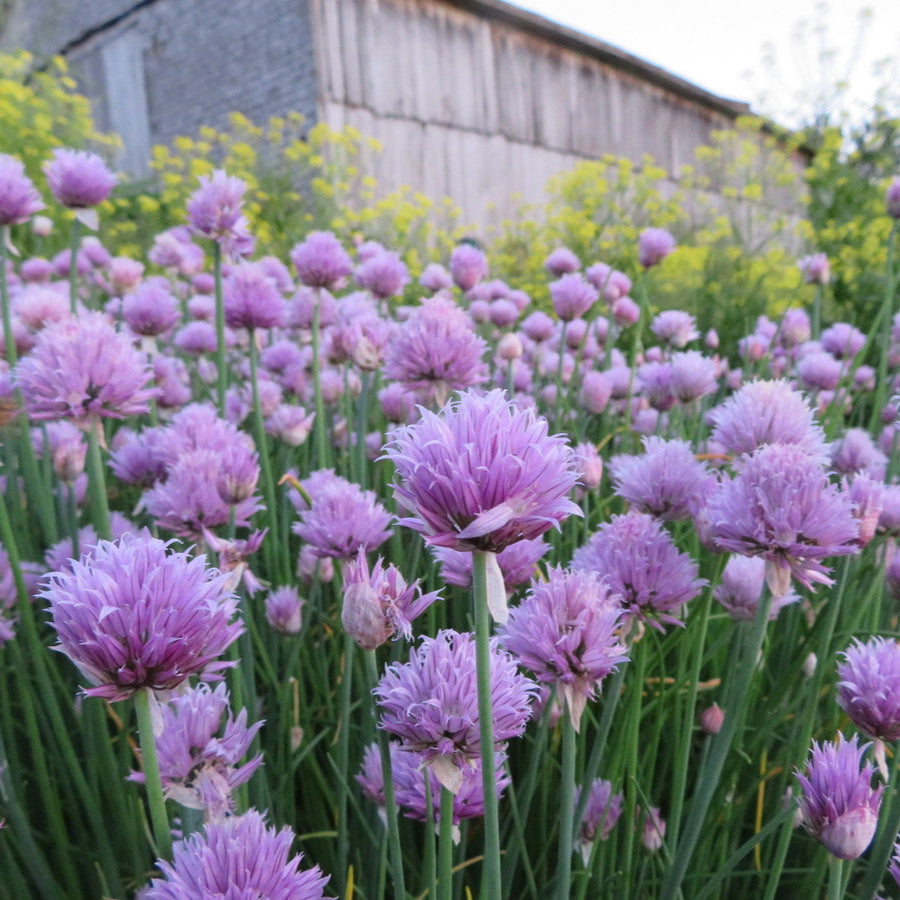
Harvest
The timing of the harvest varies with the weather conditions and the date on which the seeds were sown. Harvest Scallion 'à Francine' when the edible parts have the size, colour or texture expected for the variety. Harvest with clean hands and use a clean tool when stems resist. Harvesting regularly often helps you enjoy a crop with more consistent quality from one picking to the next. Discard damaged parts and promptly use the most delicate harvests.
Garden associations
In goodcompany.
Companion plants
Scallion 'à Francine'. Here, companion plants are chosen to share a growing site and simplify care. Position tall plants where they will not deprive their neighbours of the light they need. No arrangement of companion plants can, on its own, guarantee that the crop will be protected from pests. A perennial onion that does not form a bulb and looks like a leek. Larger than green onions. It easily survives the winter. Harvest as needed starting in the 2nd year. This plant can produce seedlings of its own by self-seeding. It has always been grown by our neighbour Francine.
Recipe idea
From the gardento your plate.
Edible parts
Leaves and tender stems
Scallion 'à Francine'. Prepare onions with seasonal vegetables. Wash the stems or trim the bulbs, then remove damaged parts. For a bunching onion, finely slice the tender portions and add them as a garnish just before serving. For a bulb onion, sauté thin slices in a little oil until they have become tender, then add vegetables that have been cut into evenly sized pieces. Gentle cooking lets you discover a flavour different from that of the raw bulb. The colours and pungency change according to the variety, so it is useful to taste the dish before adding any further seasoning. Damaged onions are intended for preparation soon after harvest; keep the bulbs that are healthy and well dried for storage when the cultivar is suited to this use. Refrigerate cooked leftovers. This recipe can be adapted with rice, legumes or root vegetables without requiring identical uses for green onions and bulbs. Harvest green onions as needed when their size suits cooking.
Frequently asked questions
Your questions,answered.
How do you start Scallion 'à Francine' from seed?
Scallion 'à Francine'. Prepare for sowing according to the instructions for the plant and seed lot. A label showing the name and date helps you track emergence without confusing cultivars. A perennial onion that does not form a bulb and looks like a leek. Larger than green onions. It easily survives the winter. Harvest as needed starting in the 2nd year. This plant can produce seedlings of its own by self-seeding. It has always been grown by our neighbour Francine. Choose a location in full sun or partial shade. Prepare rich soil. Plan to sow directly after frost, or indoors 8 to 10 weeks beforehand. Allow a spacing of 15 cm (5.9 in) between plants.
How much space should you allow for Scallion 'à Francine'?
Scallion 'à Francine'. The available space should match the plant's growth, light needs and the access required for care. Account for the shade cast by neighbouring plants once their foliage has developed. A perennial onion that does not form a bulb and looks like a leek. Larger than green onions. It easily survives the winter. Harvest as needed starting in the 2nd year. This plant can produce seedlings of its own by self-seeding. It has always been grown by our neighbour Francine. Not all onions are grown for the same part. A bunching type continues to provide a harvest of stems and leaves, while a bulb onion needs enough room to form the organ where it stores reserves.
How should you adjust watering for Scallion 'à Francine'?
Scallion 'à Francine'. Decide whether to water after checking moisture near the roots. The surface of the growing mix may look dry while the root ball remains moist. A perennial onion that does not form a bulb and looks like a leek. Larger than green onions. It easily survives the winter. Harvest as needed starting in the 2nd year. This plant can produce seedlings of its own by self-seeding. It has always been grown by our neighbour Francine. Onion roots need consistent moisture as they develop. Weed early to reduce competition around the plants. Water moderately at soil level and maintain good water drainage in areas with heavy soil.
What precautions should you take when growing Scallion 'à Francine' in a container?
Scallion 'à Francine'. Container growing requires a stable container with drainage and easy access for care. A planter should not remain saturated after rain or after every watering. A perennial onion that does not form a bulb and looks like a leek. Larger than green onions. It easily survives the winter. Harvest as needed starting in the 2nd year. This plant can produce seedlings of its own by self-seeding. It has always been grown by our neighbour Francine. Not all onions are grown for the same part. A bunching type continues to provide a harvest of stems and leaves, while a bulb onion needs enough room to form the organ where it stores reserves.
What signs should you look for when harvesting Scallion 'à Francine'?
Scallion 'à Francine'. Assess the right moment using the signs specific to the plant and its intended use. Follow several harvests or flowering periods to recognize the stage that suits your garden. A perennial onion that does not form a bulb and looks like a leek. Larger than green onions. It easily survives the winter. Harvest as needed starting in the 2nd year. This plant can produce seedlings of its own by self-seeding. It has always been grown by our neighbour Francine. Harvest green onions as needed when their size suits cooking. Bulb onions that are intended for storage are harvested when mature, then dried in conditions that allow air to circulate.
For a great start to your seeds
The right extras.Right here.
Seed Starting Soil
Shop the collectionSeed starting supplies
Shop the collection