Productive edible perennials for vegetable gardens

‘Jersey Giant’ asparagus

Asparagus officinalis ‘Jersey Giant’

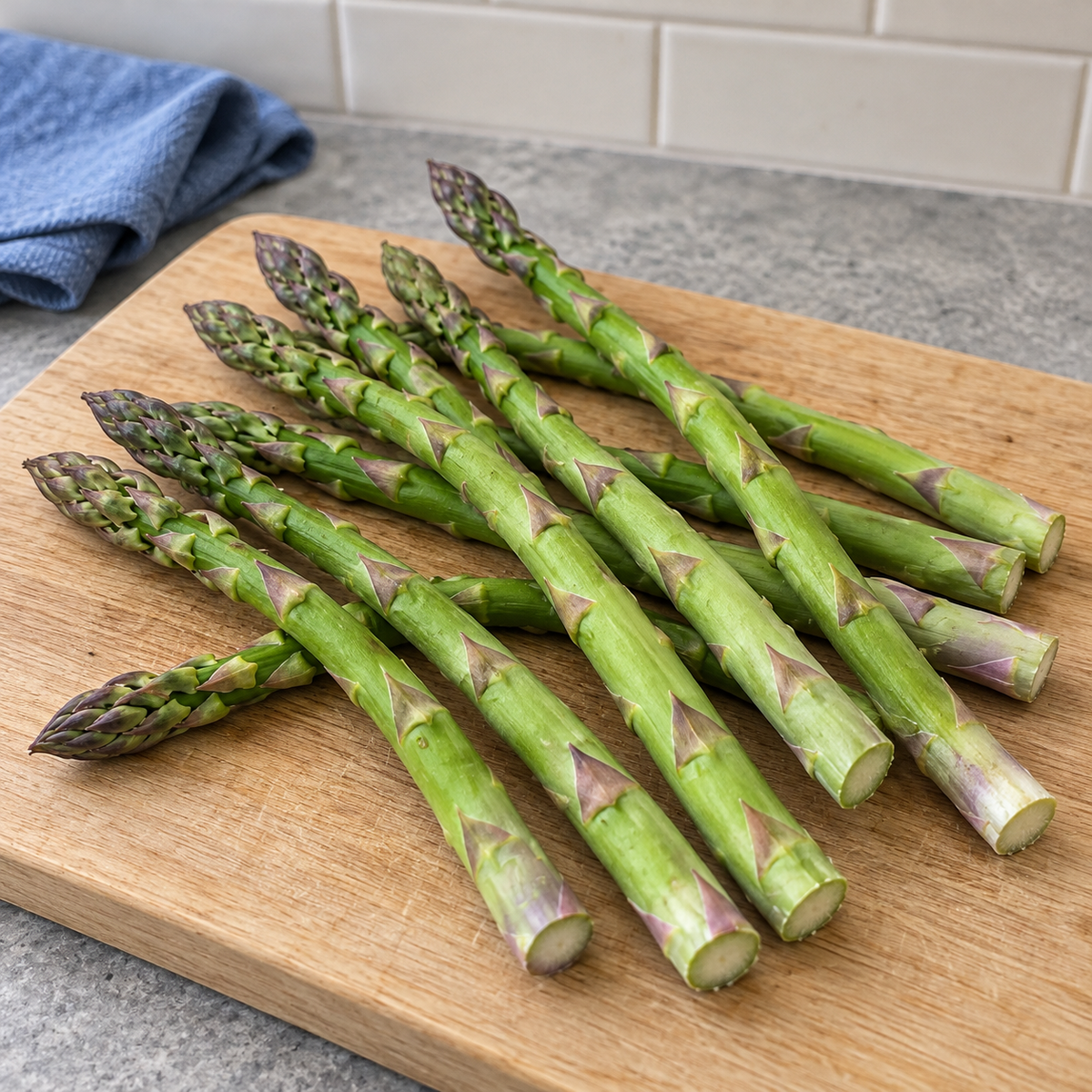
‘Jersey Giant’ is an all-male Rutgers hybrid that matures approximately seven to ten days earlier than several cultivars. It produces large uniform green spears with purple bracts and tight tips. The normal absence of berries lets plants direct more energy toward harvest. This vigorous hybrid resists rust and tolerates Fusarium without being immune to infested soil. In full sun, green fern growth reaches approximately 120 to 180 cm, and a properly maintained crown can crop for more than fifteen years. Consistent yield and large spear quality suit productive home gardens. For best results, keep the bed weed-free and allow green fern growth to feed the crown after harvest.

Title

Share

Planting essentials

Click a product to build your selection.

Your selection

Total

Exposure
Full sun
Life cycle
Perennial

Discover the plant

Common name‘Jersey Giant’ asparagus
FamilyAsparagaceae
GenusAsparagus
Speciesofficinalis
CultivarJersey Giant
TypeAll-male hybrid perennial vegetable
Botanical nameAsparagus officinalis ‘Jersey Giant’

‘Jersey Giant’ Asparagus (Asparagus officinalis ‘Jersey Giant’) is an all-male hybrid from the Rutgers breeding program in New Jersey. Approximately seven to ten days earlier than several cultivars, it produces large uniform green spears with purple bracts and tight tips. Male plants normally form no berries or seed and direct more energy toward the crop, explaining their higher yield compared with older mixed-sex varieties. ‘Jersey Giant’ also provides excellent vigour, rust resistance and tolerance to Fusarium wilt and crown or root rot. It was the first widely successful Rutgers all-male hybrid and became known for broad adaptation.

Choose a permanent full-sun site with deep, fertile, organic-rich and freely draining soil. A pH close to 6.5 to 7.0 is particularly suitable. Plant crowns in early spring in a trench, spacing them approximately 30 to 45 cm apart, and gradually fill the trench as shoots lengthen. Keep the bed free of weeds and water regularly during establishment and after harvest. Spring compost and balanced nutrition after harvest support long-term production. Avoid compacted, waterlogged ground because crown and root diseases can shorten the productive life of an asparagus planting.

Do not harvest any spears during the first year. In the second season, limit picking to one or two weeks; from the third year onward, extend the period gradually through mid-June. Harvest spears at approximately 15 to 25 cm tall before their tips open. Stop when most shoots become thinner than a pencil, then allow all fern growth to develop. After a hard frost, remove completely browned stems. Only young spears are intended for food. Despite Fusarium tolerance, avoid infested, saturated soil and excessive harvest periods that would weaken the crown. Prompt refrigeration preserves spear quality after picking.

‘Jersey Giant’ Asparagus (<em>Asparagus officinalis</em> ‘Jersey Giant’)

Planting guide

From planting to establishment.

Best planting time Early spring when soil can be worked
Propagation Crowns or vegetative propagation of the male hybrid
Growing method
Asparagus ‘Jersey Giant’: In spring after the thaw, or in early autumn, allowing the roots time to establish before the severe cold sets in. For ‘Jersey Giant’ asparagus, regularly check the soil around the root ball: it must remain moist. Water at the base when the surface begins to dry out and adjust watering according to rainfall; this exposure (sun) does not eliminate the need for water. Reserve a permanent spot for asparagus and do not harvest all shoots from a young plant that is still establishing itself.

Soil and care

The right care,at the right time.

Watering

Maintain consistent moisture during establishment, harvest and especially summer fern growth. Drought after harvest reduces stored energy, yield and spear size the following year. Water deeply rather than frequently at the surface and allow excess water to drain. Organic mulch limits evaporation and weeds but should not smother emerging spring shoots. Continue watering after picking ends because the green fern stage determines much of the next crop’s strength.

Soil type

‘Jersey Giant’ prefers deep, fertile, organic-rich and well-drained soil. Sandy loam or loose loam allows fleshy roots to spread without remaining saturated. Prepare the area before planting because the crown will stay in place for many years. Avoid compacted soil and wet depressions that encourage crown and root rots. Asparagus tolerates slight salinity better than many vegetables, but dependable drainage remains essential for long-term productivity.

Fertilization

In early spring, add mature compost and balanced fertilizer according to soil-test results before spears emerge. After the final June harvest, provide a second moderate application to support fern growth that recharges the crown. Avoid excessive rates and keep concentrated products away from young shoots. Proper nutrition supports more consistent spears, although water and weed control remain equally important. Stop late heavy feeding and let the foliage mature naturally before frost.

Seasonal care

In early spring, remove remaining debris before emergence and add compost or balanced fertilizer according to soil needs. Weed carefully because fleshy roots lie near the surface. During harvest, pick 15-to-25-cm spears while their tips remain tight. Harvest nothing in the first year and limit the second season to one or two weeks. For an older planting, extend picking gradually through mid-June, but stop when most spears become thinner than a pencil. After the final cut, fertilize moderately, water deeply and allow every new shoot to form tall green fern growth. Inspect for asparagus beetles, aphids, rust and signs of crown rot. During summer, support stems lightly if wind causes lodging. Never remove foliage while it is green because it feeds the crown. After a hard frost, wait until every stem is brown, cut close to the ground and remove debris from the bed to reduce overwintering pests. Renew mulch afterwards without burying the crown deeply. For best results, keep the bed weed-free and allow green fern growth to feed the crown after harvest. Consistent summer moisture supports stored energy and improves spear size during the following spring. This perennial crop deserves a permanent site because a well-maintained crown can produce for more than fifteen years. Remove only fully browned stems after frost to reduce pests without weakening the crown.

Container growing

A garden,within reach.

Recommended pot size

At least 75 litres and 50 to 60 cm deep
Permanent container culture is possible but less suitable than a deep garden bed. Choose a container holding at least 75 litres, preferably larger, approximately 50 to 60 cm deep with generous drainage holes. Use rich, stable and airy potting mix. Set one crown in the centre, cover it gradually and place the container in full sun. Check moisture frequently because large summer fern growth uses substantial water. Add compost in spring and balanced fertilizer after harvest. Pick nothing during the first year and remain very conservative in the second. Afterwards, allow green foliage to develop completely. Protect the container from repeated freezing and thawing without moving it into a warm room because cold dormancy remains necessary. Insulate the walls, preserve drainage and prevent standing water. Cut only fully browned stems after frost. Repot or divide when roots fill the container, recognizing that a disturbed crown may need one recovery season before normal harvest resumes. For best results, keep the bed weed-free and allow green fern growth to feed the crown after harvest. Consistent summer moisture supports stored energy and improves spear size during the following spring. This perennial crop deserves a permanent site because a well-maintained crown can produce for more than fifteen years.
‘Jersey Giant’ Asparagus (Asparagus officinalis ‘Jersey Giant’)

Bloom and dimensions

Its place,in your garden.

Foliage type

Deciduous, fine and feathery after harvest

Growth habit

Upright, then branching and feathery

Bloom period

After harvest, unpicked spears become branching stems carrying small yellow-green male flowers during June or July. ‘Jersey Giant’ is marketed as an all-male hybrid and normally produces no red berries or seed. This lack of fruit prevents volunteer seedlings and lets the plant direct more reserves toward crowns and future spears. Flowering is visually modest, while green fern growth becomes the primary summer feature. Allow that foliage to remain healthy until frost so the productive advantage is not lost through premature cutting.

Fruiting

No berries expected on this male hybrid

Harvest

Spring through mid-June on established crowns
‘Jersey Giant’ Asparagus (Asparagus officinalis ‘Jersey Giant’)

Garden associations

In goodcompany.

Companion plants

Pair ‘Jersey Giant’ with low plants that do not compete with its crown or require deep digging. Chives, parsley, calendulas, nasturtiums and selected spring lettuces can occupy row edges. Preserve a clear circle around every crown so emerging spears remain visible and easy to weed. Avoid shrubs, invasive perennials and root vegetables that require disturbing the soil. These pairings are based mainly on compatible space and care rather than guaranteed pest protection. Keep all companions low enough that air can circulate through summer fern growth.

From the gardento inspiration.

Rinse young spears, snap or trim the fibrous base and serve them raw, grilled, sautéed or steamed. Refrigerate promptly after harvest. Mature fern growth is not used as a vegetable.

Frequently asked questions

Your questions,answered.

Why does ‘Jersey Giant’ yield more than older cultivars?
‘Jersey Giant’ is an all-male hybrid. Male plants normally spend no energy forming berries or seed and direct more reserves toward spears and the crown. Older open-pollinated cultivars contain less productive female plants and may create seedlings that crowd the bed. University sources report that male hybrids can yield several times more than older mixed populations under comparable conditions. Actual production still depends on soil, water, crown age and a harvest period that ends before exhaustion. High-yield genetics cannot compensate for summer drought or premature fern removal. For best results, keep the bed weed-free and allow green fern growth to feed the crown after harvest.
Is Jersey Giant truly resistant to Fusarium?
‘Jersey Giant’ has strong vigour that provides tolerance to Fusarium wilt and crown or root rot. Tolerance is more accurate than immunity. The fungus can persist in soil for a very long time and may infect even vigorous cultivars under strong pressure. Choose a bed without a history of diseased asparagus, use healthy crowns, maintain effective drainage and avoid excessive harvesting. Preserving green fern growth, moisture and nutrition after harvest also reduces stress that encourages decline. Do not replant directly into a known infested bed simply because the cultivar is described as disease tolerant. For best results, keep the bed weed-free and allow green fern growth to feed the crown after harvest.
When can Jersey Giant first be harvested?
Harvest no spears during the planting year because the crown needs every stem to build roots and stored energy. In the second season, pick very lightly for one or two weeks when plants are vigorous. From the third year onward, extend harvest gradually through mid-June. A mature bed may crop for six to eight weeks according to strength. Stop when most spears become thinner than a pencil or production drops substantially, then allow every new shoot to develop green fern growth. This discipline maintains future yield. Early genetics do not justify harvesting a young crown before it is established. For best results, keep the bed weed-free and allow green fern growth to feed the crown after harvest.
Jersey Giant asparagus vs Mary Washington: what is the difference?
‘Jersey Giant’ is an early, uniform all-male hybrid that is generally much more productive. It normally forms no berries or seed, resists rust and has Fusarium tolerance. ‘Mary Washington’ is an open-pollinated heirloom containing male and female plants. It can produce berries, seed and volunteer seedlings, enabling seed saving but reducing average yield. Choose Jersey Giant for productivity, uniformity and a tidier bed; choose Mary Washington mainly for heritage value and reproducibility. Both still require a permanent full-sun site, deep well-drained soil and a conservative establishment harvest. For best results, keep the bed weed-free and allow green fern growth to feed the crown after harvest.
How can Jersey Giant keep producing large spears?
Prepare deep, fertile and freely draining soil and keep the bed weed-free. Water during summer growth because green foliage recharges the crown and determines next year’s spear size. Fertilize according to soil-test results in spring and after the final harvest. Pick nothing in the first year and remain very conservative in the second. Stop every season when spears become thinner. Leave all healthy fern growth until completely brown after frost. Excessive harvest, drought, competition and premature cutting quickly reduce diameter despite the hybrid’s genetic potential. Protect crowns from compaction by using permanent paths beside the row. For best results, keep the bed weed-free and allow green fern growth to feed the crown after harvest.

Wildlife and pets

Life,around your plants.

Reported toxicity

Yes