Sale
Sold out

Perennial vegetable
Asparagaceae
Edible perennials for vegetable gardens
‘Purple Passion’ asparagus
Asparagus officinalis ‘Purple Passion’
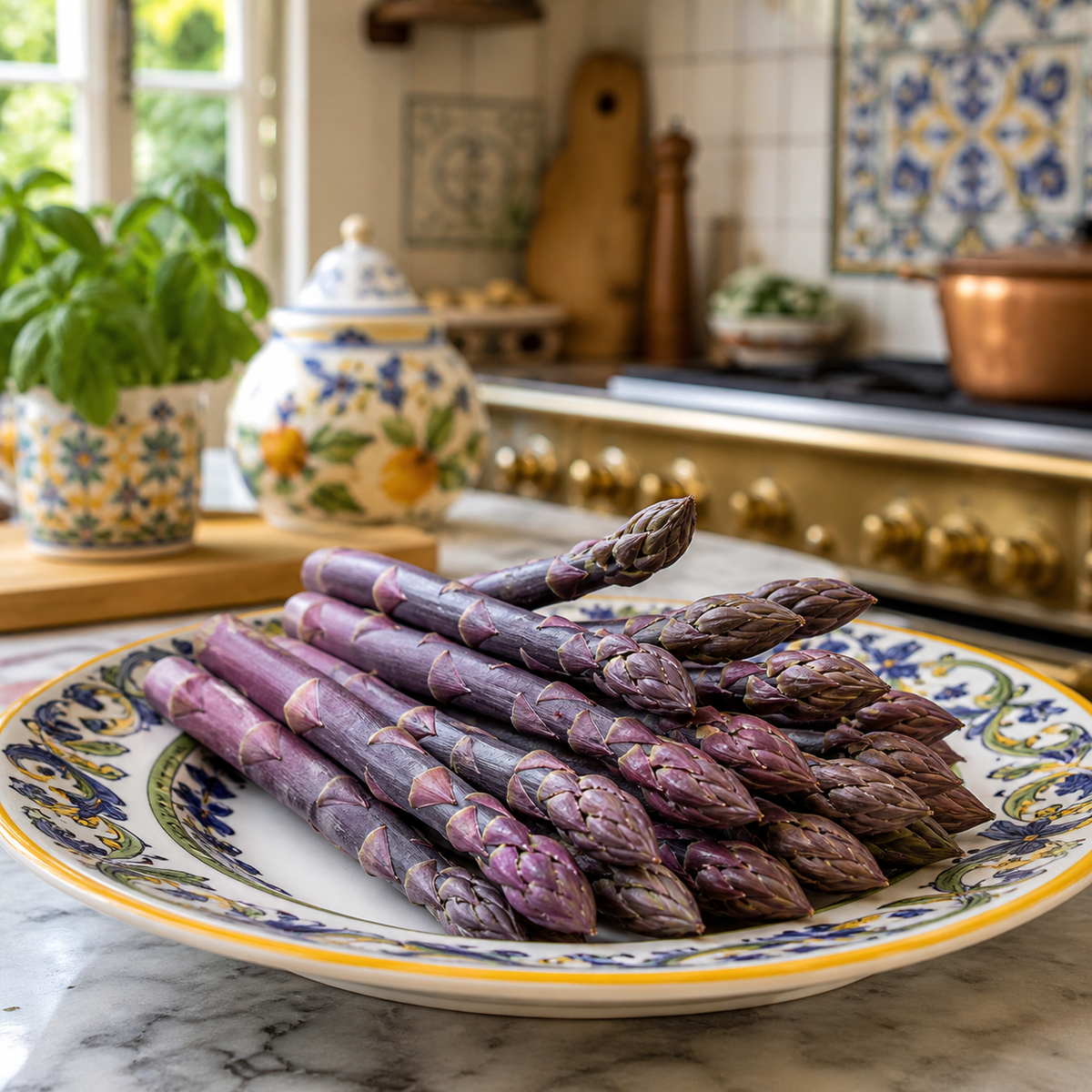
‘Purple Passion’ asparagus produces large burgundy-to-purple spears with creamy green interiors, valued for tenderness and a sweeter flavour than many green asparagus cultivars. Colour remains strongest raw or lightly cooked and turns green with prolonged heat. After harvest, shoots form fine, feathery green fern growth that rebuilds crown reserves. This full-sun perennial reaches approximately 90 to 150 cm in summer and can crop for more than fifteen years in deep, fertile, moist and well-drained soil. Young plantings require patience before regular harvest begins. For best results, keep the bed weed-free and allow green fern growth to feed the crown after harvest. This purple asparagus is especially distinctive at harvest.
- Quantity
- 1 gallon
- Exposure
- Full sun
- Life cycle
- Perennial
- Hardiness
- Zones 3 to 8
Discover the plant
Common name‘Purple Passion’ asparagus
FamilyAsparagaceae
GenusAsparagus
Speciesofficinalis
CultivarPurple Passion
TypePerennial vegetable
Botanical nameAsparagus officinalis ‘Purple Passion’
‘Purple Passion’ Asparagus (Asparagus officinalis ‘Purple Passion’) is a perennial vegetable valued for large burgundy-to-purple spears with a creamy green interior. More tender and generally sweeter than ordinary green asparagus, they can be enjoyed raw or cooked; prolonged heat fades the purple colour to green. After the spring harvest, unpicked spears open into tall branching stems with fine, feathery green foliage, not purple foliage. This summer fern growth feeds the underground crown and prepares the following year’s crop. Purple Passion produces especially thick attractive spears, although yield may be lower than modern all-male green hybrids.
Choose a permanent full-sun site with deep, fertile, organic-rich and freely draining soil. A pH close to 6.5 to 7.0 is particularly suitable. Plant crowns in early spring in a trench, spacing them approximately 30 to 45 cm apart, and gradually fill the trench as shoots lengthen. Keep the bed free of weeds and water regularly during establishment and after harvest. Spring compost and balanced nutrition after harvest support this long-lived crop. Avoid compacted, waterlogged ground because crown and root diseases can shorten the productive life of an asparagus planting.
Do not harvest any spears during the first year. In the second season, limit picking to one or two weeks; from the third year onward, extend the period gradually through mid-June. Harvest spears at approximately 15 to 25 cm tall while their tips remain tight. Stop when most shoots become thinner than a pencil, then allow all fern growth to develop. After a hard frost, remove completely browned stems. Only young spears are intended for food: any red berries are toxic, and stems may irritate sensitive skin. Prompt refrigeration preserves quality because freshly cut asparagus deteriorates quickly.

Planting guide
From planting to establishment.
Spacing / density
30 to 45 cm (12 to 18 in); rows 1.2 to 1.5 m apart
Best planting time
Early spring when soil can be worked
Propagation
One-year crowns, division or seed
Growing method
‘Purple Passion’ Asparagus: Spring after the thaw or early autumn, allowing the roots time to establish before the onset of cold weather. For ‘Purple Passion’ Asparagus, regularly check the soil around the root ball: it should remain moist. Water at the base when the surface begins to dry and adjust the amount of water provided based on rainfall; this exposure (sun to partial shade) does not eliminate the need for water. Reserve a permanent location for asparagus and do not harvest all the shoots from a young plant that is still establishing itself.
Soil and care
The right care,at the right time.
Soil pH
Approximately 6.5 to 7.0; broad tolerance around 6.0 to 8.0
Care level
Moderate
Watering
Maintain consistent moisture during establishment, harvest and especially summer fern growth. Drought after harvest reduces stored energy, yield and spear size the following year. Water deeply rather than frequently at the surface and allow excess water to drain. Organic mulch limits evaporation and weeds but should not smother emerging spring shoots. Continue watering after picking ends because the green fern stage determines much of the next crop’s strength.
Soil type
‘Purple Passion’ prefers deep, fertile, organic-rich and well-drained soil. Sandy loam or loose loam allows fleshy roots to spread without remaining saturated. Prepare the area before planting because the crown will stay in place for many years. Avoid compacted soil and wet depressions that encourage crown and root rots. Asparagus tolerates slight salinity better than many vegetables, but dependable drainage remains essential for long-term productivity.
Fertilization
In early spring, add mature compost and balanced fertilizer according to soil-test results before spears emerge. After the final June harvest, provide a second moderate application to support fern growth that recharges the crown. Avoid excessive rates and keep concentrated products away from young shoots. Proper nutrition supports more consistent spears, although water and weed control remain equally important. Stop late heavy feeding and let the foliage mature naturally before frost.
Moisture
Moist soil; consistent moisture without saturation
Seasonal care
In early spring, remove remaining debris before emergence and add compost or balanced fertilizer according to soil needs. Weed carefully because fleshy roots lie near the surface. During harvest, pick 15-to-25-cm spears while their tips remain tight. Harvest nothing in the first year and limit the second season to one or two weeks. For an older planting, extend picking gradually through mid-June, but stop when most spears become thinner than a pencil. After the final cut, fertilize moderately, water deeply and allow every new shoot to form tall green fern growth. Inspect for asparagus beetles, aphids, rust and signs of crown rot. During summer, support stems lightly if wind causes lodging. Never remove foliage while it is green because it feeds the crown. After a hard frost, wait until every stem is brown, cut close to the ground and remove debris from the bed to reduce overwintering pests. Renew mulch afterwards without burying the crown deeply. For best results, keep the bed weed-free and allow green fern growth to feed the crown after harvest. Consistent summer moisture supports stored energy and improves spear size during the following spring. This perennial crop deserves a permanent site because a well-maintained crown can produce for more than fifteen years. Remove only fully browned stems after frost to reduce pests without weakening the crown.
Container growing
A garden,within reach.
Recommended pot size
At least 75 litres and 50 to 60 cm deep
Permanent container culture is possible but less suitable than a deep garden bed. Choose a container holding at least 75 litres, preferably larger, approximately 50 to 60 cm deep with generous drainage holes. Use rich, stable and airy potting mix. Set one crown in the centre, cover it gradually and place the container in full sun. Check moisture frequently because large summer fern growth uses substantial water. Add compost in spring and balanced fertilizer after harvest. Pick nothing during the first year and remain very conservative in the second. Afterwards, allow green foliage to develop completely. Protect the container from repeated freezing and thawing without moving it into a warm room because cold dormancy remains necessary. Insulate the walls, preserve drainage and prevent standing water. Cut only fully browned stems after frost. Repot or divide when roots fill the container, recognizing that a disturbed crown may need one recovery season before normal harvest resumes. For best results, keep the bed weed-free and allow green fern growth to feed the crown after harvest. Consistent summer moisture supports stored energy and improves spear size during the following spring. This perennial crop deserves a permanent site because a well-maintained crown can produce for more than fifteen years.

Bloom and dimensions
Its place,in your garden.
Mature height
150 cm
Width / spread
100 cm
Flower color
Yellow-green
Foliage color
Green; only young spears are purple
Foliage type
Deciduous, fine and feathery after harvest
Growth rate
Moderate; very long-lived planting
Growth habit
Upright, then branching and feathery
Fragrance
Not fragrant
Bloom period
After harvest, unpicked spears form tall branching stems. Small yellow-green flowers may appear during June or July. The species has male and female flowers on separate plants, and female plants may later produce red berries in late summer. These berries are not edible and may cause gastrointestinal upset. Flowering remains secondary to the harvest of young spears. Removing volunteer seedlings and fallen berries can help keep the permanent bed orderly.
Fruiting
Red berries possible on female plants; toxic
Harvest
Spring through mid-June on established crowns
Garden associations
In goodcompany.
Companion plants
Pair ‘Purple Passion’ with low plants that do not compete with its crown or require deep digging. Chives, parsley, calendulas, nasturtiums and selected spring lettuces can occupy row edges. Preserve a clear circle around every crown so emerging spears remain visible and easy to weed. Avoid shrubs, invasive perennials and root vegetables that require disturbing the soil. These pairings are based mainly on compatible space and care rather than guaranteed pest protection. Keep all companions low enough that air can circulate through summer fern growth.
Plants to avoid
Avoid aggressive-rooted plants, invasive perennials and crops requiring deep soil cultivation.
From the gardento inspiration.
Rinse young spears, snap or trim the fibrous base and serve them raw, grilled, sautéed or briefly steamed. Short cooking preserves purple colour better; prolonged cooking turns them green. Never consume red berries.
Frequently asked questions
Your questions,answered.
Why is ‘Purple Passion’ foliage not purple?
Purple colour belongs to young spring spears, not mature foliage. When a spear is not harvested, its stem elongates, branches and develops fine green cladodes that create a feathery appearance. This green growth photosynthesizes and recharges the crown for the following year. It must remain until a hard frost turns it completely brown. Green foliage is therefore normal and desirable. Only thick emerging spears show the distinctive burgundy-to-purple colouring, which also fades during prolonged cooking. Removing healthy green fern growth early would directly reduce stored energy and future spear production. For best results, keep the bed weed-free and allow green fern growth to feed the crown after harvest.
When can ‘Purple Passion’ asparagus first be harvested?
Harvest no spears during the planting year because the crown needs every stem to build roots and stored energy. In the second season, a very light one-to-two-week harvest is possible when plants are vigorous. From the third year onward, extend picking gradually through mid-June. A mature bed may crop for six to eight weeks according to its strength. Stop when most spears become thinner than a pencil, then allow every new shoot to develop green fern growth. This discipline protects future harvests. A weak or recently divided crown may need an additional recovery season before regular picking resumes. For best results, keep the bed weed-free and allow green fern growth to feed the crown after harvest.
How can the purple colour be preserved during cooking?
‘Purple Passion’ colour comes from heat-sensitive anthocyanins. Serve spears raw, blanch them quickly or cook briefly by steaming, grilling or sautéing to retain more purple. Prolonged cooking gradually turns them green without making them unsuitable to eat. Harvest fresh 15-to-25-cm spears with tight tips, rinse them and remove the fibrous base. Refrigerate promptly after picking because quality and sweetness decline quickly. Final colour always depends on cooking duration and intensity. Even when green after cooking, the cultivar retains its characteristic tenderness and sweet flavour. For best results, keep the bed weed-free and allow green fern growth to feed the crown after harvest.
Which parts of ‘Purple Passion’ asparagus are edible?
Only tender young spears harvested in spring are intended for food. Pick them before tips open and remove the fibrous base. Tall green fern stems must remain after harvest to feed the crown and are not used as a vegetable. Female plants may produce red berries in late summer. These fruits are toxic and may cause gastrointestinal upset. Never eat them and keep them away from children and animals. Sensitive people may also wear gloves during prolonged handling because raw shoots or stems can sometimes irritate skin. Correct identification of the edible spear stage is essential. For best results, keep the bed weed-free and allow green fern growth to feed the crown after harvest.
How long can an asparagus bed remain productive?
A well-sited and properly maintained asparagus bed can produce for fifteen years or longer. Longevity depends on full sun, deep freely draining soil, effective weed control and reasonable harvesting. Always allow green fern growth to rebuild reserves after mid-June. Water during summer drought, provide moderate nutrition in spring and after harvest, then remove browned stems after frost. Avoid deep soil cultivation or moving established crowns. Inspect for asparagus beetles, rust and crown-rot symptoms so problems can be addressed promptly. Permanent paths reduce compaction and protect the extensive root system during every garden visit. For best results, keep the bed weed-free and allow green fern growth to feed the crown after harvest.
Wildlife and pets
Life,around your plants.
Attracts birds
Yes
Reported toxicity
Yes
Supporting wildlife
Small summer flowers may interest certain insects, while occasional red berries can attract birds. ‘Purple Passion’ is nevertheless grown mainly for edible spears. Berries are toxic to people and should never be offered to animals. Flowering companion plants provide a safer and more abundant resource for pollinators around the permanent vegetable bed.
For your perennials and grasses
The right extras.Right here.
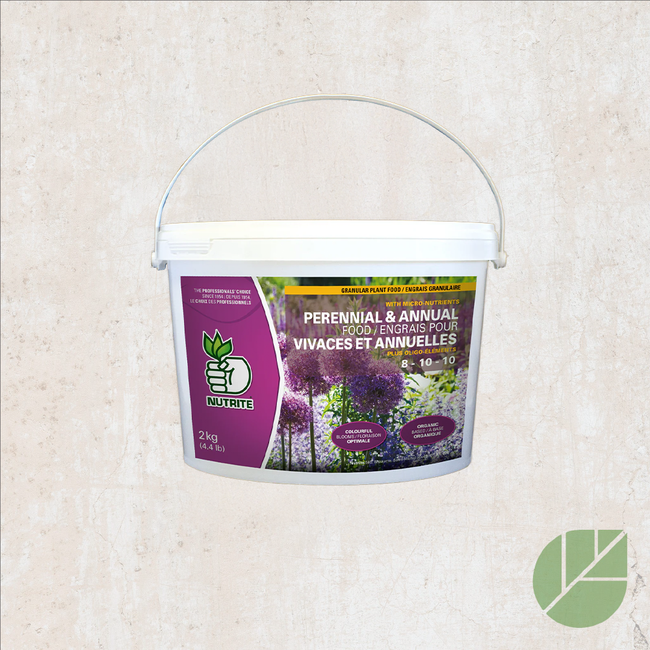
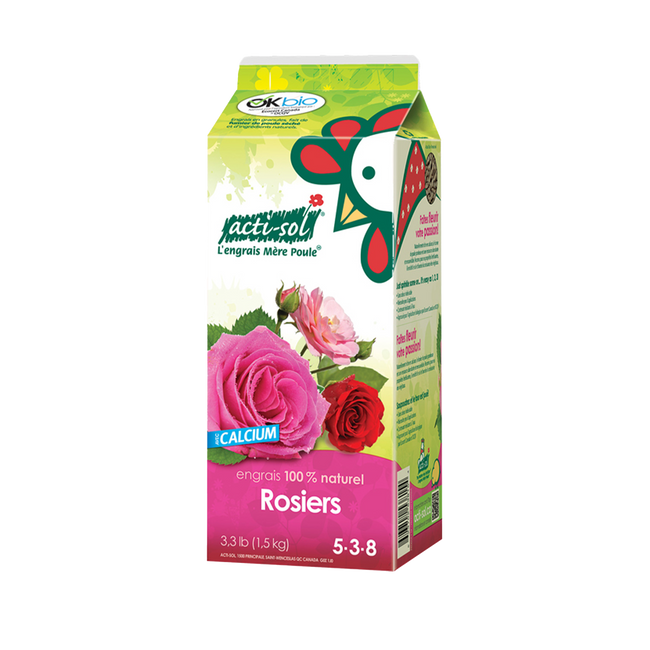
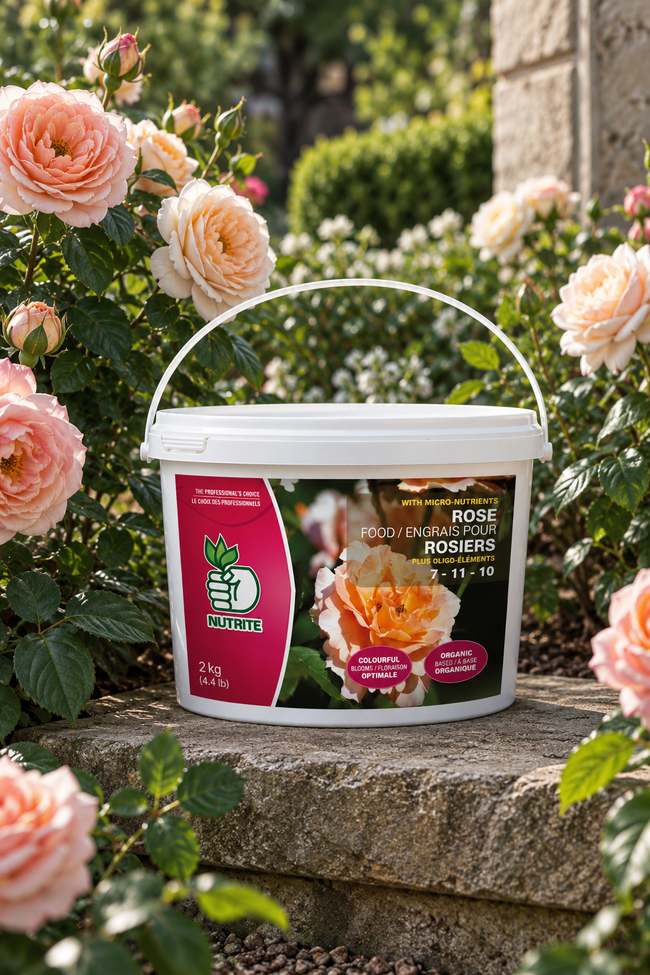
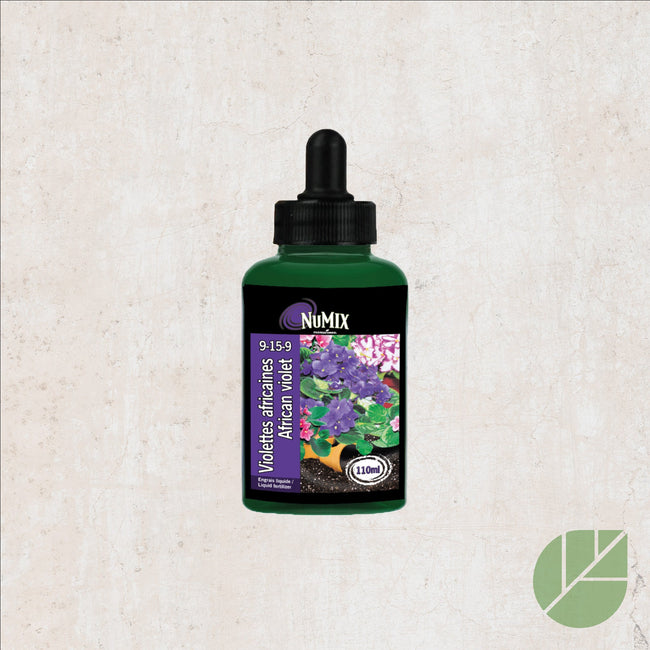
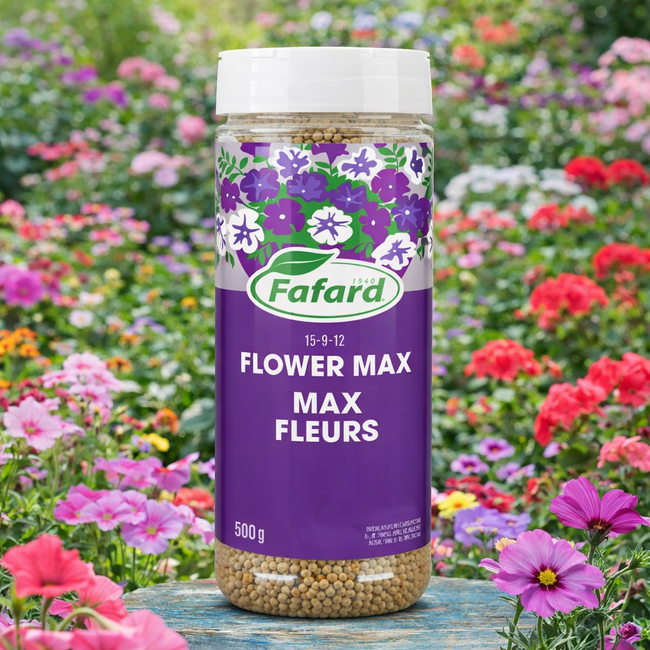
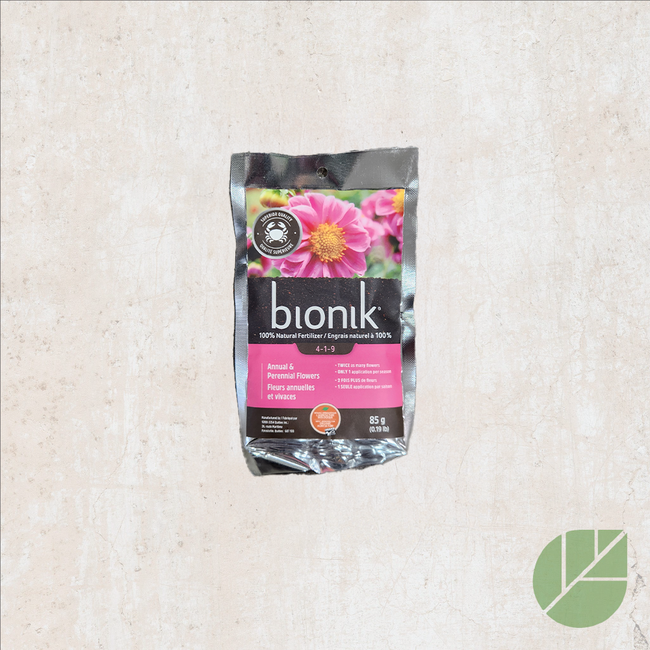
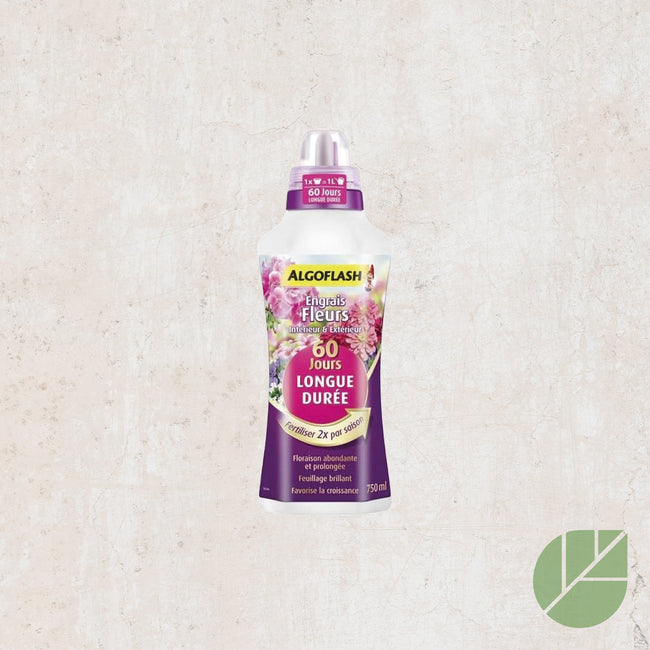
Flower and Bloom Fertilizer
Shop the collection
Hand Tools
Shop the collection