Sale
Sold out

Perennial vegetable
Polygonaceae
Edible perennials for vegetable gardens
‘Victoria’ rhubarb
Rheum × hybridum ‘Victoria’
‘Victoria’ rhubarb is a reliable productive late-maincrop heirloom introduced in 1837. Its medium-sized stalks are mainly green and flushed or speckled red, with a robust tart flavour. Harvest generally begins around late May and continues mainly through the end of June. The clump reaches approximately 60 to 90 cm high and wide. For best results, provide deep humus-rich soil that remains moist yet drains well, in sun or partial shade. Only the prepared leaf stalks are edible; large leaf blades must always be removed and discarded because they are toxic. Prompt flower-stalk removal helps preserve energy for future crops. Naturally.
- Quantity
- 1 gallon
- Exposure
- Full sun to partial shade
- Life cycle
- Perennial vegetables
- Hardiness
- Zone 4; may succeed in protected Zone 3 sites
Discover the plant
Common name‘Victoria’ rhubarb
FamilyPolygonaceae
GenusRheum
Specieshybridum
CultivarVictoria
TypePerennial vegetable
Botanical nameRheum × hybridum ‘Victoria’
Heirloom varietyYes
‘Victoria’ Rhubarb (Rheum × hybridum ‘Victoria’) is a reliable, productive heirloom vegetable introduced in England in 1837. It forms a broad clump of large green leaves carried on medium-sized stalks that are mainly green and flushed or speckled red, especially near the base. Their robust tart flavour suits compotes, pies, jams, sauces and desserts. This late maincrop variety generally becomes ready to harvest from late May. The leafy clump reaches approximately 60 to 90 cm high and wide, with flower stalks potentially rising higher when they are not removed promptly during growth.
Grow ‘Victoria’ in full sun or partial shade and deep, humus-rich, moist yet well-drained soil. Leave approximately 90 cm between plants so the large leaves can develop fully. Keep the crown level with the soil, water deeply and maintain consistent moisture throughout the growing season. Spring compost or well-rotted manure supports this nutrient-hungry perennial but should never cover the centre. Hardy in Zone 4 and often grown successfully in protected Zone 3 sites, rhubarb benefits from winter cold to maintain proper dormancy. A permanent position at the edge of the vegetable garden provides enough room without interfering with annual crop rotation.
Wait until the second season before taking a light harvest, or the third year when plants were started from seed. Harvest full-length stalks by grasping each one near the base, then pulling and twisting; avoid cutting into the crown. Remove and discard leaves immediately because they are toxic. The main harvest can continue through the end of June. Afterwards, leave the remaining foliage to rebuild reserves. Remove any flower stalk promptly so the plant conserves energy. Divide an older crown approximately every five years in late fall or early spring to maintain vigour and productivity.

Planting guide
From planting to establishment.
Spacing / density
Approximately 90 cm (36 in)
Best planting time
Early spring or late fall
Propagation
Division of an established crown
Growing method
Choose a permanent position in sun or partial shade, ideally at the edge of the vegetable garden where the large clump will not interfere with annual crops. Loosen the soil deeply and incorporate mature compost or well-rotted manure. Keep the crown level with the soil and buds just at the surface because planting too deeply encourages rot. Leave approximately 90 cm between plants. Water thoroughly after planting and keep the soil evenly moist throughout the first season. Organic mulch conserves moisture but must remain clear of the centre. Do not harvest during the first year. In the second season, take only a few stalks; wait until the third year for normal harvesting when a plant was raised from seed. In spring, add compost or balanced fertilizer according to soil needs. Remove flower stalks immediately so reserves remain in the crown. Harvest full-length stalks by pulling and twisting near the base. Cut off and discard toxic leaves at once. End the main harvest at the close of June, then continue watering and weeding through fall so the remaining foliage feeds the crown. Divide approximately every five years when production declines or the centre becomes crowded.
Soil and care
The right care,at the right time.
Soil pH
Broad tolerance; approximately 5.5 to 7.5
Care level
Easy to moderate
Watering
Maintain consistent moisture throughout active growth. Water deeply to moisten the root zone instead of applying frequent small amounts. During dry periods, provide approximately 2.5 cm of water per week including rainfall. Continue watering after harvest ends because the remaining leaves rebuild reserves. Direct water toward the soil, keep the crown uncovered and avoid saturation that can lead to root or crown rot. Mulch around, but never over, the centre to reduce evaporation and temperature swings.
Soil type
‘Victoria’ prefers deep humus-rich soil that remains moist yet drains well. Fertile loam that holds moisture without staying saturated supports long stalks. Clay, sandy or chalky soils can work after their structure and organic matter are improved. Soil pH may be acidic, neutral or alkaline. Avoid wet low spots and never cover the crown with compost or mulch because standing moisture encourages rot and weakens productive buds.
Fertilization
Rhubarb is a heavy feeder. In early spring, spread mature compost or well-rotted manure around the clump without covering the crown. Balanced or low-phosphorus fertilizer can supplement it according to soil-test results and observed vigour. Avoid excessive rates and phosphorus buildup from repeated applications. After harvest, moderate nutrition and regular watering allow the large leaves to rebuild reserves needed for the following year. Keep concentrated fertilizer away from emerging buds and water dry granular products into the surrounding soil.
Moisture
Moist soil and consistent moisture
Seasonal care
In early spring, remove debris from the previous year and confirm that buds remain level with the soil. Add compost or well-rotted manure around the crown without covering the centre. Begin regular watering as growth accelerates and control weeds without injuring shallow roots. Do not harvest a young plant during its first year. In the second season, take only a few stalks; a seed-grown plant should wait until its third year. From late May through the end of June, harvest full-length stalks by pulling and twisting near the base. Remove and discard toxic leaves immediately. Cut out every flower stalk as soon as it appears. After June, end the main harvest and retain all healthy leaves so the crown can rebuild energy. Continue watering during drought. In fall, allow foliage to die naturally, then remove it after a hard frost. Never bury the centre beneath thick mulch. Divide approximately every five years in late fall or early spring when production declines, resetting sections with at least one strong bud in renewed soil. Monitor slugs, rhubarb curculio and leaf spots, especially when air or soil remains too wet. Keep nearby docks and grassy weeds controlled because they may harbour stalk-boring pests. This routine protects stored energy and maintains regular production for many years. Keep harvested stalks separated from discarded toxic leaves during every garden visit.
Container growing
A garden,within reach.
Recommended pot size
At least 50 to 60 cm (20 to 24 in) in diameter and depth
‘Victoria’ can grow in a very large container, although an in-ground planting generally provides greater longevity. Choose a frost-resistant pot at least 50 to 60 cm in diameter and depth with numerous drainage holes. Use rich structured mix that holds moisture without becoming waterlogged. Keep the crown level with the surface and leave the centre entirely uncovered. Position the container in sun or partial shade. Water deeply whenever the surface begins to dry; pots need frequent checking during hot weather. Add compost and balanced fertilizer in spring, then continue moderate nutrition after harvest. Do not harvest in the first year and take very little in the second. Remove toxic leaves from harvested stalks immediately and cut out flower stalks. For winter, move the pot beside a sheltered wall, insulate its sides and keep drainage open. The crown needs cold and should not enter a heated room. Divide or repot when crowded, renewing part of the mix. One plant per container gives its large leaves adequate room. Continue modest moisture until dormancy without leaving standing water in a saucer. Keep the crown visible and inspect moisture regularly after summer harvest ends.

Bloom and dimensions
Its place,in your garden.
Mature height
Approximately 60 to 90 cm; flower stalk may rise higher
Width / spread
Approximately 60 to 100 cm
Flower color
Greenish white
Foliage color
Green, red
Foliage type
Deciduous
Growth rate
Moderate to vigorous
Growth habit
Large upright bushy clump
Fragrance
Not fragrant
Bloom period
A tall branched stalk carrying small greenish-white flowers may appear in late spring or summer. It is ornamental, but its development redirects energy that should support the crown and edible stalks. To maintain generous production, remove the flower stalk as soon as it becomes visible and before flowers open fully. Use a clean tool and cut near the base without damaging neighbouring buds or emerging leaf stalks.
Fruiting
Seed is not sought; the stalk is removed to preserve the crop
Harvest
Harvest full-length stalks from late May through the end of June. Grasp each stalk near the base, then pull and twist. Remove the toxic leaf immediately. Wait until the second season before taking a light crop and the third year for a full harvest when the plant was raised from seed.

Garden associations
In goodcompany.
Companion plants
Pair ‘Victoria’ with plants that also appreciate rich moist soil without strongly competing with its crown. Strawberries positioned at a respectful distance echo the classic culinary pairing, while chives, garlic, calendulas and nasturtiums add flowers or harvests nearby. Keep a clear circle around the centre for feeding, watering and easy stalk pulling. Avoid trees, shrubs with powerful roots and invasive perennials that would reduce available water and nutrients. Leave enough room for the broad leaves to open without shading smaller companions completely.
Plants to avoid
Avoid trees, shrubs and invasive perennials that compete for water and nutrients, along with plants requiring dry soil.
From the gardento inspiration.
Use only washed stalks after every leaf blade has been removed. Their tart flavour suits compotes, pies, jams, sauces, cakes and desserts. ‘Victoria’ is naturally green with a red flush, so colour alone should not be used to judge maturity. Leaves are toxic and must be discarded immediately after harvest. People advised to limit foods high in oxalates should seek professional guidance appropriate to their circumstances.
Frequently asked questions
Your questions,answered.
Which parts of ‘Victoria’ rhubarb are edible?
Only the leaf stalks, commonly called stems, are eaten. Remove the entire large leaf immediately after harvest and discard it because it is toxic. Wash the stalks, trim damaged portions and prepare them according to the chosen recipe. Their flavour is naturally very tart, so they are commonly cooked with a sweet ingredient. Do not eat leaves, roots or any unidentified plant part. ‘Victoria’s green-and-red colouring is normal and does not mean the stalks are immature. Anyone advised by a professional to limit foods high in oxalates should request guidance suited to their circumstances before eating rhubarb. This distinction remains essential.
When can ‘Victoria’ rhubarb be harvested?
‘Victoria’ is a late-maincrop cultivar generally ready from late May. Wait until stalks have reached full length. Take nothing during the first year. In the second season, harvest only a few stalks; a seed-grown plant should wait until its third year before a normal crop. The main harvest ends at the close of June. Grasp each stalk near the base, then pull and twist instead of cutting into the crown. Remove the toxic leaf immediately. After June, leave most stalks and foliage in place so the plant rebuilds reserves for the following year. A few later stalks may be taken occasionally, but they can be tougher.
Why do ‘Victoria’ rhubarb stalks remain green?
Green colouring flushed or speckled red is a normal characteristic of ‘Victoria’. This heirloom does not become uniformly red like certain modern cultivars. Colour is often pinker or redder near the base and greener toward the top. Colour alone therefore cannot determine maturity or flavour. Harvest when stalks have reached full length and the plant is sufficiently established. Good light, rich soil and regular moisture support vigorous growth but will not naturally turn ‘Victoria’ into a dark-red cultivar. Its robust flavour remains well suited to cooked and sweetened preparations. Stalk size and firmness are more useful harvest signals than redness. This is why searches for rhubarb Victoria often show green-and-red stalks rather than solid red ones.
Should ‘Victoria’ rhubarb flower stalks be removed?
Yes. ‘Victoria’ may produce flower stalks, and their development uses energy that should support the crown and edible stalks. As soon as a thick flowering stem appears in the centre, cut it near the base using a clean tool without damaging neighbouring buds. Do not confuse this branched stalk with leaf stalks harvested for cooking. Continue normal watering and feeding afterwards. Flowering does not necessarily indicate a problem because it can be encouraged by plant age, seasonal conditions or the cultivar’s character. Prompt removal nevertheless helps maintain productivity and prevents the plant from spending reserves on seed formation. Check the crown periodically because another flower stalk may emerge later.
How can ‘Victoria’ rhubarb remain productive for many years?
Provide deep organic-rich soil that remains moist yet drains well. Add compost or well-rotted manure each spring without covering the crown, then water deeply during dry periods. Limit harvesting from young plants and end the main crop at the close of June. Afterwards, allow every healthy leaf to feed the crown. Remove flower stalks promptly and control weeds without damaging roots. In fall, let foliage die naturally before clearing it after a hard frost. Divide the clump approximately every five years when the centre becomes crowded or production declines, then reset vigorous sections in renewed soil. Keeping the crown at soil level and free of standing winter moisture is essential for long-term health.
Wildlife and pets
Life,around your plants.
Reported toxicity
Yes
Supporting wildlife
The flower stalk may attract certain insects, but it is normally removed before opening to preserve the stalk crop. Rhubarb is therefore not grown primarily for wildlife value. Leaves are toxic and must not be offered to animals. Flowering companion plants can provide a better resource for pollinators around the vegetable garden without reducing the rhubarb crown’s reserves.
For your perennials and grasses
The right extras.Right here.
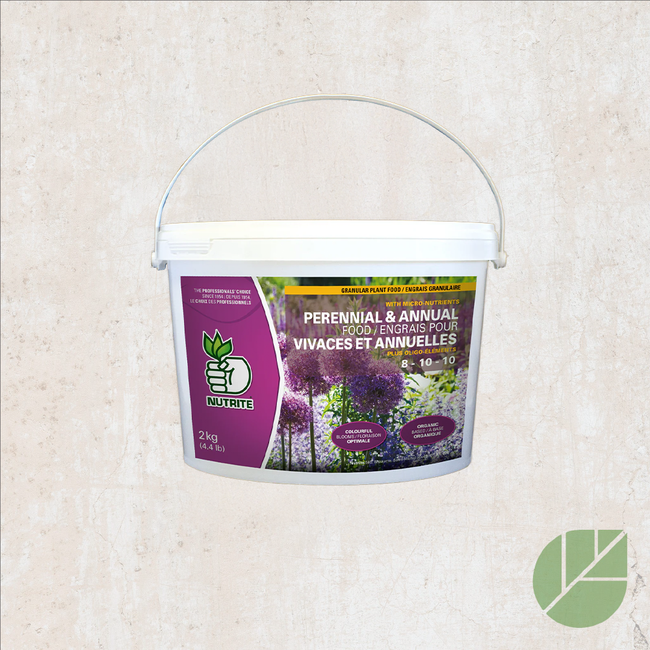
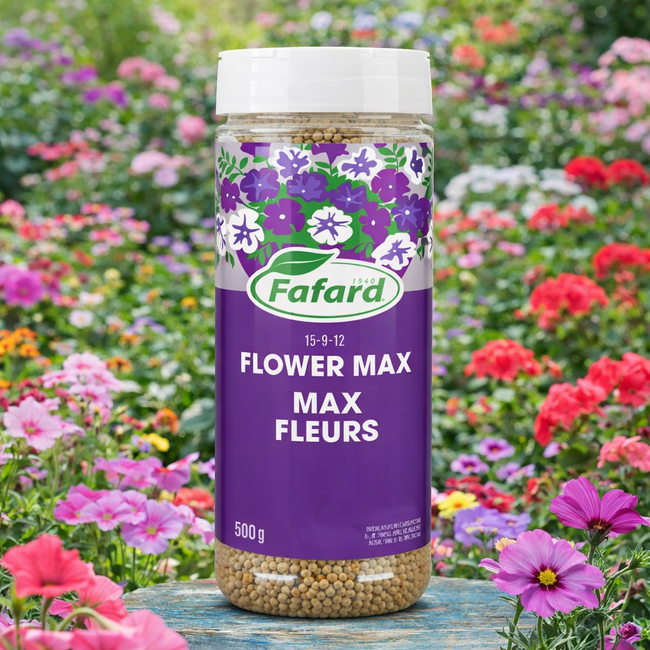
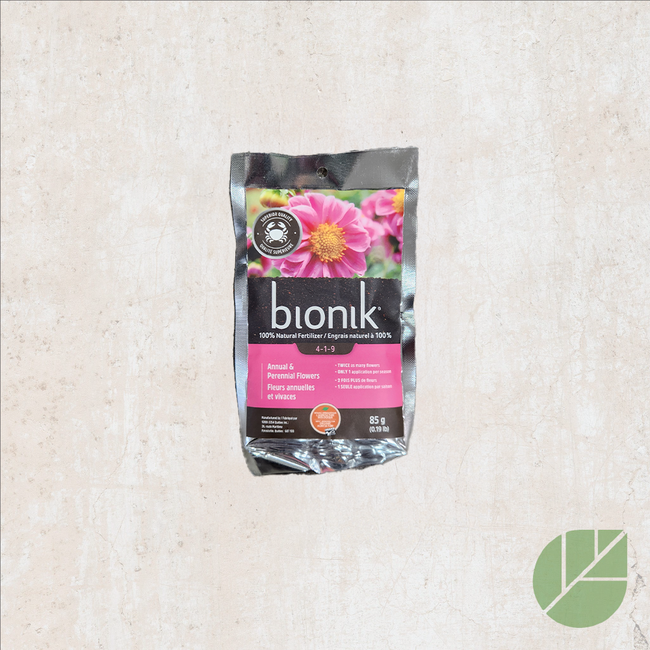
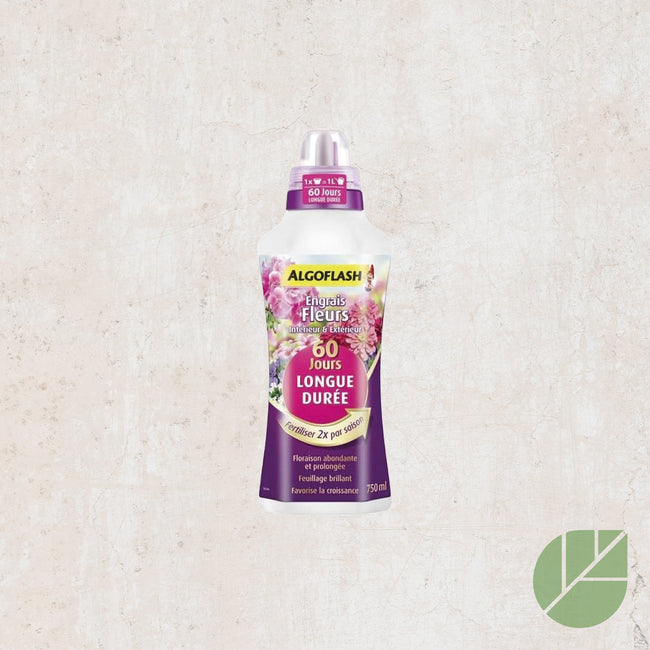
Flower and Bloom Fertilizer
Shop the collection
Hand Tools
Shop the collection