


Trees
Balsam Fir
Products and available quantities may vary between Brossard and Laval. To check a store’s inventory, please contact us directly.
Even better: visit us in store to discover the full selection available!
- Exposure
- Sun to partial shade
- Hardiness
- Zone 2–6
Discover the plant
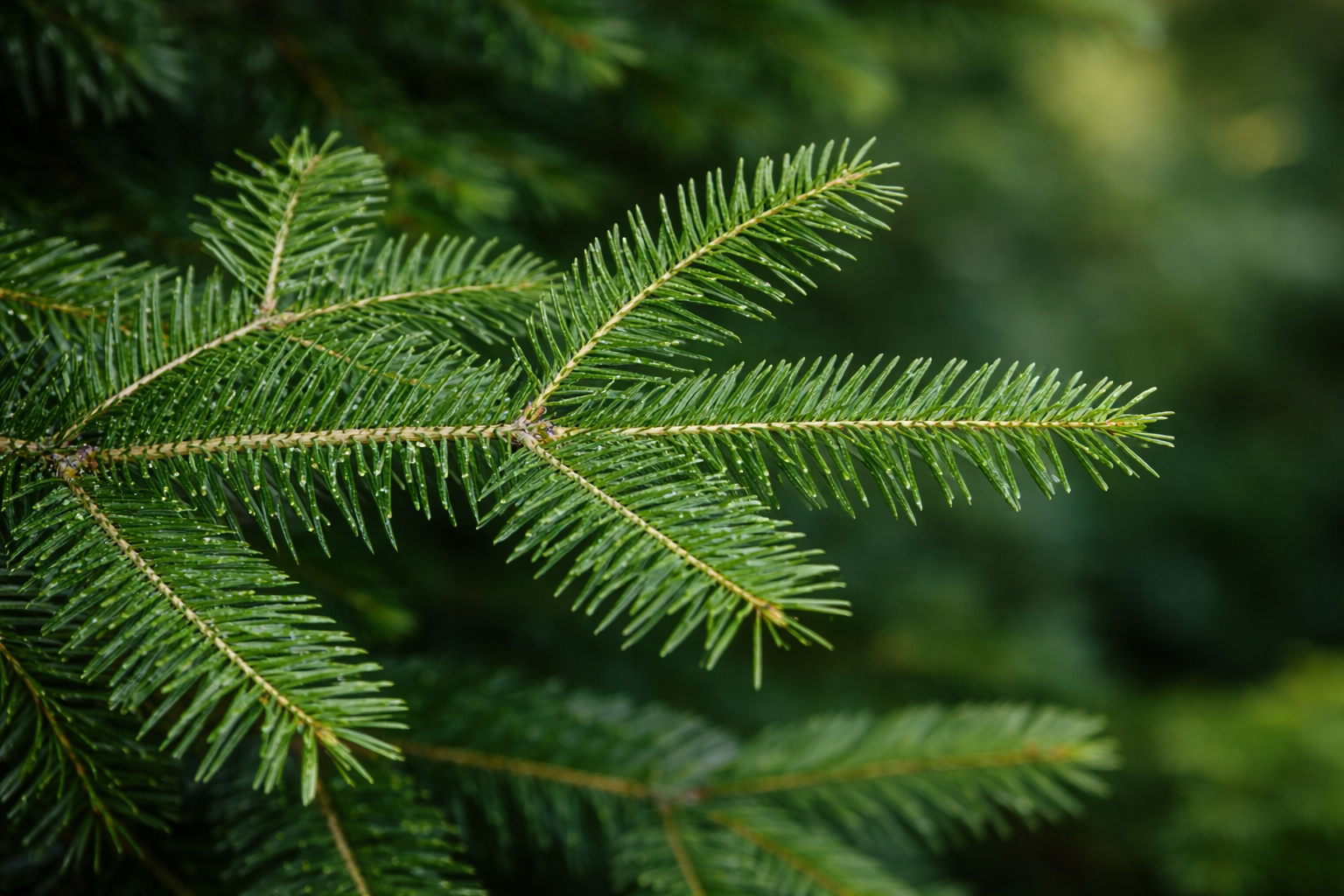
Abies balsamea, better known as the balsam fir, is an iconic conifer appreciated for its dense, soft-to-the-touch, dark green evergreen foliage. Its classic pyramidal silhouette brings a natural, structured, and elegant presence to large landscape designs. Its aromatic foliage, typical of balsam firs, immediately evokes Nordic forests and adds a pleasant sensory dimension to the garden. Thanks to its sober and timeless appearance, it remains attractive in all seasons and offers a beautiful contrast with lighter foliage, flowering shrubs, or undergrowth plants.
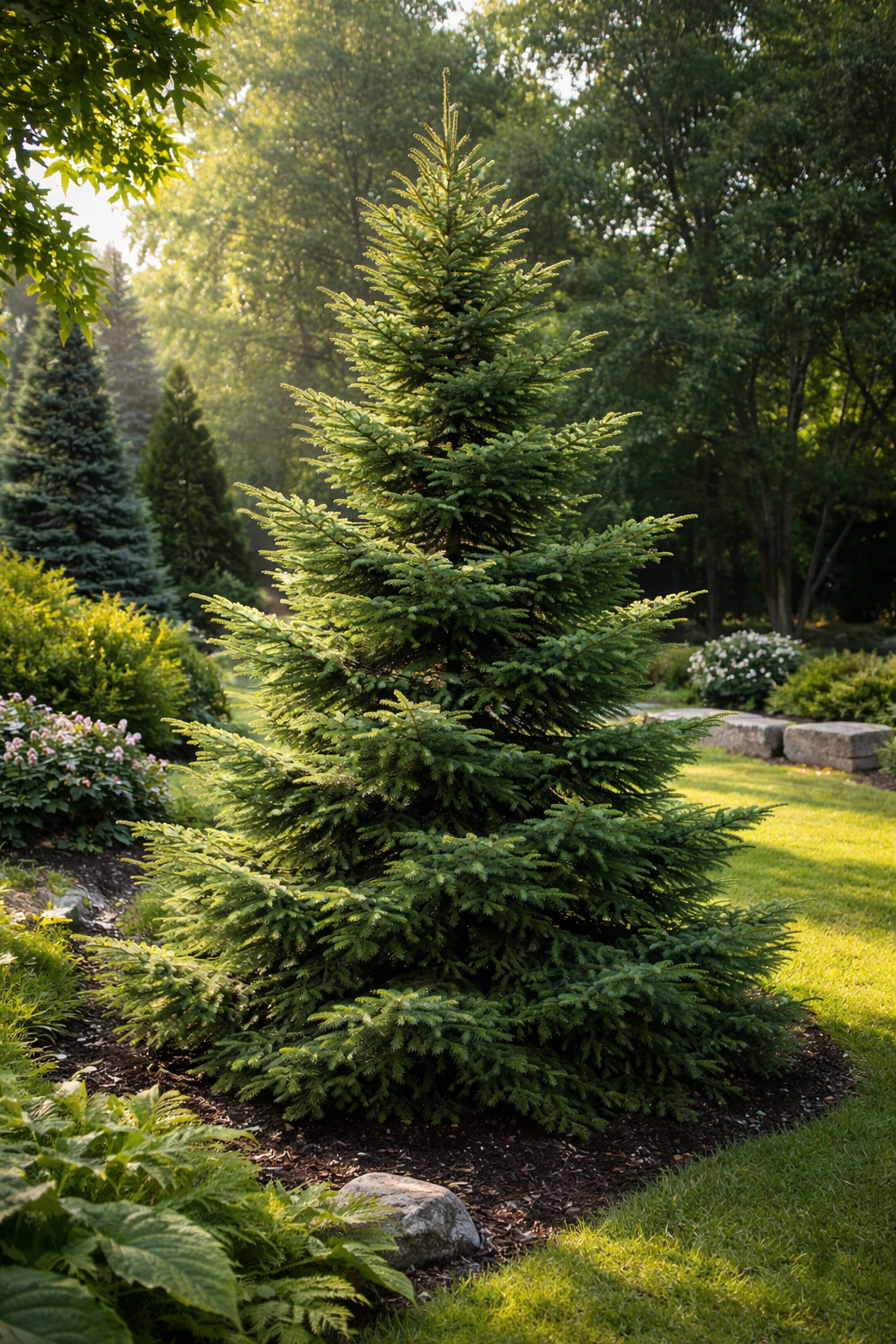
With its steady growth and naturally balanced habit, the balsam fir is an excellent choice for large gardens, privacy screens, natural hedges, forest gardens, or wilder-style landscaping. It can be used as a specimen plant to create a strong vertical focal point, or planted in groups to form a dense and protective evergreen mass. Its pyramidal shape allows it to structure space without requiring extensive pruning, making it both a decorative and functional tree. In a large-scale design, it adds depth, height, and beautiful visual continuity throughout the year.
Highly hardy and well-adapted to cold climates, Abies balsamea prefers cool, moist, well-drained soil, as well as exposure ranging from full sun to partial shade. It particularly appreciates locations where the soil retains some coolness, especially during hot or dry periods. Regular watering during the first few years after planting promotes strong root establishment and better recovery. Once well-established, this fir requires little maintenance and naturally retains its shape, offering a durable, robust, and authentic solution for nature-inspired landscape designs.

Soil and care
The right care,at the right time.
Soil pH
Minimum temperature
Care level
Watering
Soil type
Fertilization
Moisture
Seasonal care
Container growing
A garden,within reach.
Bloom and dimensions
Its place,in your garden.
Mature height
Width / spread
Foliage color
Foliage type
Growth rate
Bloom period
Fruiting
Garden associations
In goodcompany.
Companion plants
Plants to avoid
Wildlife and pets