


Trees
Acer Ginnala
Products and available quantities may vary between Brossard and Laval. To check a store’s inventory, please contact us directly.
Even better: visit us in store to discover the full selection available!
- Exposure
- Sun to partial shade
- Hardiness
- Zone 2 to 7
Discover the plant
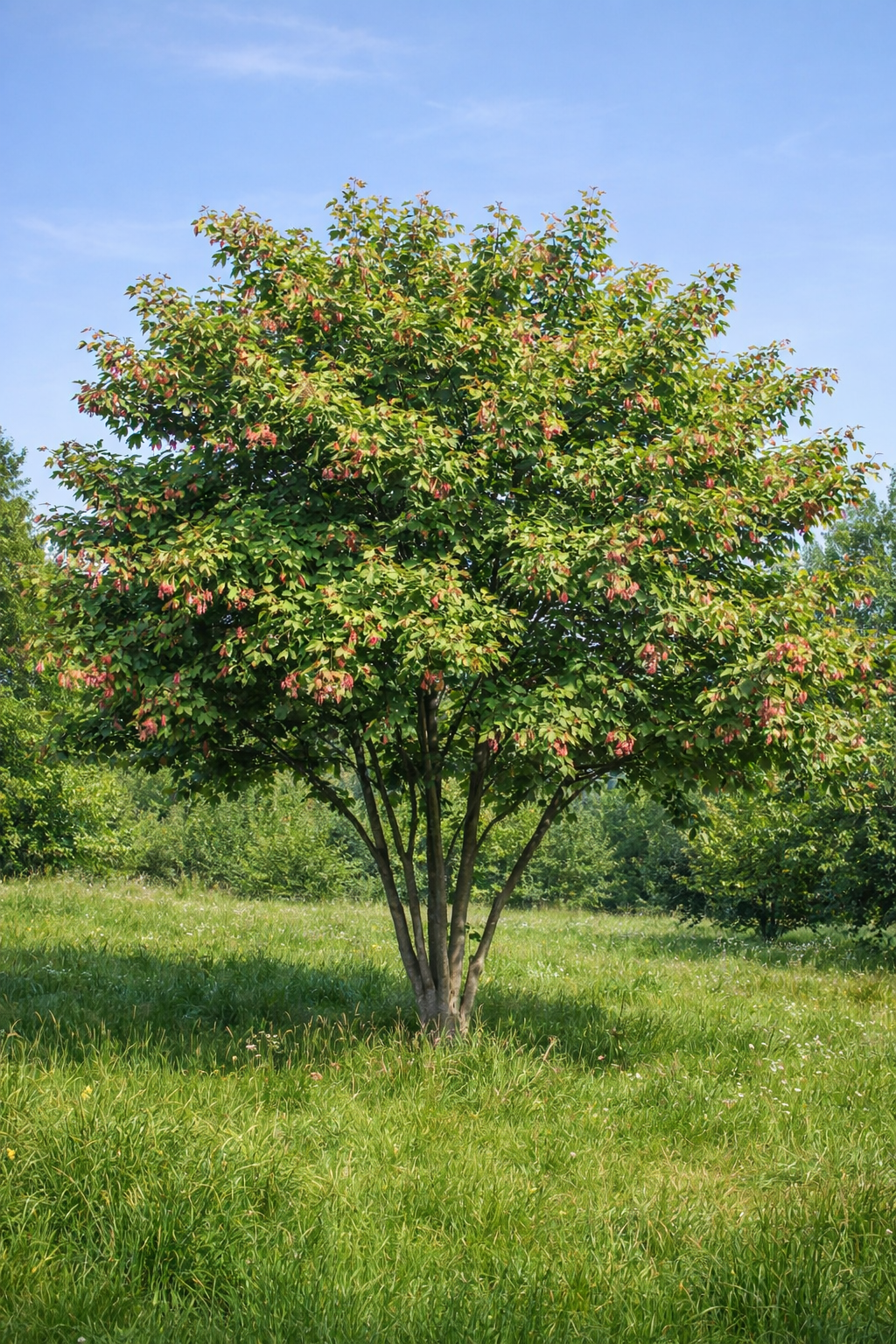
Acer ginnala, commonly known as the Amur maple, is a hardy and versatile ornamental small tree, prized for its rounded, bushy, and naturally elegant silhouette. Its bright green foliage brings a beautiful freshness during the growing season, while creating a light texture in flowerbeds, informal hedges, or residential landscapes. Thanks to its more compact size compared to many large maples, it integrates easily into medium-sized gardens or spaces where a well-structured accent tree is desired.
Its main appeal lies in its spectacular autumn coloration. In autumn, the leaves turn flamboyant shades of ruby red, orange, and sometimes yellow, offering a striking contrast in the landscape. Acer ginnala can be used as a standalone plant to create a seasonal focal point, in groups to form a natural hedge, or in a shrub bed to add height and movement. Its branched and slightly bushy form also allows it to be grown as a small tree or a large shrub, depending on the desired effect.
Very hardy and adaptable, the Amur maple tolerates a variety of well-drained soils and prefers a sunny to semi-shaded exposure. Good light generally promotes more intense autumn colors, making it an excellent choice for well-exposed locations. Its moderate growth and relatively simple maintenance make it easy to integrate into different landscape projects. With its robustness, versatility, and vibrant autumn foliage, Acer ginnala is a reliable choice to enrich landscapes with a lasting decorative presence.

Planting guide
From planting to establishment.
Soil and care
The right care,at the right time.
Soil pH
Minimum temperature
Care level
Watering
Soil type
Fertilization
Moisture
Seasonal care
Container growing
A garden,within reach.
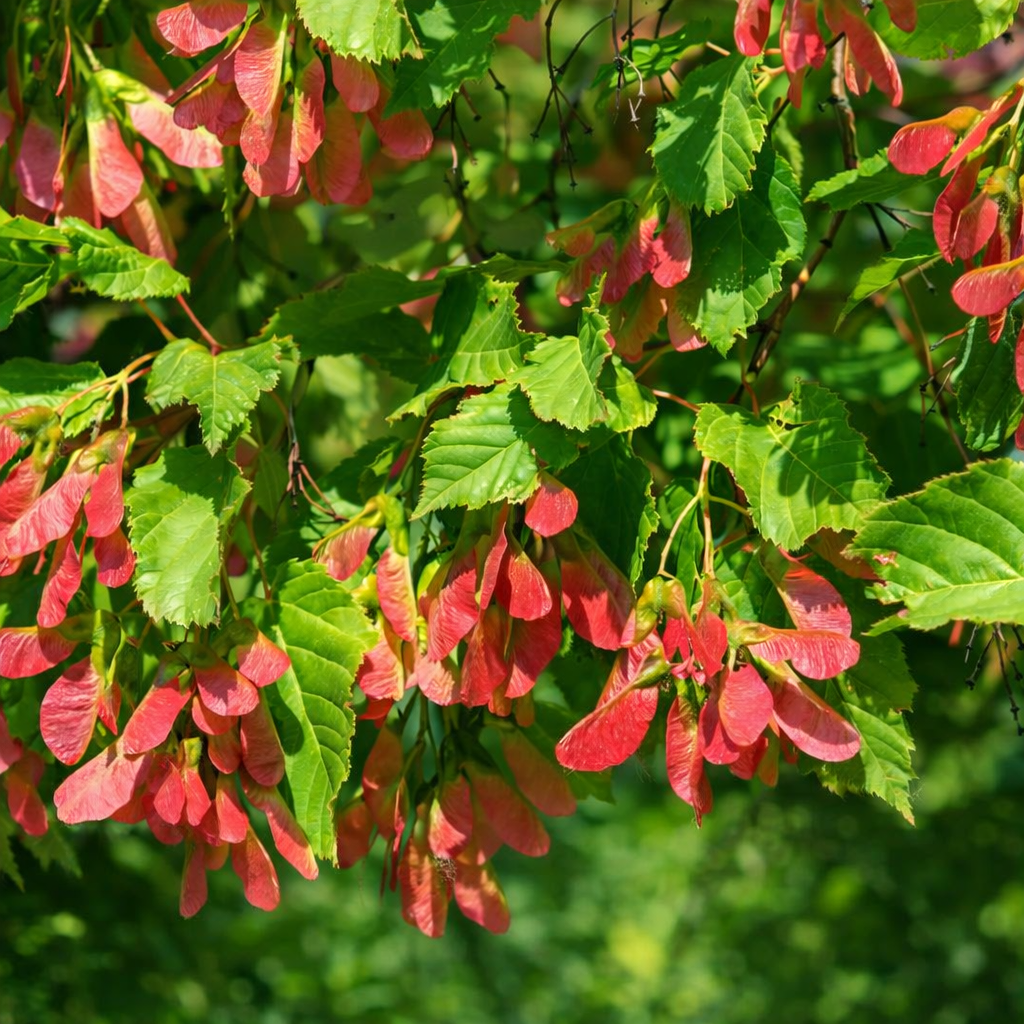
Bloom and dimensions
Its place,in your garden.
Mature height
Width / spread
Flower color
Foliage color
Foliage type
Growth rate
Bloom period
Fruiting
Garden associations
In goodcompany.
Companion plants
Plants to avoid
Wildlife and pets