


Trees
Paperbark maple
Products and available quantities may vary between Brossard and Laval. To check a store’s inventory, please contact us directly.
Even better: visit us in store to discover the full selection available!
- Exposure
- Sun to partial shade
- Hardiness
- Zone 4 to 8
Discover the plant
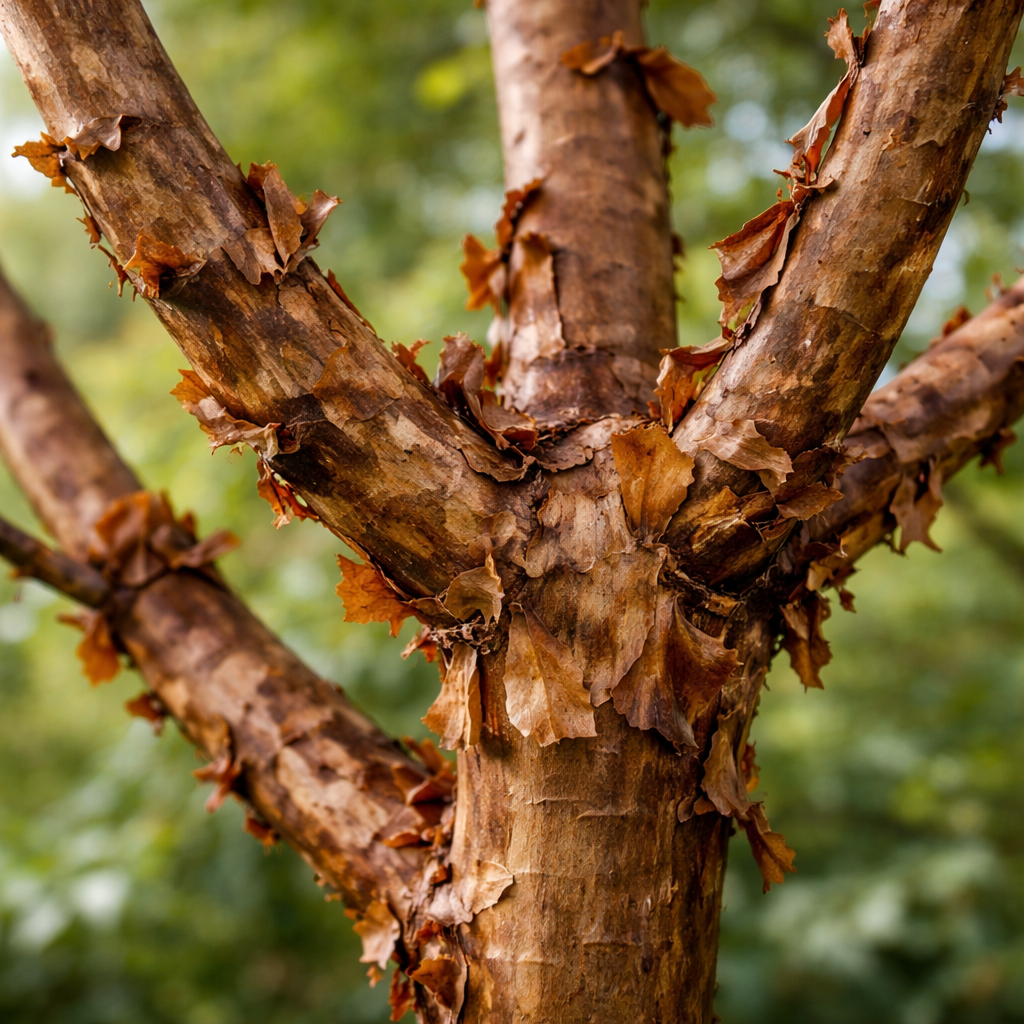
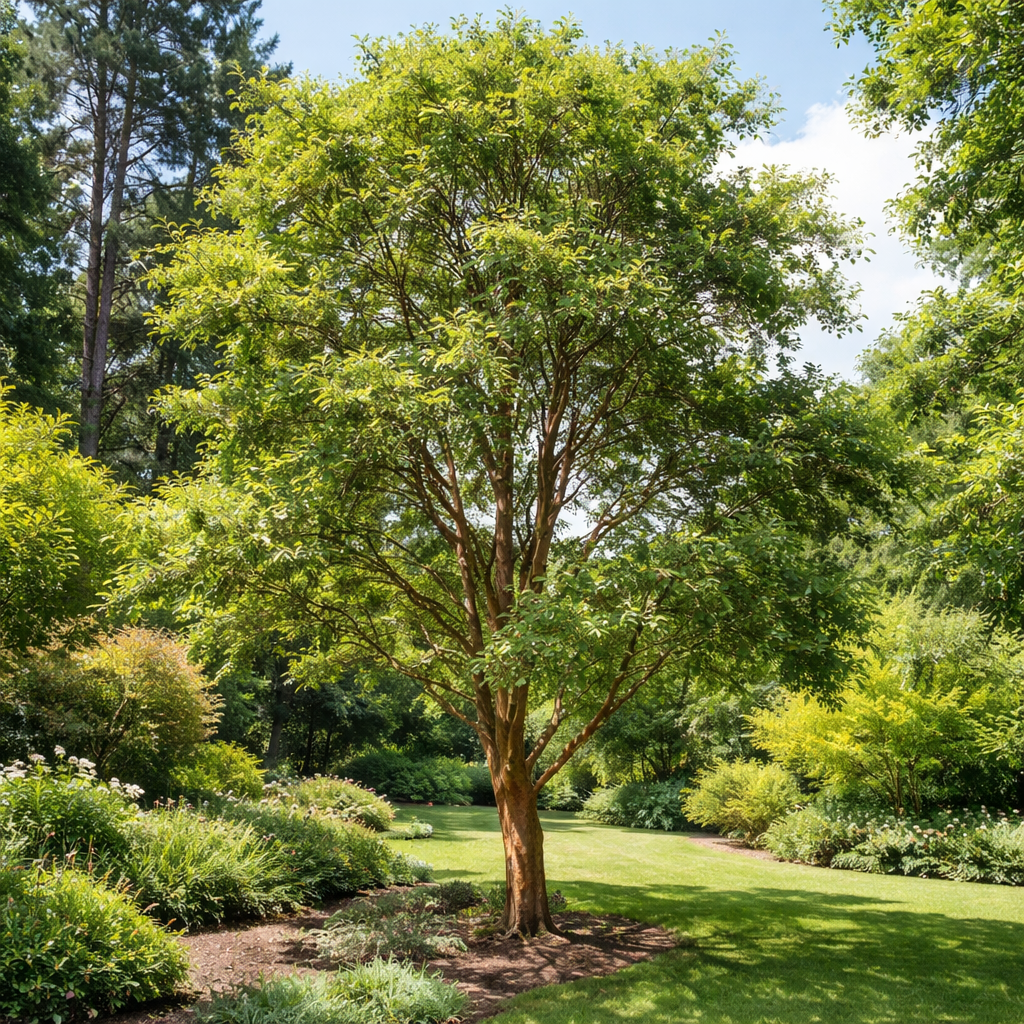
Acer griseum, also known as the paperbark maple, is a remarkable ornamental tree primarily valued for its coppery-brown to reddish-brown exfoliating bark, which peels in thin, decorative strips. This unique texture provides visual interest throughout the year, especially in winter, when its bare branches highlight its bright, architectural trunk. Its elegant, rounded to ovoid habit gives it a refined silhouette without becoming too imposing, making it an excellent choice for residential gardens, front yards, and curated landscapes. It is a tree that naturally draws the eye, even when planted alone.
In spring and summer, its foliage, composed of three dark green leaflets, gives it a delicate, dense, and distinguished appearance. The leaves create a beautiful, light texture, while providing a generous plant presence in the garden without overwhelming the space. In autumn, Acer griseum transforms into magnificent shades of red, orange, and sometimes purple, adding a strong seasonal presence to the landscape. This autumnal coloration, combined with its decorative bark, makes it a particularly interesting tree for extending the garden's appeal after the summer season.
Hardy and relatively easy to cultivate, Acer griseum prefers sun to partial shade and fertile, moist, slightly acidic to neutral, well-drained soil. It appreciates regular moisture, especially during the first years after planting, but dislikes heavy, compacted, or waterlogged soils. Its slow to moderate growth allows it to be easily integrated into designs where a durable, elegant, and easily managed tree is desired. Once well established, it requires little pruning and naturally maintains a balanced shape.
Thanks to its spectacular bark, flamboyant autumnal foliage, and natural elegance, the paperbark maple is a preferred choice for adding structure, character, and four-season interest to the landscape. It is very suitable as a specimen tree, near an entrance, in a structured bed, or in a collection garden. Its discreet but distinctive presence allows for the creation of a refined setting, both in a contemporary design and in a more natural garden. It is a maple of great ornamental value, sought after for its charm, longevity, and remarkable beauty in every season.

Planting guide
From planting to establishment.
Soil and care
The right care,at the right time.
Soil pH
Minimum temperature
Care level
Watering
Soil type
Fertilization
Moisture
Seasonal care
Container growing
A garden,within reach.
Bloom and dimensions
Its place,in your garden.
Mature height
Width / spread
Flower color
Foliage color
Foliage type
Growth rate
Bloom period
Fruiting
Garden associations
In goodcompany.
Companion plants
Plants to avoid
Wildlife and pets