Sale
Sold out

Hardy perennial
Lamiaceae
Plantes vivaces ornementales
Agastache 'Orange'
Giant Hyssop
Agastache 'Orange': 30 cm high and 40 cm spread, full sun exposure. Orange flowers in June-September. Zone 5; choose soil compatible with its moisture needs.
- Exposure
- Sun
- Life cycle
- Hardy perennial
- Hardiness
- Zone 5
Discover the plant
Common nameAgastache 'Orange'
FamilyLamiaceae
GenusGiant Hyssop
CultivarOrange
TypeHardy perennial
Botanical nameGiant Hyssop
The silhouette of Agastache ‘Orange’ (Agastache ‘Orange’) adds dimension to garden compositions. Its foliage features shades of green, to be highlighted among different textures. The usual flowering period is June-September. Its size, 30 cm by 40 cm, reserves it a spot at the front of borders and rock gardens, without forgetting space for its neighbors.
The success of Agastache ‘Orange’ begins with its location: full sun, in suitable soil (draining, rather light; avoid water pockets around the crown). After planting Agastache ‘Orange’, water enough to thoroughly moisten the root ball. Once rooted, allow the surface to dry between waterings and prioritize drainage, especially during thaws. A spacing of about 40 cm between centers is a starting point, to be adjusted according to observed vigor. The indicated hardiness level is zone 5, to be assessed according to your garden's conditions.
The maintenance of Agastache ‘Orange’ primarily relies on observing the clump: wait to see spring regrowth before removing parts that have dried during winter. Winter drainage is crucial for this agastache; avoid depressions where water accumulates during thaws. For pairings, consider border sages, yarrows, upright sedums in varieties with similar needs. The flowering (June-September) and spread of 40 cm will serve as benchmarks for distributing other plants around this plant.

Planting guide
From planting to establishment.
Best planting time
Preferably in spring, in warm, workable soil, with regular watering during establishment.
Growing method
Agastache 'Orange': Preferably in spring, in warm, workable soil, with regular watering during establishment. After planting Agastache 'Orange', water enough to thoroughly moisten the root ball. Once established, allow the surface to dry out between waterings and prioritize drainage, especially during mild spells. Winter drainage is crucial for this agastache; avoid depressions where water accumulates during mild spells.
Soil and care
The right care,at the right time.
Drought tolerance
Yes
Watering
After planting Agastache ‘Orange’, water enough to thoroughly moisten the root ball. Once established, allow the surface to dry between waterings and prioritize drainage, especially during thaws.
Soil type
Well-drained, rather light; avoid water pockets around the collar
Fertilization
Fertilizer for flowering
Moisture
Low to medium after establishment; priority drainage
Seasonal care
Agastache 'Orange': wait to see new spring growth before removing parts that have dried over winter. During its flowering period (June-September), also look out for damaged stems and neighboring plants that could overshadow the clump.
Container growing
A garden,within reach.
To try Agastache ‘Orange’ in a container, choose a stable pot with drainage holes, suitable for the root ball and its future size (40 cm). Water should drain freely after each watering; check the root ball more often than if planted in the ground. Plan for container protection in winter depending on your climate.

Bloom and dimensions
Its place,in your garden.
Mature height
12 inches (30.5 cm)
Width / spread
16 inches (40.5 cm)
Flower color
Orange
Foliage color
Green
Foliage type
Lapsed
Growth rate
Moderate
Growth habit
Bushy
Fragrance
Undocumented for this selection
Bloom period
June-September

Garden associations
In goodcompany.
Companion plants
Associations to consider for Agastache 'Orange': border salvias, yarrows, upright sedums. Choose varieties that tolerate sun and comparable moisture; allow each clump its adult space.
Frequently asked questions
Your questions,answered.
Where to plant Agastache 'Orange'?
Provide sun and well-drained, rather light soil; avoid water pockets around the collar. Winter drainage is crucial for this agastache; avoid depressions where water accumulates during thaws.
Where should I plant Agastache 'Orange'?
Expect a height of about 30 cm and a width of 40 cm at maturity. Approximately 40 cm between centers, to be adjusted according to the actual development of the clump. This size is suitable for use in the foreground of borders and rockeries.
When does Agastache 'Orange' bloom?
The indicated period is June-September. The flower color palette is orange. The exact date and duration depend on the climate, season, and plant establishment.
How to water and care for Agastache 'Orange'?
After planting Agastache ‘Orange’, water enough to thoroughly moisten the root ball. Once established, allow the surface to dry out between waterings and prioritize good drainage, especially during thaws. Wait to see spring regrowth before removing any parts that dried out over winter.
Can Agastache 'Orange' be grown in a pot?
To try Agastache 'Orange' in a container, choose a stable pot with drainage holes, suitable for the root ball and its future size (40 cm). Water must drain freely after each watering; check the root ball more often than you would for plants in the ground. Depending on your climate, plan to protect the container in winter.
Wildlife and pets
Life,around your plants.
Supporting wildlife
Agastache Poquito 'Orange' attire les colibris pendant sa floraison. Choisissez son emplacement selon l’exposition recommandée et surveillez l’humidité du sol pour accompagner son installation. Placez les fleurs là où leurs visiteurs peuvent être observés sans déranger la plantation. Évitez les traitements insecticides sur les fleurs ouvertes; les visites dépendent des conditions du jardin.
For your perennials and grasses
The right extras.Right here.
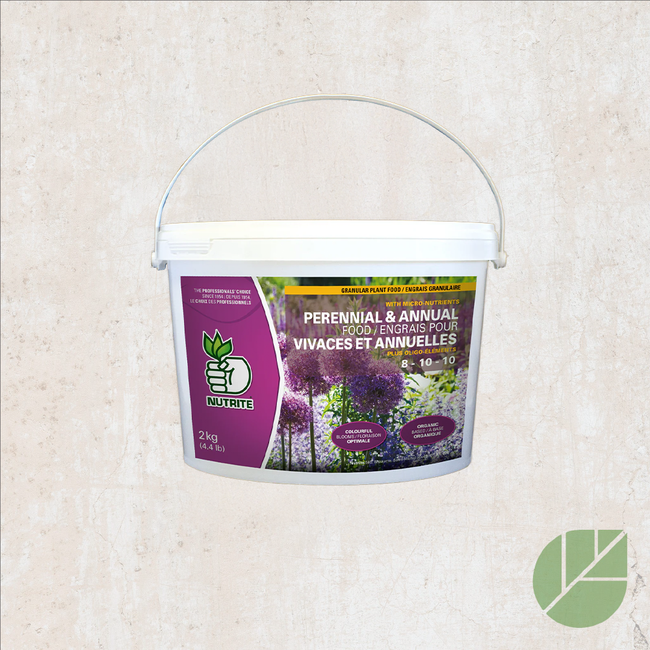
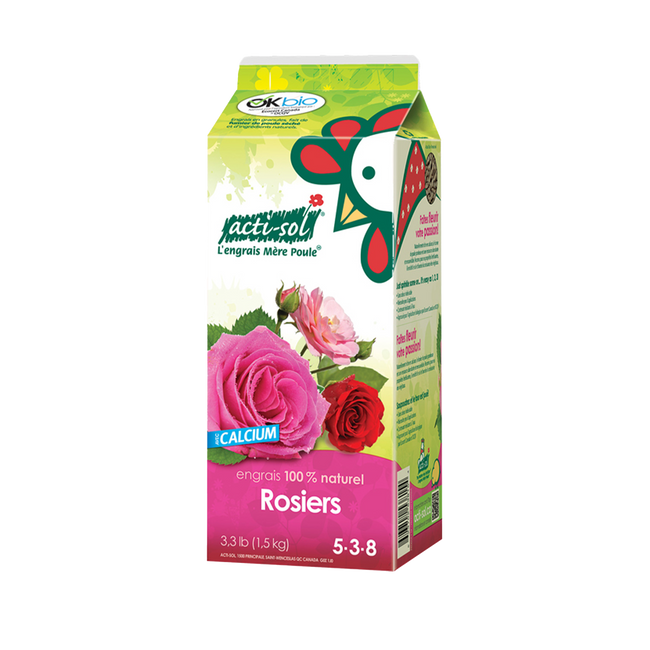
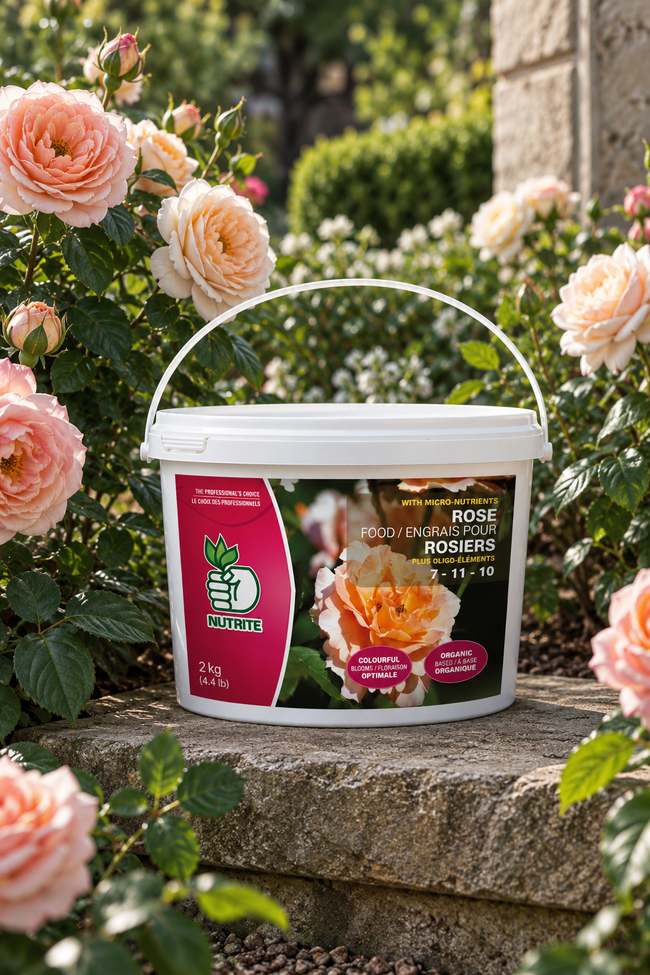
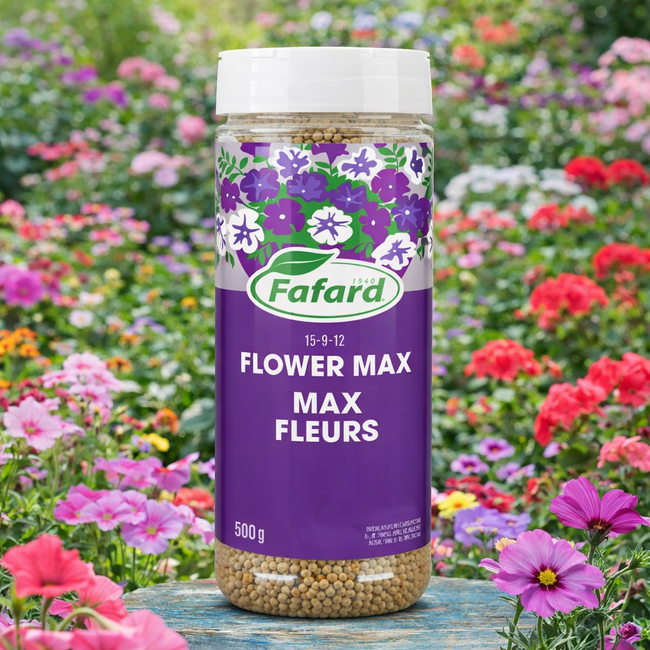
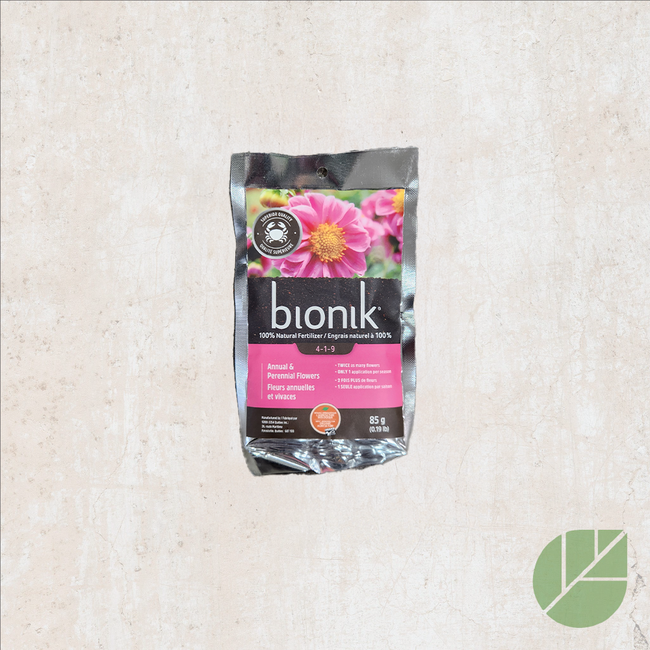
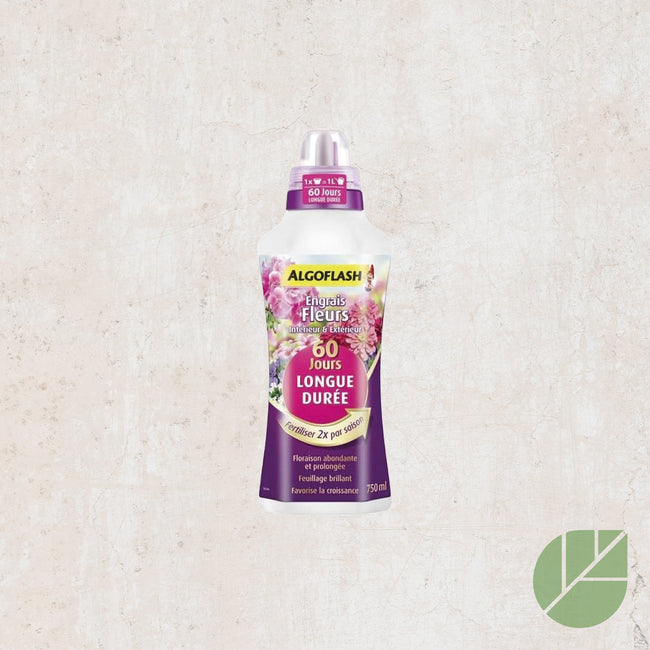
Flower and Bloom Fertilizer
Shop the collection
Hand Tools
Shop the collection