Sale
Sold out

Ornamental nursery plant
Amaryllidaceae
Ornamental perennial plants
Ornamental Allium
Allium
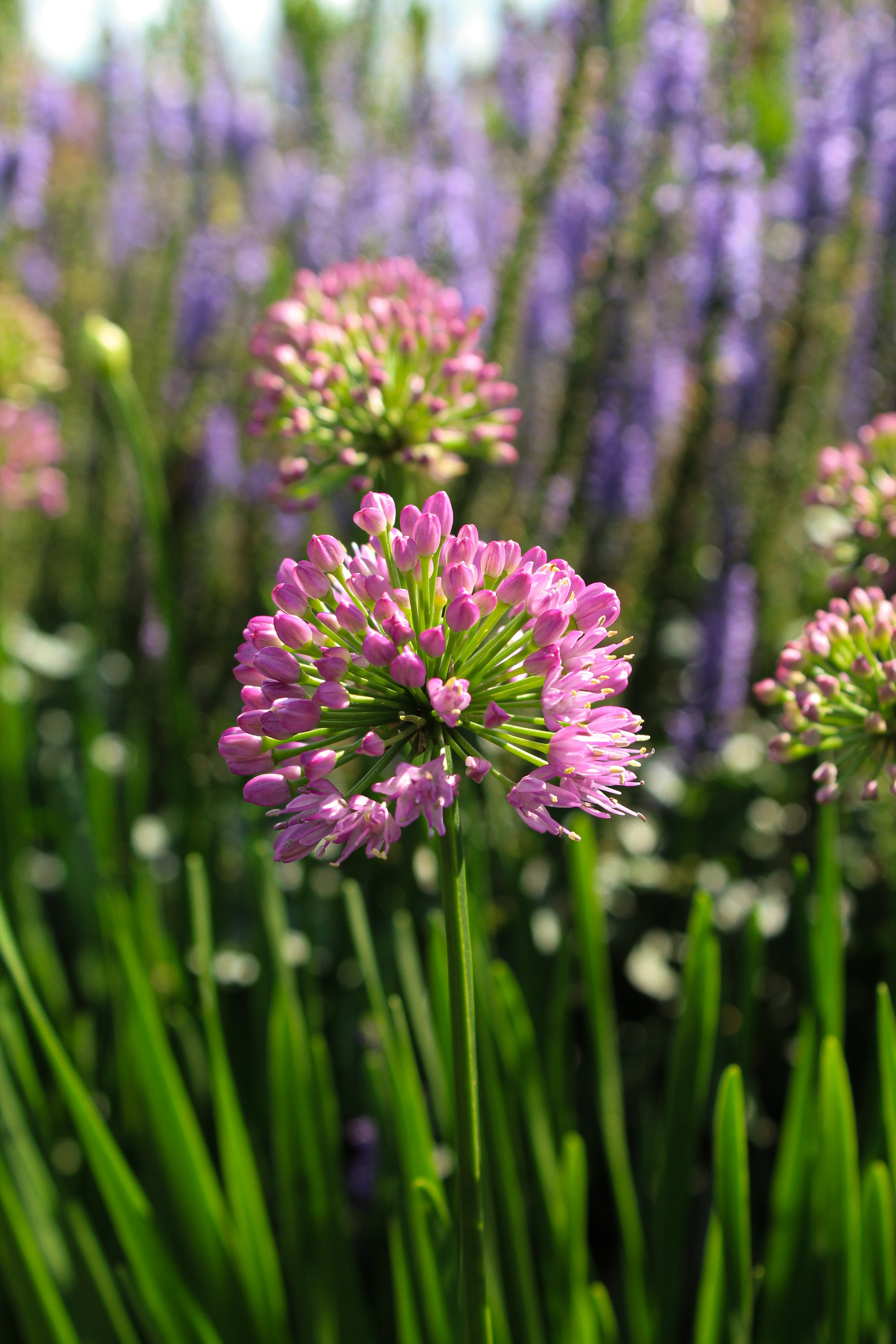
Ornamental Allium 'Millenium' bears purple flowers. The foliage has green tones. The clump reaches about 38–51 cm (15–20.1 in) tall and 25–38 cm (9.8–15 in) wide. Choose a position in sun or partial shade. It can be used in a border, a container, a cutting garden. Rounded heads create a regular rhythm in borders and contemporary planting. Cultivars of different sizes need different positions. Place plant accents where they can be appreciated, then arrange surrounding volumes around them. Consider the scene before, during and after flowering. Observe the planting from its main viewpoints before moving a specimen. Leaves hidden in spring may become visually dominant later, and this seasonal change deserves as much attention as the colour of an individual flower.
- Exposure
- Full sun to partial shade
- Life cycle
- Perennial
- Hardiness
- Zone 4–8 (USDA)
Discover the plant
Common nameOrnamental Allium
FamilyAmaryllidaceae
GenusAllium
CultivarMillenium
TypeOrnamental nursery plant
Botanical nameAllium
Ornamental Allium 'Millenium' bears purple flowers. The foliage has green tones. The clump reaches about 38–51 cm (15–20.1 in) tall and 25–38 cm (9.8–15 in) wide. Choose a position in sun or partial shade. Flowering occurs around midsummer and late summer. It can be used in a border, a container, a cutting garden. Its botanical name is Allium 'Millenium'. Depending on selection, flowering can run from midsummer into early autumn. Consider the scene before, during and after flowering. Treat the flowering period as a seasonal reference rather than a guaranteed date. Watch developing buds and open flowers when deciding how to maintain the plant.
Choose an exposure of full sun to partial shade for this selection. Drained soil prevents water from collecting around underground organs. Plant once the ground has thawed and excess water has drained, so that working the soil will not compact it. During establishment, the original root ball can dry out even when surrounding soil looks moist. Check both areas, especially after light rain or windy weather. Before adding fertilizer, assess how fertile the existing soil is and how vigorously the clump is growing. Mulch can reduce weeds and moderate moisture changes, but it does not replace checking the soil. For a nursery plant already growing in a container, moisten the root ball before removing the pot.
Alliums can be poisonous when eaten in large quantities. Rounded heads create a regular rhythm in borders and contemporary planting. Choose a container that is stable, has drainage holes, and leaves room for the root ball to develop. Check its moisture more often than garden soil. The flowers attract bees and butterflies. Place plant accents where they can be appreciated, then arrange surrounding volumes around them. Plan the planting around mature spread rather than the small size of the purchased plant. Choose companions by exposure, moisture, drainage and mature spread, then check those requirements for the particular varieties selected.

Planting guide
From planting to establishment.
Best planting time
Spring in thawed, workable soil; early autumn only when enough time remains for rooting before cold weather.
Growing method
For ornamental allium planting, prepare the site first and position the nursery root ball with care. Plant once the ground has thawed and excess water has drained, so that working the soil will not compact it. Moisten the root ball, set it in suitable soil, and water to settle soil around the roots. Choose an exposure of full sun to partial shade for this selection. For a nursery plant already growing in a container, moisten the root ball before removing the pot. Prepare a hole wide enough to accommodate the roots without compressing them. Return the plant to its previous growing level unless its genus requires a specific adjustment, then settle soil around the root ball. Water to bring roots and soil into contact, and subsequently check moisture within the root ball itself. During establishment, the original root ball can dry out even when surrounding soil looks moist. Check both areas, especially after light rain or windy weather. Water slowly enough for moisture to enter the soil rather than run off its surface. As roots explore the surrounding ground, adjust watering to actual moisture and weather conditions. The watering interval should change with root development instead of following a fixed calendar. Mulch can reduce weeds and moderate moisture changes, but it does not replace checking the soil. Leave an open space around the crown: piling material against it can encourage rot problems. Adapt mulch to the planting site and the genus’s requirements.
Soil and care
The right care,at the right time.
Soil pH
Acidic or neutral
Care level
Easy
Drought tolerance
Yes
Watering
Plan ornamental allium watering around actual root-zone moisture, then reassess after rain or changes in the weather. Water during root establishment, then check moisture between applications. Dry-spell tolerance concerns established plants and does not mean young root balls should be allowed to dry out completely. Direct water towards the root zone rather than over flowers and leaves. Account for the rain that actually reaches the planting, along with heat and wind. Containers require more frequent checks.
Soil type
Consider ornamental allium soil requirements when choosing a site, checking soil structure and drainage before planting. Drained soil prevents water from collecting around underground organs. These ornamental onions accept several fertility levels. Choose a position suited to the selection and preserve water drainage in winter. Check how the soil behaves after prolonged rain. A dry-looking surface does not guarantee that roots have enough air below it. Prepare the surrounding root zone rather than filling a small hole with a sharply different material. Choose another planting position if drainage cannot be improved reliably over the long term.
Fertilization
Approach ornamental allium fertilization through soil needs and plant growth rather than repeatedly adding products without checking the garden. Before adding fertilizer, assess how fertile the existing soil is and how vigorously the clump is growing. Follow the application rate printed on the product you choose and keep compost away from the plant’s crown. Assess soil fertility before adding fertilizer. A soil test helps identify useful additions and avoids unnecessary corrections. Ground that receives organic matter regularly may need less feeding than impoverished soil.
Moisture
Low to average water needs
Seasonal care
Organize ornamental allium seasonal care around the plant, its root zone and the changing conditions of the garden. Remove spent flowers for a tidy appearance or retain dry heads while they remain decorative. In spring, clear new shoots without pulling up the clump and observe its expansion. In spring, locate renewed growth before working close to the crown. Remove debris that obstructs new shoots while respecting the genus’s care requirements. Inspect drainage after snowmelt, and check the crown and roots if growth appears abnormal. Weed carefully: deep cultivation around an established perennial can damage roots that already extend through the bed. Let actual growth and soil conditions guide the timing of maintenance. During summer, observe how foliage responds to heat and check moisture before intervening. Newly planted specimens deserve particular attention. Remove damaged material or faded flowers only when that action suits the genus and the intended result. Retain healthy leaves that are still supporting growth. In autumn, adapt cleanup to plant health and the way the plant grows. Green leaves should not be removed simply because flowering has ended. Diseased foliage needs different handling from healthy stems retained for their silhouette. Mark crowns before above-ground growth disappears, and avoid soil work that could damage them during dormancy. The appropriate cleanup date follows plant development and local conditions rather than a fixed calendar. Through winter, avoid water accumulating around the crown and unnecessary work on frozen or saturated ground. For a Canadian garden, compare the indicated hardiness rating with the rating system used locally and with the actual planting conditions. American USDA ratings are not automatically equivalent to Canadian zones.
Container growing
A garden,within reach.
For ornamental allium container care, assess the growing medium and roots alongside the site and drainage. Choose a container that is stable, has drainage holes, and leaves room for the root ball to develop. Check its moisture more often than garden soil. Where freezing occurs, potted roots experience greater exposure to cold; plan their winter protection around the site and the selection’s hardiness. Choose a stable container with drainage openings and enough room to accommodate the root ball without compressing it. The openings must allow water to escape freely. Use a growing medium suited to the required drainage and moisture, and keep the root ball accessible for routine checks. Leave room for foliage to develop without blocking access, and adjust the container when the roots become too tightly confined. In a pot, the water and nutrient reserve is limited to the volume of growing medium. Check moisture more often during heat and wind without assuming that daily watering is appropriate. Water should moisten the root ball and then drain freely. Adjust feeding to observed needs and the directions for the product being used. Also check that any other plants sharing the container accept the same exposure and watering regime. Prepare for winter before any prolonged ground freezing. Roots in a container standing above ground are more exposed to cold than roots planted in the garden. For a plant already hardy in your region, temporarily sinking the container into well-drained ground can protect the root ball. That protection does not make a tender plant hardy.
Bloom and dimensions
Its place,in your garden.
Mature height
20 inches (51 cm)
Width / spread
16 inches (40.5 cm)
Flower color
Purple
Foliage color
Green
Growth rate
Moderate
Fragrance
Fragrant flowers and foliage
Bloom period
Observe ornamental allium bloom time together with plant growth, remembering that site conditions affect the flowering calendar seen in the garden. The flowers are purple. Flowering occurs during midsummer and late summer; its timing varies with the weather and the stage of plant establishment. Depending on selection, flowering can run from midsummer into early autumn. Watch developing buds and open flowers when deciding how to maintain the plant. The flower heads keep their distinctive outline after the small flowers open; dry heads belong to a later stage of the seasonal display.
Harvest
Cut flowering stems for bouquets; decorative use.

Garden associations
In goodcompany.
Companion plants
Choose ornamental allium companion plants for compatible site conditions and available space, rather than flower colour alone. Build the combination around matching light and moisture needs, then check how wide each selection becomes at maturity. A well-spaced arrangement lets leaves develop fully and keeps flowers visible, while allowing you to reach the plants for seasonal maintenance. Choose companions by exposure, moisture, drainage and mature spread, then check those requirements for the particular varieties selected. Contrasting leaves or flowers can improve a composition without automatically making either plant more resistant. Give each specimen the space it needs and retain watering access. Consider the scene before, during and after flowering. Observe the planting from its main viewpoints before moving a specimen.
Frequently asked questions
Your questions,answered.
How to grow Millenium ornamental allium in Canada?
Choose an exposure of full sun to partial shade for this selection. Drained soil prevents water from collecting around underground organs. These ornamental onions accept several fertility levels. Choose a position suited to the selection and preserve water drainage in winter. Observe the proposed planting site at different times of day before digging. Light changes with trees, buildings and the season. Position the plant where its required exposure can be maintained throughout active growth, and check that watering and border maintenance remain practical. Plan the planting around mature spread rather than the small size of the purchased plant. Leave access to reach specimens in the middle of the bed. Allow foliage to develop without being pressed against edging or buried beneath a more vigorous neighbour.
How should I water Millenium ornamental allium?
Water during root establishment, then check moisture between applications. Dry-spell tolerance concerns established plants and does not mean young root balls should be allowed to dry out completely. Containers require more frequent checks. Direct water towards the root zone rather than over flowers and leaves. Check soil moisture before adding more: wilted foliage alone cannot distinguish drought from a root problem. Account for the rain that actually reaches the planting, along with heat and wind. During establishment, the original root ball can dry out even when surrounding soil looks moist. Check both areas, especially after light rain or windy weather. Water slowly enough for moisture to enter the soil rather than run off its surface. As roots explore the surrounding ground, adjust watering to actual moisture and weather conditions.
How should I care for Millenium ornamental allium during flowering?
The flowers are purple. Flowering occurs during midsummer and late summer; its timing varies with the weather and the stage of plant establishment. Depending on selection, flowering can run from midsummer into early autumn. The flower heads keep their distinctive outline after the small flowers open; dry heads belong to a later stage of the seasonal display. Treat the flowering period as a seasonal reference rather than a guaranteed date. Weather, exposure and the stage of establishment can shift the start or duration of the display. Watch developing buds and open flowers when deciding how to maintain the plant. When the plant’s appearance changes, examine its growing environment first. A buried crown, dry root ball and saturated soil call for different responses. Note when the problem appears and inspect foliage, stems and soil before adding treatments.
Can I grow Millenium ornamental allium in a container?
Choose a container that is stable, has drainage holes, and leaves room for the root ball to develop. Check its moisture more often than garden soil. Where freezing occurs, potted roots experience greater exposure to cold; plan their winter protection around the site and the selection’s hardiness. Choose a stable container with drainage openings and enough room to accommodate the root ball without compressing it. The openings must allow water to escape freely. Use a growing medium suited to the required drainage and moisture, and keep the root ball accessible for routine checks. Prepare for winter before any prolonged ground freezing. Roots in a container standing above ground are more exposed to cold than roots planted in the garden. For a plant already hardy in your region, temporarily sinking the container into well-drained ground can protect the root ball. That protection does not make a tender plant hardy.
How should I plan Millenium ornamental allium winter care in Canada?
Through winter, avoid water accumulating around the crown and unnecessary work on frozen or saturated ground. For a Canadian garden, compare the indicated hardiness rating with the rating system used locally and with the actual planting conditions. American USDA ratings are not automatically equivalent to Canadian zones. Snow cover, wind, drainage and site exposure all contribute to assessing whether a planting position and its winter protection are suitable. Prepare for winter before any prolonged ground freezing. Roots in a container standing above ground are more exposed to cold than roots planted in the garden. That protection does not make a tender plant hardy. Choose shelter with suitable conditions when a selection cannot overwinter outdoors in your local climate. Remove spent flowers for a tidy appearance or retain dry heads while they remain decorative. In spring, clear new shoots without pulling up the clump and observe its expansion.
Wildlife and pets
Life,around your plants.
Reported toxicity
Yes
Supporting wildlife
The flowers attract bees and butterflies. To watch these garden visits, keep a clear and unobstructed view of the flowers from an accessible path. Sightings change with weather, the progress of flowering and the activity of animals already present. Follow the flowers as they open, leaving room to observe them without stepping on the plant’s roots.
For your perennials and grasses
The right extras.Right here.
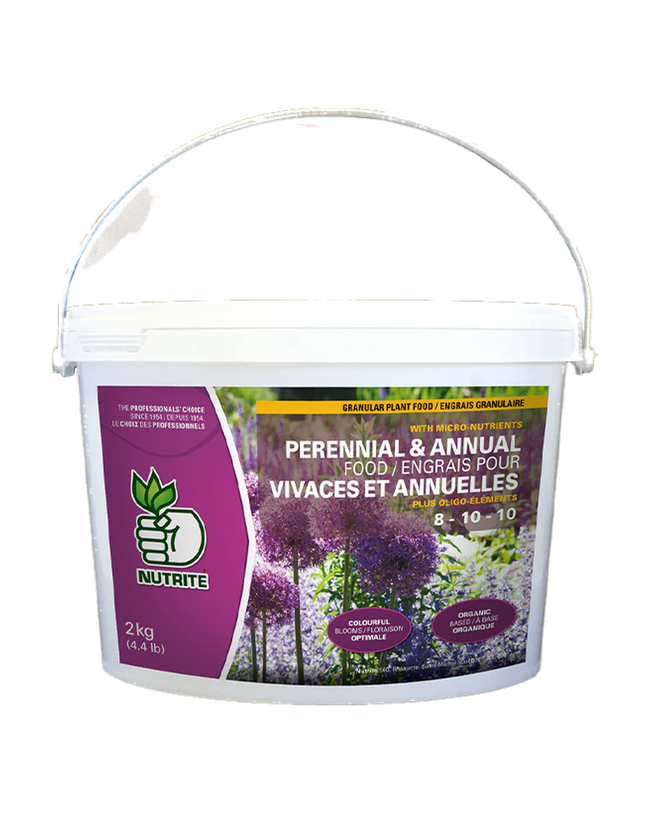
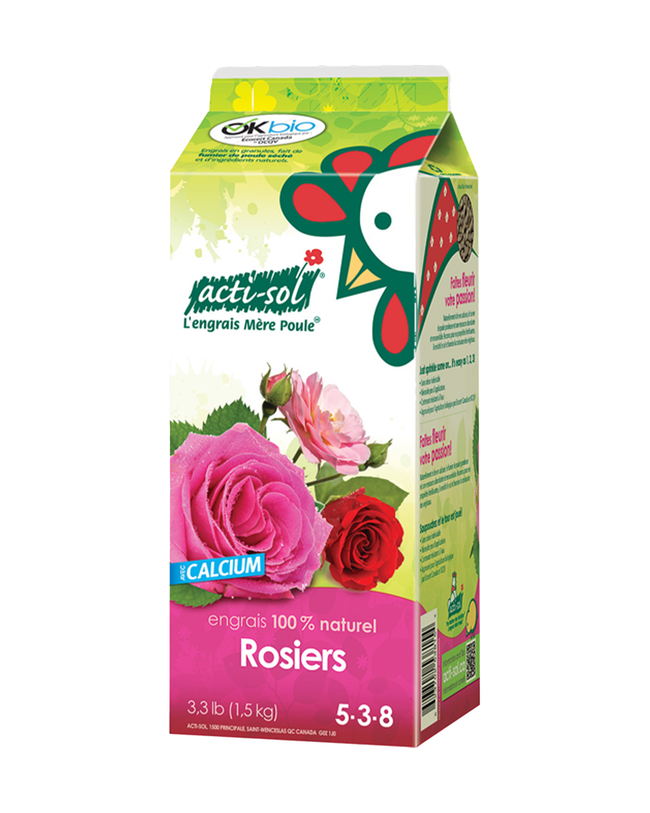
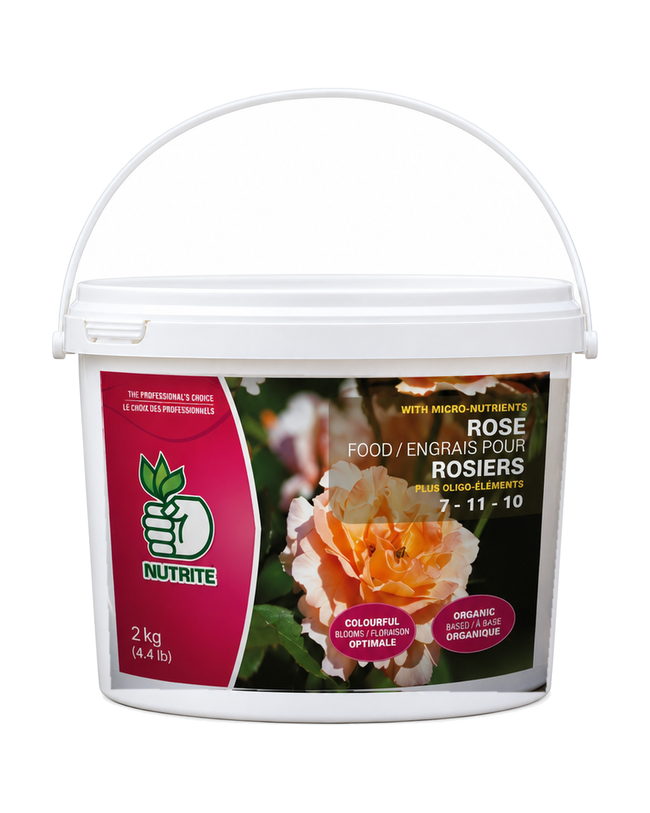
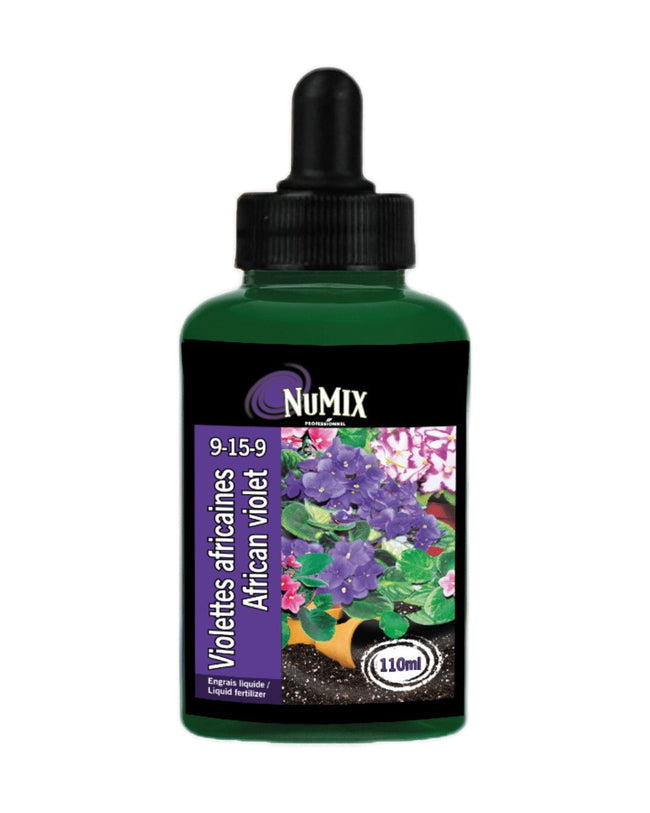
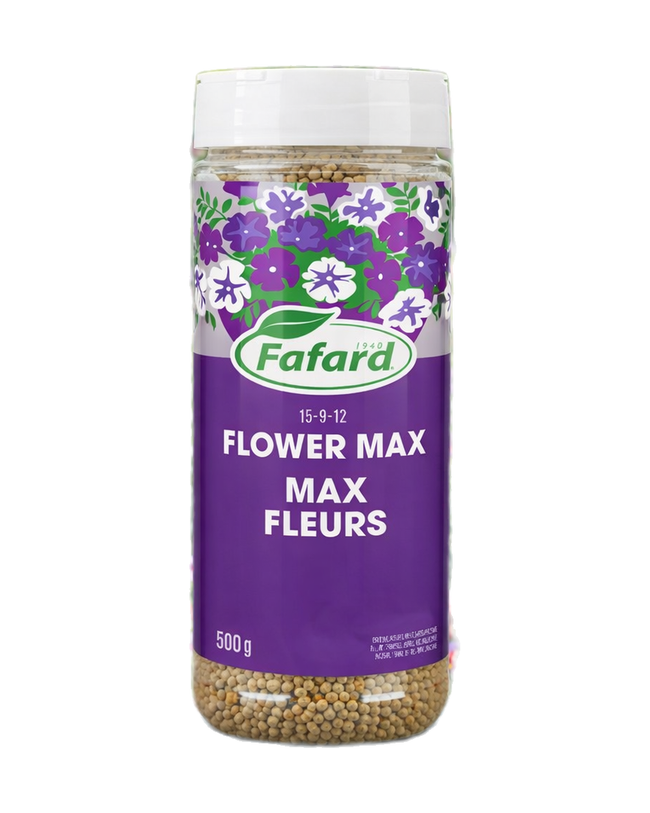
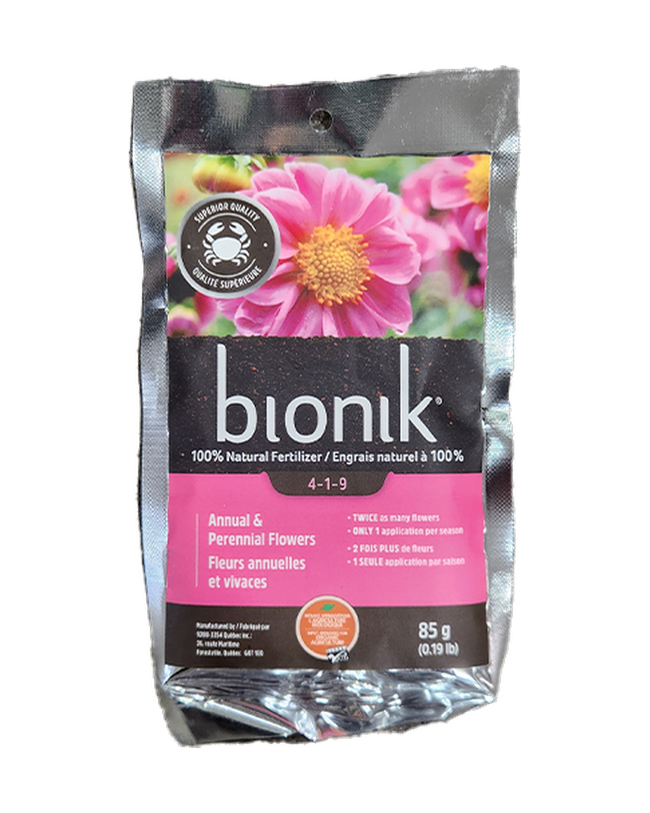
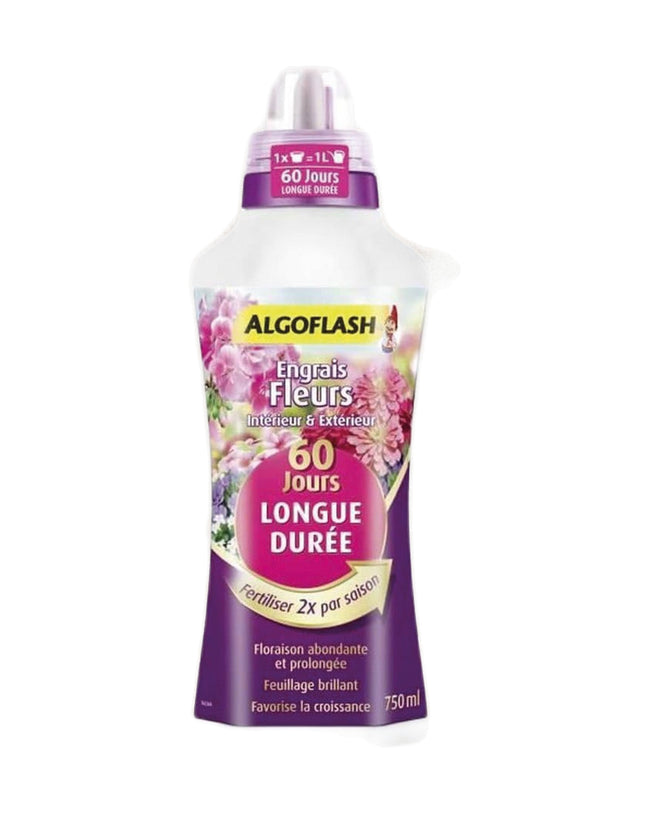
Flower and Bloom Fertilizer
Shop the collection
Hand Tools
Shop the collection