


Fine Herbs
Angelic
Products and available quantities may vary between Brossard and Laval. To check a store’s inventory, please contact us directly.
Even better: visit us in store to discover the full selection available!
- Exposure
- Full sun to partial shade
- Hardiness
- Zone 3
Discover the plant
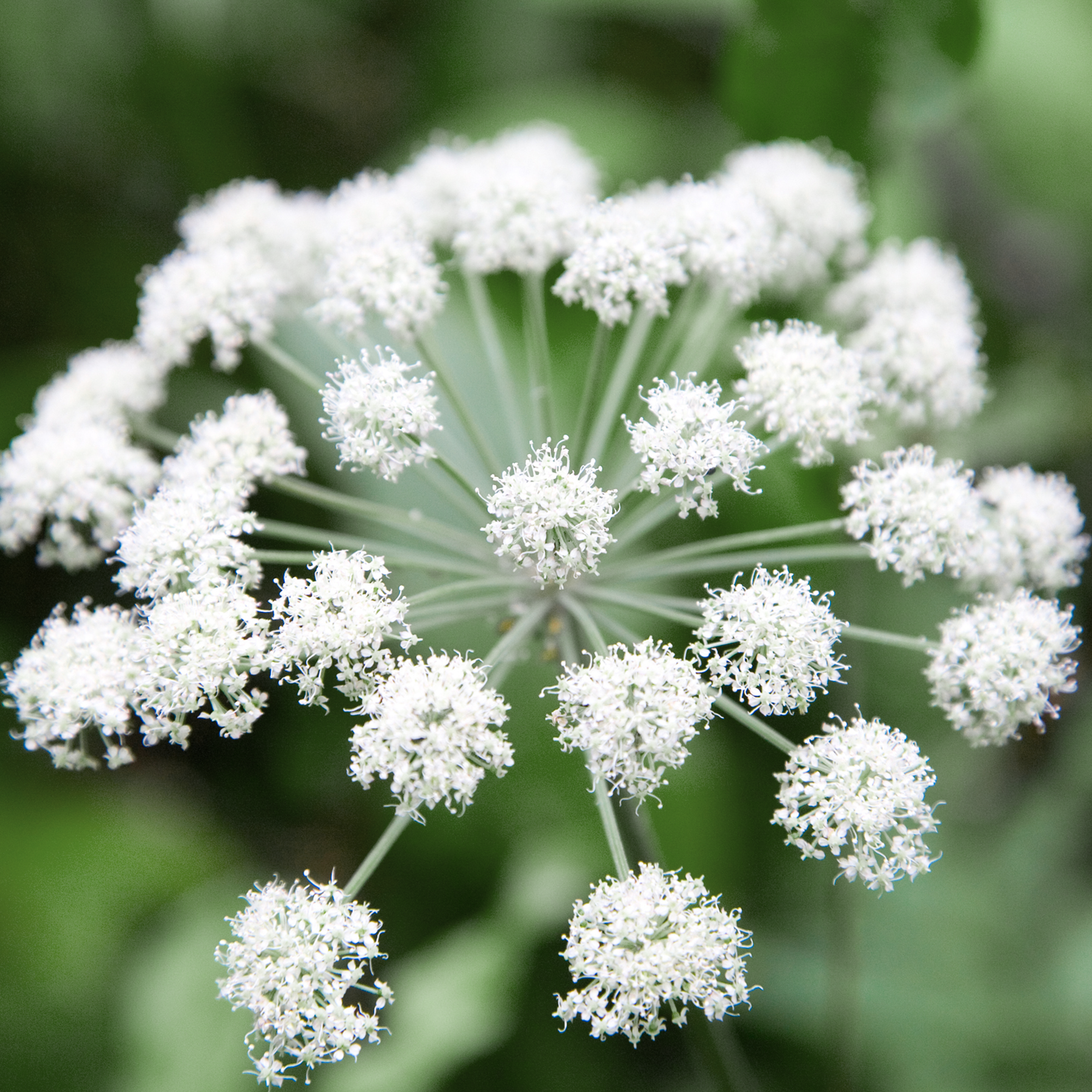
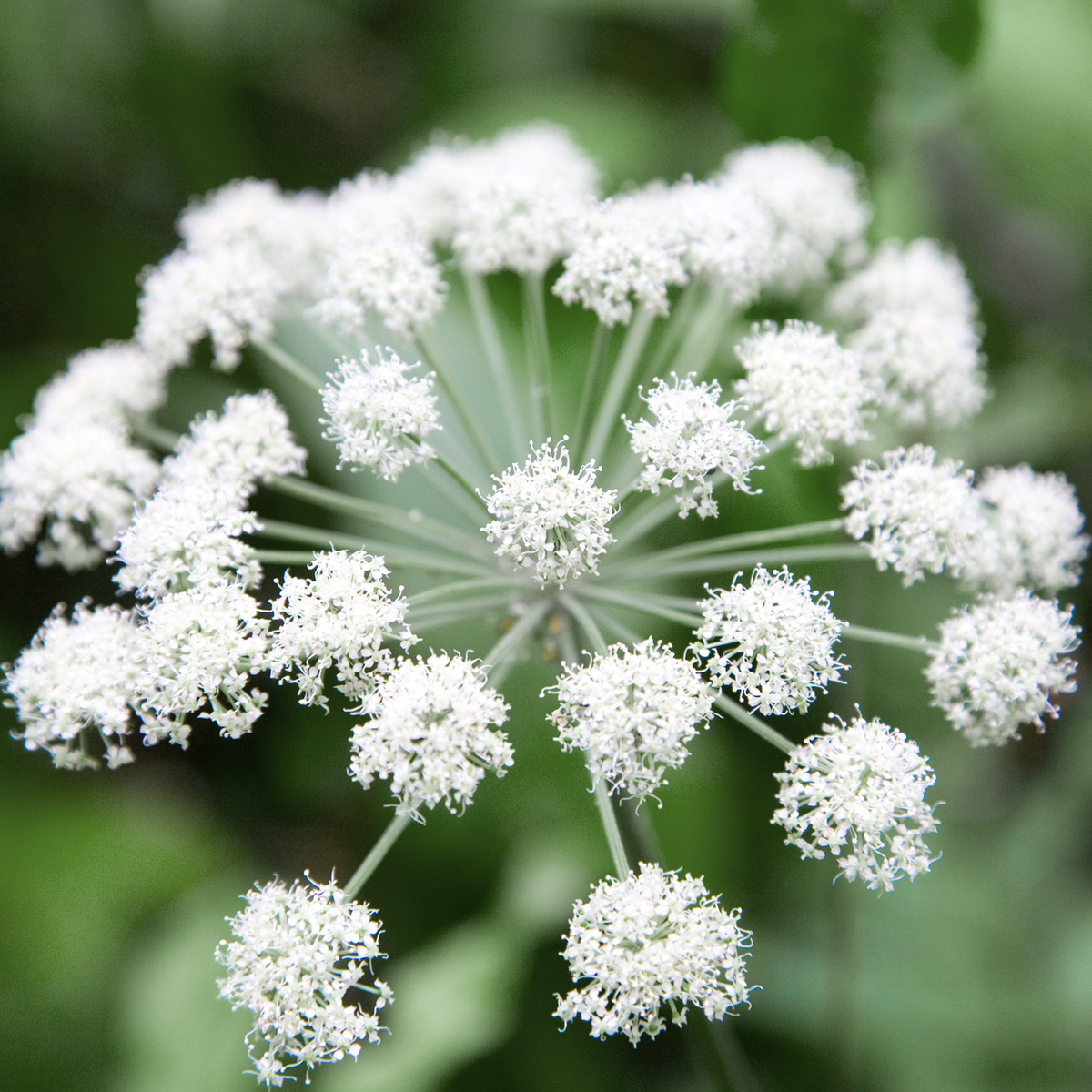
Angelica is a biennial or short-lived perennial aromatic and medicinal plant, appreciated for its majestic appearance, its large cut leaves, and its greenish to creamy white flower umbels. It brings a lot of height and structure to the garden, making it an ideal plant for herb gardens, naturalized beds, country gardens, and edible landscapes. Its imposing foliage and wild look create a very decorative natural effect, while attracting pollinators during flowering.
Easy to grow in the right conditions, angelica prefers a location in sun or partial shade, in rich, cool, deep, and well-drained soil. It likes soils that retain some moisture without becoming waterlogged, which makes it interesting near a vegetable garden, a medicinal garden, or a cooler part of the land. Its vigorous growth can quickly add volume to a landscape, and it is best to reserve enough space for it to fully develop its wide and vertical silhouette.
Traditionally recognized as a medicinal and aromatic plant, angelica is also cultivated for its fragrant stems, leaves, and seeds, sometimes used in cooking, infusions, or confectionery. Its decorative flowering attracts several beneficial insects and helps to make the garden more lively and biodiverse. With its architectural style, distinctive fragrance, and its ornamental, culinary, and medicinal interest, angelica is a remarkable plant to enrich an herb garden, a natural vegetable garden, or a wild-looking perennial bed.

Planting guide
From planting to establishment.
Soil and care
The right care,at the right time.
Soil pH
Minimum temperature
Care level
Watering
Soil type
Fertilization
Moisture
Seasonal care
Container growing
A garden,within reach.
Bloom and dimensions
Its place,in your garden.
Mature height
Width / spread
Flower color
Foliage color
Foliage type
Growth rate
Bloom period
Fruiting
Harvest
Garden associations
In goodcompany.
Companion plants
Plants to avoid
Wildlife and pets