


Sale
Sold out

Asteraceae
Annuals
Argyranthemum
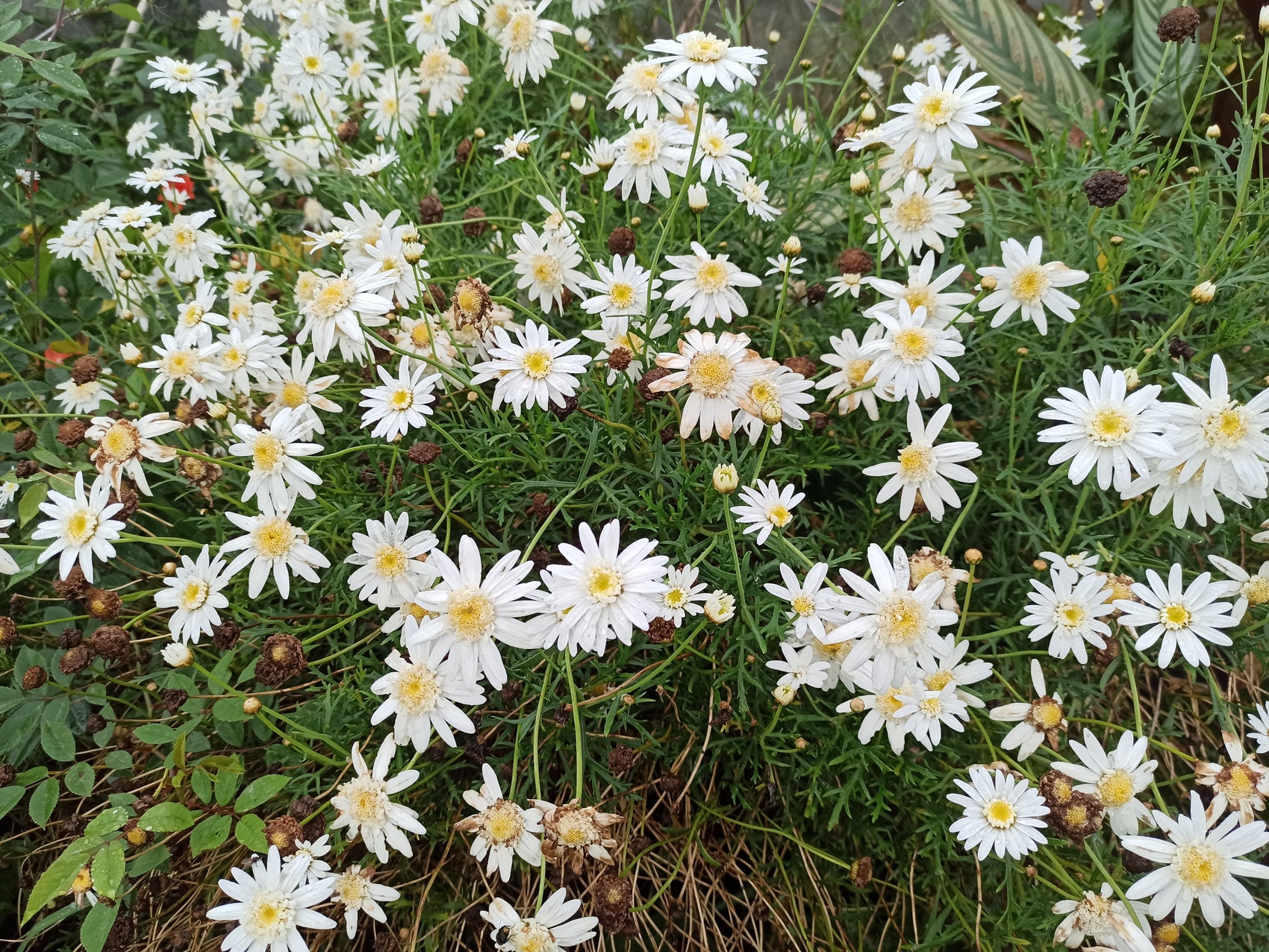
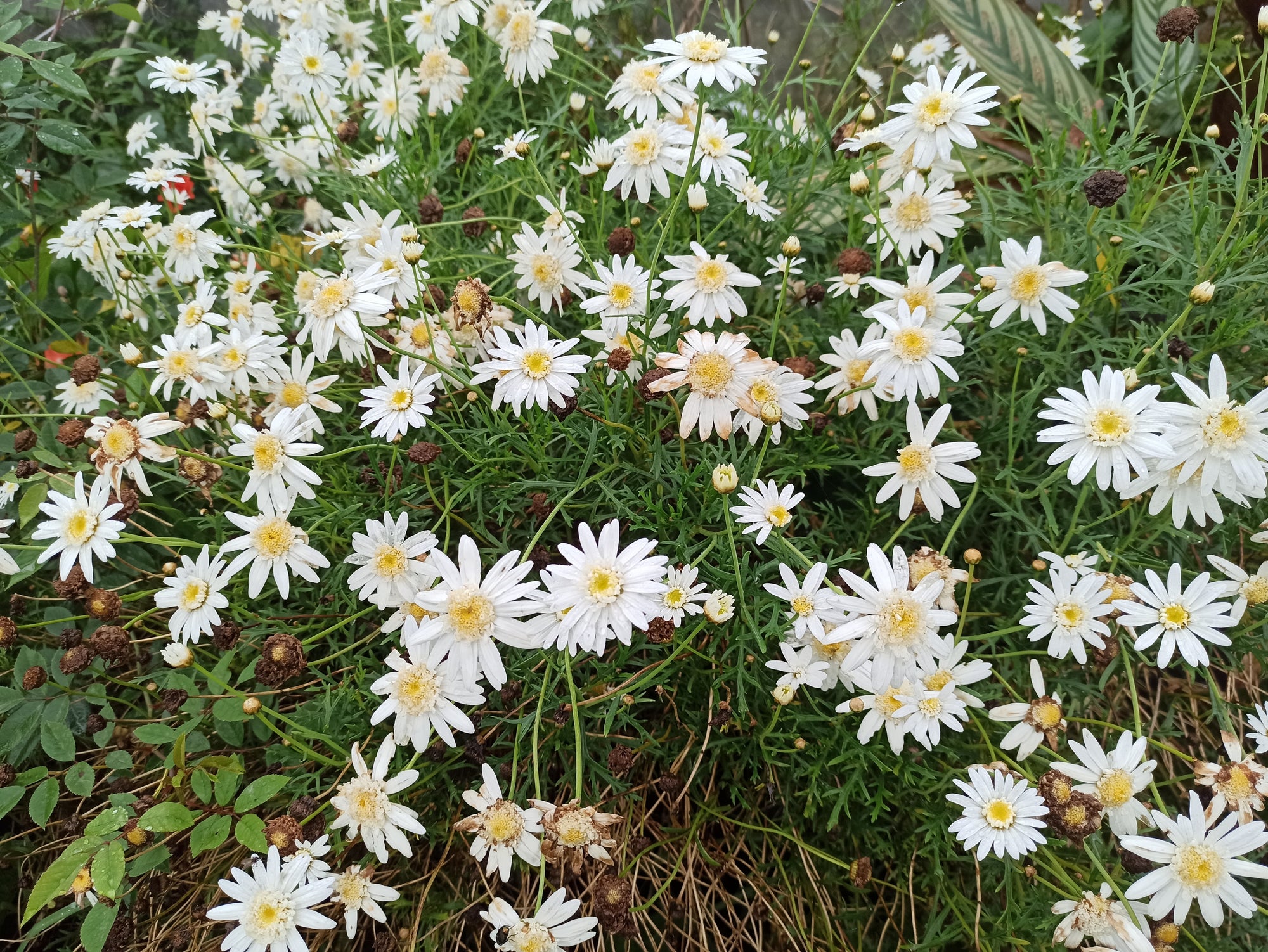
Argyranthemum, also known as the Canary daisy, produces an abundant, daisy-like bloom from spring to autumn. Perfect for pots, balconies, or sunny beds.
Hardiness
Not hardy
Difficulty level
Easy
Discover the plant
Family
Asteraceae
Argyranthemum is a flowering plant highly valued for its abundant, bright, and elegant blooms, reminiscent of daisies. Its single or double flowers, depending on the variety, can be white, pink, yellow, or red, and quickly add a fresh and colorful touch to potted plants, window boxes, balcony planters, and summer flowerbeds. With its compact and generous habit, argyranthemum is perfect for creating a floral display around the patio, entrance, balcony, or garden.
Easy to incorporate into landscaping, argyranthemum prefers a sunny to lightly semi-shaded location and well-drained, rich, and slightly moist soil. Regular watering promotes beautiful, continuous flowering, especially in containers where the soil dries out more quickly. To encourage the production of new flowers, it is recommended to remove spent blooms as they appear and to fertilize lightly during the growing season.
Cultivated as an annual in our regions, argyranthemum offers excellent decorative performance from spring until cooler temperatures. Its long-lasting flowering, finely cut foliage, and neat appearance make it an ideal choice for outdoor arrangements, patio pots, and seasonal floral compositions. It is a perfect plant to add color, volume, and a chic country effect to outdoor spaces.

Planting guide
From plantingto establishment.
Propagation
Cuttings or seeds
Soil and care
The rightconditions.
Soil pH
Slightly acidic to neutral
Fertilization
Regular fertilizing every 2 to 3 weeks in pots
Care level
Easy
Seasonal care
Remove faded flowers to prolong blooming; prune lightly if the plant becomes leggy
Container growing
A controlledenvironment.
Excellent for container growing in a well-drained pot or container
Bloom and dimensions
The completeprofile.
Bloom periodSpring to Fall
Flower colorWhite, pink, yellow or red depending on the cultivar
Foliage colorGreen
Foliage typePersistent in mild climates
Maximum height30 to 60 cm (12 to 24 inches)
Maximum width30 to 60 cm (12 to 24 inches)
Growth rateRapid growth
Hardiness zoneNot hardy
Minimum temperature32 °F
Garden associations
What to plantwith it.
Flowering pot, balcony, planter, annual bed, patio
Its strengths, naturally.

Not recommended for pets
Pets


