Sale
Sold out

Hardy perennial
Saxifragaceae
Perennials
Astilbe 'Red Sentinel'
Astilbe
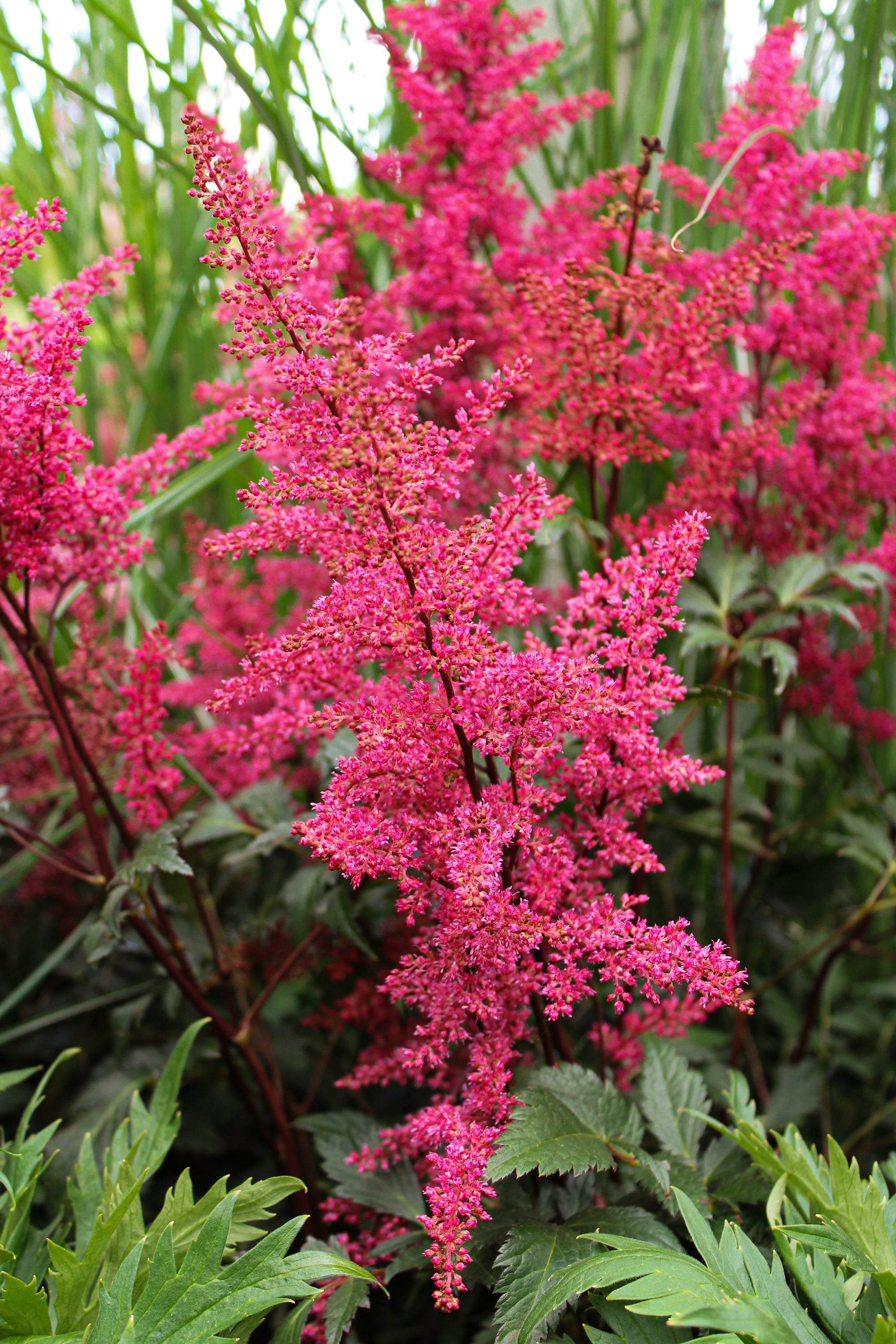
Astilbe 'Red Sentinel': 50 cm tall and 50 cm spread, sun to partial shade. Red, scarlet flowers in June-July. Zone 3; choose soil compatible with its moisture needs.
- Exposure
- Sun to partial shade
- Life cycle
- Hardy perennial
- Hardiness
- Zone 3
Discover the plant
Common nameAstilbe 'Red Sentinel'
FamilySaxifragaceae
GenusAstilbe
CultivarRed Sentinel
TypeHardy perennial
Botanical nameAstilbe
Astilbe ‘Red Sentinel’ (Astilbe ‘Red Sentinel’) has a silhouette suitable for this use: middle of the border and group planting. This tall variety forms an upright and dense clump composed of deeply cut dark green foliage that creates a magnificent contrast with its vertical inflorescences borne on dark red stems. In early summer, from June to July, its colorful plumes dominate the foliage and bring a remarkable presence to shaded areas of the garden. Reaching approximately 51 cm (20 in) in height and 51 cm (20 in) in width, it easily integrates into borders, mass plantings, edges, and landscape designs where soil moisture is naturally present. Its elegant habit, vibrant color, and ability to brighten shaded spaces make it a plant of choice for gardens in Quebec.
The success of Astilbe ‘Red Sentinel’ begins with its location: sun to partial shade, in suitable soil (kept moist, Clay). For Astilbe ‘Red Sentinel’, regularly check the soil around the root ball: it must remain fresh. Water at the base when the surface begins to dry and adjust waterings to rainfall; this exposure (sun to partial shade) does not eliminate water needs. A margin corresponding to its spread of 50 cm avoids having to move the clump in the first seasons. The indicated hardiness zone is 3, to be assessed according to your garden's conditions.
The maintenance of Astilbe ‘Red Sentinel’ relies mainly on observing the clump: monitor watering during hot spells and remove old stems when the clump regrows in spring. Drying of the root ball shortens the flowering of astilbes and can cause the edges of the leaves to brown. For associations, consider echinaceas, daylilies, and perennial geraniums in varieties with similar needs. The flowering period (June-July) and the spread of 50 cm will serve as benchmarks for arranging other plants around this plant.

Planting guide
From planting to establishment.
Spacing / density
50 cm
Best planting time
Spring after the thaw or early autumn, allowing the roots to settle before the severe cold.
Propagation
Division of clumps
Growing method
Astilbe 'Red Sentinel': Spring after the thaw or early autumn, allowing the roots time to establish before the severe cold. For Astilbe 'Red Sentinel', regularly check the soil around the root ball: it must remain moist. Water at the base when the surface begins to dry and adjust the amount of water according to rainfall; this exposure (sun to partial shade) does not eliminate the need for water. Drying out of the root ball shortens the astilbes' flowering period and can cause the edges of the leaves to brown.
Soil and care
The right care,at the right time.
Soil pH
Slightly acidic to neutral
Care level
Easy
Watering
For Astilbe ‘Red Sentinel’, regularly check the soil around the root ball: it must remain moist. Water at the base when the surface begins to dry and adjust watering based on rainfall; this exposure (sun to partial shade) does not eliminate the need for water.
Soil type
Kept moist, Clayey
Fertilization
Fertilizer for flowering
Moisture
Regular cooling during growth
Seasonal care
Astilbe ‘Red Sentinel’: monitor watering during hot spells and remove old stems when new growth appears in spring. During its flowering period (June-July), also look out for damaged stems and neighboring plants that might overshadow the clump.
Container growing
A garden,within reach.
Recommended pot size
A stable, perforated container, significantly wider than the root ball; size to be adapted to the format sold and the adult development.
To try Astilbe 'Red Sentinel' in a container, choose a stable pot with drainage holes, suitable for the root ball and its future size (50 cm). The substrate must remain fresh; it will dry out more quickly than in the ground. Plan to protect the container in winter depending on your climate.
Bloom and dimensions
Its place,in your garden.
Mature height
50 cm
Width / spread
50 cm
Flower color
Red
Foliage color
Green
Foliage type
Deciduous, finely dissected
Growth rate
Moderate
Growth habit
Erected
Fragrance
Not documented for this selection
Bloom period
June-July

Garden associations
In goodcompany.
Companion plants
Companion plants to consider for Astilbe ‘Red Sentinel’: coneflowers, daylilies, perennial geraniums. Choose varieties that tolerate sun to partial shade and comparable moisture; allow each clump its adult space.
Plants to avoid
Around Astilbe 'Red Sentinel', especially avoid neighbors that would cover its leaves or strongly compete with its rootball. Compatibility in terms of light, water, and spread takes precedence over a list of so-called enemy plants.
Frequently asked questions
Your questions,answered.
Where to plant Astilbe 'Red Sentinel'?
Provide sun to partial shade and suitable soil (kept moist, clayey). The drying out of the root ball shortens the flowering period of astilbes and can cause the edges of the leaves to turn brown.
What is the best place for Astilbe 'Red Sentinel'?
Expect a height of about 50 cm and a width of 50 cm at maturity. Allow about 50 cm between centers, to be adjusted according to the actual development of the clump. This size is suitable for use in the middle of a flower bed and in group plantings.
When does Astilbe 'Red Sentinel' bloom?
The period indicated is June-July. The color palette of the flowers is red, scarlet. The exact date and duration depend on the climate, the season, and the plant's establishment.
How to water and care for Astilbe 'Red Sentinel'?
For Astilbe 'Red Sentinel', regularly check the soil around the root ball: it should remain moist. Water at the base when the surface begins to dry and adjust the water supply according to rainfall; this exposure (sun to partial shade) does not eliminate the need for water. Monitor watering during hot weather and remove old stems when the clump regrows in spring.
Can Astilbe 'Red Sentinel' be grown in a pot?
To try Astilbe 'Red Sentinel' in a container, choose a stable pot with drainage holes, suitable for the root ball and its future size (50 cm). The substrate must remain fresh; it will dry out more quickly than in the ground. Plan to protect the container in winter depending on your climate.
Wildlife and pets
Life,around your plants.
Supporting wildlife
Although this variety is not particularly known for attracting butterflies or hummingbirds, its blossoms contribute to enriching the garden's biodiversity and can encourage the presence of certain beneficial pollinating insects. It thus contributes to the vitality of shaded landscape designs.
For your perennials and grasses
The right extras.Right here.
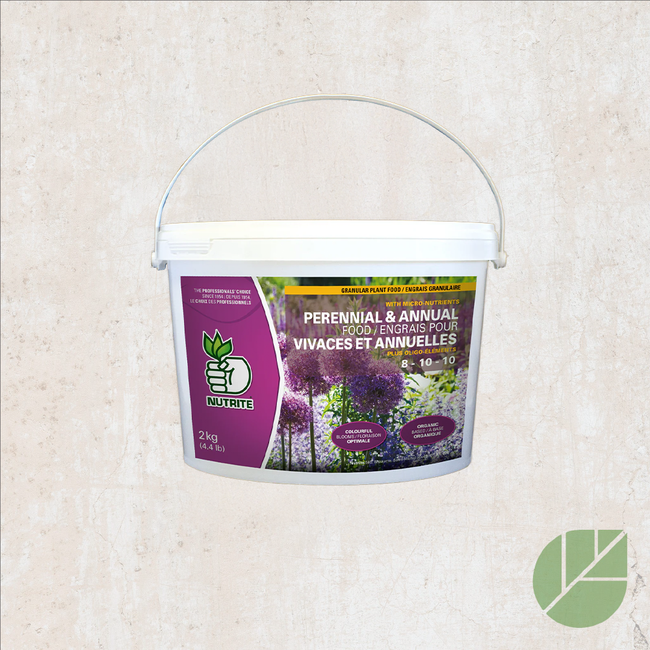
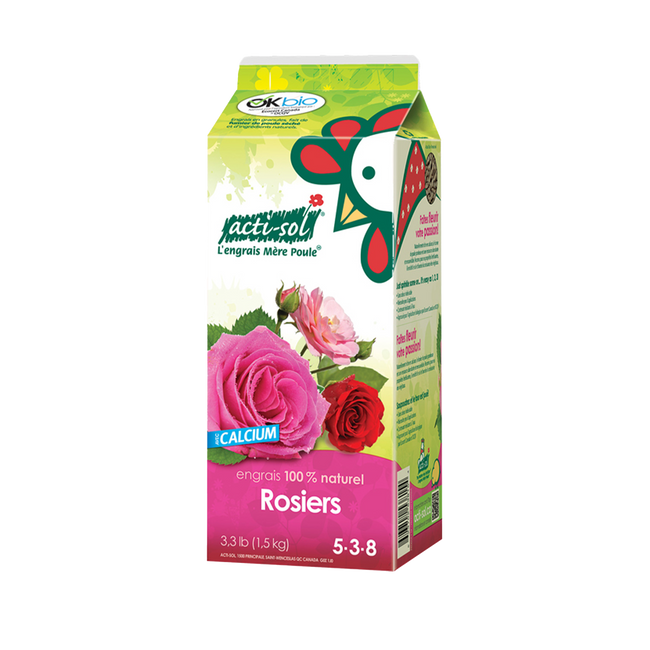
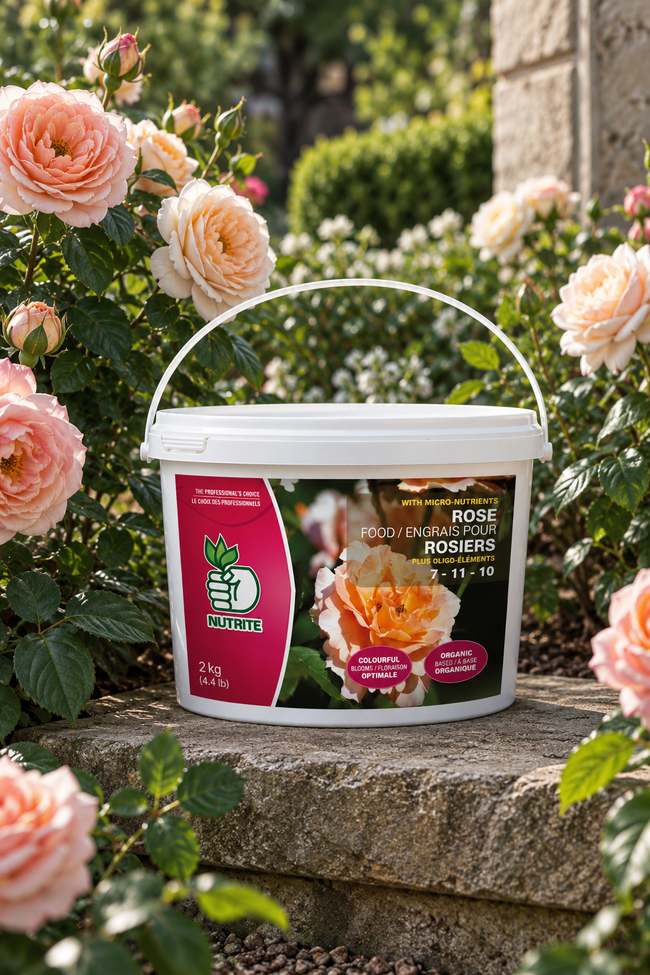
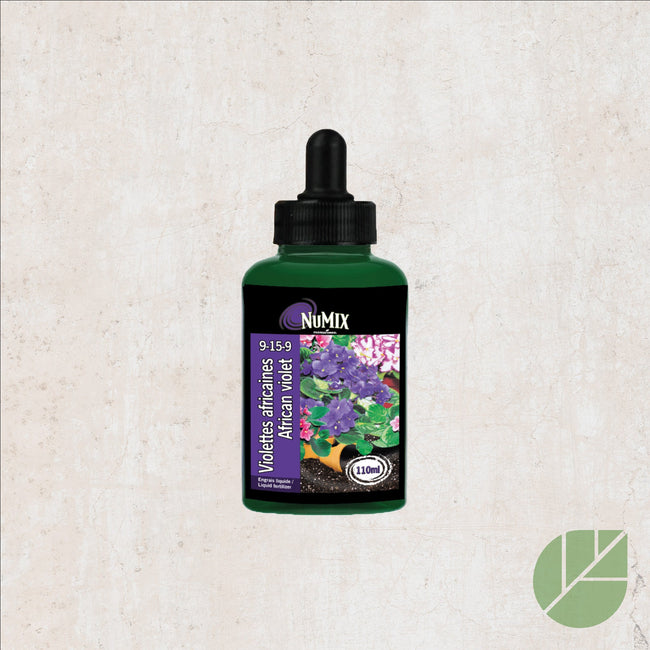
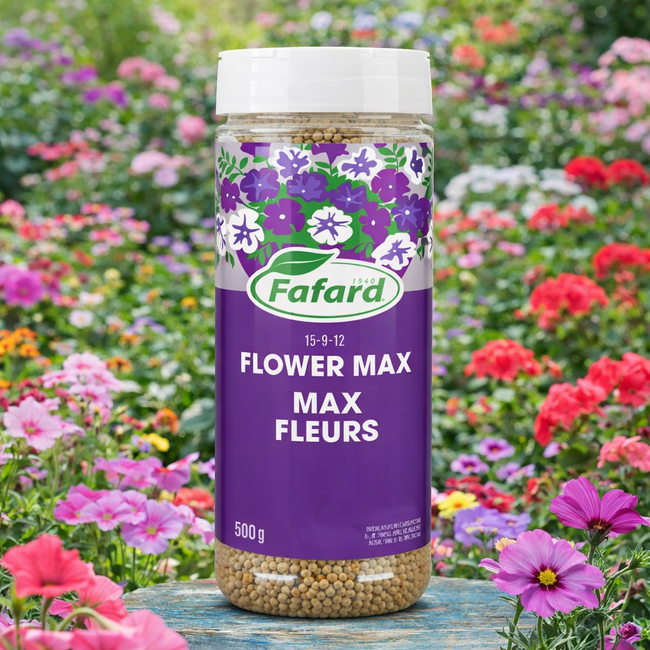
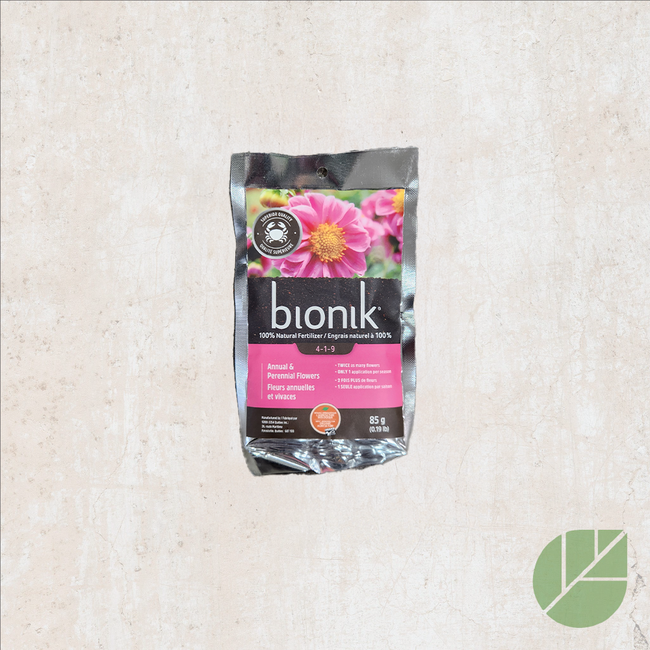
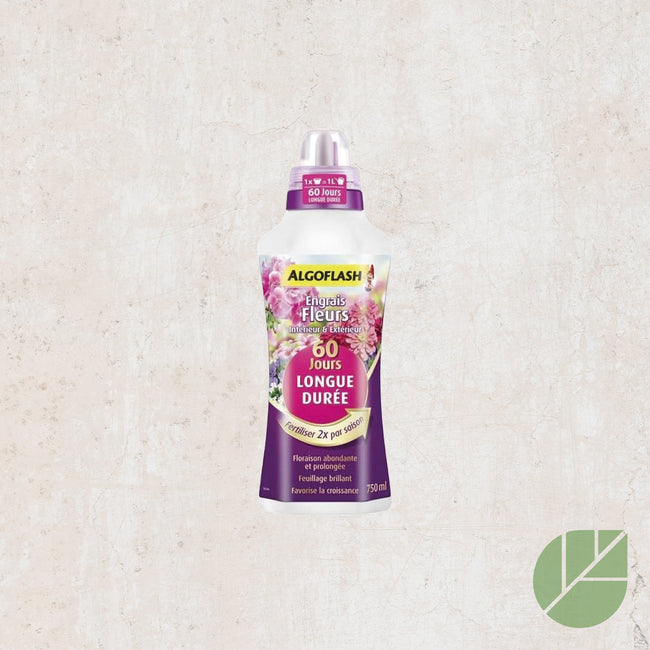
Flower and Bloom Fertilizer
Shop the collection
Hand Tools
Shop the collection