


Fine Herbs
Elecampane
Products and available quantities may vary between Brossard and Laval. To check a store’s inventory, please contact us directly.
Even better: visit us in store to discover the full selection available!
- Exposure
- Full sun to partial shade
- Hardiness
- 3 to 8
Discover the plant
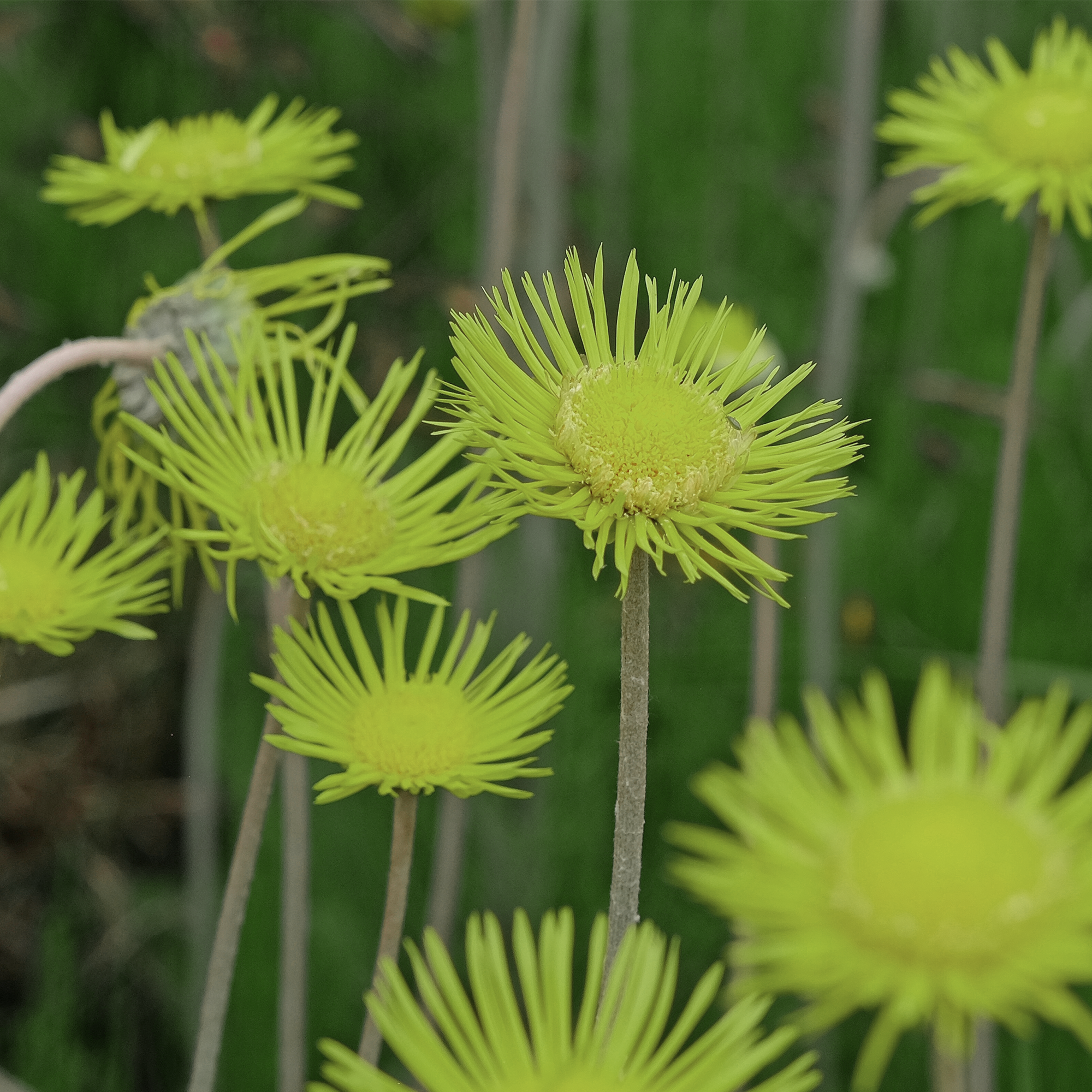
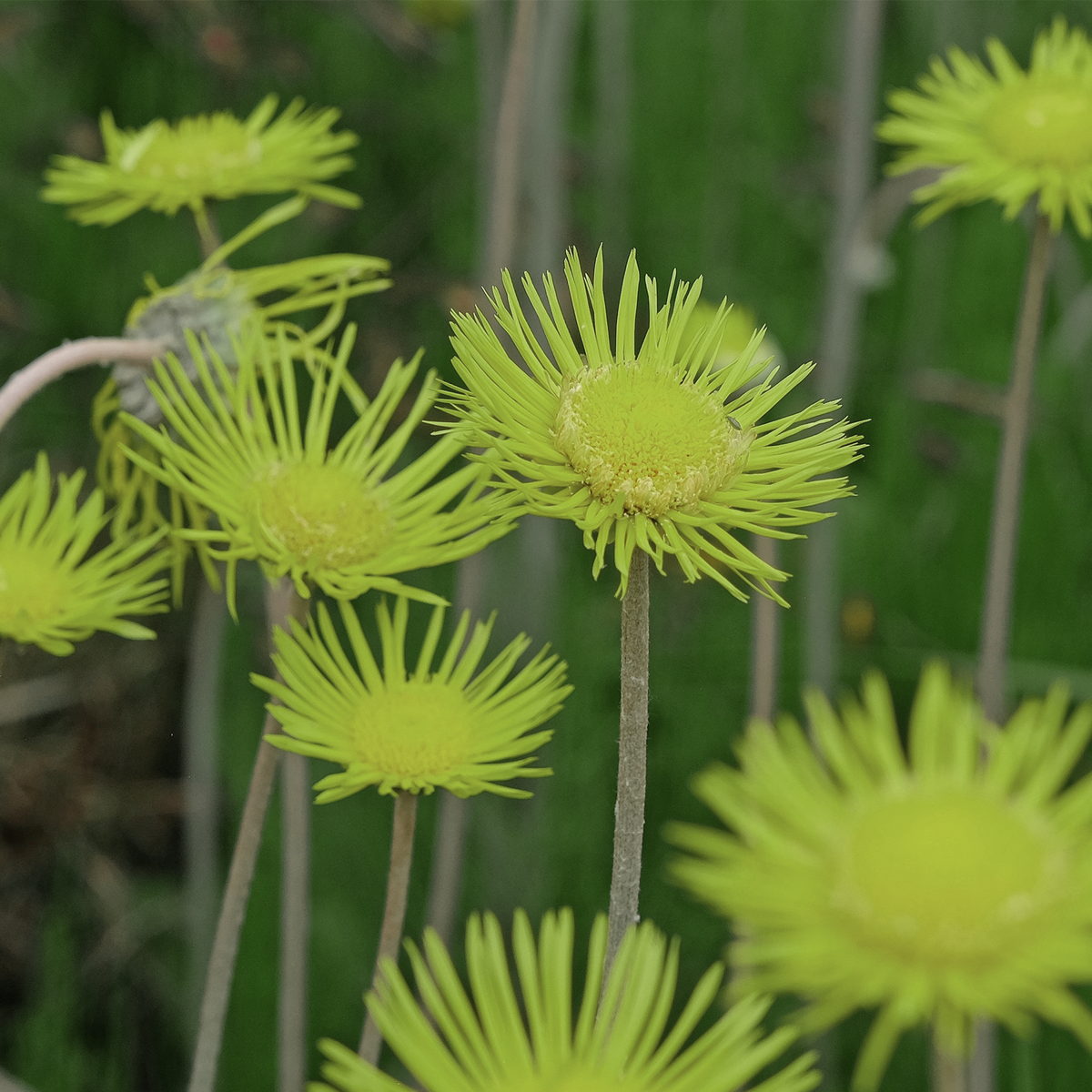
Elecampane is a tall, perennial medicinal plant with a rustic charm, prized for its robust habit, broad foliage, and bright yellow flowers reminiscent of a wild daisy. It quickly adds height, volume, and a natural effect to perennial borders, medicinal plant gardens, naturalized landscapes, and meadow-style spaces. Its decorative flowers attract pollinators and add a beautiful sunny touch to the garden during the summer.
Easy to grow, elecampane prefers a sunny to slightly partially shaded location, in rich, cool, deep, and well-drained soil. It appreciates soils that retain some moisture, especially during hot periods, and can become an imposing plant once established. It is best to reserve enough space for it at the back of a border, near a fence, in a medicinal garden, or in a natural setting where its vertical silhouette can fully develop.
Traditionally recognized as a medicinal plant, elecampane is also cultivated for its spectacular presence, wild appearance, and high ornamental value. Its broad foliage creates a beautiful contrast with grasses, yarrows, coneflowers, bee balms, and other sun-loving perennials. It is an ideal plant for adding a botanical, rustic, and pollinator-friendly dimension to the garden, while enriching spaces dedicated to aromatic, medicinal, and natural plants.

Planting guide
From planting to establishment.
Soil and care
The right care,at the right time.
Soil pH
Minimum temperature
Care level
Watering
Soil type
Fertilization
Moisture
Seasonal care
Container growing
A garden,within reach.
Bloom and dimensions
Its place,in your garden.
Mature height
Width / spread
Flower color
Foliage color
Foliage type
Growth rate
Bloom period
Harvest
Garden associations
In goodcompany.
Companion plants
Plants to avoid
Wildlife and pets