

 Bionik marine and forest compost 0.6-1.8-0.13$9.99
SaleSold out

Lamiaceae
Fine Herbs
'Boxwood' Basil
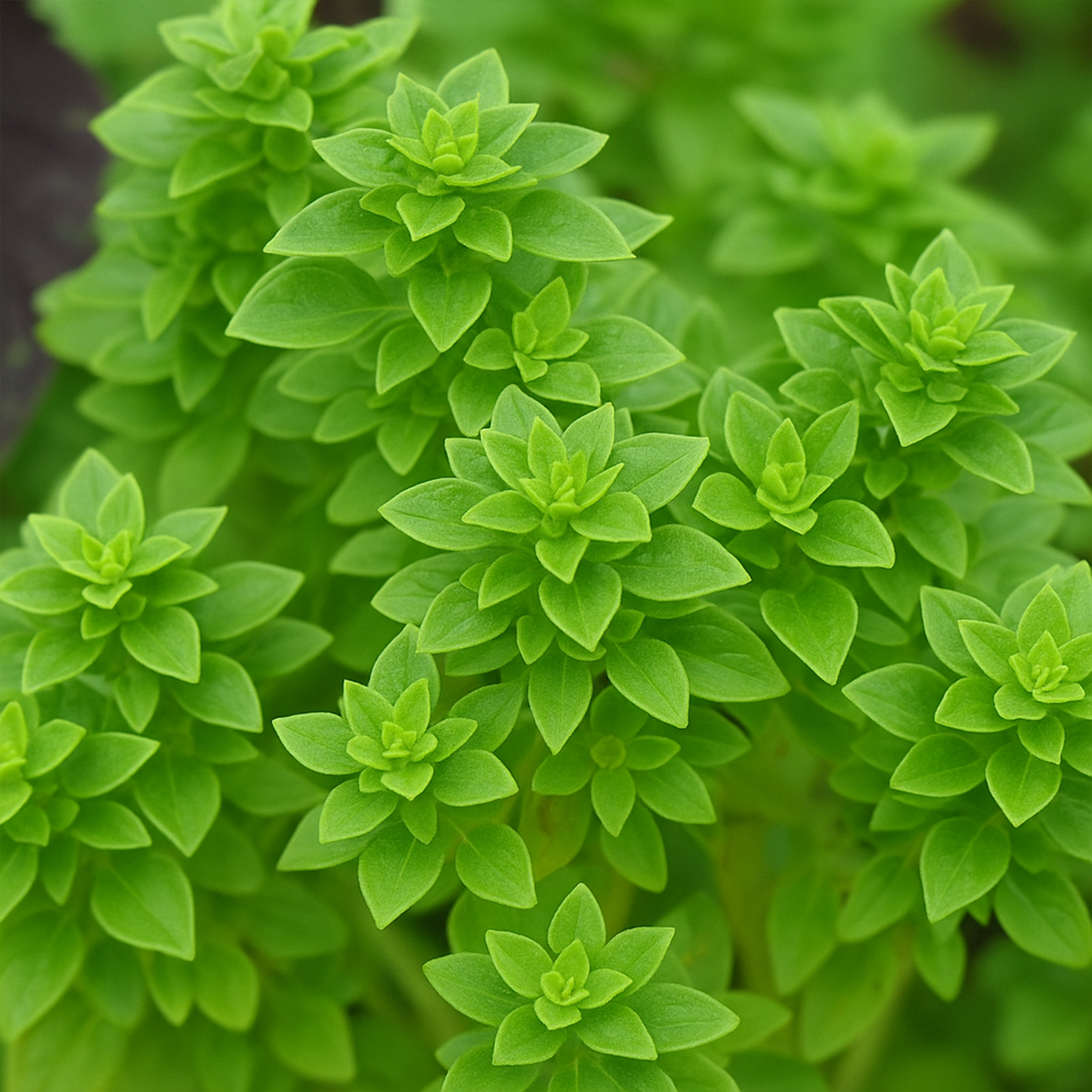
'Boxwood' basil is a small-leaved basil with a dense, rounded habit, perfect for edible borders, pots, planters, and fresh culinary use.
Pair it with
Bionik marine and forest compost 0.6-1.8-0.13$9.99Choose the essentials to add to your selection.
Format
$3.99
Each store has its own inventory.
Products and available quantities may vary between Brossard and Laval. To check a store’s inventory, please contact us directly.
Even better: visit us in store to discover the full selection available!
- Exposure
- Full sun
- Hardiness
- Not hardy
Discover the plant
Common name'Boxwood' Basil
FamilyLamiaceae
TypeAnnual
Botanical nameOcimum basilicum 'Boxwood'
‘Boxwood’ basil is a compact and highly decorative variety, prized for its naturally dense, rounded, and well-structured habit. Its small, fine, and very aromatic green leaves resemble the appearance of boxwood, making it an excellent choice for creating pretty edible borders, neat herb pots, gourmet planters, or decorative arrangements near the kitchen. Despite its ornamental appearance, it retains the classic scent of basil and can be easily used in sauces, salads, pestos, tomato dishes, pasta, and summer recipes.
Easy to grow, ‘Boxwood’ basil prefers a warm, sunny, and wind-protected location, in fertile, light, and well-drained soil. It performs particularly well in containers, on a patio, balcony, or in an urban garden, where its compact habit remains tidy and easy to maintain. Regular watering helps keep the foliage tender and flavorful, while avoiding excess water around the roots. To keep the plant bushy, it is recommended to frequently harvest young shoots and pinch back stem tips as needed.
Very versatile, ‘Boxwood’ basil is perfect for gardeners looking for an herb that is productive, aesthetic, and easy to integrate into small spaces. Its dense foliage allows for the creation of an edible mini-hedge effect, ideal for structuring a vegetable garden, framing a flower bed, or beautifying decorative pots. It is an original and practical basil variety, combining culinary freshness, intense aroma, and great ornamental value throughout the season.

Planting guide
From planting to establishment.
Propagation
Seed or cutting
Soil and care
The right care,at the right time.
Soil pH
Slightly acidic to neutral
Minimum temperature
10°C
Care level
Easy
Watering
Regular; keep the soil slightly moist without waterlogging
Soil type
Fertile, light, warm, and well-drained soil
Fertilization
Light and regular fertilizing in pots; avoid excess nitrogen
Moisture
Average humidity; prefers warm, well-drained soil
Seasonal care
Pinch lightly to maintain a compact habit; remove flowers to prolong leaf production
Container growing
A garden,within reach.
Excellent in pots in a small well-drained container

Bloom and dimensions
Its place,in your garden.
Mature height
25 to 40 cm (10 to 16 in.)
Width / spread
20 to 30 cm (8 to 12 inches)
Flower color
White to pale purple
Foliage color
Green
Foliage type
Persistent in hot climates
Growth rate
Rapid growth
Bloom period
Summer to Fall Harvest and Bloom
Harvest
Leaves from spring to fall
Garden associations
In goodcompany.
Companion plants
Tomatoes, peppers, eggplants, parsley
Wildlife and pets
Life,around your plants.
Supporting wildlife
Bees, butterflies