

 Bionik marine and forest compost 0.6-1.8-0.13$9.99
SaleSold out

Herbe culinaire
Lamiaceae
Fine herbs
Greek Basil
Ocimum basilicum var. minimum
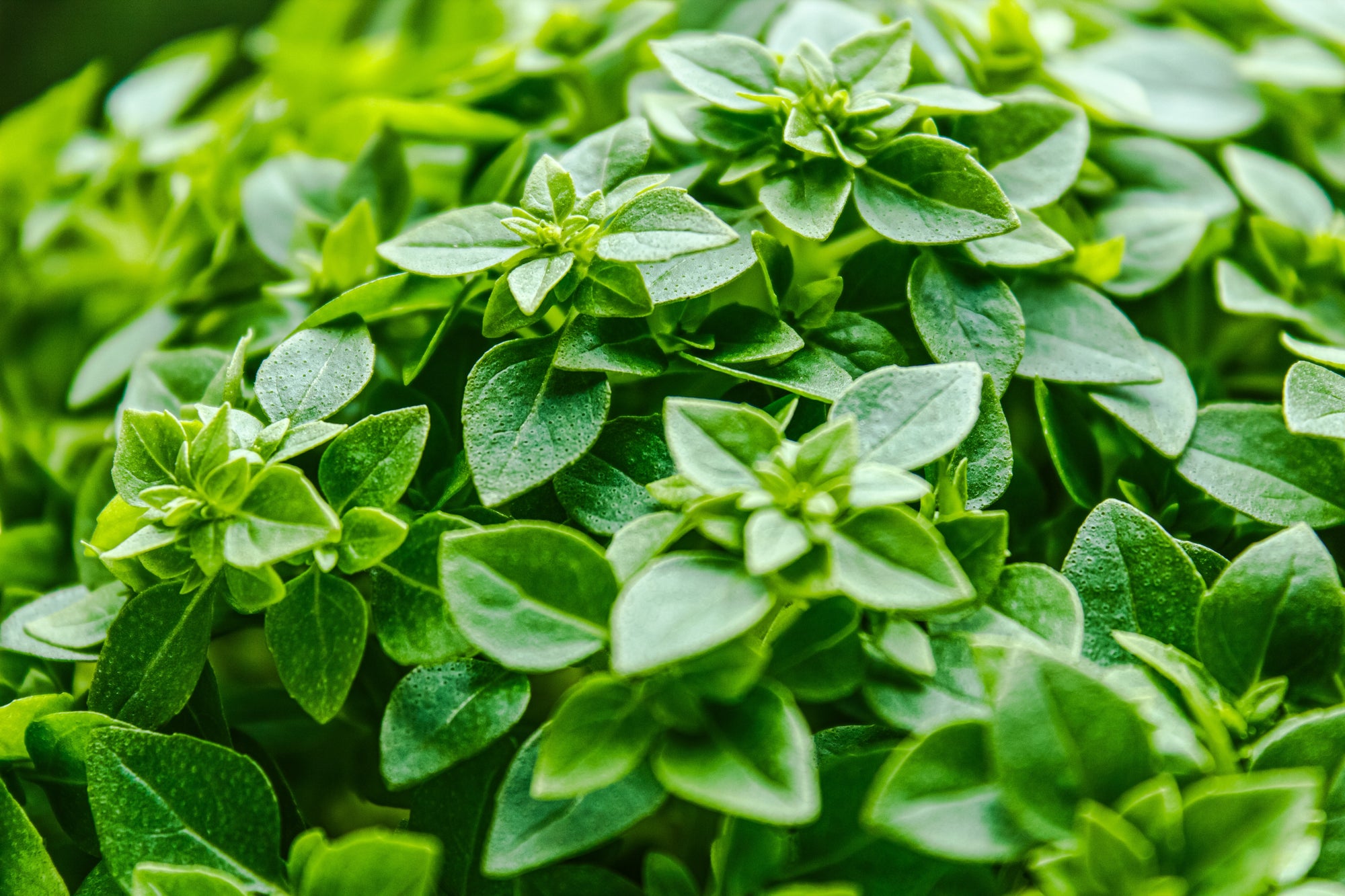
Compact Greek basil with a naturally rounded habit, valued for its very small, aromatic, edible green leaves. Perfect for pots, edible borders, or fresh culinary use.
Pair it with
Bionik marine and forest compost 0.6-1.8-0.13$9.99Choose the essentials to add to your selection.
Format
$3.99
Each store has its own inventory.
Products and available quantities may vary between Brossard and Laval. To check a store’s inventory, please contact us directly.
Even better: visit us in store to discover the full selection available!
- Exposure
- Soleil
- Life cycle
- Annuelle
Discover the plant
Common nameGreek Basil
FamilyLamiaceae
GenusOcimum
Speciesbasilicum var. minimum
TypeHerbe culinaire
Botanical nameOcimum basilicum var. minimum
Greek basil is a compact annual herb, highly valued for its naturally rounded habit and fine, dense, and very aromatic foliage. Its small green leaves release a classic basil scent, fresh, slightly peppery, and very flavorful, perfect for tomato sauces, salads, pasta, pizzas, marinades, pestos, and Mediterranean dishes. Thanks to its bushy and well-structured form, it is ideal for pots, planters, edible borders, urban gardens, and small spaces near the kitchen.
Easy to grow, Greek basil prefers a warm, sunny, and wind-protected location, in fertile, light, and well-drained soil. It performs particularly well in containers, where its compact habit remains decorative and easy to maintain. Regular watering helps keep the foliage tender and fragrant, while avoiding excess water at the roots. To encourage a denser plant and prolong harvesting, it is recommended to regularly pinch the stem tips and remove flowers as soon as they appear.
Both decorative, productive, and very practical in the kitchen, Greek basil is an excellent choice for creating an elegant and gourmet herb garden. Its miniature foliage is easily harvested as needed and adds a fresh flavor to summer recipes without requiring large leaves to cut. It is a perfect variety for basil lovers looking for a compact, fragrant, aesthetic plant that is easy to integrate on a terrace, balcony, or in a sunny vegetable garden.

Planting guide
From planting to establishment.
Growing method
Préparez l’emplacement de Basilic grec avant d’installer une plante enracinée dans la plate-bande. Choisissez une exposition soleil et un sol frais et bien drainé. Arrosez la motte après la plantation, puis vérifiez le substrat et le terrain voisin; maintenez l’humidité convenant à cette plante sans emprisonner l’eau autour de sa base. Installez après le risque de gel printanier et gardez les racines fraîches sans les détremper. Examinez les taches ou le dépérissement avant d’augmenter l’engrais; de l’espace et un accès d’arrosage facilitent l’entretien. Évitez un terrain gelé ou saturé et réservez du temps pour arroser après les travaux. Examinez la motte avant de la sortir du contenant; humidifiez-la si elle a séché. Préparez le sol voisin pour offrir aux racines un milieu de croissance utilisable, puis retirez délicatement le pot et placez le collet au niveau précédent. Comblez autour de la motte sans enfouir le centre de croissance ni compacter le sol au point de bloquer l’eau. Arrosez lentement pour mettre les racines en contact avec le terrain et gardez la surface dégagée pour les inspections. Pendant la première saison, observez la motte d’origine et le sol voisin, surtout après la chaleur ou le vent. Retirez à la main les mauvaises herbes près du collet. Pincez certaines extrémités et boutons floraux pour favoriser la ramification feuillue sans dénuder toute la plante. Guidez l’entretien suivant avec les nouvelles pousses et l’humidité réelle au lieu d’un calendrier qui ignore les conditions de plantation.
Soil and care
The right care,at the right time.
Watering
Arrosez la motte après la plantation, puis vérifiez le substrat et le terrain voisin; maintenez l’humidité convenant à cette plante sans emprisonner l’eau autour de sa base. Pour Basilic grec, examinez l’humidité dans la zone des racines au lieu de regarder uniquement la surface. Une motte nouvellement plantée peut sécher à un rythme différent du terrain voisin. Versez l’eau avec soin, puis réévaluez avant de répéter la même quantité selon un horaire fixe.
Soil type
Basilic grec demande un sol frais et bien drainé. Évaluez le terrain avant la plantation, notamment les endroits où l’eau s’accumule après la pluie et la compaction autour de l’emplacement. Les racines ont besoin d’un milieu convenable au-delà de leur motte de pépinière; préparez donc une zone utilisable plutôt qu’une poche isolée de sol amélioré. Vérifiez l’état du terrain après la pluie avant de décider si l’eau s’évacue convenablement.
Fertilization
Light and regular fertilization in pots; avoid excess nitrogen
Seasonal care
Pinch lightly to keep a dense shape; remove flowers to prolong leaf production
Container growing
A garden,within reach.
Un contenant de Basilic grec demande la même exposition soleil qu’au jardin, avec davantage de surveillance des racines et de l’humidité. Choisissez un pot stable pendant le développement et vérifiez ses trous avant d’ajouter le terreau. Adaptez le volume à la motte au lieu de prendre un pot surdimensionné dont le centre demeure humide longtemps. Employez un terreau convenable, gardez le collet au niveau précédent et arrosez doucement pour installer les racines. Arrosez la motte après la plantation, puis vérifiez le substrat et le terrain voisin; maintenez l’humidité convenant à cette plante sans emprisonner l’eau autour de sa base. Examinez le contenant après la pluie et l’arrosage, surtout s’il repose dans un cache-pot. Videz l’eau accumulée et gardez le collet visible pour le nettoyage. Les plantes associées doivent partager l’exposition et laisser de l’espace plutôt que remplir immédiatement chaque ouverture. Suivez la dose d’engrais pour contenants et accordez d’abord la priorité à la lumière et à l’humidité. Prévoyez une culture saisonnière au Québec et protégez les pousses sensibles du gel; préparez un emplacement abrité convenable avant le froid automnal. Réévaluez le drainage et l’encombrement pendant la saison; déplacez ou rempotez la plante lorsque la disposition ne convient plus à ses racines ou à sa stabilité.
Bloom and dimensions
Its place,in your garden.
Fragrance
Feuillage aromatique
Harvest
Récoltez seulement la partie culinaire confirmée de Basilic grec : feuilles. Vérifiez son développement et son état avant la cueillette, en gardant assez de croissance saine pour poursuivre la saison lorsque possible. Utilisez des outils propres au besoin sans arracher la base. Écartez les parties abîmées ou inconnues et apportez la récolte utile rapidement à la cuisine. Préparez la partie comestible selon son usage culinaire établi, en séparant les débris du plat et en adaptant la quantité au repas.

Garden associations
In goodcompany.
Companion plants
Choisissez les compagnes de Basilic grec selon l’exposition soleil et le sol frais et bien drainé avant de comparer leurs couleurs. Les voisines doivent laisser de l’espace aux racines et garder la plante visible pendant leur développement. Un contraste de taille de feuille ou de silhouette crée une scène intéressante sans associer des besoins d’arrosage incompatibles. Arrosez la motte après la plantation, puis vérifiez le substrat et le terrain voisin; maintenez l’humidité convenant à cette plante sans emprisonner l’eau autour de sa base. Éloignez les plantes vigoureuses du collet et gardez l’accès pour inspecter la plantation. Ces associations relèvent de l’aménagement et de la culture; elles ne garantissent ni protection automatique contre les ravageurs ni floraison améliorée.
Recipe idea
From the gardento your plate.
Edible parts
Feuilles
Préparez une garniture fraîche avec Basilic grec pour des légumes, une salade ou une trempette simple au yogourt. Récoltez une petite quantité de feuilles culinaires saines sur la plante clairement identifiée, en gardant assez de feuillage pour la croissance. Lavez la récolte à l’eau propre, égouttez-la bien et retirez les parties abîmées. Hachez les feuilles utiles avec un couteau propre peu avant de servir. Incorporez-en un peu à du yogourt nature avec du jus de citron et de l’huile d’olive, puis goûtez avant d’en ajouter; l’herbe doit accompagner le plat plutôt que le dominer. Pour une salade, ajoutez les feuilles après avoir lavé et disposé les légumes afin de voir leur texture. Servez cette garniture près d’un plat cuit ou la trempette avec des légumes préparés. Séparez les outils de jardin des ustensiles et évitez les feuilles ayant reçu des traitements inappropriés. Il s’agit d’un usage culinaire frais, sans extrait concentré, promesse médicinale ni conservation de longue durée. Adaptez l’assaisonnement au repas et préparez seulement la quantité nécessaire.
Frequently asked questions
Your questions,answered.
Basilic grec : Où faut-il l’installer?
Installez Basilic grec avec une exposition soleil et un sol frais et bien drainé. Choisissez d’abord l’emplacement pour ses besoins culturaux, puis considérez la vue depuis une allée ou un coin repos. Les feuilles aromatiques constituent le principal intérêt culinaire de ce basilic, et de petites fleurs apparaissent si les pousses mûrissent. Réservez l’espace des racines et de la silhouette en développement, sans laisser les voisines vigoureuses l’ombrager. Le contenant de pépinière montre un stade de croissance; évitez donc de coincer la plante dans une ouverture rapidement encombrée. Gardez l’accès pour arroser et inspecter. Réévaluez après une saison complète, lorsque les voisines atteignent leur volume saisonnier.
Basilic grec : Comment faut-il l’arroser?
Arrosez la motte après la plantation, puis vérifiez le substrat et le terrain voisin; maintenez l’humidité convenant à cette plante sans emprisonner l’eau autour de sa base. Vérifiez Basilic grec près des racines et observez le séchage de la motte d’origine et du terrain voisin. Une surface sèche ne décrit pas nécessairement l’humidité plus profonde. Arrosez lentement pour faire entrer l’eau dans la zone de croissance au lieu de la laisser ruisseler, puis vérifiez avant de répéter la même quantité. Le temps, l’exposition et le drainage changent l’intervalle entre les apports. Gardez le collet visible et adaptez l’arrosage après la pluie ou le vent, selon la plante et le sol plutôt qu’un horaire hebdomadaire fixe.
Basilic grec : Peut-on la cultiver en contenant?
Un contenant convient à Basilic grec si l’espace racinaire, la lumière et les soins saisonniers peuvent être maintenus. Prenez un pot stable avec un drainage adapté et assez de volume pour la motte en développement. Conservez l’exposition soleil, examinez l’humidité plus souvent que dans une plate-bande abritée et empêchez l’eau de rester dans le cache-pot. Prévoyez une culture saisonnière au Québec et protégez les pousses sensibles du gel; préparez un emplacement abrité convenable avant le froid automnal. Réévaluez pendant la croissance; une plante qui tient initialement dans un pot de pépinière peut demander davantage d’espace ou un emplacement au jardin par la suite.
Basilic grec : Quel nettoyage saisonnier faut-il prévoir?
Pincez certaines extrémités et boutons floraux pour favoriser la ramification feuillue sans dénuder toute la plante. Repérez d’abord le collet et les pousses nouvelles, puis retirez les parties abîmées sans couper les tissus sains uniquement pour obtenir une silhouette nette. Limitez les mauvaises herbes près de la base et examinez les changements du feuillage avant d’ajouter de l’engrais. Arrosez la motte après la plantation, puis vérifiez le substrat et le terrain voisin; maintenez l’humidité convenant à cette plante sans emprisonner l’eau autour de sa base. En automne, vérifiez le drainage et retirez les débris malades. Prévoyez une culture saisonnière au Québec et protégez les pousses sensibles du gel; préparez un emplacement abrité convenable avant le froid automnal. Fiez-vous au développement de la plante et au temps. Le calendrier varie entre les jardins du Québec, surtout selon la neige, le vent et l’humidité du sol au printemps.
Basilic grec : Comment l’associer aux autres plantes?
Associez Basilic grec à des plantes qui partagent l’exposition soleil et le sol frais et bien drainé. Utilisez les feuilles, les silhouettes et le développement saisonnier pour créer un contraste visible sans imposer des besoins d’arrosage incompatibles. Les feuilles aromatiques constituent le principal intérêt culinaire de ce basilic, et de petites fleurs apparaissent si les pousses mûrissent. Gardez assez d’espace pour voir la plante pendant la croissance et prévoyez un passage d’arrosage et d’inspection. Un petit groupe répété convient à une bordure longue; un seul sujet fonctionne près d’une allée ou de contenants. Observez les compagnes pendant une saison complète avant de combler les ouvertures temporaires du début du printemps.