

 Bionik marine and forest compost 0.6-1.8-0.13$9.99
SaleSold out

Lamiaceae
Fine Herbs
Holy basil
Holy basil, also called tulsi, is an aromatic plant with fragrant foliage, grown for herbal teas, the medicinal garden, and pollinators.
Pair it with
Bionik marine and forest compost 0.6-1.8-0.13$9.99Choose the essentials to add to your selection.
Format
$3.99
Each store has its own inventory.
Products and available quantities may vary between Brossard and Laval. To check a store’s inventory, please contact us directly.
Even better: visit us in store to discover the full selection available!
- Exposure
- Full sun
- Hardiness
- Zone 9 and above
Discover the plant
Common nameHoly basil
FamilyLamiaceae
TypeAnnual
Botanical nameHoly basil
Holy basil, also known as tulsi, is an aromatic and medicinal herb highly valued for its warm, spicy, and slightly peppery fragrance. Its green foliage, sometimes tinged with purple depending on the variety, gives off a distinctive aroma that sets it apart from classic culinary basils. It integrates very well into herb pots, urban gardens, medicinal gardens, and edible landscapes, where it provides fragrance, texture, and botanical interest.
Easy to grow in warm weather, holy basil prefers a sunny, warm, and wind-sheltered location, in fertile, light, and well-drained soil. It grows very well in containers on a terrace, balcony, or near the kitchen, provided regular watering is maintained without waterlogging the soil. Frequent harvesting of young shoots helps to keep the plant denser, more productive, and well-branched throughout the season.
Traditionally recognized as a medicinal plant in several cultures, holy basil is often used in infusions for its rich and comforting fragrance. Its leaves can also flavor certain drinks, spicy dishes, marinades, and recipes inspired by Asian cuisine. In addition to its aromatic interest, its flowering attracts pollinators, making it an excellent plant for creating a vibrant, useful, and biodiverse herb garden.

Planting guide
From planting to establishment.
Propagation
Sowing or cuttings
Soil and care
The right care,at the right time.
Soil pH
Slightly acidic to neutral
Minimum temperature
10°C
Care level
Easy
Watering
Regular; keep the soil slightly moist but not soggy
Soil type
Fertile, light, warm, well-drained soil
Fertilization
Light and regular fertilization when potted; avoid excess nitrogen
Moisture
Average humidity; prefers warm, well-drained soil
Seasonal care
Pinch regularly to promote dense growth; harvest leaves as needed and protect from cold
Container growing
A garden,within reach.
Excellent pot culture in a well-drained container
Bloom and dimensions
Its place,in your garden.
Mature height
45 to 60 cm (18 to 24 inches)
Width / spread
30 to 45 cm (12 to 18 inches)
Flower color
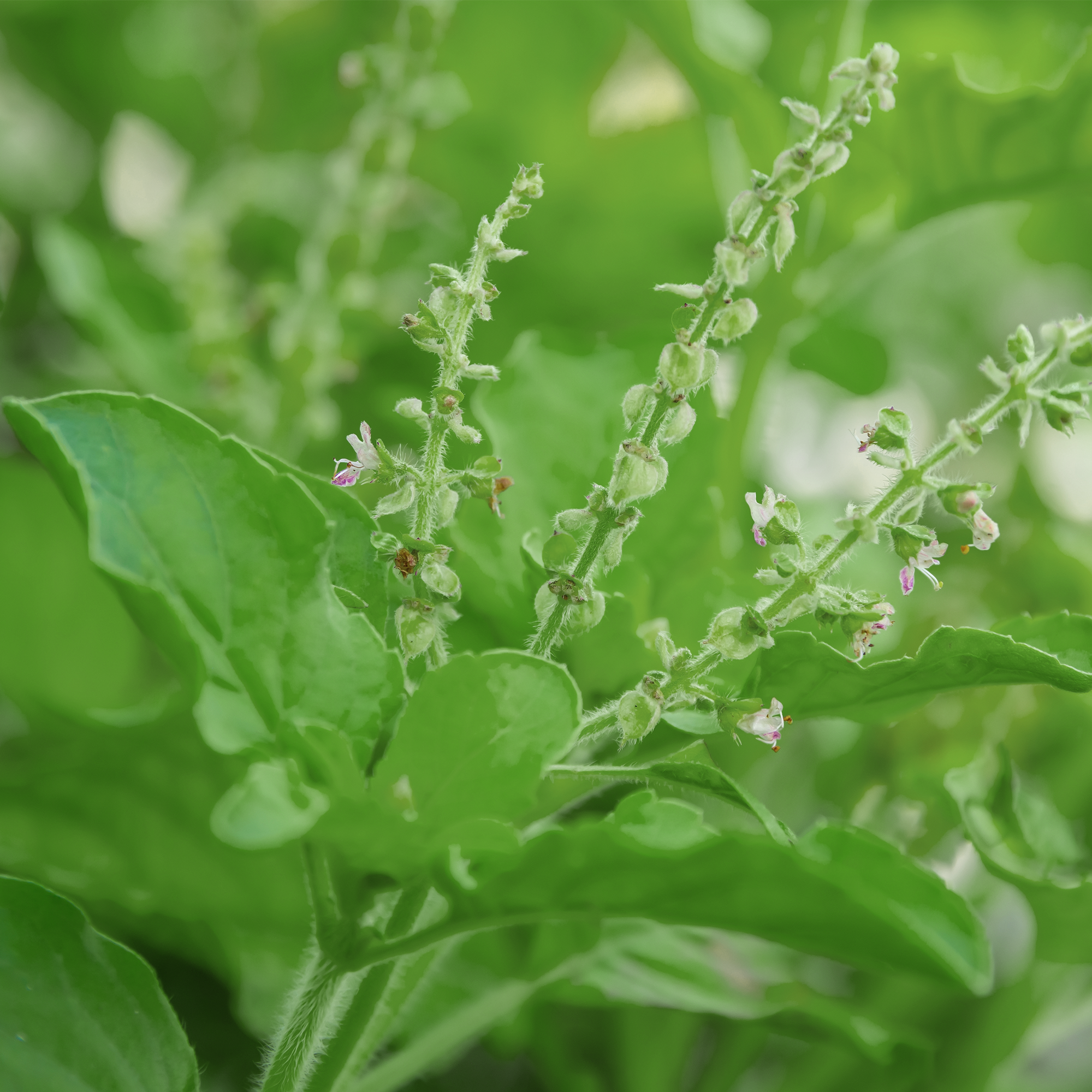
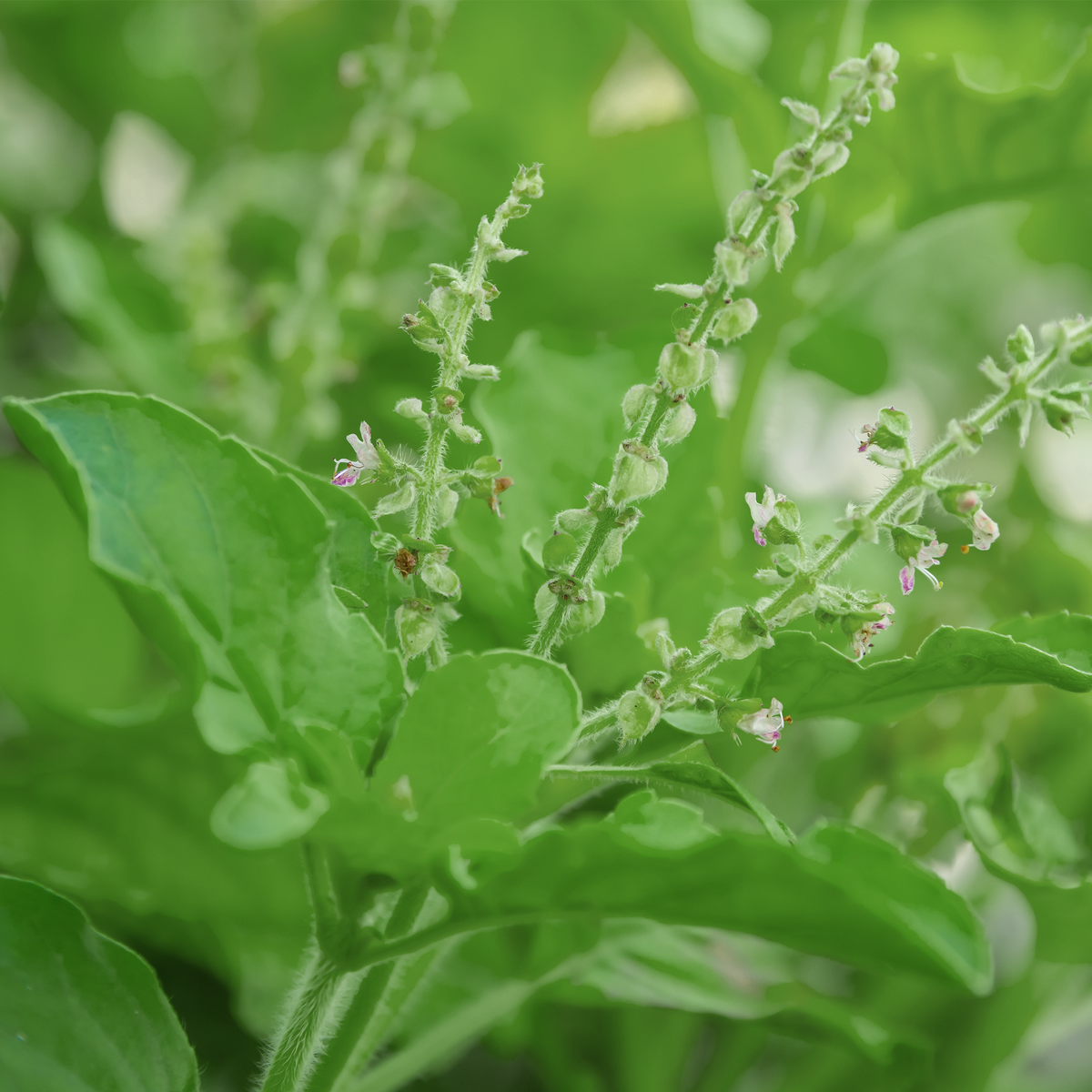
Pale mauve to pink
Foliage color
Green to purplish depending on the cultivar
Foliage type
Persistent in hot climates
Growth rate
Rapid growth
Bloom period
Harvest and Bloom from Summer to Fall
Harvest
Leaves: July to September
Garden associations
In goodcompany.
Companion plants
Tomatoes, peppers, eggplants, marigolds
Wildlife and pets
Life,around your plants.
Supporting wildlife
Bees, butterflies