

 Bionik marine and forest compost 0.6-1.8-0.13$9.99
SaleSold out

Lamiaceae
Fine Herbs
Lemon balm salve
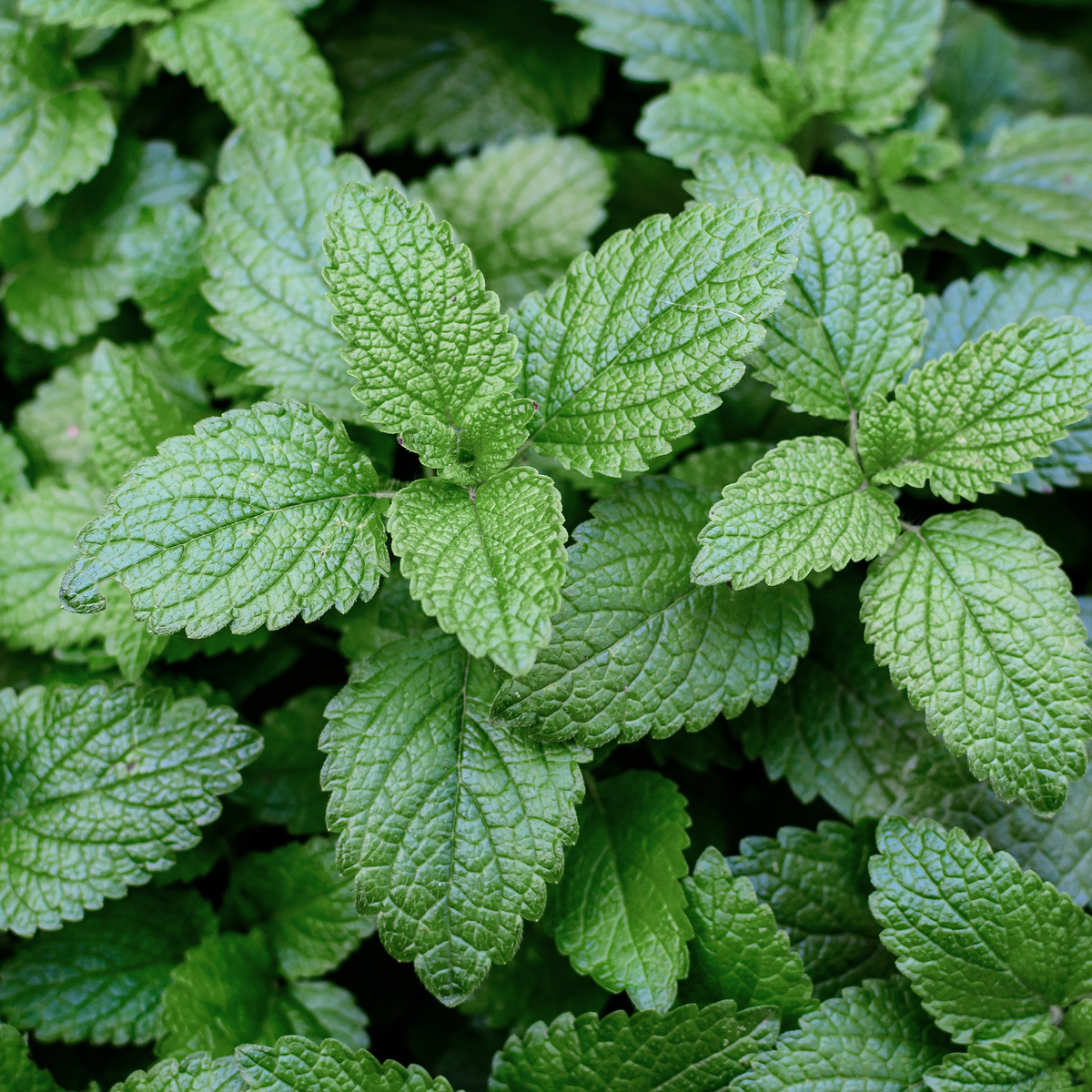
Lemon balm, also known as balm mint, is a hardy aromatic perennial with lemon-scented foliage, perfect for herbal teas, fresh cooking, and pollinator gardens.
Pair it with
Bionik marine and forest compost 0.6-1.8-0.13$9.99Choose the essentials to add to your selection.
Format
$3.99
Each store has its own inventory.
Products and available quantities may vary between Brossard and Laval. To check a store’s inventory, please contact us directly.
Even better: visit us in store to discover the full selection available!
- Exposure
- Sun to partial shade
- Hardiness
- Zone 3
Discover the plant
Common nameLemon balm
FamilyLamiaceae
TypePerennial
Botanical nameLemon balm
Lemon balm is a perennial aromatic plant much appreciated for its tender green foliage with a fresh, lemony, and slightly sweet scent. Easy to integrate into herb gardens, vegetable patches, edible flowerbeds, or containers, it forms a beautiful leafy clump that adds fragrance, texture, and a touch of freshness to landscaping. Its leaves can be used fresh or dried to flavor infusions, cold drinks, desserts, fruit salads, light sauces, and certain summer recipes.
Easy to grow, lemon balm prefers a location in sun or partial shade, in fertile, cool, and well-drained soil. It appreciates regular watering, especially during hot periods, to keep its foliage tender and well-aromatic. As it can spread once established, it grows very well in pots or in a delimited space to better control its growth. Regular pruning helps to keep the plant more compact, denser, and promotes the production of new fragrant leaves.
Traditionally recognized as a medicinal and aromatic plant, lemon balm is also an excellent plant for attracting pollinators when it flowers. Its lemon scent makes it an essential herb for gourmet gardens, relaxation areas, and family vegetable patches. Robust, fragrant, and easy to harvest, it is ideal for adding a useful, decorative, and very versatile plant to outdoor landscaping.

Planting guide
From planting to establishment.
Propagation
Sowing, division, or cuttings
Soil and care
The right care,at the right time.
Soil pH
Slightly acidic to neutral
Minimum temperature
-30°C
Care level
Easy
Watering
Regular, especially in hot weather
Soil type
Fertile, cool, and well-drained soil
Fertilization
Compost in spring; light fertilization as needed
Moisture
Average humidity; prefers cool but well-drained soil
Seasonal care
Trim regularly to maintain a compact shape and limit self-seeding; cut back foliage in autumn or spring
Container growing
A garden,within reach.
Pot culture recommended to control its expansion

Bloom and dimensions
Its place,in your garden.
Mature height
45 to 75 cm (18 to 30 inches)
Width / spread
45 to 60 cm (18 to 24 inches)
Flower color
White to pale pink
Foliage color
Green
Foliage type
Obsolete
Growth rate
Rapid growth
Bloom period
Summer
Harvest
Spring to Fall leaves
Garden associations
In goodcompany.
Companion plants
Mint, chives, parsley, calendulas
Wildlife and pets
Life,around your plants.
Supporting wildlife
Bees, pollinators