


Fine Herbs
Blessed thistle
Products and available quantities may vary between Brossard and Laval. To check a store’s inventory, please contact us directly.
Even better: visit us in store to discover the full selection available!
- Exposure
- Full sun to partial shade
- Hardiness
- Not hardy
Discover the plant
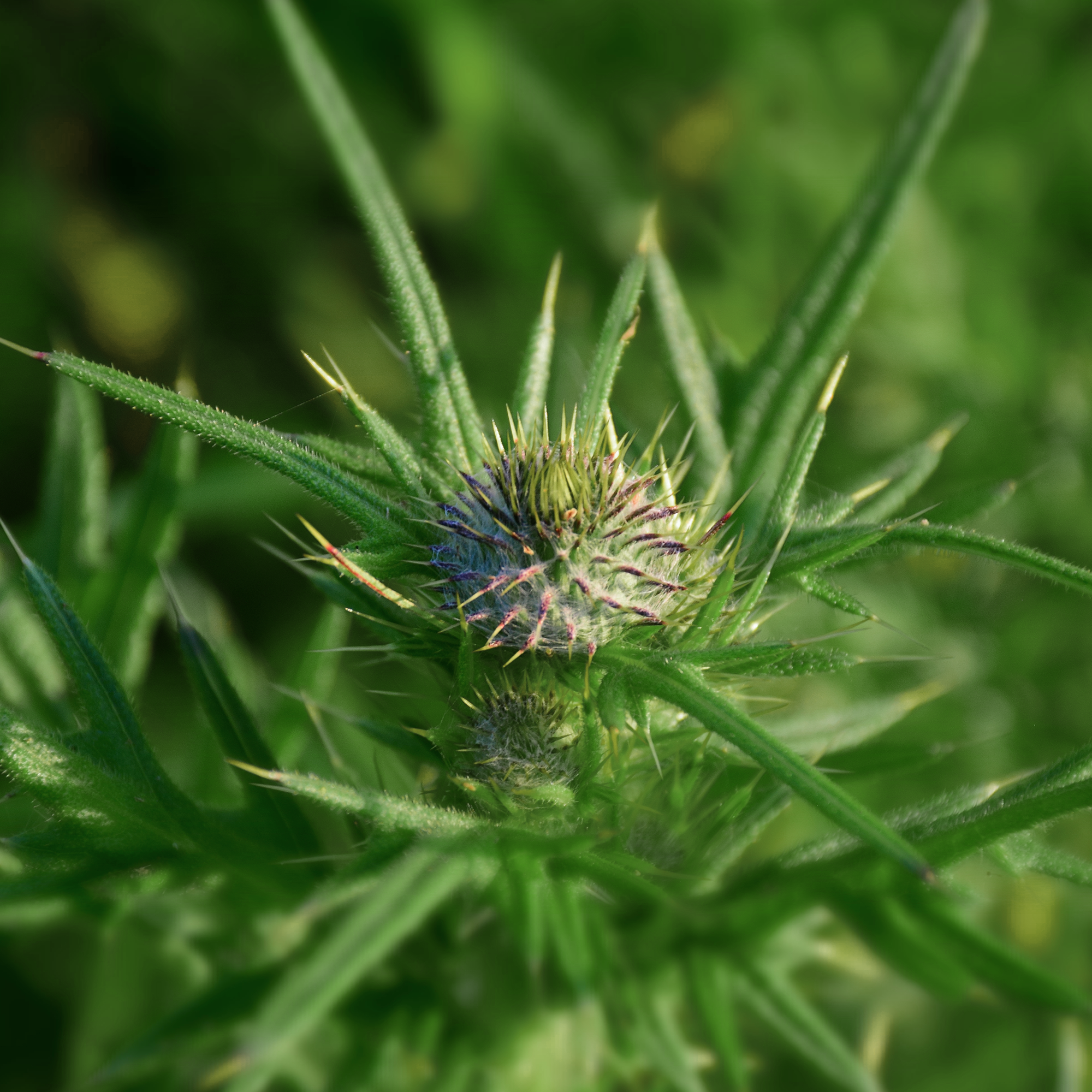
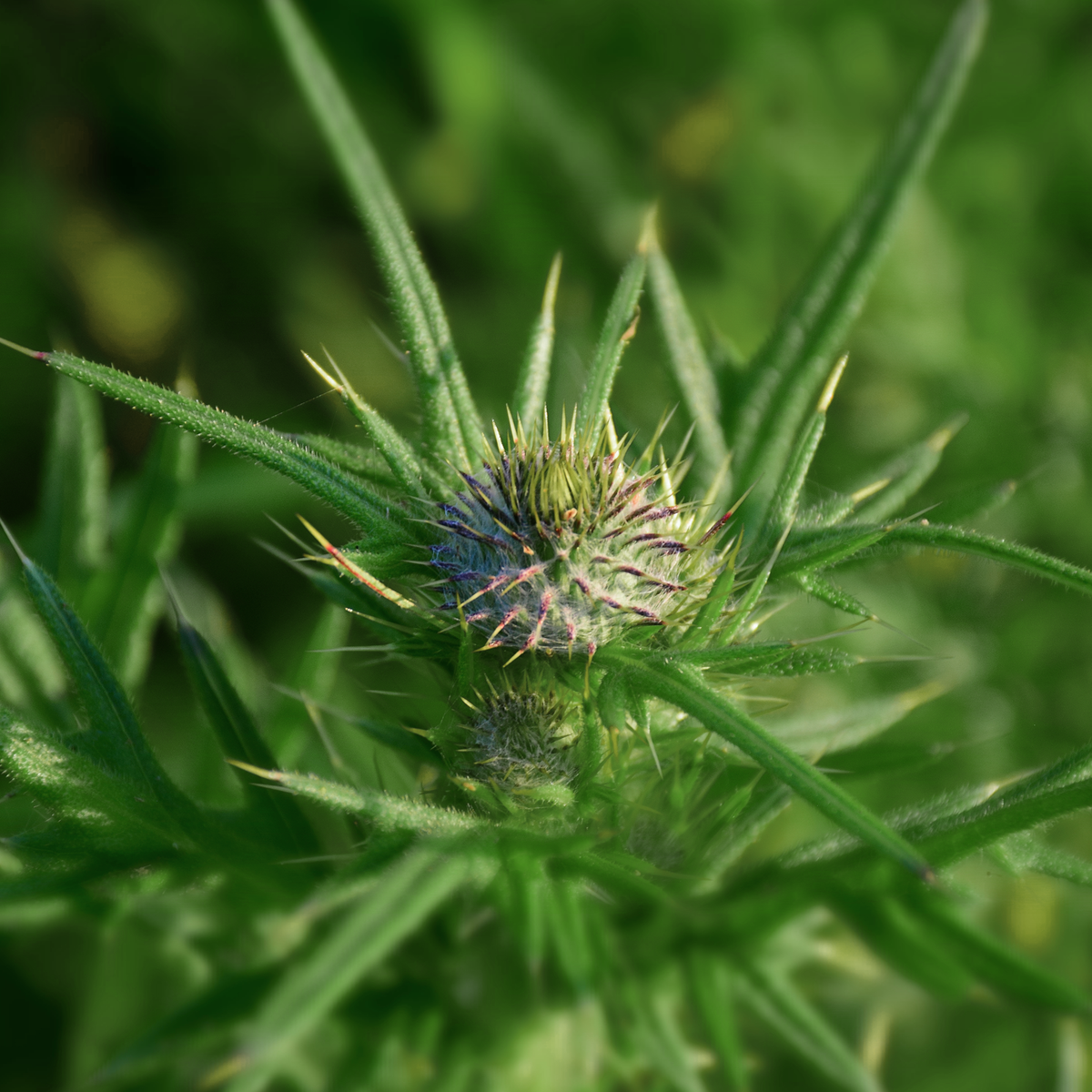
Blessed thistle is an annual medicinal and aromatic plant with a naturally spiny habit, appreciated for its dissected foliage, unique texture, and yellow flowers surrounded by prickly bracts. Its wild and structured appearance brings character to medicinal herb gardens, naturalized landscapes, specialized kitchen gardens, and collections of less common fine herbs. It is particularly interesting for gardeners seeking a useful, distinctive plant rich in botanical history.
Easy to grow, blessed thistle prefers a sunny location in light, well-drained, and moderately fertile soil. It tolerates drier conditions quite well once established, making it a good option for Mediterranean-style gardens, natural borders, and spaces where robust plants are desired. Its spiny foliage simply requires a bit of space and careful handling during maintenance or harvesting.
Traditionally recognized as a medicinal plant, blessed thistle is also cultivated for its ornamental interest, unique flowering, and its role in biodiversity-friendly gardens. Its architectural silhouette pairs well with yarrows, salvias, grasses, cornflowers, and other full-sun plants. It is an ideal plant for adding a wild, textured, and botanical touch to a medicinal garden, dry border, or natural landscape.

Planting guide
From planting to establishment.
Soil and care
The right care,at the right time.
Soil pH
Minimum temperature
Care level
Watering
Soil type
Fertilization
Moisture
Seasonal care
Container growing
A garden,within reach.
Bloom and dimensions
Its place,in your garden.
Mature height
Width / spread
Flower color
Foliage color
Foliage type
Growth rate
Bloom period
Fruiting
Harvest
Garden associations
In goodcompany.
Companion plants
Plants to avoid
Wildlife and pets