

 Bionik marine and forest compost 0.6-1.8-0.13$9.99
SaleSold out

Poaceae
Fine Herbs
Lemongrass
Aromatic tropical lemongrass with long, fragrant foliage, prized for teas, soups, curries, and Asian dishes. Easy to grow in a sunny pot.
Pair it with
Bionik marine and forest compost 0.6-1.8-0.13$9.99Choose the essentials to add to your selection.
Format
$4.49
Each store has its own inventory.
Products and available quantities may vary between Brossard and Laval. To check a store’s inventory, please contact us directly.
Even better: visit us in store to discover the full selection available!
- Exposure
- Full sun
- Hardiness
- Not hardy
Discover the plant
Common nameLemongrass
FamilyPoaceae
TypeAromatic tropical grass
Botanical nameLemongrass
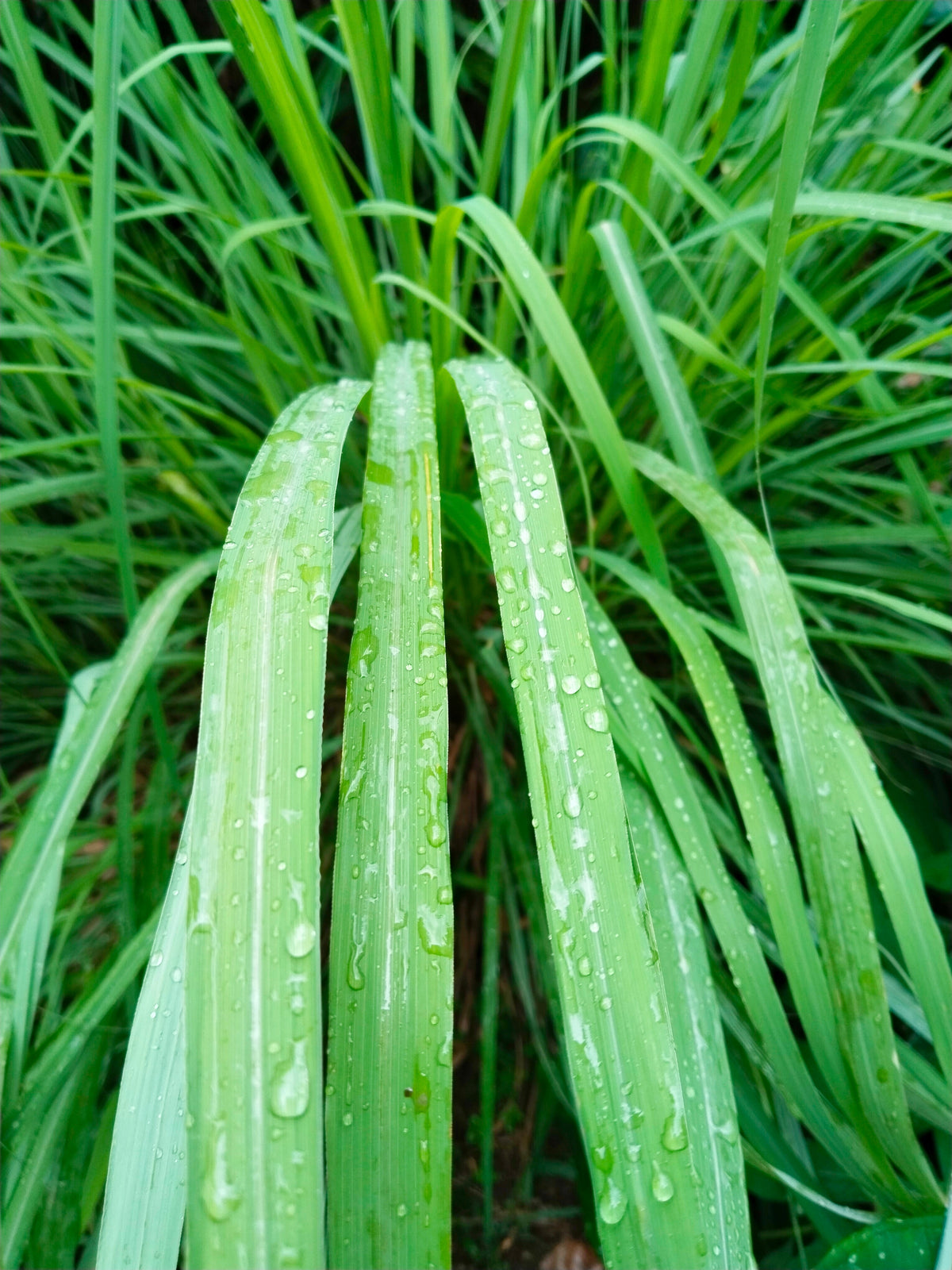
Lemongrass is a tropical aromatic plant highly valued for its long, narrow, and strongly scented foliage, with a fresh, lemony taste. It adds a beautiful exotic touch to herb pots, urban vegetable gardens, patio containers, and edible landscapes. Widely used in Asian cuisine, it wonderfully flavors soups, curries, stir-fries, marinades, broths, sauces, infusions, and cold drinks.
Easy to grow during the warm season, lemongrass prefers a very sunny, warm, and wind-protected location, in rich, light, and well-drained soil. It grows particularly well in pots, which allows it to be placed near the kitchen or on the patio to enjoy its fragrance. Regular watering promotes good growth and more tender stems, while avoiding overwatering. As it is not hardy in our climate, it is usually grown as an annual or brought indoors before the cold.
Both decorative, fragrant, and very useful in cooking, lemongrass is ideal for creating a gourmet garden with tropical accents. Its graphic foliage adds height and movement to containers, while its lemony scent makes it an essential plant for lovers of fresh and aromatic recipes. It is an excellent choice for gardeners looking for an original, productive, and easy-to-integrate herb on a patio, balcony, or in a sunny vegetable garden.

Planting guide
From planting to establishment.
Propagation
Division of clumps or stem cuttings
Soil and care
The right care,at the right time.
Soil pH
Slightly acidic to neutral
Minimum temperature
10°C
Care level
Easy
Watering
Regularly; keep the soil slightly moist without waterlogging it.
Soil type
Fertile, warm, moist, but well-drained soil
Fertilization
Regular fertilization in pots during growth
Moisture
Average humidity; prefers warm, slightly moist soil
Seasonal care
Bring indoors before the cold; cut back stems if needed; divide clumps in spring if necessary
Container growing
A garden,within reach.
Excellent container culture, recommended for cold climates

Bloom and dimensions
Its place,in your garden.
Mature height
90 to 150 cm (36 to 60 inches)
Width / spread
60 to 90 cm (24 to 36 inches)
Flower color
Pale green to cream
Foliage color
Green
Foliage type
Persistent in warm climates
Growth rate
Rapid growth
Bloom period
Rare in cultivation
Fruiting
Stems thickened at the base
Harvest
Spring to fall stems
Garden associations
In goodcompany.
Companion plants
Thai basil, cilantro, chilies, ginger
Plants to avoid
Plants that prefer very dry soils, such as lavender, thyme, and rosemary
Wildlife and pets
Life,around your plants.
Supporting wildlife
Attracts few beneficial insects