



Hardiness
Not hardy
Difficulty level
Easy
Discover the plant
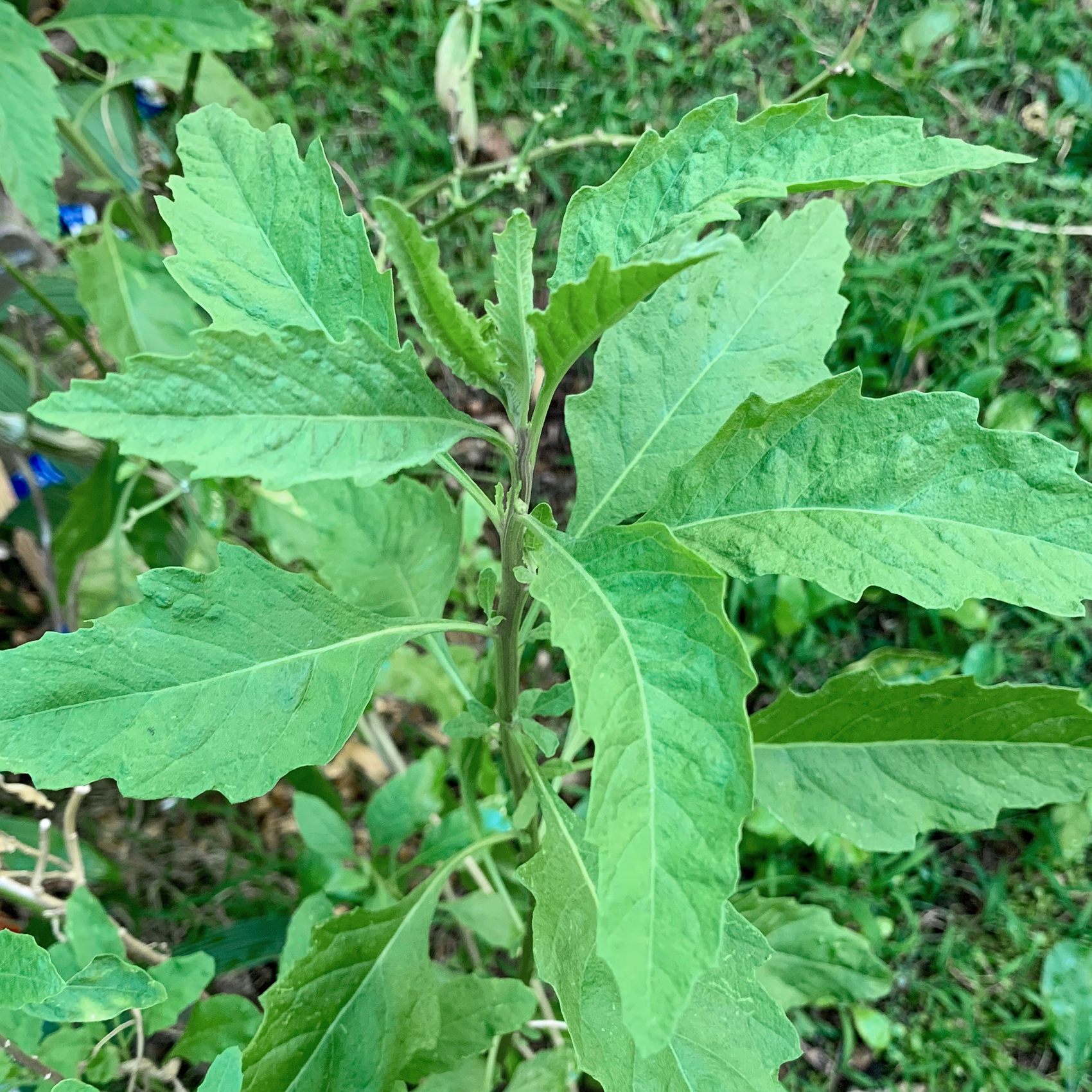
Epazote
Epazote is an aromatic herb with a strong fragrance, traditionally used in Mexican cuisine with beans, soups, and stews.
FamilyAmaranthaceae
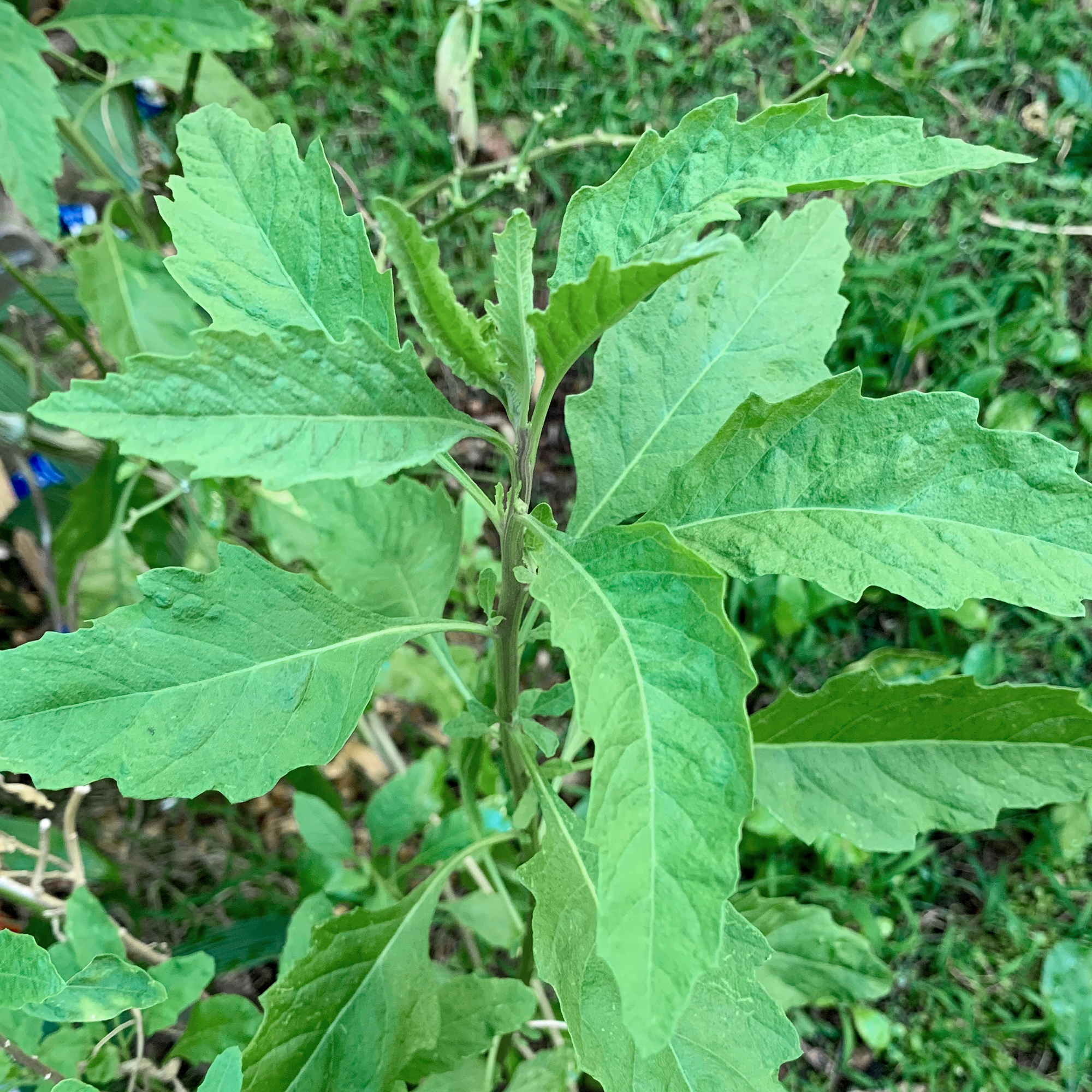
Epazote is an annual aromatic herb highly prized for its powerful, herbaceous, and slightly resinous aroma, typical of Mexican and Latin American cuisine. Its serrated green foliage emits a distinctive scent that pairs particularly well with beans, stews, soups, quesadillas, sauces, vegetables, and spicy dishes. Original and full of character, it integrates very well into vegetable gardens, herb gardens, edible containers, and pots near the kitchen.
Easy to grow, epazote prefers a warm, sunny location in light, well-drained, and moderately fertile soil. It tolerates drier conditions quite well once established, making it an interesting plant for sunny vegetable gardens and low-maintenance herb gardens. Regular harvesting of young leaves helps maintain a more compact plant and provides more tender and aromatic foliage throughout the season.
Widely used as a traditional herb, epazote is ideal for gardeners who want to grow different and authentic culinary plants. As its taste is quite pronounced, it is generally used in small quantities to flavor dishes without overpowering them. It is an excellent plant for adding diversity, fragrance, and an exotic touch to a gourmet garden, while enriching homemade recipes with a unique and sought-after flavor.

Soil and care
The rightconditions.
Soil pH
Neutral to slightly alkaline
Fertilization
Light compost at sowing; avoid excessive fertilizer
Care level
Easy
Seasonal care
Harvest young leaves as needed; prune to maintain a compact shape; deadhead to limit self-seeding
Container growing
A controlledenvironment.
Container culture is excellent in a well-drained pot
Bloom and dimensions
The completeprofile.
Bloom periodSummer to Fall
Flower colorPale green
Foliage colorGreen
Foliage typeObsolete
FruitingSeeds at the end of the season
Maximum height60 to 120 cm (24 to 48 in.)
Maximum width45 to 60 cm (18 to 24 inches)
Growth rateRapid growth
Hardiness zoneNot hardy
Minimum temperature32 °F
Garden associations
What to plantwith it.
Vegetable garden, herbs, container, Mexican cuisine, edible garden


