


Fine Herbs
Bronze fennel
Products and available quantities may vary between Brossard and Laval. To check a store’s inventory, please contact us directly.
Even better: visit us in store to discover the full selection available!
- Exposure
- Full sun
- Hardiness
- Zone 7
Discover the plant
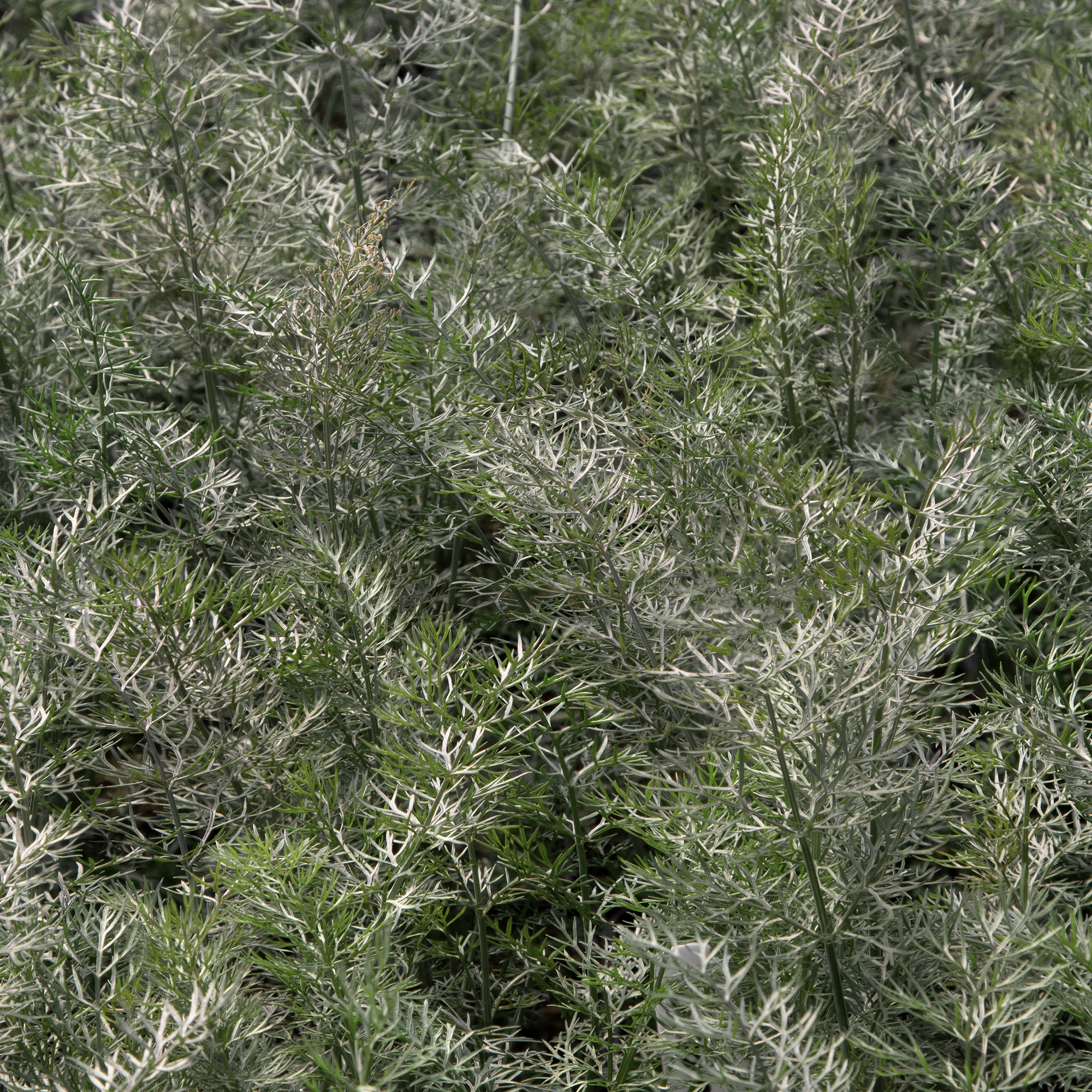
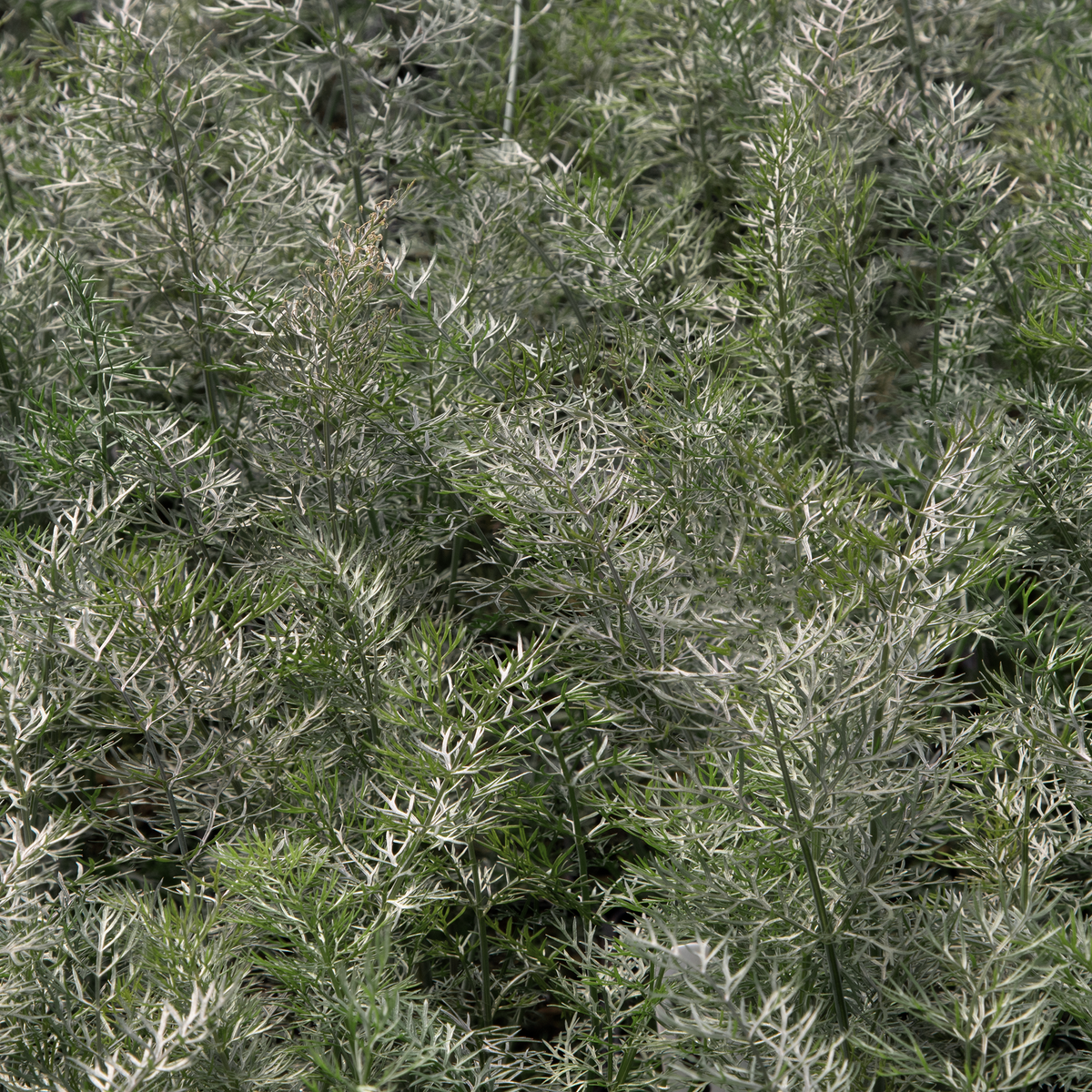
Bronze fennel is an aromatic and ornamental plant remarkable for its finely cut, light, and airy foliage in bronze, copper, and purplish tones. Its aniseed scent is reminiscent of classic green fennel, but its decorative effect is even more spectacular in vegetable gardens, herb gardens, edible borders, and natural-style landscapes. It adds height, movement, and a warm color that contrasts beautifully with green, silver, or bluish foliage.
Easy to grow, bronze fennel prefers a sunny, warm, and open location in fertile, deep, light, and well-drained soil. It appreciates regular watering during dry periods, while tolerating heat quite well once established. Its aromatic foliage can be harvested sparingly to flavor fish, salads, sauces, grilled vegetables, marinades, and Mediterranean dishes. Its seeds, when ripe, can also be used as an anise-flavored spice.
Highly appreciated by pollinators, bronze fennel produces umbels of yellow flowers that attract bees, butterflies, and beneficial insects to the garden. Its elegant silhouette pairs very well with grasses, coneflowers, rudbeckias, salvias, edible flowers, and other sun-loving plants. It is an ideal plant for gardeners looking for a decorative, fragrant, and useful herb, capable of adding a sophisticated and natural touch to the gourmet garden.

Planting guide
From planting to establishment.
Soil and care
The right care,at the right time.
Soil pH
Minimum temperature
Care level
Watering
Soil type
Fertilization
Moisture
Seasonal care
Container growing
A garden,within reach.
Bloom and dimensions
Its place,in your garden.
Mature height
Width / spread
Flower color
Foliage color
Foliage type
Growth rate
Bloom period
Fruiting
Harvest
Garden associations
In goodcompany.
Companion plants
Plants to avoid
Wildlife and pets