Ornamental perennial plants

Coral Bells Primo

Heuchera

Coral Bells Primo 'Peachberry Ice': Large apricot-orange leaves carry a silvery veil and pronounced ruffles that expose bright-pink undersides. Orange is strongest in spring, softening through the warmer months. Airy cream flowers appear on burgundy stems. Coral bells enables compositions using leaf colours that change through the season. Retain some quieter neighbouring plants so that intricate patterns remain easy to read, rather than surrounding every marked leaf with equally complicated foliage. Place plant accents where they can be appreciated, then arrange surrounding volumes around them. Consider the scene before, during and after flowering. Observe the planting from its main viewpoints before moving a specimen. Leaves hidden in spring may become visually dominant later, and this seasonal change deserves as much attention as the colour of an individual flower.

Format

Share

Planting essentials

Click a product to build your selection.

Your selection

Total

Exposure
Full sun to partial shade
Life cycle
Perennial
Hardiness
Zones 4–9 (USDA; American system)

Discover the plant

Common nameCoral Bells Primo
FamilySaxifragaceae
GenusHeuchera
CultivarPeachberry Ice
TypeOrnamental nursery plant
Botanical nameHeuchera

Coral Bells Primo 'Peachberry Ice'. Large apricot-orange leaves carry a silvery veil and pronounced ruffles that expose bright-pink undersides. Orange is strongest in spring, softening through the warmer months. Airy cream flowers appear on burgundy stems. The clump remains low but becomes very broad, offering a rich combination of colour, surface relief and movement that needs room to unfold around the crown. Its botanical name is Heuchera 'Peachberry Ice'. The flowers are white. Flowering occurs during midsummer; its timing varies with the weather and the stage of plant establishment. Consider the scene before, during and after flowering. Treat the flowering period as a seasonal reference rather than a guaranteed date.

Choose an exposure of sun to shade, depending on position for this selection. A coral bells crown needs ground that releases excess water. Keep the crown at its previous growing level, or slightly higher where conditions call for it, instead of burying leaf bases. During establishment, the original root ball can dry out even when surrounding soil looks moist. Coral bells in the ground does not automatically need heavy feeding. Mulch can reduce weeds and moderate moisture changes, but it does not replace checking the soil. For a nursery plant already growing in a container, moisten the root ball before removing the pot.

During cleanup, distinguish living petioles from debris to avoid pulling out the crown. Coral bells enables compositions using leaf colours that change through the season. The flowers attract bees and butterflies. Place plant accents where they can be appreciated, then arrange surrounding volumes around them. Plan the planting around mature spread rather than the small size of the purchased plant. Choose companions by exposure, moisture, drainage and mature spread, then check those requirements for the particular varieties selected. Assess the combination across the seasons: neighbours must remain compatible when their roots and foliage actually occupy the bed, not just when small pots are first arranged.

Heuchère 'Primo Peachberry Ice'. Les feuilles lobées se chevauchent, avec des bords festonnés et nervures partant de la base. Des tons cuivrés et orange colorent le feuillage, avec des plis ombragés entre les lobes des feuilles. Les fines nervures visibles vont de la base des feuilles vers leurs bords. Les feuilles couvrent le cadre, avec des ombres dans les espaces qui les séparent. La vue large montre un groupe dense de fleurs répétées à travers la photo.

Planting guide

From planting to establishment.

Best planting time Spring in thawed, workable soil; early autumn only when enough time remains for rooting before cold weather.
Propagation Division of mature clumps once spring growth has resumed.
Growing method
For coral bells planting, prepare the site first and position the nursery root ball with care. Keep the crown at its previous growing level, or slightly higher where conditions call for it, instead of burying leaf bases. Strong colour can tempt planting in a small gap, but some coral bells become very broad. Reserve their diameter and let outer leaves unfold. In spring, carefully check whether frost has lifted roots around the plant’s crown. Choose an exposure of sun to shade, depending on position for this selection. For a nursery plant already growing in a container, moisten the root ball before removing the pot. Prepare a hole wide enough to accommodate the roots without compressing them. Return the plant to its previous growing level unless its genus requires a specific adjustment, then settle soil around the root ball. Water to bring roots and soil into contact, and subsequently check moisture within the root ball itself. During establishment, the original root ball can dry out even when surrounding soil looks moist. Check both areas, especially after light rain or windy weather. Water slowly enough for moisture to enter the soil rather than run off its surface. The watering interval should change with root development instead of following a fixed calendar. Adapt mulch to the planting site and the genus’s requirements. When tidying in spring, locate emerging shoots before moving surrounding material so that small developing stems are not damaged during routine border maintenance. As roots explore the surrounding ground, adjust watering to actual moisture and weather conditions.

Soil and care

The right care,at the right time.

Soil pH

Acid to neutral

Care level

Easy

Watering

Plan coral bells watering around actual root-zone moisture, then reassess after rain or changes in the weather. Direct water towards the soil and keep leaves as dry as practical. A dense clump can conceal either a wet base or a dry root ball. Adjust watering without keeping the crown constantly wet beneath its covering of leaves. Direct water towards the root zone rather than over flowers and leaves. Newly planted coral bells need closer attention than rooted specimens, while containers lose their water reserve quickly.

Soil type

Consider coral bells soil requirements when choosing a site, checking soil structure and drainage before planting. A coral bells crown needs ground that releases excess water. Persistent wetness encourages problems around its leafy base. Organic matter improves the growing area but cannot compensate for a position where water remains around the roots for prolonged periods, especially during seasonal changes in ground moisture. Check how the soil behaves after prolonged rain. In heavy soil, pay particular attention to drainage after rain and snowmelt.

Fertilization

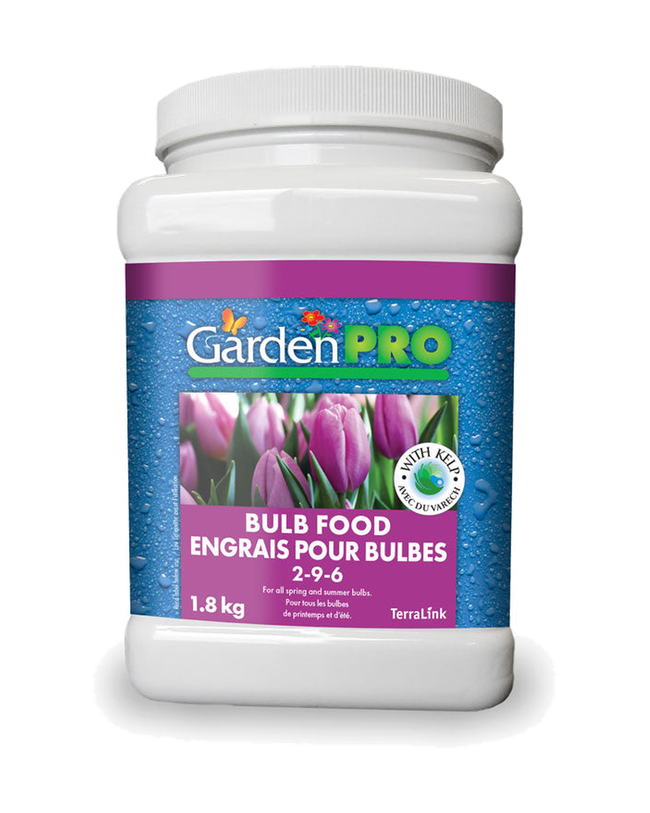
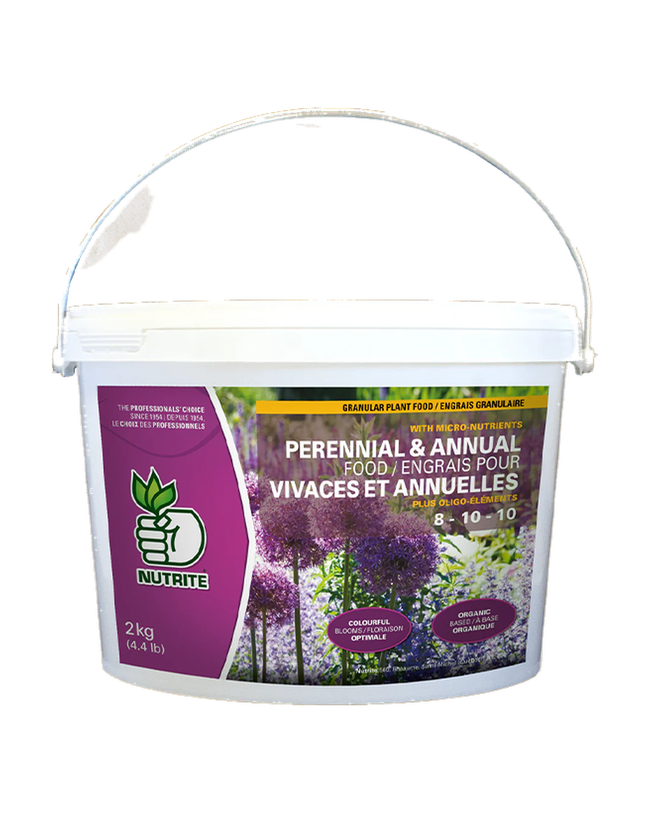
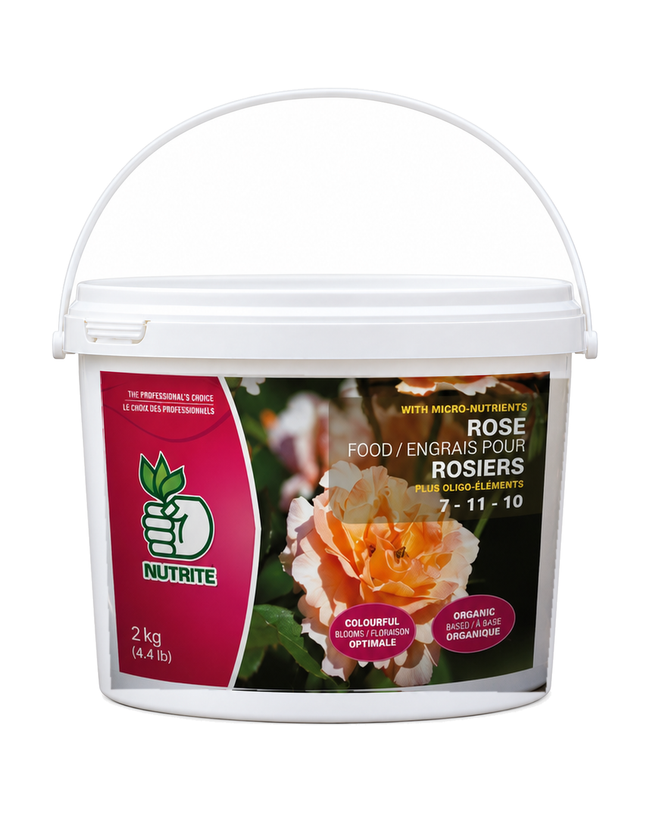
Approach coral bells fertilization through soil needs and plant growth rather than repeatedly adding products without checking the garden. Coral bells in the ground does not automatically need heavy feeding. In a sufficiently fertile border, prioritize establishment and balanced moisture. Plants grown in containers for longer periods may need nutrients as the medium becomes depleted. Assess soil fertility before adding fertilizer. A soil test helps identify useful additions and avoids unnecessary corrections. Follow the directions for the chosen fertilizer rather than increasing the dose to force faster growth.

Moisture

Average moisture

Seasonal care

Organize coral bells seasonal care around the plant, its root zone and the changing conditions of the garden. Remove damaged leaves and faded scapes without routinely stripping the whole foliage base. In cold regions, older leaves can remain until spring, then be tidied once new growth becomes clear. Inspect frost-lifted crowns and reset their level. In spring, locate renewed growth before working close to the crown. Remove debris that obstructs new shoots while respecting the genus’s care requirements. Inspect drainage after snowmelt, and check the crown and roots if growth appears abnormal. Weed carefully: deep cultivation around an established perennial can damage roots that already extend through the bed. Let actual growth and soil conditions guide the timing of maintenance. During summer, observe how foliage responds to heat and check moisture before intervening. Newly planted specimens deserve particular attention. Remove damaged material or faded flowers only when that action suits the genus and the intended result. Retain healthy leaves that are still supporting growth. In autumn, adapt cleanup to plant health and the way the plant grows. Green leaves should not be removed simply because flowering has ended. Diseased foliage needs different handling from healthy stems retained for their silhouette. Mark crowns before above-ground growth disappears, and avoid soil work that could damage them during dormancy. The appropriate cleanup date follows plant development and local conditions rather than a fixed calendar. Through winter, avoid water accumulating around the crown and unnecessary work on frozen or saturated ground. American USDA ratings are not automatically equivalent to Canadian zones. Snow cover, wind, drainage and site exposure all contribute to assessing whether a planting position and its winter protection are suitable.

Container growing

A garden,within reach.

Recommended pot size

Use a free-draining container slightly larger than the rootball; increase its size as the roots develop.
For coral bells container care, assess the growing medium and roots alongside the site and drainage. A container reveals coloured undersides, frills and veins on coral bells provided neighbours do not cover them. Position delicate foliage in light suited to its cultivar. Keep mulch clear of the crown and check moisture under the leaves. Where winter freezing occurs, plan root protection and prevent prolonged water accumulation in the pot rather than relying on the foliage’s appearance alone. Choose a stable container with drainage openings and enough room to accommodate the root ball without compressing it. The openings must allow water to escape freely. Use a growing medium suited to the required drainage and moisture, and keep the root ball accessible for routine checks. Leave room for foliage to develop without blocking access, and adjust the container when the roots become too tightly confined. In a pot, the water and nutrient reserve is limited to the volume of growing medium. Check moisture more often during heat and wind without assuming that daily watering is appropriate. Water should moisten the root ball and then drain freely. Adjust feeding to observed needs and the directions for the product being used. Prepare for winter before any prolonged ground freezing. Roots in a container standing above ground are more exposed to cold than roots planted in the garden. That protection does not make a tender plant hardy. Also check that any other plants sharing the container accept the same exposure and watering regime.
Heuchère 'Primo Peachberry Ice'. Les feuilles lobées se chevauchent, avec des bords festonnés et nervures partant de la base. Des tons cuivrés et orange colorent le feuillage, avec des plis ombragés entre les lobes des feuilles. Les fines nervures visibles vont de la base des feuilles vers leurs bords. Les feuilles couvrent le cadre, avec des ombres dans les espaces qui les séparent. La vue large montre un groupe dense de fleurs répétées à travers la photo.

Bloom and dimensions

Its place,in your garden.

Mature height

10 inches (25.5 cm)

Width / spread

34 inches (86.5 cm)

Flower color

White

Foliage color

Silver-veiled apricot orange, bright-pink undersides

Foliage type

Evergreen in mild climates; possible leaf loss in cold conditions

Growth rate

Moderate

Bloom period

Observe coral bells bloom time together with plant growth, remembering that site conditions affect the flowering calendar seen in the garden. The flowers are white. Flowering occurs during midsummer; its timing varies with the weather and the stage of plant establishment. Some coral bells are selected mainly for leaves, while others have flowering that deserves a major place in the scene. Keep those colours separate. Observe open flowers before deciding whether faded scapes should remain for their silhouette or be removed for tidiness. Watch developing buds and open flowers when deciding how to maintain the plant.

Harvest

Cut foliage for arrangements; decorative use.
Heuchère 'Primo Peachberry Ice'. Les feuilles lobées se chevauchent, avec des bords festonnés et nervures partant de la base. Des tons cuivrés et orange colorent le feuillage, avec des plis ombragés entre les lobes des feuilles. Les fines nervures visibles vont de la base des feuilles vers leurs bords. Les feuilles couvrent le cadre, avec des ombres dans les espaces qui les séparent. La vue large montre un groupe dense de fleurs répétées à travers la photo.

Garden associations

In goodcompany.

Companion plants

Choose coral bells companion plants for compatible site conditions and available space, rather than flower colour alone. Below large hosta leaves, coral bells can add lower colour and a different texture. Blue foliage contrasts with warm tones, while a green foundation can calm strongly patterned coral bells. The combination should keep crowns accessible and leaves visible instead of allowing the larger companion to cover everything. Choose companions by exposure, moisture, drainage and mature spread, then check those requirements for the particular varieties selected. Give each specimen the space it needs and retain watering access. Choose selections by each plant’s light and moisture requirements, then reserve mature spreads. Observe the planting from its main viewpoints before moving a specimen.

Frequently asked questions

Your questions,answered.

How to grow Peachberry Ice coral bells in Canada?
Choose an exposure of sun to shade, depending on position for this selection. A coral bells crown needs ground that releases excess water. Persistent wetness encourages problems around its leafy base. In heavy soil, pay particular attention to drainage after rain and snowmelt. Organic matter improves the growing area but cannot compensate for a position where water remains around the roots for prolonged periods, especially during seasonal changes in ground moisture. Observe the proposed planting site at different times of day before digging. Light changes with trees, buildings and the season. A position that looks attractive from the patio also needs to stay accessible when neighbouring plants reach their mature size. Plan the planting around mature spread rather than the small size of the purchased plant. Leave access to reach specimens in the middle of the bed.
How should I water Peachberry Ice coral bells?
Direct water towards the soil and keep leaves as dry as practical. A dense clump can conceal either a wet base or a dry root ball. Adjust watering without keeping the crown constantly wet beneath its covering of leaves. Direct water towards the root zone rather than over flowers and leaves. Check soil moisture before adding more: wilted foliage alone cannot distinguish drought from a root problem. Account for the rain that actually reaches the planting, along with heat and wind. During establishment, the original root ball can dry out even when surrounding soil looks moist. Check both areas, especially after light rain or windy weather. Water slowly enough for moisture to enter the soil rather than run off its surface. As roots explore the surrounding ground, adjust watering to actual moisture and weather conditions.
How should I care for Peachberry Ice coral bells during flowering?
The flowers are white. Flowering occurs during midsummer; its timing varies with the weather and the stage of plant establishment. Some coral bells are selected mainly for leaves, while others have flowering that deserves a major place in the scene. Small bells may be white, pink or red according to selection, with contrasting calyces and stems. Keep those colours separate. Observe open flowers before deciding whether faded scapes should remain for their silhouette or be removed for tidiness. Treat the flowering period as a seasonal reference rather than a guaranteed date. Weather, exposure and the stage of establishment can shift the start or duration of the display. Watch developing buds and open flowers when deciding how to maintain the plant. When the plant’s appearance changes, examine its growing environment first. A buried crown, dry root ball and saturated soil call for different responses.
Can I grow Peachberry Ice coral bells in a container?
A container reveals coloured undersides, frills and veins on coral bells provided neighbours do not cover them. Position delicate foliage in light suited to its cultivar. Keep mulch clear of the crown and check moisture under the leaves. Choose a stable container with drainage openings and enough room to accommodate the root ball without compressing it. The openings must allow water to escape freely. Use a growing medium suited to the required drainage and moisture, and keep the root ball accessible for routine checks. Prepare for winter before any prolonged ground freezing. Roots in a container standing above ground are more exposed to cold than roots planted in the garden. For a plant already hardy in your region, temporarily sinking the container into well-drained ground can protect the root ball. That protection does not make a tender plant hardy.
How should I plan Peachberry Ice coral bells winter care in Canada?
Through winter, avoid water accumulating around the crown and unnecessary work on frozen or saturated ground. For a Canadian garden, compare the indicated hardiness rating with the rating system used locally and with the actual planting conditions. American USDA ratings are not automatically equivalent to Canadian zones. Prepare for winter before any prolonged ground freezing. Roots in a container standing above ground are more exposed to cold than roots planted in the garden. That protection does not make a tender plant hardy. Remove damaged leaves and faded scapes without routinely stripping the whole foliage base. In cold regions, older leaves can remain until spring, then be tidied once new growth becomes clear. Inspect frost-lifted crowns and reset their level. An ageing, woody clump may need division to restore a more vigorous base rather than repeated feeding alone.

Wildlife and pets

Life,around your plants.

Supporting wildlife

The flowers attract bees and butterflies. To watch these garden visits, keep a clear and unobstructed view of the flowers from an accessible path. Sightings change with weather, the progress of flowering and the activity of animals already present. Follow the flowers as they open, leaving room to observe them without stepping on the plant’s roots.