


Flowering shrubs
Cascade Hydrangea
Hydrangea × ‘WNHYDFBVYWMH’
Products and available quantities may vary between Brossard and Laval. To check a store’s inventory, please contact us directly.
Even better: visit us in store to discover the full selection available!
- Exposure
- Part shade
- Hardiness
- Zones 5 to 9
Discover the plant
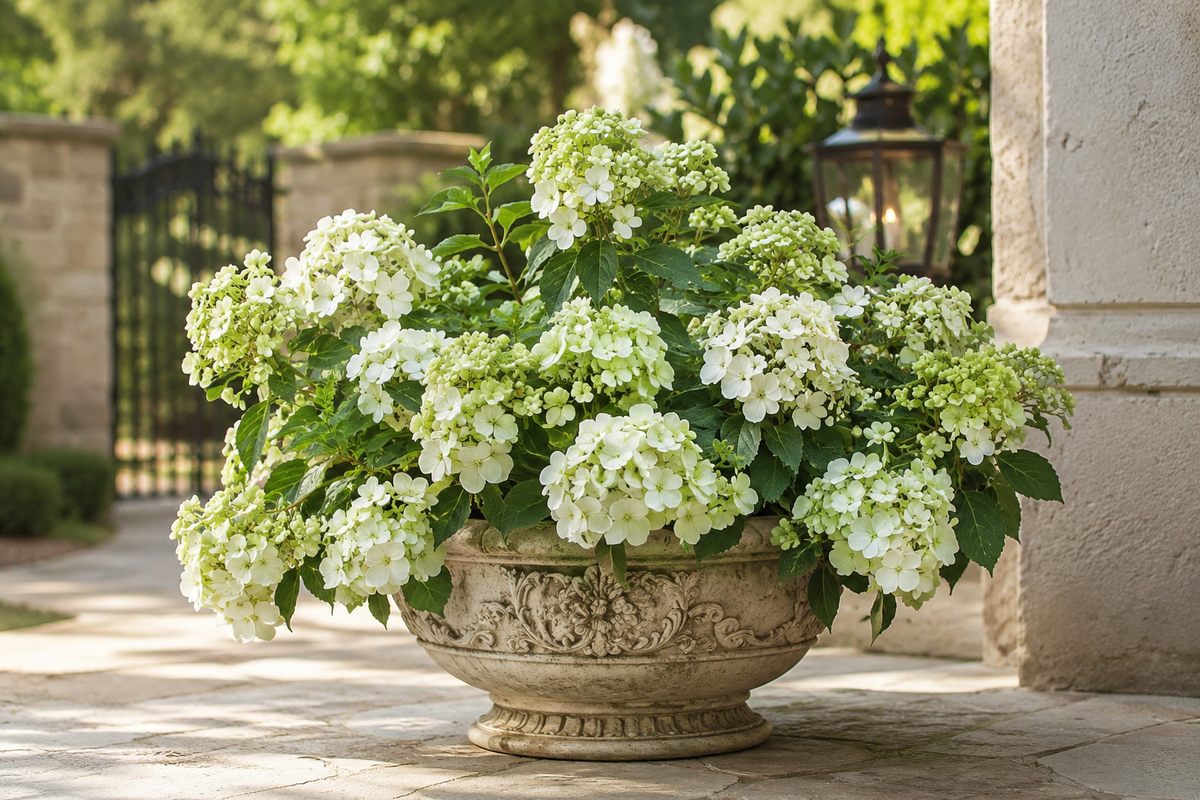
Cascade Hydrangea (Hydrangea × ‘WNHYDFBVYWMH’) Fairytrail® White is a deciduous shrub distinguished by long, gracefully arching branches that naturally spill outward. Flower buds develop at each node, producing an abundant spring display of large white mophead blooms along the stems rather than only at their tips. Dense, oval green foliage complements the spreading, trailing silhouette after flowering. At maturity, the plant reaches about 1.2 m (4 ft) tall and 1.2 to 1.5 m (4 to 5 ft) wide. Hardy in Zones 5 to 9, it flowers unusually early for a hydrangea, so developing buds can be vulnerable to unexpected late spring frosts in colder regions.
This hydrangea prefers partial shade, ideally receiving about four to six hours of light each day. In cooler climates, morning shade can help frozen flower buds thaw more gradually during spring cold snaps. Soil should remain evenly moist to moderately moist, fertile and well drained without staying waterlogged. A 5 to 8 cm (2 to 3 in) layer of shredded bark mulch helps conserve moisture around the plant's shallow roots. Fertilize moderately in early spring after the ground has thawed. Because the primary flower display develops on old wood, routine pruning should be avoided. Remove only dead or damaged branches when necessary so established flowering wood and its developing buds are preserved.
Fairytrail® White's horizontal, cascading habit offers uses that differ from those of a conventional upright hydrangea. It works beautifully in borders, mixed beds, cottage-style gardens, decorative containers and large hanging baskets. Positioned above a retaining wall, rock edge or gentle slope, its flexible branches can spill naturally and showcase the white flowers along their length. The blooms may also be dried for decorative arrangements. During flowering, the plant attracts bees, butterflies and hummingbirds. Pair it with hostas, heucheras, ferns or astilbes in partially shaded plantings with compatible moisture needs. Hydrangeas are not edible and should be kept away from pets or other animals that may chew the foliage or flowers.

Planting guide
From planting to establishment.
Soil and care
The right care,at the right time.
Soil pH
Minimum temperature
Care level
Watering
Soil type
Fertilization
Moisture
Seasonal care
Container growing
A garden,within reach.
Recommended pot size

Bloom and dimensions
Its place,in your garden.
Mature height
Width / spread
Flower color
Foliage color
Foliage type
Growth rate
Growth habit
Bloom period
Garden associations
In goodcompany.
Companion plants
Plants to avoid
Frequently asked questions
Your questions,answered.
What light exposure is best for Fairytrail® White?
Should this cascade hydrangea be pruned?
Can Fairytrail® White be grown in a container?
When does Fairytrail® White bloom?
How large does Fairytrail® White become at maturity?
Wildlife and pets