


Fine Herbs
Marjoram
Products and available quantities may vary between Brossard and Laval. To check a store’s inventory, please contact us directly.
Even better: visit us in store to discover the full selection available!
- Exposure
- Sun
- Hardiness
- Not hardy
Discover the plant
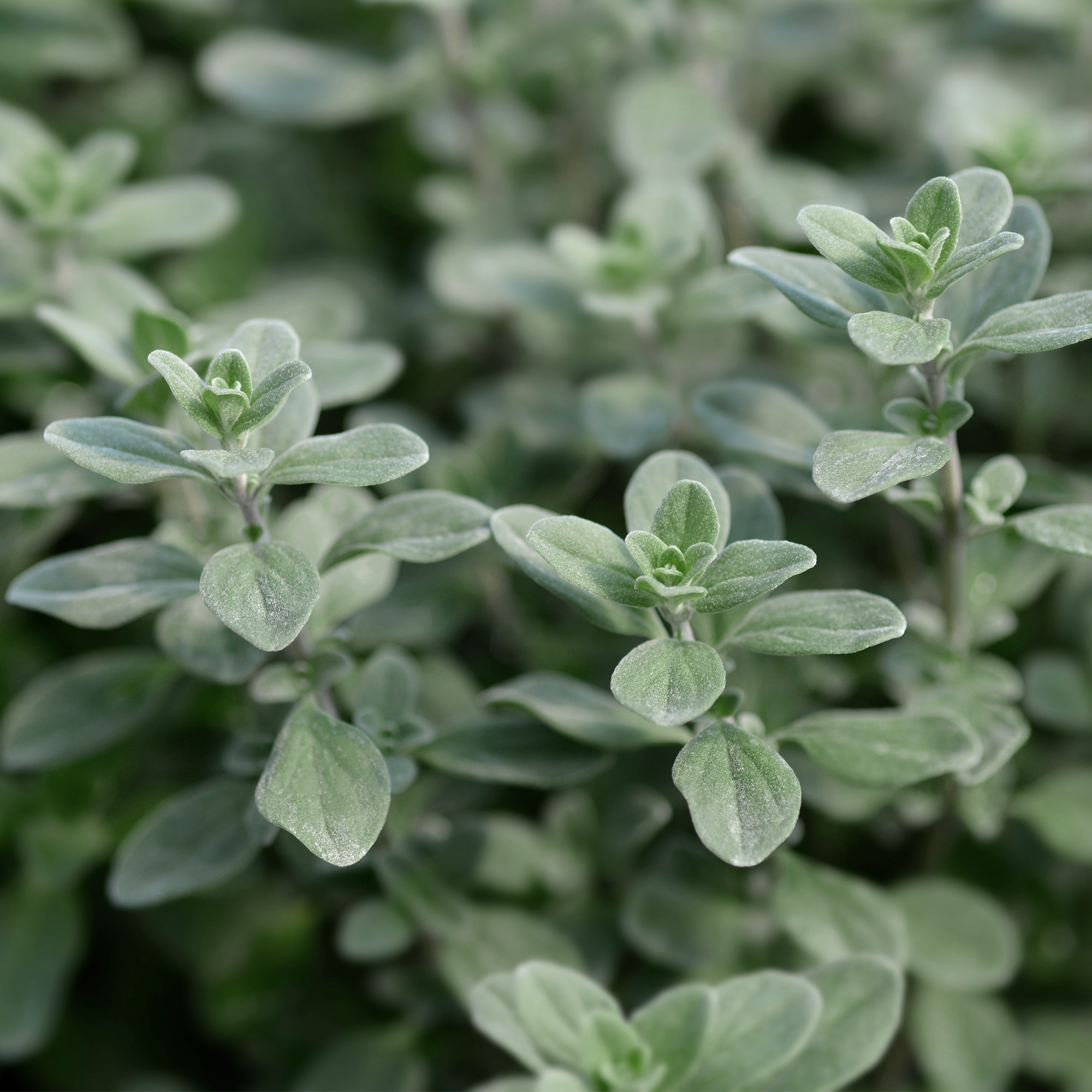
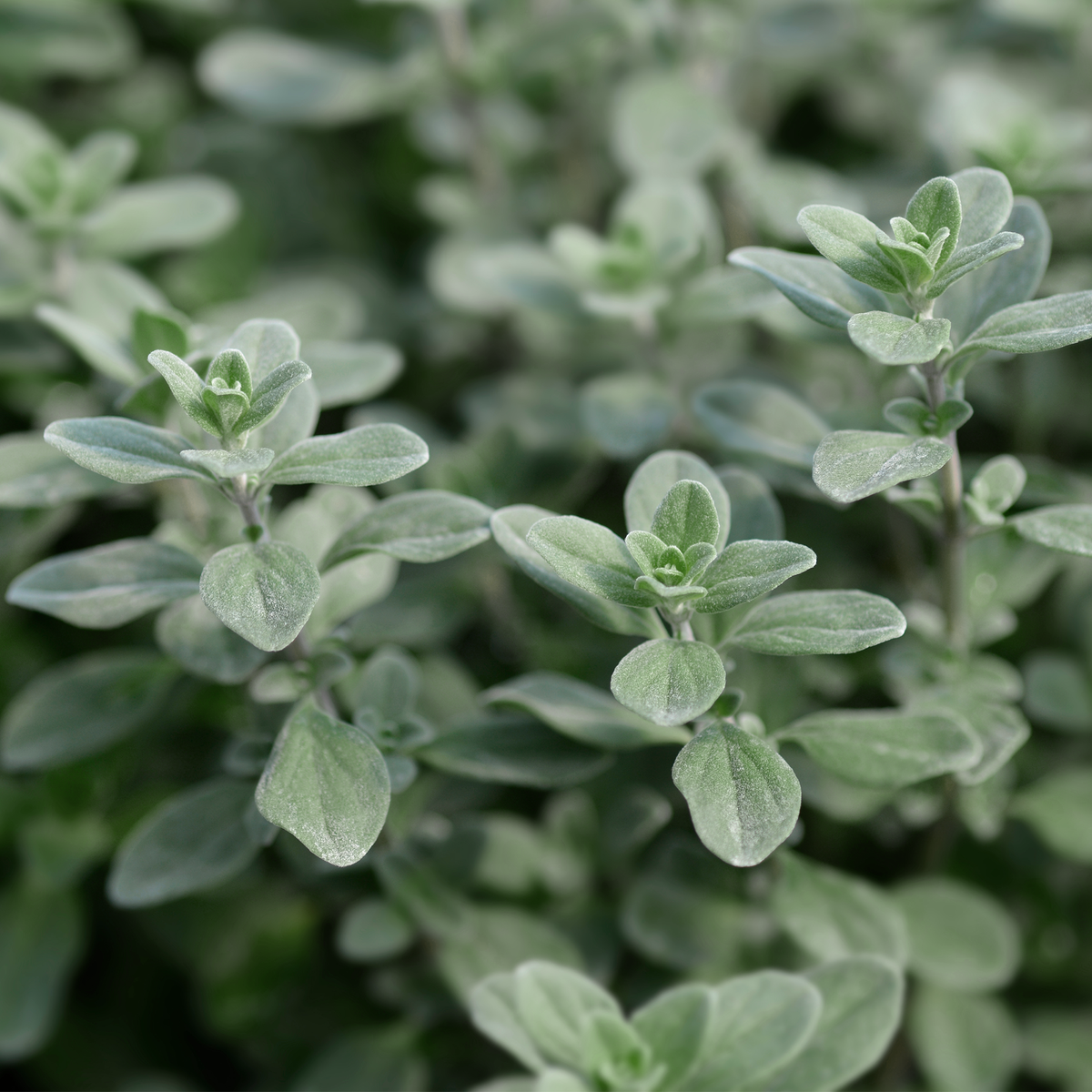
Marjoram is an aromatic herb highly valued for its tender, delicately fragrant foliage, with a sweet, warm, and slightly floral taste. Similar to oregano, but generally more subtle and less pungent, it is easily used in sauces, soups, vegetables, meats, marinades, tomato dishes, potatoes, vinaigrettes, and Mediterranean recipes. Its compact and bushy habit makes it an excellent plant for herb pots, window boxes, urban gardens, and edible borders.
Easy to grow, marjoram prefers a warm, sunny, and well-ventilated location, in light, fertile, and very well-drained soil. It tolerates slightly dry soil better than excess water, making it ideal for containers, rock gardens, sunny flowerbeds, and Mediterranean-style gardens. Regular harvesting of young stems keeps the plant denser, more branched, and productive throughout the season. Its leaves can be used fresh or dried, depending on culinary needs.
Both aromatic, decorative, and useful for pollinators, marjoram produces discreet but melliferous flowers that attract bees and other beneficial insects to the garden. It pairs very well with thyme, rosemary, sage, basil, chives, and other sun-loving herbs. It is a perfect plant for creating a gourmet, fragrant, and easy-to-maintain garden, both in pots and in the ground.

Planting guide
From planting to establishment.
Soil and care
The right care,at the right time.
Soil pH
Minimum temperature
Care level
Watering
Soil type
Fertilization
Moisture
Seasonal care
Container growing
A garden,within reach.
Bloom and dimensions
Its place,in your garden.
Mature height
Width / spread
Flower color
Foliage color
Foliage type
Growth rate
Bloom period
Harvest
Garden associations
In goodcompany.
Companion plants
Wildlife and pets