


Fine Herbs
Grapefruit Mint
Products and available quantities may vary between Brossard and Laval. To check a store’s inventory, please contact us directly.
Even better: visit us in store to discover the full selection available!
- Exposure
- Full sun
- Hardiness
- Zone 3
Discover the plant
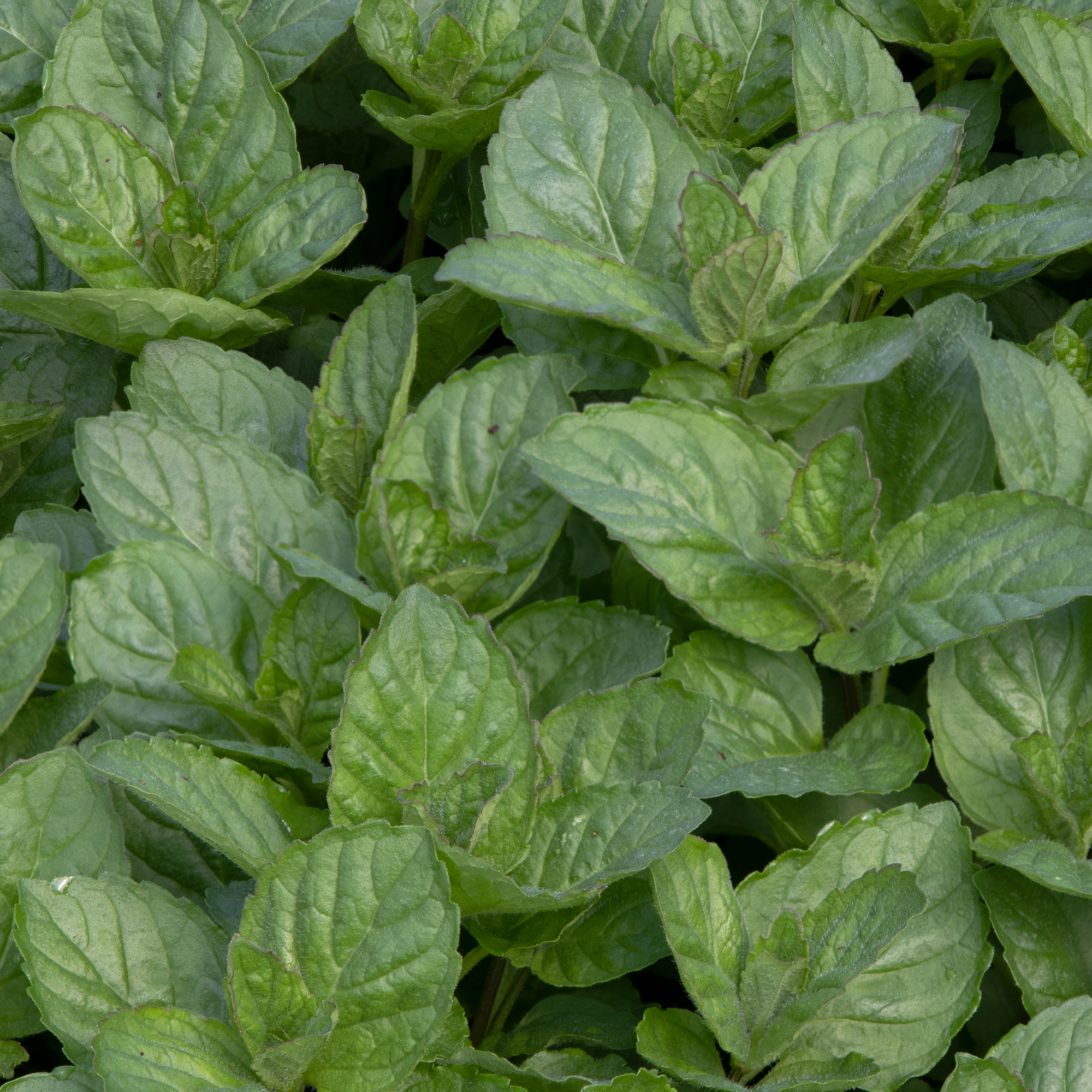
Grapefruit mint is an original perennial aromatic plant, valued for its fragrant foliage with fresh, minty, and slightly fruity notes reminiscent of grapefruit. Its vibrant and bright aroma makes it an ideal variety for herb gardens, edible containers, window boxes, and patio pots. It brings a refreshing and different touch to gourmet arrangements, while offering a beautiful harvest of aromatic leaves during the season.
Easy to grow, grapefruit mint prefers a location in soft sun or partial shade, in fertile, fresh, and well-drained soil. It appreciates regular watering to produce tender, flavorful, and well-scented foliage. Like most mints, it can spread quickly in the ground, so it is recommended to grow it in a pot or a delimited space to better control its growth. Frequent pruning promotes a denser, more productive, and easier-to-harvest plant.
Highly versatile in the kitchen, grapefruit mint is perfect for flavoring infusions, iced teas, lemonades, cocktails, flavored waters, fruit salads, desserts, sorbets, fresh sauces, and summer recipes. Its leaves are used fresh to add a minty, fruity, and slightly tangy note to homemade preparations. It is an excellent plant for creating an original, productive, and easy-to-maintain aromatic garden, with a fresh flavor that stands out from more classic mints.

Planting guide
From planting to establishment.
Soil and care
The right care,at the right time.
Soil pH
Minimum temperature
Care level
Watering
Soil type
Fertilization
Moisture
Seasonal care
Container growing
A garden,within reach.
Bloom and dimensions
Its place,in your garden.
Mature height
Width / spread
Flower color
Foliage color
Foliage type
Growth rate
Bloom period
Harvest
Garden associations
In goodcompany.
Companion plants
Plants to avoid
Wildlife and pets