

 Bionik marine and forest compost 0.6-1.8-0.13$9.99
SaleSold out

Polygonaceae
Fine Herbs
Blood sorrel
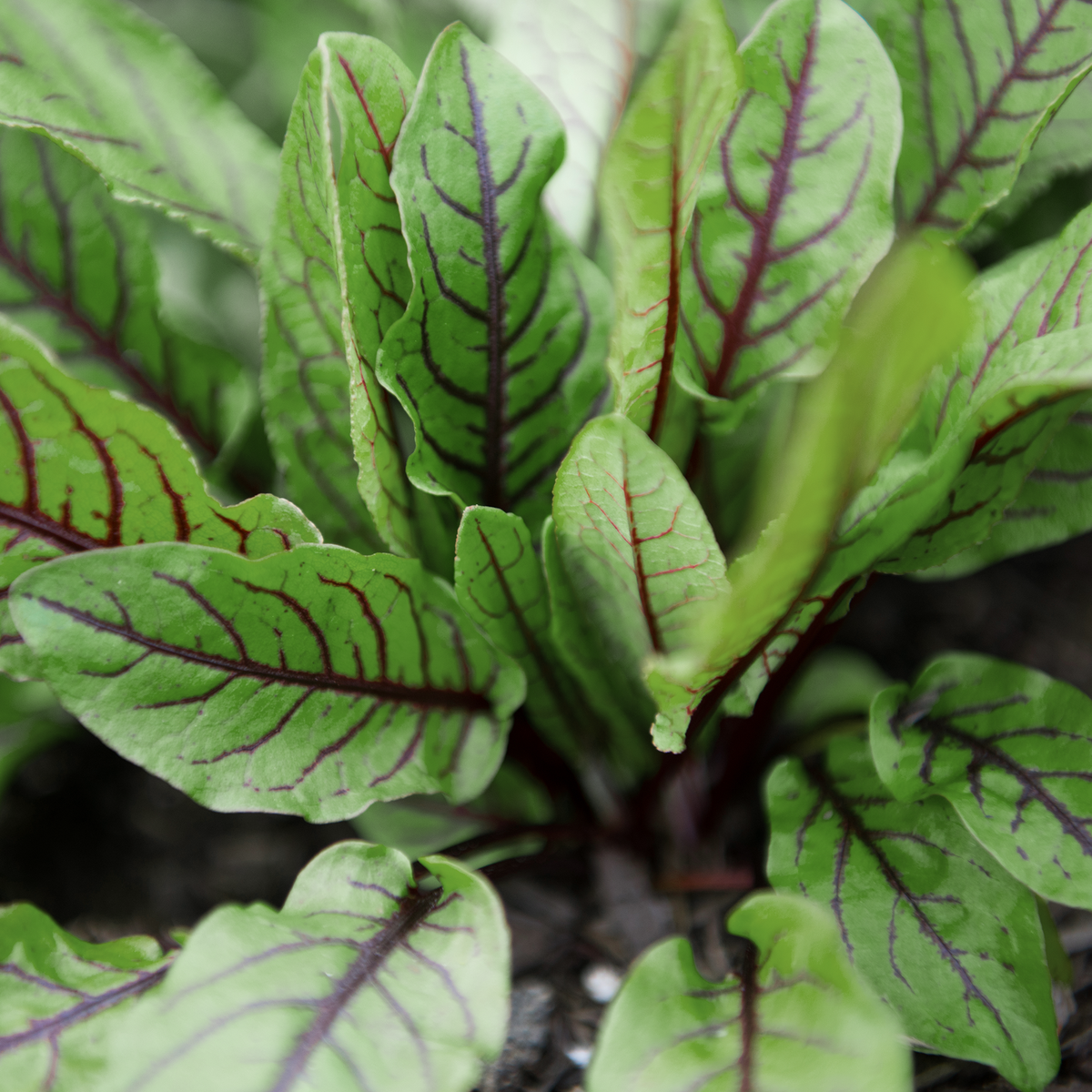
Bloody dock is an edible perennial with green leaves marked with red veins, decorative in the vegetable garden as well as in containers, and appreciated for its tart young leaves in salads.
Pair it with
Bionik marine and forest compost 0.6-1.8-0.13$9.99Choose the essentials to add to your selection.
Format
$4.49
Each store has its own inventory.
Products and available quantities may vary between Brossard and Laval. To check a store’s inventory, please contact us directly.
Even better: visit us in store to discover the full selection available!
- Exposure
- Sun to partial shade
- Hardiness
- Zone 4 and above
Discover the plant
Common nameBlood sorrel
FamilyPolygonaceae
TypePerennial
Botanical nameRed-veined dock
Blood sorrel is a very decorative edible perennial plant, recognized for its green foliage marked with bright red veins that adds a lot of color to the vegetable garden, herb containers, and edible flower beds. Its young leaves offer a fresh, tangy, and slightly lemony flavor, ideal for adding character to salads, meal bowls, garnishes, sauces, omelets, and spring recipes. Its original appearance makes it an excellent plant, both gourmet and ornamental.
Easy to grow, blood sorrel prefers a location in gentle sun or partial shade, in fertile, cool, deep, and well-drained soil. It appreciates regular watering to keep its foliage tender, colorful, and pleasant to harvest, especially during hot periods. Frequent harvesting of young leaves encourages the production of new shoots and helps keep the plant more compact. In containers, it performs very well if the potting soil remains moist without being waterlogged.
Both hardy, productive, and very aesthetic, blood sorrel is perfect for gardeners looking for an easy-to-grow and visually remarkable edible perennial. Its veined foliage creates a beautiful contrast with green herbs, lettuces, edible flowers, and leafy vegetables. It is an excellent plant to enrich a gourmet garden, an urban vegetable garden, or an edible landscape with a colorful, fresh, and flavorful touch.

Planting guide
From planting to establishment.
Propagation
Sowing or dividing
Soil and care
The right care,at the right time.
Soil pH
Slightly acidic to neutral
Minimum temperature
-30°C
Care level
Easy
Watering
Regular; keep the soil moist without waterlogging it
Soil type
Fertile, cool, humus-rich, well-drained soil
Fertilization
Compost in spring; light fertilization after harvests
Moisture
Average moisture; prefers cool soil
Seasonal care
Harvest young leaves regularly; cut flower stalks to prolong production; divide clumps every 3 to 4 years
Container growing
A garden,within reach.
Container culture excellent in a deep, well-drained container

Bloom and dimensions
Its place,in your garden.
Mature height
25 to 45 cm (10 to 18 inches)
Width / spread
30 to 45 cm (12 to 18 inches)
Flower color
Reddish green
Foliage color
Green ribbed with red
Foliage type
Obsolete
Growth rate
Rapid growth
Bloom period
Hot season if in bloom
Fruiting
Seeds at the end of the season
Harvest
Young leaves from spring to autumn
Garden associations
In goodcompany.
Companion plants
Strawberries, lettuces, chives, parsley
Wildlife and pets
Life,around your plants.
Supporting wildlife
Attracts pollinators