


Fine Herbs
Italian parsley
Products and available quantities may vary between Brossard and Laval. To check a store’s inventory, please contact us directly.
Even better: visit us in store to discover the full selection available!
- Exposure
- Sun to partial shade
- Hardiness
- Zone 4 and above
Discover the plant
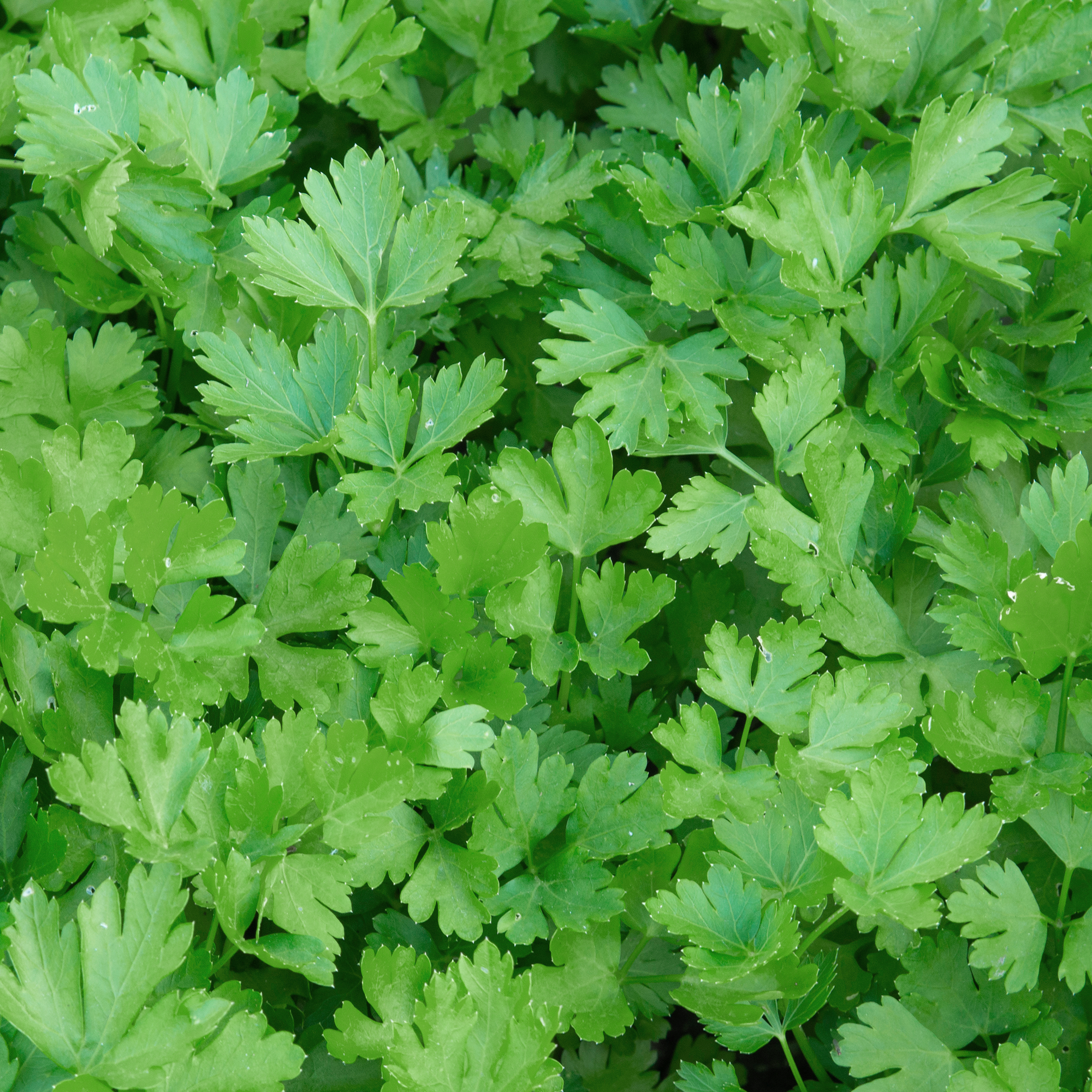
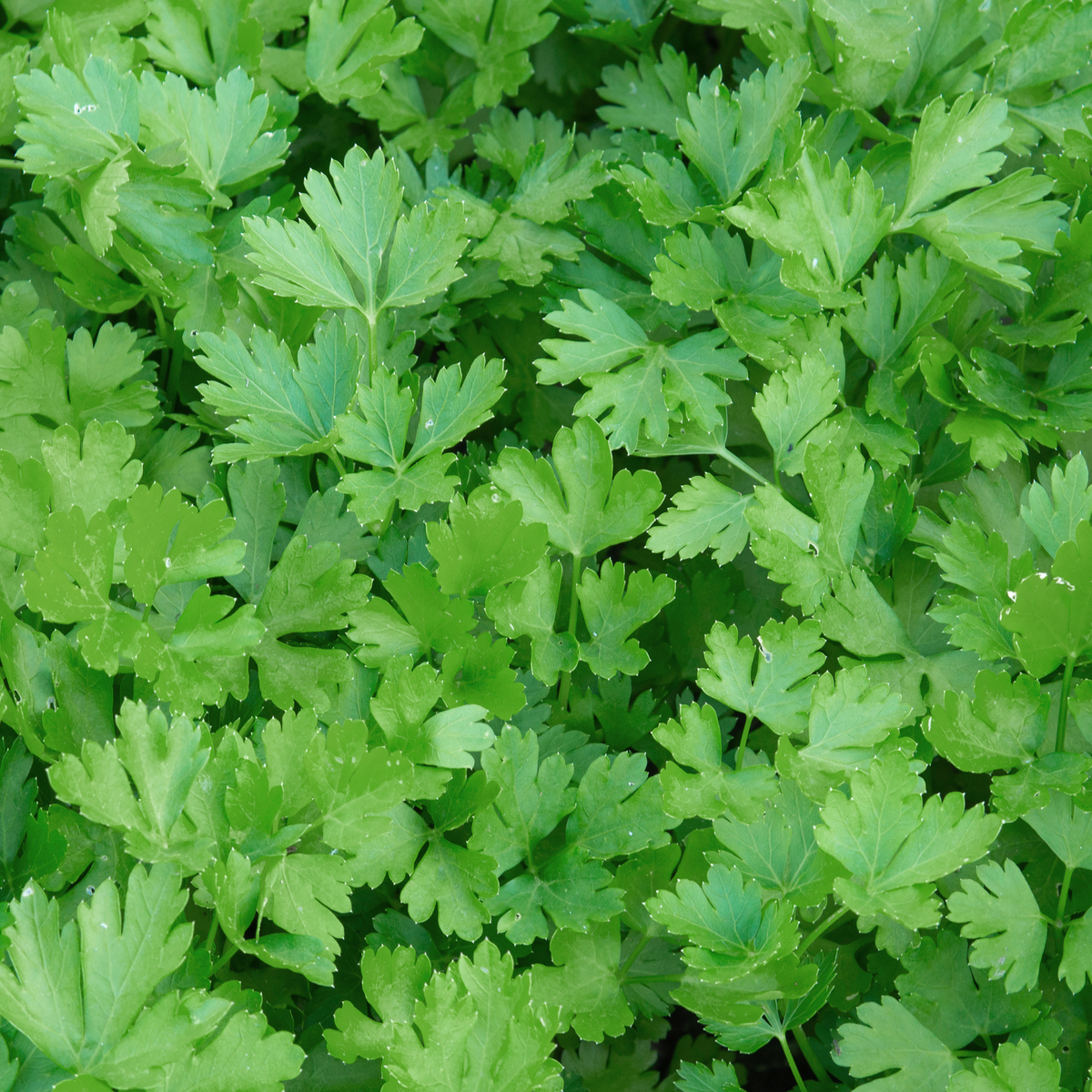
Italian parsley is a biennial herb highly valued for its flat, dark green, and very fragrant foliage. Its fresh, herbaceous, and slightly peppery flavor is more pronounced than that of curly parsley, making it a kitchen essential for sauces, salads, soups, marinades, potatoes, vegetables, fish, meats, pasta, tabbouleh, and Mediterranean dishes. Easy to integrate into vegetable gardens, herb boxes, and containers near the kitchen, it offers a generous and convenient harvest throughout the season.
Easy to grow, Italian parsley prefers a location with gentle sun or partial shade, in rich, cool, fertile, and well-drained soil. It appreciates regular watering to maintain tender, flavorful, and vibrant green foliage, especially during warm periods. Frequent harvesting of the outer stems encourages the production of new leaves and helps keep the plant dense, productive, and easy to maintain. It grows very well both in the ground and in pots on a terrace or balcony.
Aromatic, versatile, and essential in the kitchen, Italian parsley is perfect for gardeners looking for a productive and flavorful herb. Its flat leaves are easy to chop and are used fresh, often added at the end of cooking to preserve their aroma. It is an essential plant for creating a gourmet, practical, and accessible garden, with fresh harvests always at hand.

Planting guide
From planting to establishment.
Soil and care
The right care,at the right time.
Soil pH
Minimum temperature
Care level
Watering
Soil type
Fertilization
Moisture
Seasonal care
Container growing
A garden,within reach.
Bloom and dimensions
Its place,in your garden.
Mature height
Width / spread
Flower color
Foliage color
Foliage type
Growth rate
Bloom period
Fruiting
Harvest
Garden associations
In goodcompany.
Companion plants
Plants to avoid
Wildlife and pets