Plantes d’extérieur
Tout pour fleurir, cultiver et aménager votre jardin.


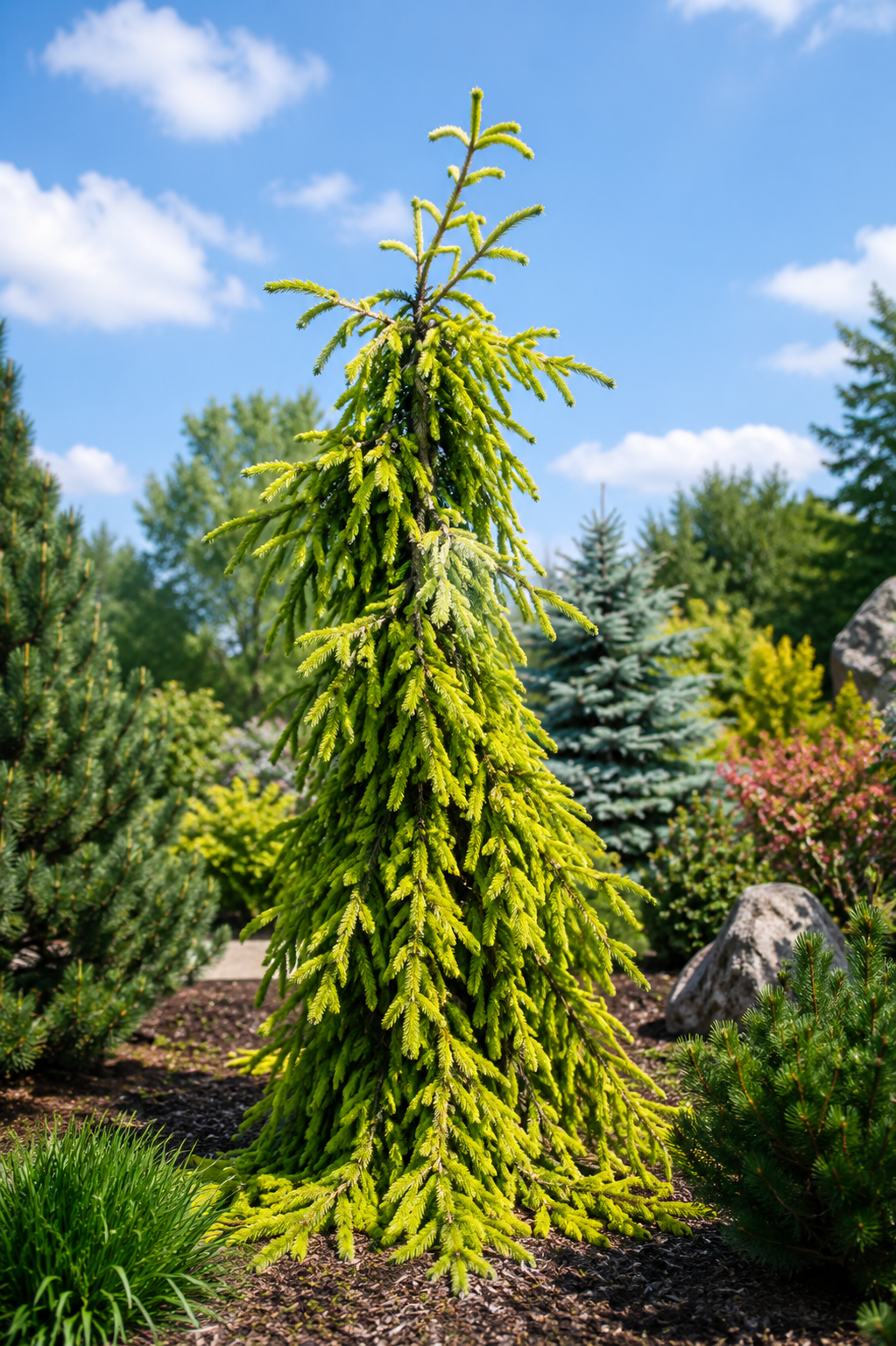
Épinette dorée pleureuse pour point focal
Norway spruce
Title
Products and available quantities may vary between Brossard and Laval. To check a store’s inventory, please contact us directly.
Even better: visit us in store to discover the full selection available!
Click a product to build your selection.
Weeping Golden Norway Spruce ‘Gold Drift’ (Picea abies ‘Gold Drift’) offers a silhouette that you can direct by training its young shoots. Staked, it becomes a narrow vertical accent with drooping branches; left free, it creeps and cascades over the ground or a low wall. New shoots emerge lime green in early spring, then needles exposed to the sun turn golden yellow in late spring and summer. Iseli Nursery indicates a rapid growth for an ornamental cultivar, about 30 to 38 cm per year. The final size therefore varies depending on the staking height and the space allowed for the branches.
Install Gold Drift in sun or light partial shade in cool, fertile, well-drained soil. Good light intensifies the golden color, but a young plant can benefit from protection against the scorching afternoon sun during establishment. Dig a wide hole without burying the root flare, water deeply, then apply 5 to 8 cm of mulch, leaving the trunk free. Maintain regular moisture during the first two seasons without allowing standing water. If you want a vertical shape, gently tie the main shoot to a sturdy stake and adjust the ties as the trunk thickens.
Pruning primarily serves to guide the silhouette rather than constantly reducing the plant. Remove dead, broken, or rubbing wood in early spring and avoid cutting into old wood without needles. For a cascade, let the branches follow the contours of a low wall or slope; for an upright specimen, extend the stake to the desired height. Monitor for spider mites, aphids, adelgids, scale insects, cankers, and needle diseases, especially when the plant experiences drought or poor drainage. Hardy in zone 3, Gold Drift becomes a lasting focal point, but its location must anticipate its rapid development and variable shape.
Planting guide
Soil and care
Container growing

Bloom and dimensions
Garden associations
Frequently asked questions
Tout pour fleurir, cultiver et aménager votre jardin.
Une touche de nature, dans chaque pièce.
Tout pour fleurir, cultiver et aménager votre jardin.
Tout découvrir Potager et fines herbes
 Fleurs et vivaces
 Arbres et arbustes
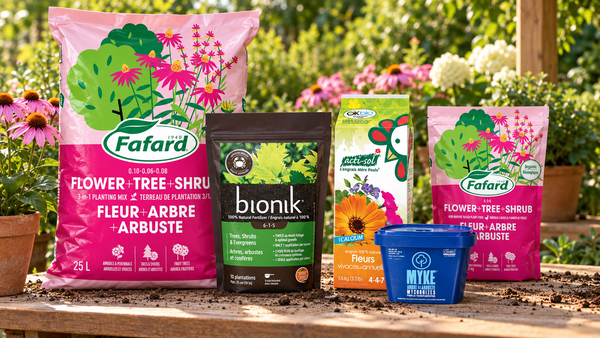 Soins et plantation
Une touche de nature, dans chaque pièce.
Tout découvrir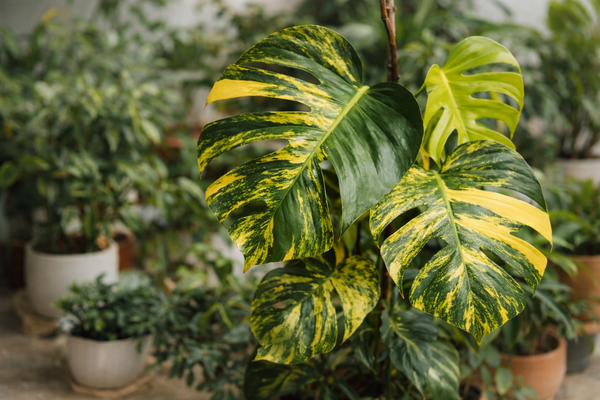 Plantes tropicales
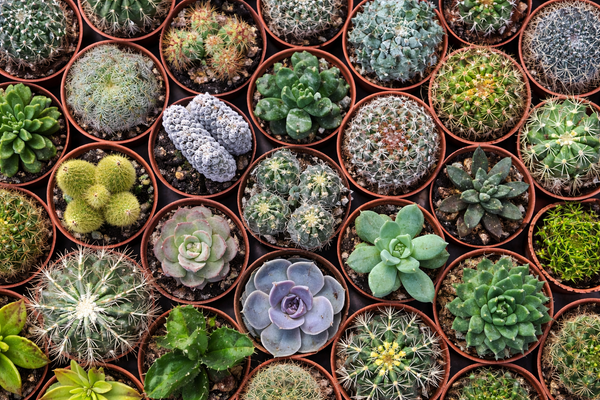 Cactus et succulentes
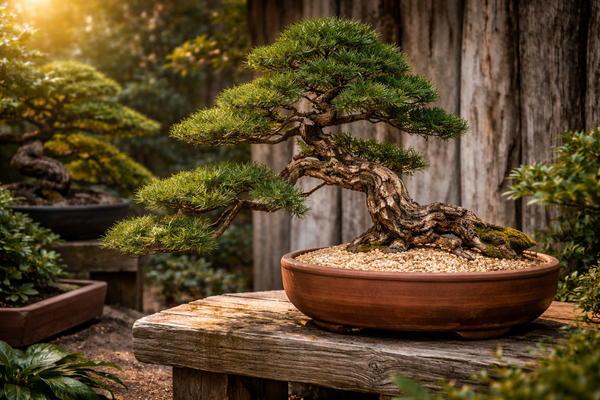 Collections spécialisées
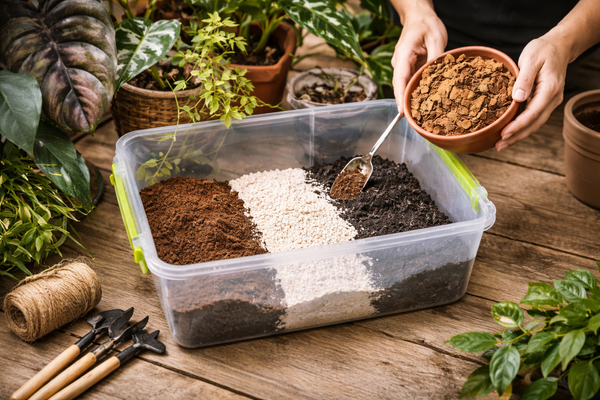 Soins et accessoires
Tout pour semer, planter et faire pousser.
Tout découvrir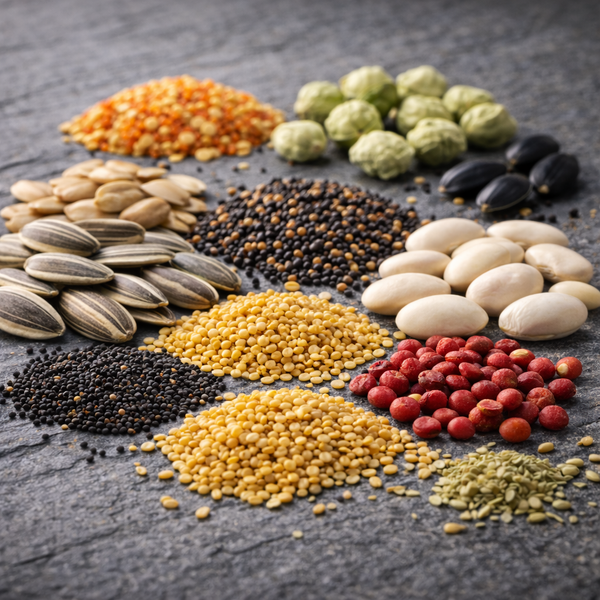 Semences
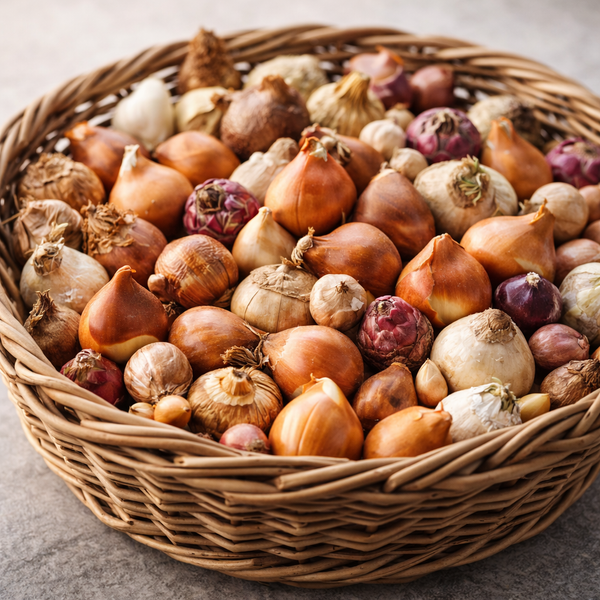 Bulbes
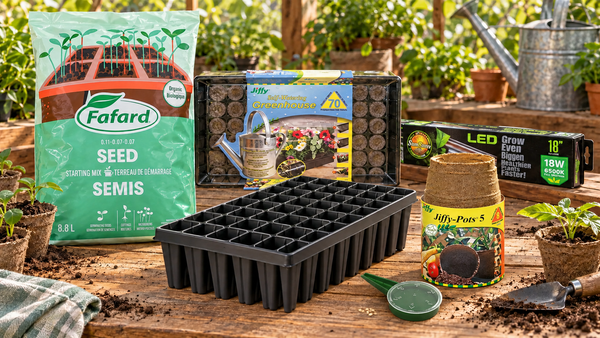 Tout pour les semis
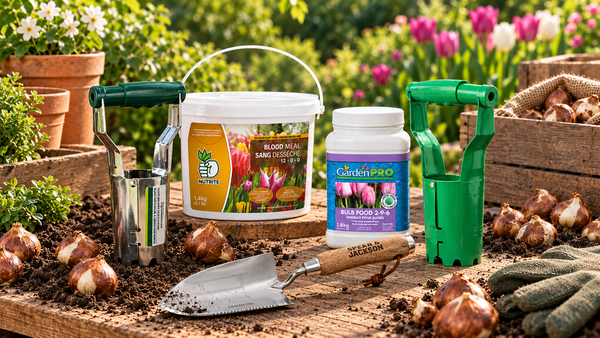 Pour planter les bulbes
Tout pour semer, nourrir et retrouver une belle pelouse.
Tout pour semer, nourrir et retrouver une belle pelouse.
Tout découvrir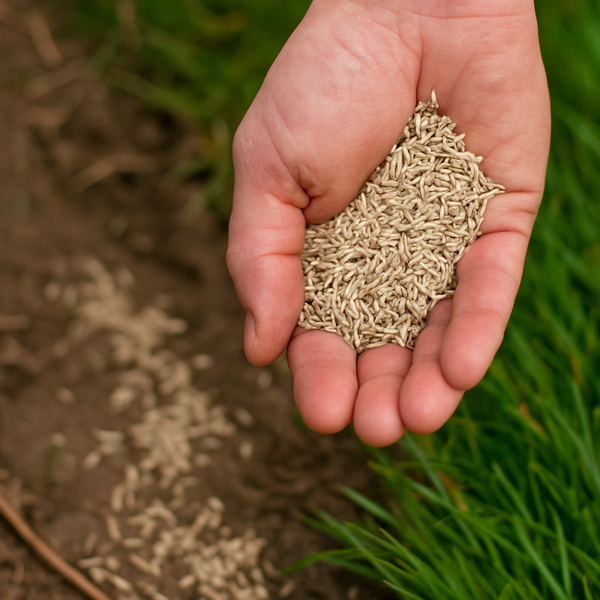 Semences à gazon
 Engrais pour gazon
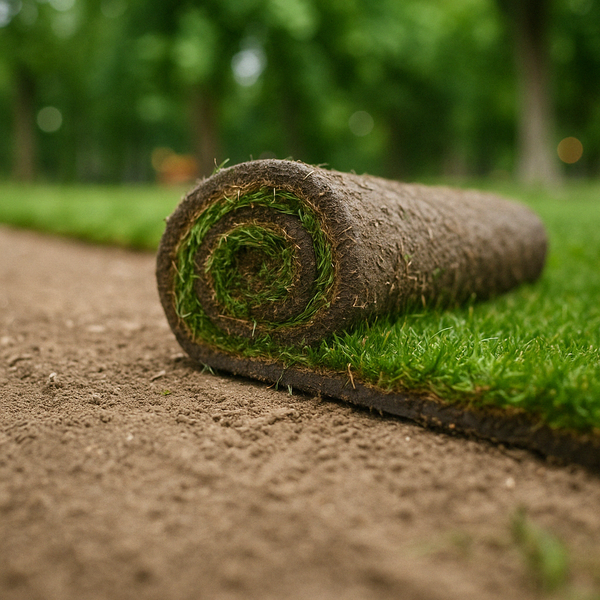 Tourbe et préparation
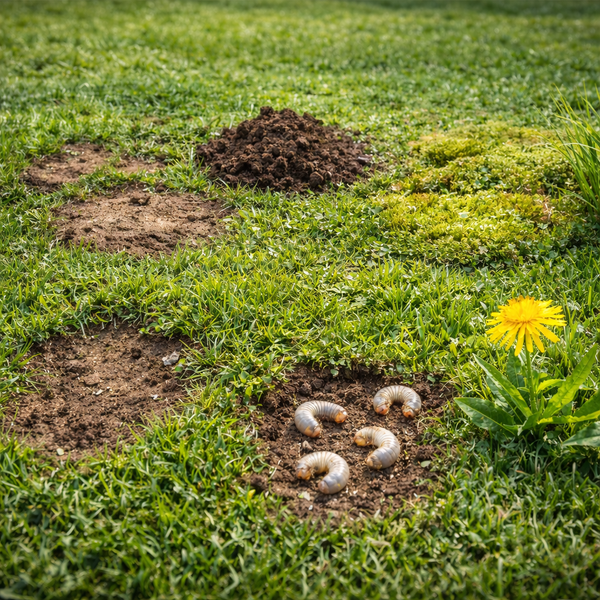 Soins et traitements
Tout pour nourrir, protéger et entretenir vos plantes.
Tout pour nourrir, protéger et entretenir vos plantes.
Tout découvrir



Valide uniquement dans la succursale choisie lors de l’achat.
Choisir la carte en magasinTout pour semer, planter et faire pousser.
 Outils
 Compostage et écologie