Plantes d’extérieur
Tout pour fleurir, cultiver et aménager votre jardin.


Épinette naine aux longues aiguilles et rameaux colorés
Norway spruce
Title
Products and available quantities may vary between Brossard and Laval. To check a store’s inventory, please contact us directly.
Even better: visit us in store to discover the full selection available!
Click a product to build your selection.
Dwarf Norway Spruce ‘Mikulášovice’ (Picea abies ‘Mikulášovice’) is a unique conifer that combines long, grass-green needles with short, irregular, orange-brown branches. This unusual architecture forms a very dense, characterful mass that becomes broadly upright and almost pyramidal. Iseli Nursery indicates a dwarf growth rate of 5 to 10 cm per year and a garden size of approximately 60 cm high by 90 cm wide. Hardy in zone 3, Mikulášovice remains small enough for a rock garden, border, alpine garden, or container, while offering a more expressive silhouette than a simple round cushion.
Plant Mikulášovice in full sun in cool, fertile, well-drained soil. Light partial shade may be suitable, but abundant light promotes density and a pyramidal shape. Dig a wide hole without burying the root flare, water deeply, then apply 5 to 8 cm of mulch, keeping the trunk and branches clear. Maintain regular moisture for the first two seasons. Avoid standing water, de-icing salt, compaction, and surfaces that reflect intense heat. In a container, choose a structured mix and monitor moisture more closely during hot and windy periods.
Mikulášovice naturally develops its irregular habit and does not require formative pruning. Only remove dead, broken, or rubbing wood in early spring. The orange-brown branches visible between the long needles are part of its normal character. Avoid shearing, which would erase this architecture and could leave bare areas. Watch out for spider mites, aphids, adelgids, scale insects, cankers, and needle diseases, especially when the plant is experiencing drought or poor drainage. Allow approximately 90 cm in width and place it near a viewing point. Its unusual texture particularly stands out against light stones or fine, contrasting foliage.
Planting guide
Soil and care
Container growing

Bloom and dimensions

Garden associations
Frequently asked questions
Tout pour fleurir, cultiver et aménager votre jardin.
Une touche de nature, dans chaque pièce.
Tout pour fleurir, cultiver et aménager votre jardin.
Tout découvrir Potager et fines herbes
 Fleurs et vivaces
 Arbres et arbustes
 Soins et plantation
Une touche de nature, dans chaque pièce.
Tout découvrir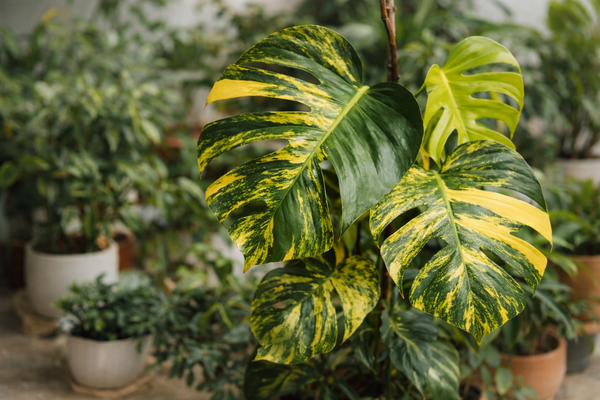 Plantes tropicales
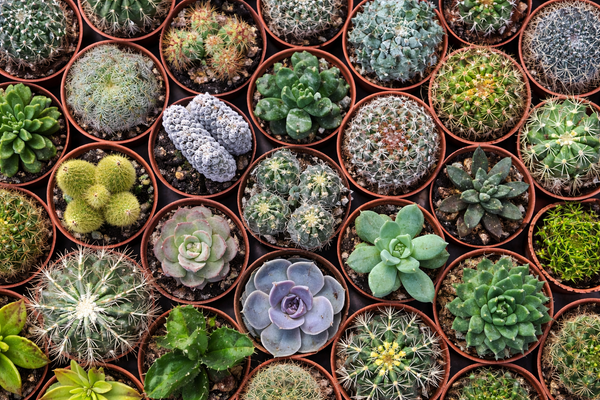 Cactus et succulentes
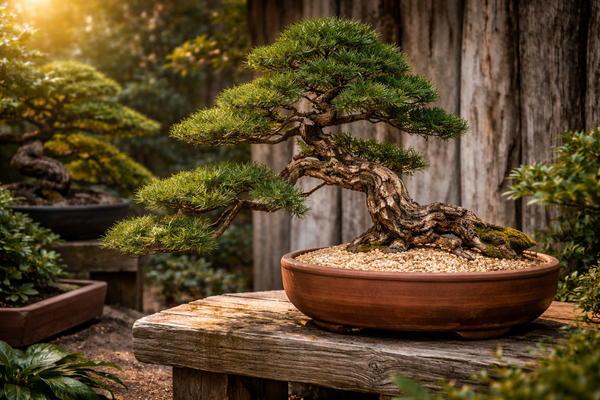 Collections spécialisées
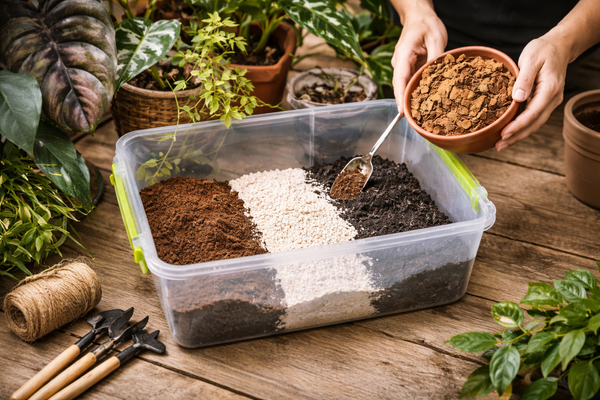 Soins et accessoires
Tout pour semer, planter et faire pousser.
Tout découvrir Semences
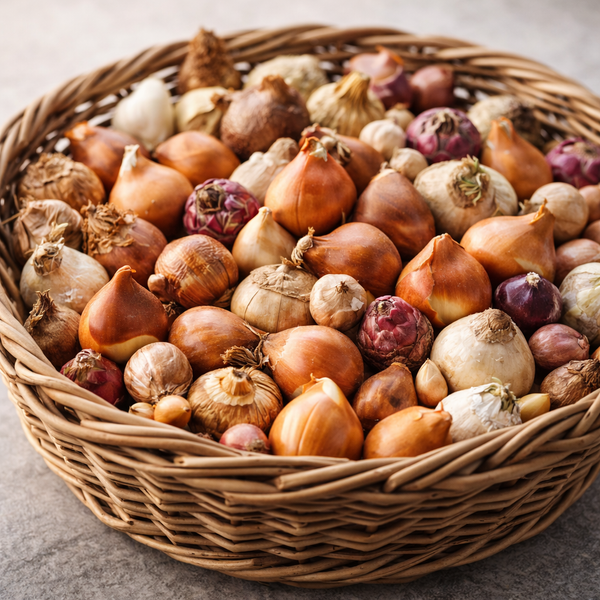 Bulbes
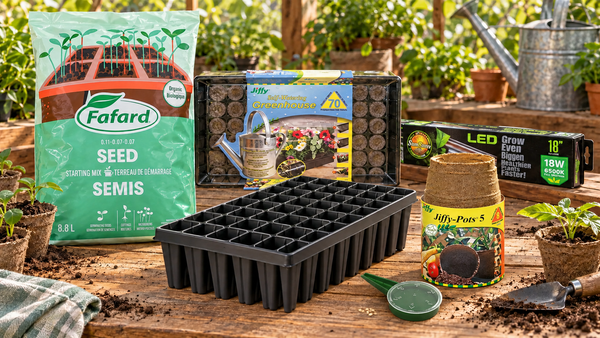 Tout pour les semis
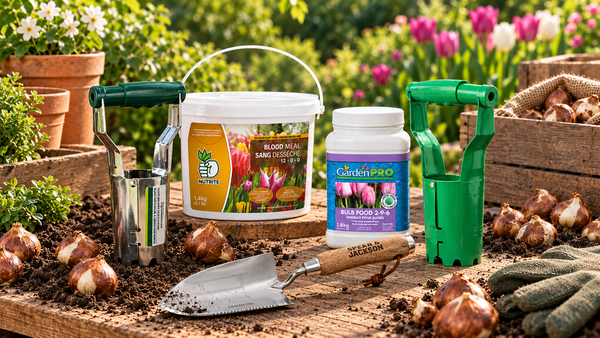 Pour planter les bulbes
Tout pour semer, nourrir et retrouver une belle pelouse.
Tout pour semer, nourrir et retrouver une belle pelouse.
Tout découvrir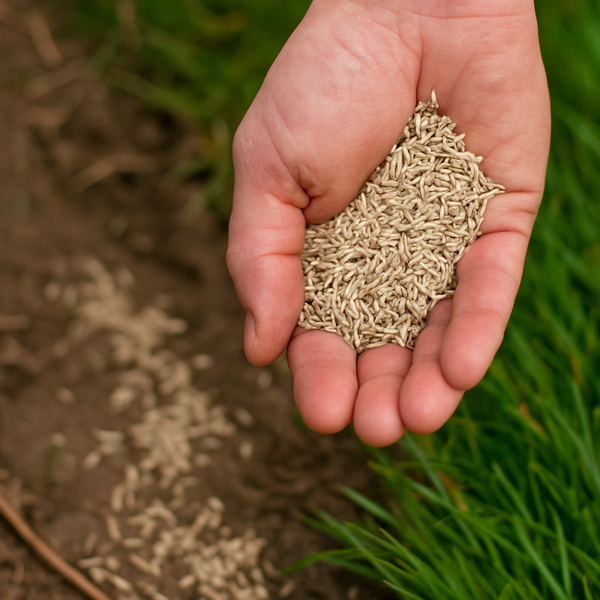 Semences à gazon
 Engrais pour gazon
 Tourbe et préparation
 Soins et traitements
Tout pour nourrir, protéger et entretenir vos plantes.
Tout pour nourrir, protéger et entretenir vos plantes.
Tout découvrir



Valide uniquement dans la succursale choisie lors de l’achat.
Choisir la carte en magasinTout pour semer, planter et faire pousser.
 Outils
 Compostage et écologie