Plantes d’extérieur
Tout pour fleurir, cultiver et aménager votre jardin.


Épinette naine large et étalée pour rocaille
Norway spruce
Title
Products and available quantities may vary between Brossard and Laval. To check a store’s inventory, please contact us directly.
Even better: visit us in store to discover the full selection available!
Click a product to build your selection.
Dwarf Norway Spruce ‘Pumila’ (Picea abies ‘Pumila’) forms a dense, low mound that is much wider than it is tall. Its lower branches spread almost horizontally, while the upper shoots gradually straighten and can create a small central cone with age. The short, grass-green evergreen needles give a fresh, uniform texture. The American Conifer Society indicates an annual growth of 7.5 to 12.5 cm and approximately 45 cm in height by 1.3 m in width after ten years. This selection, cultivated since the 19th century, is suitable for rock gardens, borders, and small landscape designs that require a spreading evergreen structure.
Plant Pumila in full sun, or light shade, in fresh, fertile, well-drained soil. It tolerates several soil textures, but the roots should never remain in standing water. Dig a wide hole without burying the root flare, water deeply, then apply 5 to 8 cm of mulch, keeping the branches and trunk clear. Maintain regular moisture during the first two seasons. Avoid accumulations of salted snow, surfaces that reflect intense heat, and very drying winds. Good light helps the mound maintain dense branching right into its central part.
Pumila naturally develops its spreading form and requires little pruning. Only remove dead, broken, or rubbing wood in early spring. If correction is needed, slightly shorten a young shoot without cutting into bare old wood. When planting, allow at least 1.3 to 1.5 m in width to avoid regular shearing. Monitor for spider mites, aphids, adelgids, scale insects, cankers, and needle diseases, especially when a plant is stressed by drought or poor drainage. Hardy in zone 3, this dwarf spruce is also suitable for a large frost-resistant container when watering and overwintering are properly managed.
Planting guide
Soil and care
Container growing

Bloom and dimensions

Garden associations
Frequently asked questions
Tout pour fleurir, cultiver et aménager votre jardin.
Une touche de nature, dans chaque pièce.
Tout pour fleurir, cultiver et aménager votre jardin.
Tout découvrir Potager et fines herbes
 Fleurs et vivaces
 Arbres et arbustes
 Soins et plantation
Une touche de nature, dans chaque pièce.
Tout découvrir Plantes tropicales
 Cactus et succulentes
 Collections spécialisées
 Soins et accessoires
Tout pour semer, planter et faire pousser.
Tout découvrir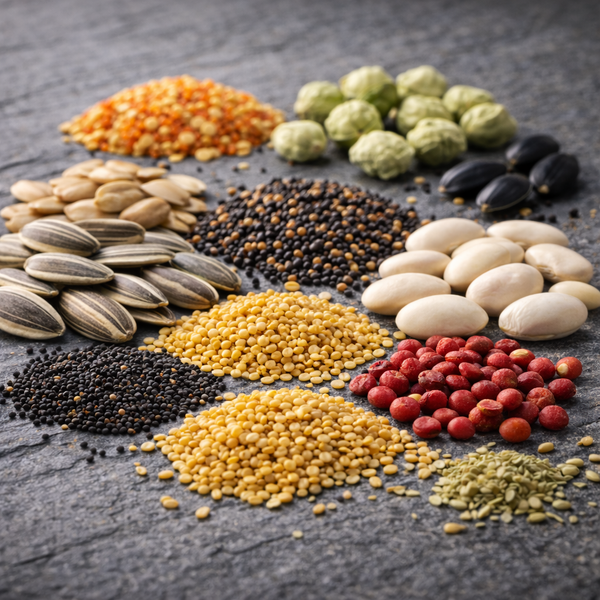 Semences
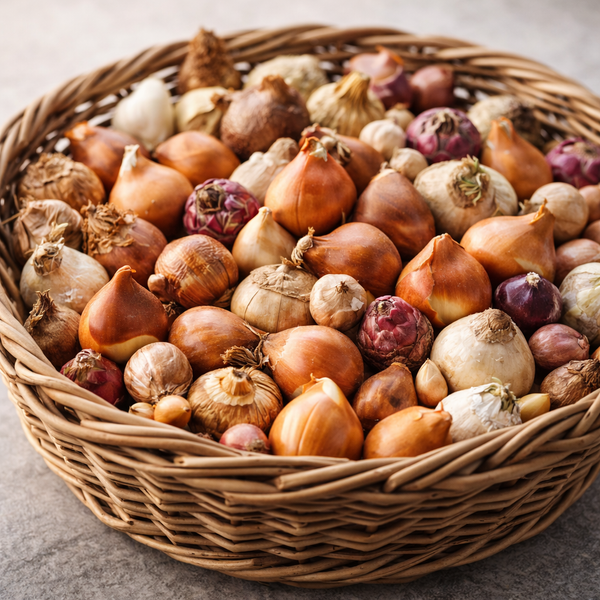 Bulbes
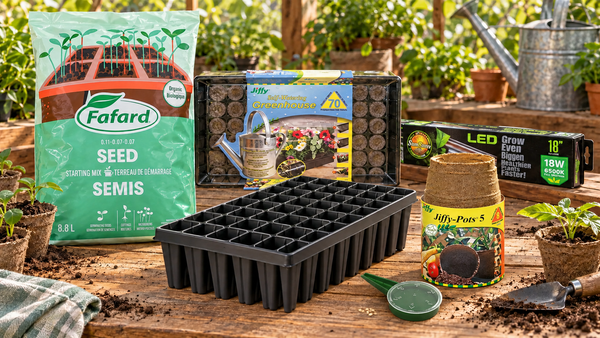 Tout pour les semis
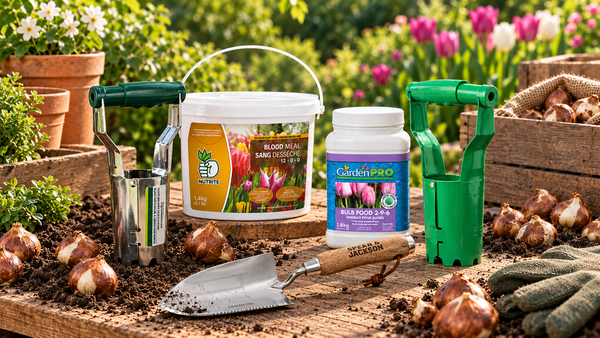 Pour planter les bulbes
Tout pour semer, nourrir et retrouver une belle pelouse.
Tout pour semer, nourrir et retrouver une belle pelouse.
Tout découvrir Semences à gazon
 Engrais pour gazon
 Tourbe et préparation
 Soins et traitements
Tout pour nourrir, protéger et entretenir vos plantes.
Tout pour nourrir, protéger et entretenir vos plantes.
Tout découvrir


Valide uniquement dans la succursale choisie lors de l’achat.
Choisir la carte en magasinTout pour semer, planter et faire pousser.
 Outils
 Compostage et écologie