


Fine Herbs
Plantain
Products and available quantities may vary between Brossard and Laval. To check a store’s inventory, please contact us directly.
Even better: visit us in store to discover the full selection available!
- Exposure
- Full sun to partial shade
- Hardiness
- 3 to 9
Discover the plant
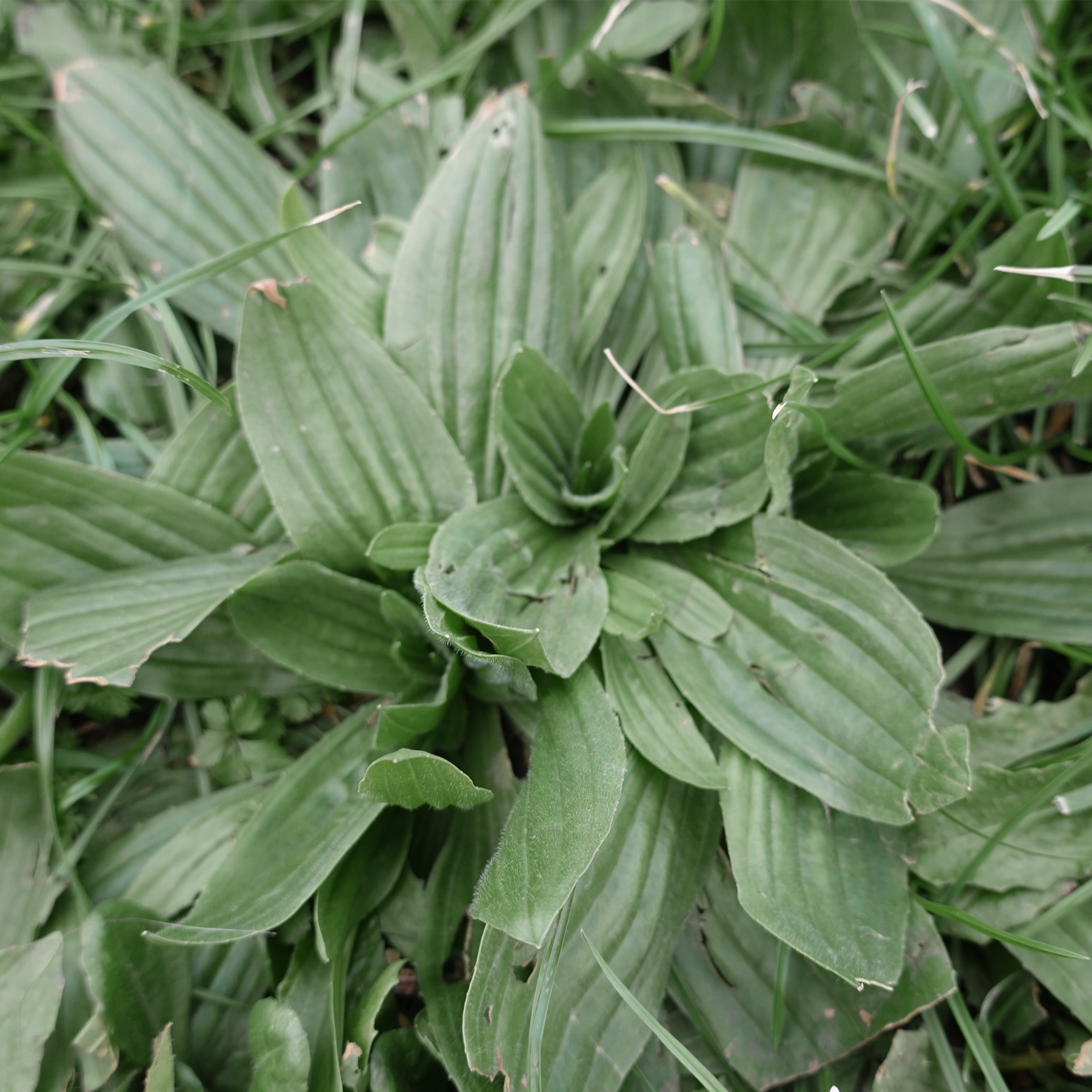
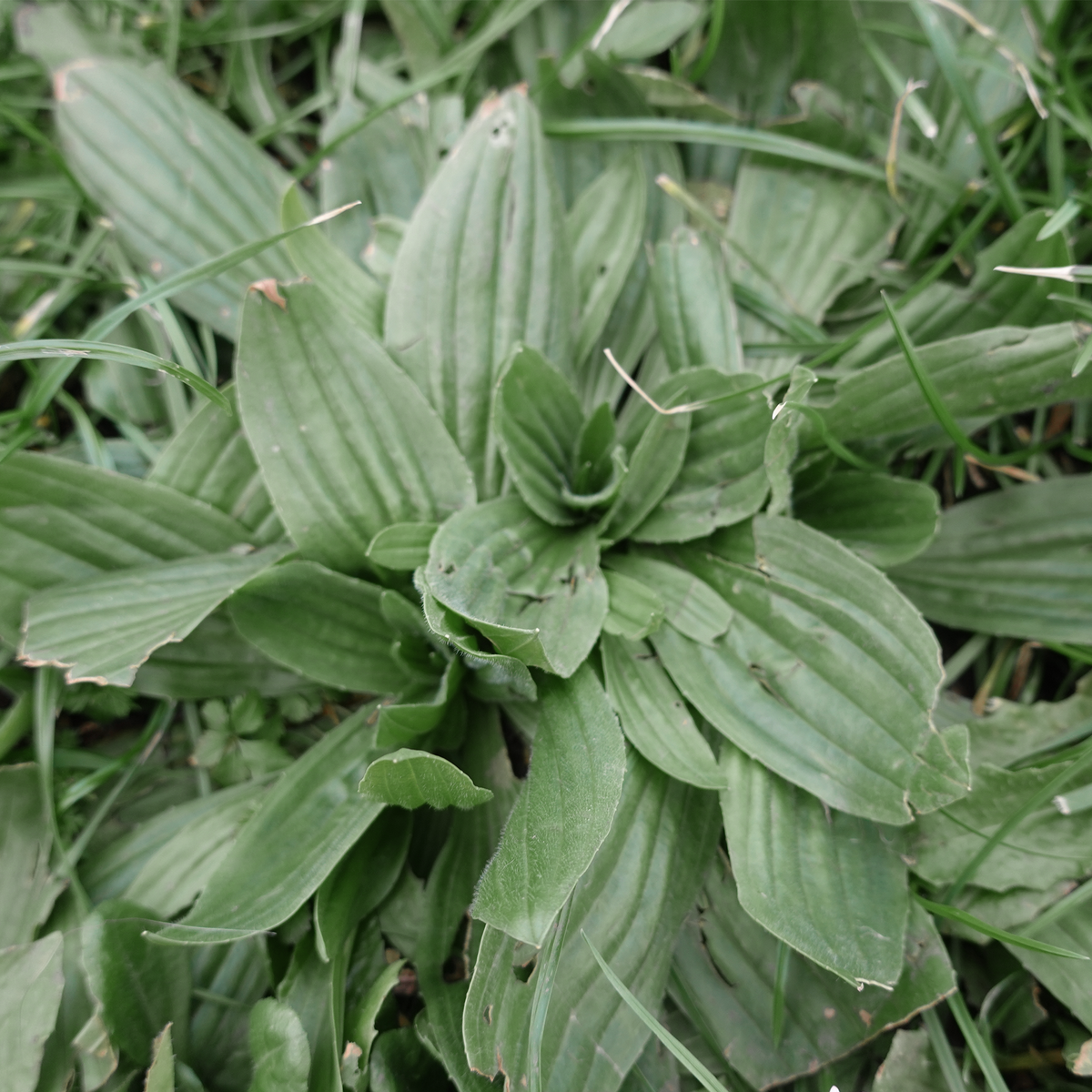
Plantain is an edible and medicinal perennial plant known for its green, ribbed, and very resilient foliage, as well as its great adaptability to the garden. Often found in natural landscapes, useful plant gardens, and biodiversity-friendly spaces, it forms a dense rosette at ground level and produces slender, discreet floral stalks. Its young leaves can be consumed in moderation, fresh when tender, or cooked as a leafy vegetable in soups, stir-fries, omelets, and homemade dishes.
Easy to grow, plantain prefers a sunny or partial shade location, in well-drained soil, from fresh to moderately moist, but it also tolerates poorer and compacted conditions. Very robust, it requires little maintenance and integrates well into naturalized gardens, medicinal vegetable gardens, and spaces where one wishes to cultivate sustainable and useful plants. Harvesting young leaves allows for tenderer foliage, while trimming the flower stalks can help control self-seeding.
Traditionally recognized as a medicinal plant, plantain is especially valued for its botanical interest, hardiness, and its role in natural gardens. Its discreet flowers can attract certain beneficial insects, while its foliage helps enrich a collection of edible and medicinal plants. It is an ideal plant for gardeners looking for an easy, resilient, and historic perennial, perfect for a useful plant garden or a wild and natural-style landscape.

Planting guide
From planting to establishment.
Soil and care
The right care,at the right time.
Soil pH
Minimum temperature
Care level
Watering
Soil type
Fertilization
Moisture
Seasonal care
Container growing
A garden,within reach.
Bloom and dimensions
Its place,in your garden.
Mature height
Width / spread
Flower color
Foliage color
Foliage type
Growth rate
Bloom period
Fruiting
Harvest
Garden associations
In goodcompany.
Companion plants
Plants to avoid
Wildlife and pets