


Sale
Sold out

Purslane family
Vegetables
Purslane
Purslane is an annual, creeping plant with succulent, crisp, and slightly tangy leaves, enjoyed in salads, stir-fries, soups, and fresh cuisine.
Hardiness
Not hardy
Difficulty level
Easy
Discover the plant
Family
Purslane family
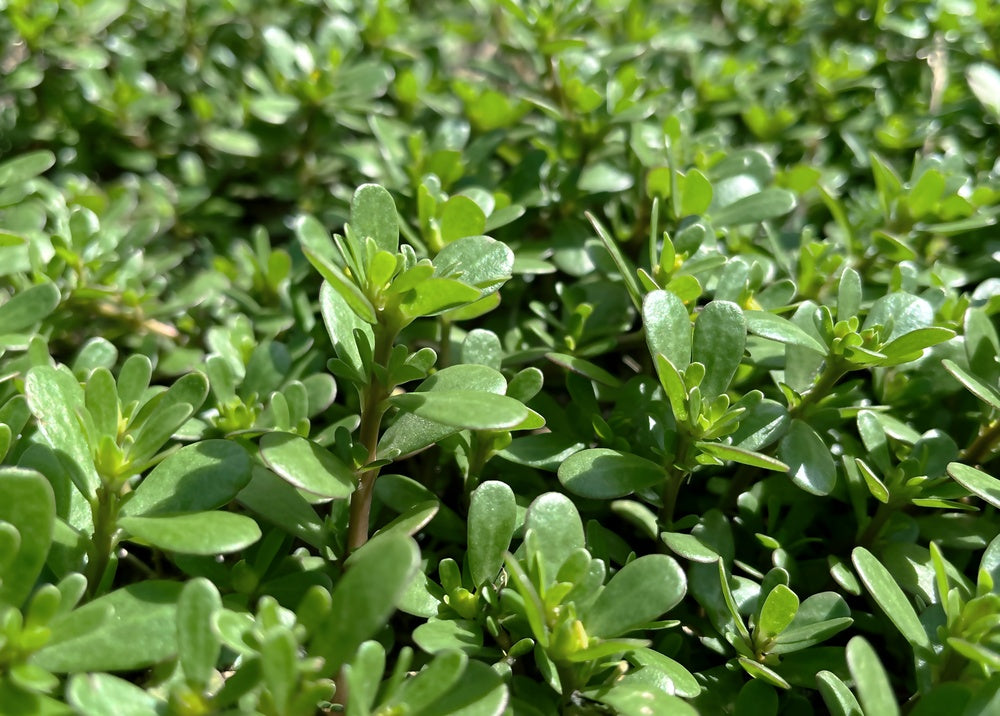
Edible purslane is a succulent annual plant highly valued for its fleshy, crisp, and slightly tangy leaves. Its fresh, mild, and lemony taste makes it an excellent addition to salads, sandwiches, meal bowls, cold soups, stir-fries, omelets, and summer recipes. With its low, spreading habit, it integrates very well into vegetable gardens, edible containers, planters, and gourmet landscaping where an easy, original, and productive plant is desired.
Easy to grow, edible purslane prefers a warm, sunny location, in light, well-drained, and rather dry to moderately fertile soil. Thanks to its thick leaves that retain water, it tolerates heat and drier periods well, making it an excellent plant for low-maintenance gardens. Regular harvesting of young shoots encourages denser growth and allows for tender foliage throughout the season.
Both decorative, nutritious, and very versatile, edible purslane is ideal for gardeners looking for a resilient edible plant that is different from classic leafy greens. Its leaves and young stems are mainly consumed fresh to retain their crisp texture, but can also be lightly cooked. It is an excellent plant to enrich an urban vegetable garden, a gourmet garden, or container cultivation with a fresh, flavorful, and easy-to-grow harvest.

Planting guide
From plantingto establishment.
Propagation
Direct sowing or stem cuttings
Soil and care
The rightconditions.
Soil pH
Neutral to slightly alkaline
Fertilization
Light compost at sowing; low to moderate fertilization
Care level
Easy
Seasonal care
Harvest young stems and leaves regularly; avoid overwatering; protect from cold and uproot after frost
Container growing
A controlledenvironment.
Container culture excellent in a well-drained pot
Bloom and dimensions
The completeprofile.
Bloom periodSummer
Flower colorYELLOW
Foliage colorGreen
Foliage typeObsolete
FruitingFine seeds late in the season
Maximum height4 to 8 inches (10 to 20 cm)
Maximum width30 to 45 cm (12 to 18 inches)
Growth rateRapid growth
Hardiness zoneNot hardy
Minimum temperature32 °F
Garden associations
What to plantwith it.
Vegetable patch, container, balcony, edible garden, temporary ground cover, salad
Its strengths, naturally.

Not recommended for pets
Pets


