


Fine Herbs
Wasabi arugula
Products and available quantities may vary between Brossard and Laval. To check a store’s inventory, please contact us directly.
Even better: visit us in store to discover the full selection available!
- Exposure
- Full sun
- Hardiness
- Not hardy
Discover the plant
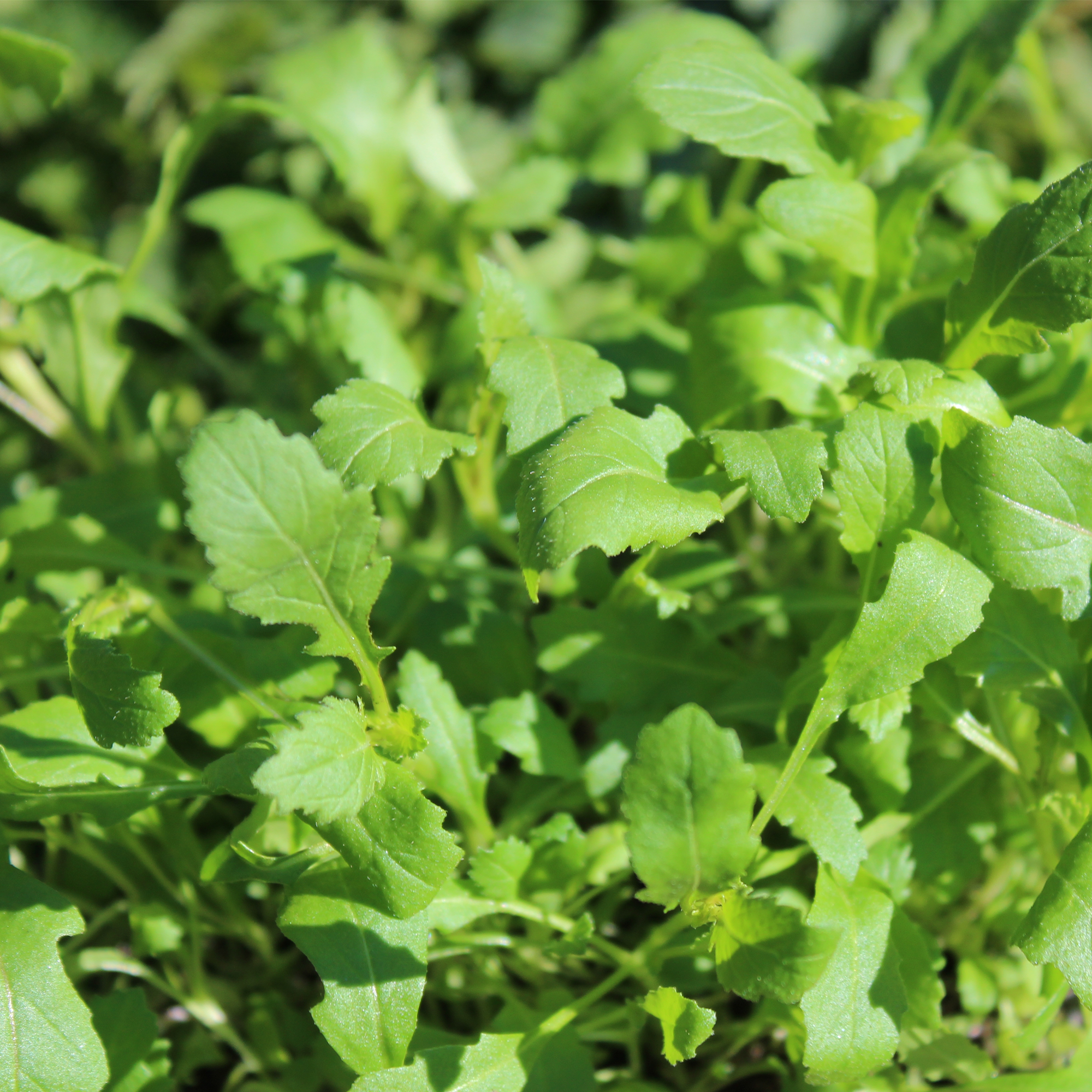
Wasabi arugula is a unique annual vegetable plant, appreciated for its green foliage with a very strong, fresh, and pungent taste, reminiscent of classic arugula with a livelier note inspired by wasabi. It is ideal for gardeners looking for a different leafy green that can add a lot of character to salads, sandwiches, pizzas, meal bowls, tartines, homemade sushi, fresh sauces, and garnishes. Its cut foliage integrates very well into vegetable gardens, edible planters, window boxes, and patio containers.
Easy to grow, wasabi arugula prefers a location in soft sun or partial shade, in fertile, fresh, and well-drained soil. It grows quickly and appreciates regular watering to keep its leaves tender, flavorful, and less bitter. Like many arugula varieties, it can bolt more quickly when the heat becomes intense, so it is recommended to grow it in spring, late summer, or in successive sowings to extend the harvest. Young leaves offer a more balanced flavor, while mature leaves develop a more powerful taste.
Both productive, original, and very versatile in the kitchen, wasabi arugula is perfect for enriching a gourmet garden with a quick and personality-filled harvest. Its pungent taste allows for adding a spicy touch to dishes without needing to use a large quantity. It is an excellent plant for urban vegetable gardens, container cultivation, and edible landscaping where one wishes to integrate tasty, decorative, and easy-to-harvest leafy greens.

Planting guide
From planting to establishment.
Soil and care
The right care,at the right time.
Soil pH
Minimum temperature
Care level
Watering
Soil type
Fertilization
Moisture
Seasonal care
Container growing
A garden,within reach.
Bloom and dimensions
Its place,in your garden.
Mature height
Width / spread
Flower color
Foliage color
Foliage type
Growth rate
Bloom period
Fruiting
Harvest

Garden associations
In goodcompany.
Companion plants
Plants to avoid
Wildlife and pets