

 Bionik marine and forest compost 0.6-1.8-0.13$9.99
SaleSold out

Arbuste ornemental aromatique
Asteraceae
Medicinal plants
Lavender-cotton
Santolina chamaecyparissus
Blue Santolina is a compact aromatic perennial with finely cut silvery-blue foliage and summer yellow flowers, perfect for dry gardens, rockeries, and sunny borders.
Pair it with
Bionik marine and forest compost 0.6-1.8-0.13$9.99Choose the essentials to add to your selection.
Format
$3.99
Each store has its own inventory.
Products and available quantities may vary between Brossard and Laval. To check a store’s inventory, please contact us directly.
Even better: visit us in store to discover the full selection available!
- Exposure
- Soleil
- Life cycle
- Vivace
Discover the plant
Common nameBlue Santolina
FamilyAsteraceae
GenusSantolina
Specieschamaecyparissus
TypeArbuste ornemental aromatique
Botanical nameSantolina chamaecyparissus
Blue santolina is an aromatic and ornamental perennial plant prized for its finely cut, grey-blue to silvery foliage, which brings a very luminous texture to sunny arrangements. Its compact, rounded, and naturally structured habit makes it an excellent plant for borders, rockeries, patio pots, herb gardens, and Mediterranean-style flowerbeds. Its fragrant foliage creates a beautiful contrast with lavenders, thymes, salvias, rosemarys, grasses, and flowering perennials.
Easy to grow, blue santolina prefers a sunny, warm, and well-ventilated location, in light, poor to moderately fertile, and very well-drained soil. It tolerates heat and dry conditions very well once established, making it an ideal plant for low-water gardens. It does not tolerate excess humidity and heavy soils well, especially in cold weather. Light pruning after flowering helps maintain a dense, compact, and well-shaped plant.
Both decorative, fragrant, and hardy, blue santolina is primarily grown for its refined bluish foliage and its ease of maintenance in dry soil. Its yellow flowering in small buttons attracts pollinators and adds a luminous touch to the garden. It is an excellent plant for creating an aromatic border, a dry garden, or a natural arrangement with an elegant, durable, and Mediterranean style.

Planting guide
From planting to establishment.
Growing method
Préparez l’emplacement de Santoline bleue avant d’installer une plante enracinée dans la plate-bande. Choisissez une exposition soleil et un sol léger bien drainé tendant vers des conditions sèches. Arrosez la motte après la plantation, puis vérifiez le substrat et le terrain voisin; maintenez l’humidité convenant à cette plante sans emprisonner l’eau autour de sa base. Évitez les excès d’engrais et l’humidité persistante du collet. Vérifiez le centre vieillissant avant de tailler et gardez un accès en bordure ensoleillée de rocaille. Le fin feuillage grisâtre est décoratif; aucun extrait aromatique concentré, effet thérapeutique ou récolte comestible n’est attribué. Évitez un terrain gelé ou saturé et réservez du temps pour arroser après les travaux. Examinez la motte avant de la sortir du contenant; humidifiez-la si elle a séché. Préparez le sol voisin pour offrir aux racines un milieu de croissance utilisable, puis retirez délicatement le pot et placez le collet au niveau précédent. Comblez autour de la motte sans enfouir le centre de croissance ni compacter le sol au point de bloquer l’eau. Arrosez lentement pour mettre les racines en contact avec le terrain et gardez la surface dégagée pour les inspections. Pendant la première saison, observez la motte d’origine et le sol voisin, surtout après la chaleur ou le vent. Retirez à la main les mauvaises herbes près du collet. Retirez les tiges florales fanées après la floraison et formez sélectivement le plant en gardant la croissance vivante utile. Guidez l’entretien suivant avec les nouvelles pousses et l’humidité réelle au lieu d’un calendrier qui ignore les conditions de plantation.
Soil and care
The right care,at the right time.
Watering
Arrosez la motte après la plantation, puis vérifiez le substrat et le terrain voisin; maintenez l’humidité convenant à cette plante sans emprisonner l’eau autour de sa base. Pour Santoline bleue, examinez l’humidité dans la zone des racines au lieu de regarder uniquement la surface. Une motte nouvellement plantée peut sécher à un rythme différent du terrain voisin. Versez l’eau avec soin, puis réévaluez avant de répéter la même quantité selon un horaire fixe.
Soil type
Santoline bleue demande un sol léger bien drainé tendant vers des conditions sèches. Évaluez le terrain avant la plantation, notamment les endroits où l’eau s’accumule après la pluie et la compaction autour de l’emplacement. Les racines ont besoin d’un milieu convenable au-delà de leur motte de pépinière; préparez donc une zone utilisable plutôt qu’une poche isolée de sol amélioré. Vérifiez l’état du terrain après la pluie avant de décider si l’eau s’évacue convenablement.
Fertilization
Light compost in the spring; avoid over-fertilizing
Seasonal care
Lightly prune after flowering to maintain a compact shape; avoid heavy and wet soils; protect from excessive winter moisture
Container growing
A garden,within reach.
Un contenant de Santoline bleue demande la même exposition soleil qu’au jardin, avec davantage de surveillance des racines et de l’humidité. Choisissez un pot stable pendant le développement et vérifiez ses trous avant d’ajouter le terreau. Adaptez le volume à la motte au lieu de prendre un pot surdimensionné dont le centre demeure humide longtemps. Employez un terreau convenable, gardez le collet au niveau précédent et arrosez doucement pour installer les racines. Arrosez la motte après la plantation, puis vérifiez le substrat et le terrain voisin; maintenez l’humidité convenant à cette plante sans emprisonner l’eau autour de sa base. Examinez le contenant après la pluie et l’arrosage, surtout s’il repose dans un cache-pot. Videz l’eau accumulée et gardez le collet visible pour le nettoyage. Les plantes associées doivent partager l’exposition et laisser de l’espace plutôt que remplir immédiatement chaque ouverture. Suivez la dose d’engrais pour contenants et accordez d’abord la priorité à la lumière et à l’humidité. Adaptez l’entretien hivernal au jardin ou au contenant réel au Québec; observez les racines à la fonte plutôt que présumer une protection identique dans les deux situations. Réévaluez le drainage et l’encombrement pendant la saison; déplacez ou rempotez la plante lorsque la disposition ne convient plus à ses racines ou à sa stabilité.
Bloom and dimensions
Its place,in your garden.
Flower color
YELLOW
Fragrance
Feuillage aromatique
Bloom period
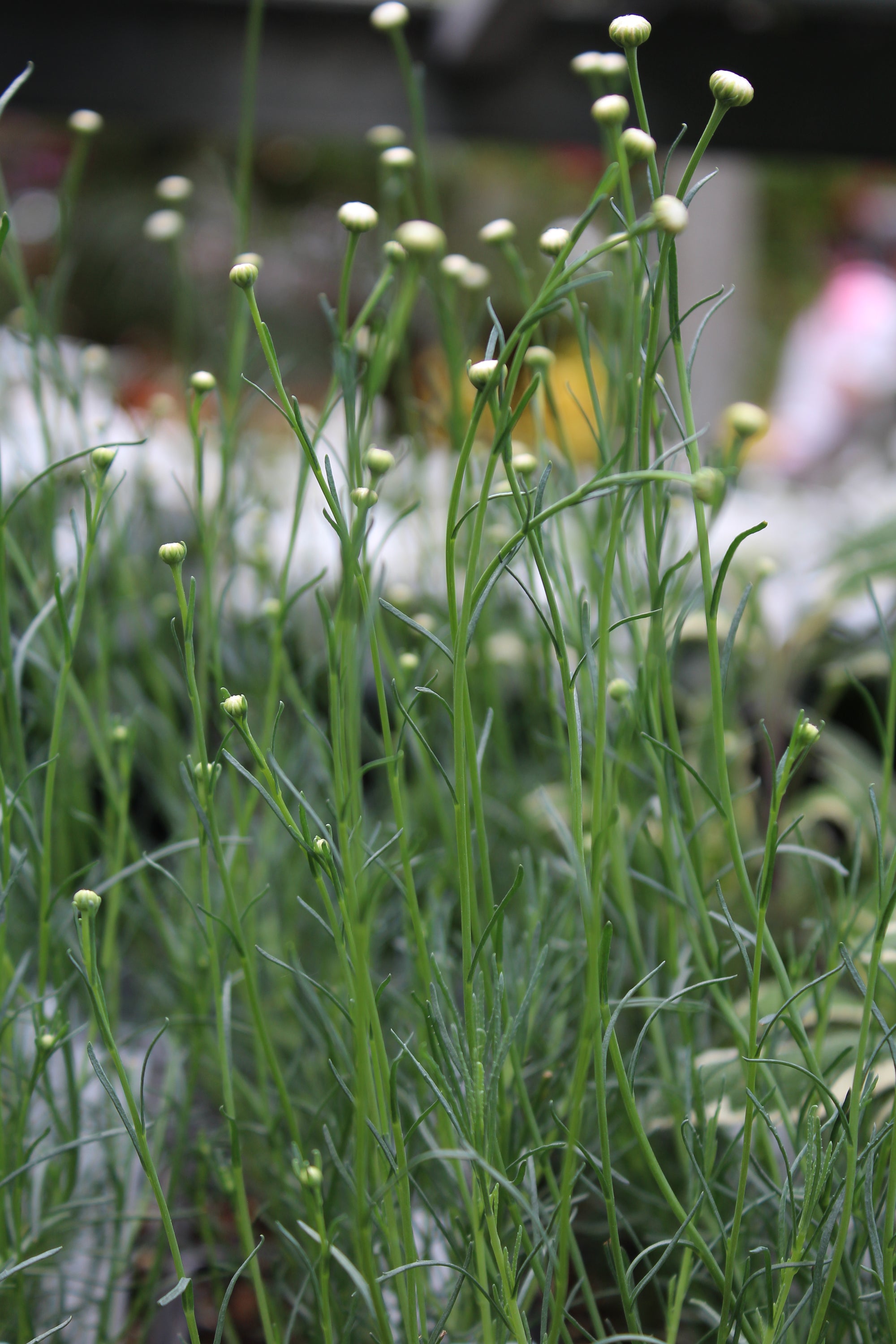
Santoline bleue possède des fleurs décrites comme jaune doré, formant la floraison ornementale de cette sélection. Observez les boutons et fleurs ouverts sur le plant réel en gardant les jeunes racines fraîches sans engorgement. Conservez le feuillage sain et des rameaux accessibles pour examiner les fleurs sans abîmer les pousses en développement. Leur couleur ne définit pas un usage culinaire. Suivez la progression réelle au jardin québécois, où l’établissement, la chaleur saisonnière et la météo locale influencent la floraison.
Garden associations
In goodcompany.
Companion plants
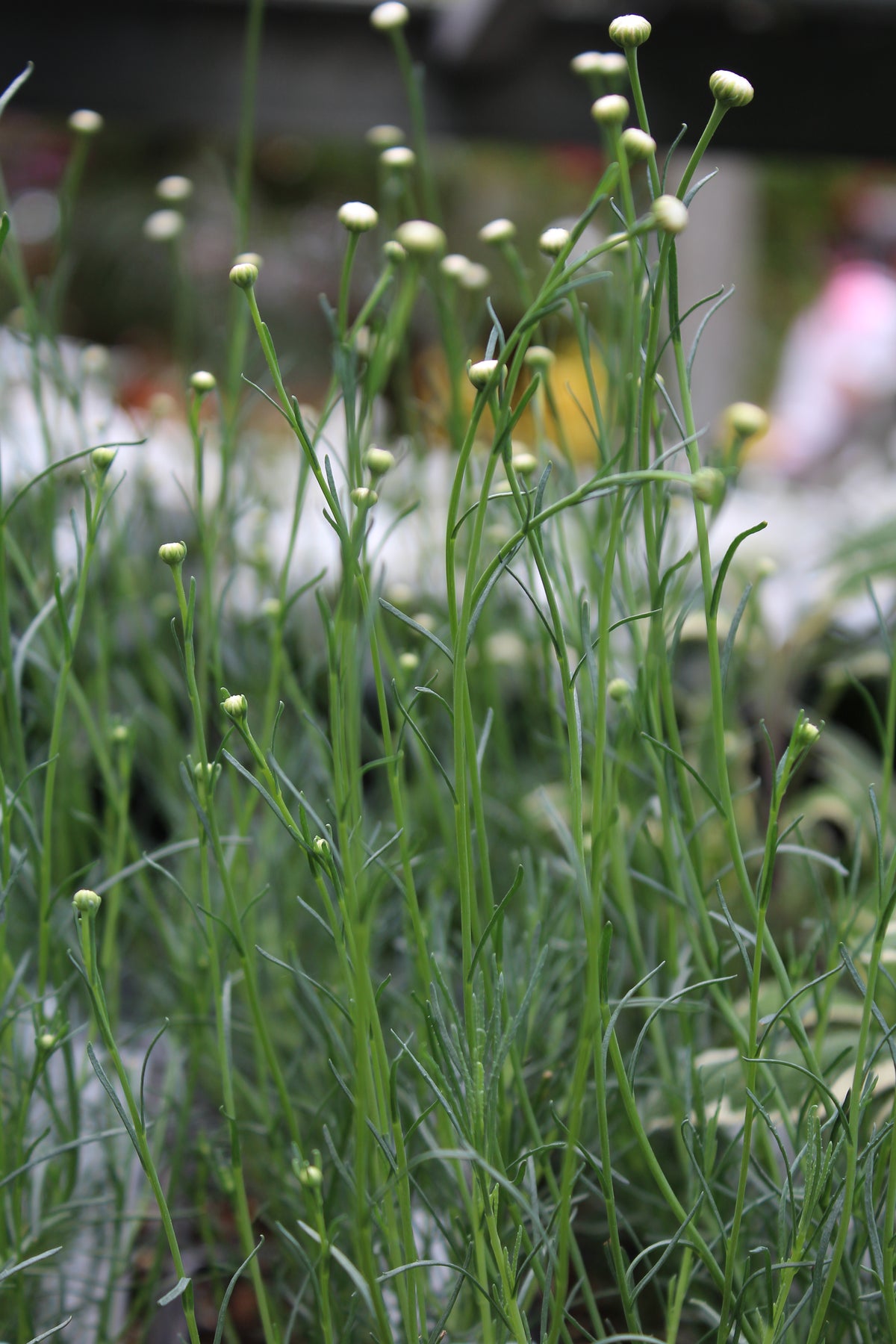
Choisissez les compagnes de Santoline bleue selon l’exposition soleil et le sol léger bien drainé tendant vers des conditions sèches avant de comparer leurs couleurs. Les voisines doivent laisser de l’espace aux racines et garder la plante visible pendant leur développement. Un contraste de taille de feuille ou de silhouette crée une scène intéressante sans associer des besoins d’arrosage incompatibles. Arrosez la motte après la plantation, puis vérifiez le substrat et le terrain voisin; maintenez l’humidité convenant à cette plante sans emprisonner l’eau autour de sa base. Éloignez les plantes vigoureuses du collet et gardez l’accès pour inspecter la plantation. Ces associations relèvent de l’aménagement et de la culture; elles ne garantissent ni protection automatique contre les ravageurs ni floraison améliorée.
Frequently asked questions
Your questions,answered.
Santoline bleue : Où faut-il l’installer?
Installez Santoline bleue avec une exposition soleil et un sol léger bien drainé tendant vers des conditions sèches. Choisissez d’abord l’emplacement pour ses besoins culturaux, puis considérez la vue depuis une allée ou un coin repos. La santoline argentée forme une plantation ligneuse arrondie aromatique au feuillage grisâtre finement divisé et capitules jaunes en boutons. Réservez l’espace des racines et de la silhouette en développement, sans laisser les voisines vigoureuses l’ombrager. Le contenant de pépinière montre un stade de croissance; évitez donc de coincer la plante dans une ouverture rapidement encombrée. Gardez l’accès pour arroser et inspecter. Réévaluez après une saison complète, lorsque les voisines atteignent leur volume saisonnier.
Santoline bleue : Comment faut-il l’arroser?
Arrosez la motte après la plantation, puis vérifiez le substrat et le terrain voisin; maintenez l’humidité convenant à cette plante sans emprisonner l’eau autour de sa base. Vérifiez Santoline bleue près des racines et observez le séchage de la motte d’origine et du terrain voisin. Une surface sèche ne décrit pas nécessairement l’humidité plus profonde. Arrosez lentement pour faire entrer l’eau dans la zone de croissance au lieu de la laisser ruisseler, puis vérifiez avant de répéter la même quantité. Le temps, l’exposition et le drainage changent l’intervalle entre les apports. Gardez le collet visible et adaptez l’arrosage après la pluie ou le vent, selon la plante et le sol plutôt qu’un horaire hebdomadaire fixe.
Santoline bleue : Peut-on la cultiver en contenant?
Un contenant convient à Santoline bleue si l’espace racinaire, la lumière et les soins saisonniers peuvent être maintenus. Prenez un pot stable avec un drainage adapté et assez de volume pour la motte en développement. Conservez l’exposition soleil, examinez l’humidité plus souvent que dans une plate-bande abritée et empêchez l’eau de rester dans le cache-pot. Adaptez l’entretien hivernal au jardin ou au contenant réel au Québec; observez les racines à la fonte plutôt que présumer une protection identique dans les deux situations. Réévaluez pendant la croissance; une plante qui tient initialement dans un pot de pépinière peut demander davantage d’espace ou un emplacement au jardin par la suite.
Santoline bleue : Quel nettoyage saisonnier faut-il prévoir?
Retirez les tiges florales fanées après la floraison et formez sélectivement le plant en gardant la croissance vivante utile. Repérez d’abord le collet et les pousses nouvelles, puis retirez les parties abîmées sans couper les tissus sains uniquement pour obtenir une silhouette nette. Limitez les mauvaises herbes près de la base et examinez les changements du feuillage avant d’ajouter de l’engrais. Arrosez la motte après la plantation, puis vérifiez le substrat et le terrain voisin; maintenez l’humidité convenant à cette plante sans emprisonner l’eau autour de sa base. En automne, vérifiez le drainage et retirez les débris malades. Adaptez l’entretien hivernal au jardin ou au contenant réel au Québec; observez les racines à la fonte plutôt que présumer une protection identique dans les deux situations. Fiez-vous au développement de la plante et au temps.
Santoline bleue : Comment l’associer aux autres plantes?
Associez Santoline bleue à des plantes qui partagent l’exposition soleil et le sol léger bien drainé tendant vers des conditions sèches. Utilisez les feuilles, les silhouettes et le développement saisonnier pour créer un contraste visible sans imposer des besoins d’arrosage incompatibles. La santoline argentée forme une plantation ligneuse arrondie aromatique au feuillage grisâtre finement divisé et capitules jaunes en boutons. Gardez assez d’espace pour voir la plante pendant la croissance et prévoyez un passage d’arrosage et d’inspection. Un petit groupe répété convient à une bordure longue; un seul sujet fonctionne près d’une allée ou de contenants. Observez les compagnes pendant une saison complète avant de combler les ouvertures temporaires du début du printemps.