


Fine Herbs
Clary sage
Products and available quantities may vary between Brossard and Laval. To check a store’s inventory, please contact us directly.
Even better: visit us in store to discover the full selection available!
- Exposure
- Full sun
- Hardiness
- 4 to 8
Discover the plant
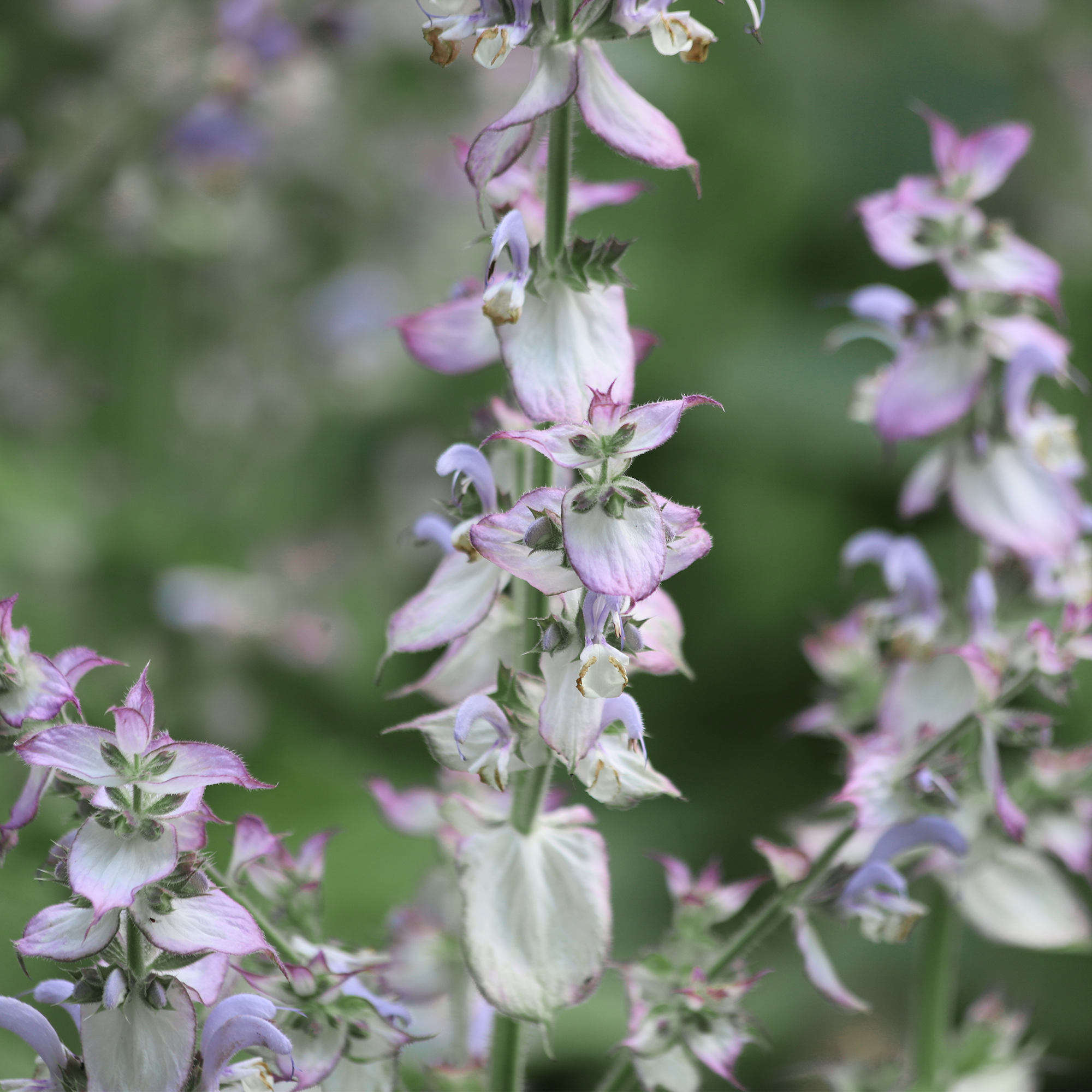
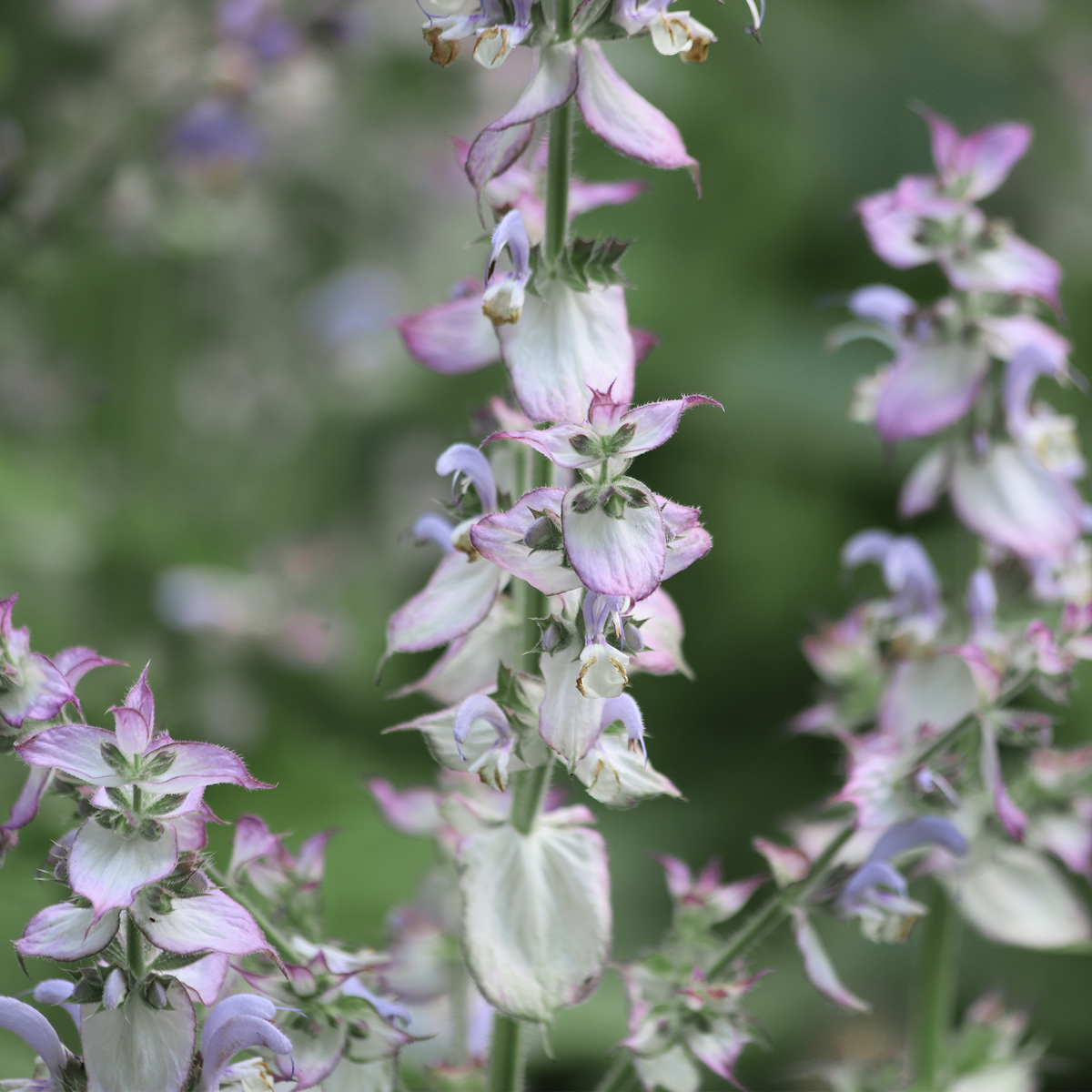
Clary sage is an aromatic and ornamental plant highly valued for its architectural habit, large and fragrant foliage, and spectacular flowering with pink, mauve, or lilac spikes. It adds a lot of height, texture, and movement to herb gardens, sunny flowerbeds, naturalized plantings, and pollinator-friendly gardens. Its slightly wild yet very elegant appearance makes it a remarkable plant for creating a rustic, fragrant, and characterful setting.
Easy to grow, clary sage prefers a full sun location in light, fertile to moderately rich, and very well-drained soil. It tolerates drier periods well once established but requires good drainage to remain vigorous. As it is often a biennial or short-lived perennial plant, it first develops a beautiful rosette of foliage before producing its grand bloom. Planting it in a warm, open, and well-ventilated spot promotes better performance in the garden.
Traditionally recognized as an aromatic and medicinal plant, clary sage is also highly sought after for its distinctive scent, sometimes used in perfumery and sensory gardens. Its flowers attract bees, butterflies, and other pollinators, adding great ecological value to plantings. It is an excellent plant for gardeners looking for an original, decorative, melliferous sage perfect for enriching a natural, aromatic, or medicinal garden.

Planting guide
From planting to establishment.
Soil and care
The right care,at the right time.
Soil pH
Minimum temperature
Care level
Watering
Soil type
Fertilization
Moisture
Seasonal care
Container growing
A garden,within reach.
Bloom and dimensions
Its place,in your garden.
Mature height
Width / spread
Flower color
Foliage color
Foliage type
Growth rate
Bloom period
Fruiting
Harvest
Garden associations
In goodcompany.
Companion plants
Plants to avoid
Wildlife and pets