Sale
Sold out

Hardy perennial
Asteraceae
Perennials
Stokésie ‘Divinity’
Stokesia laevis
Stokesia 'Divinity': 45 cm high and 45 cm spread, full sun. White, yellow flowers in June-August. Zone 5; choose a soil compatible with its moisture needs.
- Exposure
- Sun
- Life cycle
- Hardy perennial
- Hardiness
- Zone 5
Discover the plant
Common nameStokésie ‘Divinity’
FamilyAsteraceae
GenusStokesia
Speciessmooth
CultivarDivinity
TypeHardy perennial
Botanical nameStokesia laevis
Stokesia ‘Divinity’ (Stokesia laevis ‘Divinity’) brings a palette of white and yellow to the garden. The foliage offers shades of green, to be highlighted among different textures. The usual flowering period is June-August. Its size of 45 cm by 45 cm gives it a place in the middle of a flowerbed and for group planting, without forgetting the space for neighboring plants.
To plant Stokesia ‘Divinity’, look for the following exposure: sun and suitable soil (drained garden soil, retaining moderate moisture during establishment). Support the rooting of Stokesia ‘Divinity’ with deep watering, then check the moisture before watering again. Adjust the frequency according to rain and heat; avoid small daily waterings on already moist soil. A margin corresponding to its spread of 45 cm avoids having to move the clump in the first few seasons. The indicated hardiness level is zone 5, to be evaluated according to your garden's conditions.
To maintain the interest of Stokesia ‘Divinity’ after the flowers, keep the healthy foliage after flowering to allow the plant to continue its growth. Keep the crown clear and observe recovery before removing damaged parts. For companion planting, consider daylilies, perennial geraniums, and campanulas in varieties with similar needs. The flowering period (June-August) and the spread of 45 cm will serve as guides for distributing other plants around this one.

Planting guide
From planting to establishment.
Spacing / density
17.7 inches
Best planting time
Spring after the thaw or early autumn, allowing the roots to settle before the severe cold.
Propagation
Division of clumps; stem cuttings. Sowing does not guarantee the fidelity of a named cultivar.
Growing method
Stoke's aster 'Divinity': Spring after the thaw or early autumn, allowing the roots time to establish before the severe cold sets in. Support the root establishment of Stoke's aster 'Divinity' with deep waterings, then check the moisture before watering again. Adjust the frequency according to rain and heat; avoid small daily waterings on already moist soil. Keep the crown clear and observe new growth before removing damaged parts.
Soil and care
The right care,at the right time.
Soil pH
Acid to neutral; general indication of botanical group
Care level
Routine maintenance
Watering
Support the establishment of Stokesia 'Divinity' with deep watering, then check the moisture before watering again. Adjust the frequency according to rain and heat; avoid small daily waterings on already moist soil.
Soil type
Well-drained garden soil, retaining moderate moisture during establishment
Fertilization
Fertilizer for flowering
Moisture
Moderate humidity; water according to the actual state of the root ball
Seasonal care
Stokésia ‘Divinity’: keep the foliage healthy after flowering to allow the plant to continue growing. During its flowering period (June-August), also look out for damaged stems and neighboring plants that could obscure the clump.
Container growing
A garden,within reach.
Recommended pot size
A stable container with drainage holes, significantly wider than the root ball; size to be adapted to the format sold and the adult development.
To try Stokésie 'Divinity' in a container, choose a stable pot with drainage holes that is suitable for the root ball and its future size (45 cm). Water should drain freely after each watering; check the root ball more often than you would for plants in the ground. Plan to protect the container in winter depending on your climate.

Bloom and dimensions
Its place,in your garden.
Mature height
18 inches (45.5 cm)
Width / spread
18 inches (45.5 cm)
Flower color
White
Foliage color
Green
Foliage type
Null and void
Growth rate
Fast
Growth habit
Erected
Fragrance
Undocumented for this selection
Bloom period
June-August

Garden associations
In goodcompany.
Companion plants
Associations to consider for Stoke's Aster 'Divinity': daylilies, perennial geraniums, campanulas. Choose varieties that tolerate sun and comparable moisture; allow each clump its adult space.
Plants to avoid
Around Stokesia 'Divinity', especially avoid neighboring plants that would shade its leaves or strongly compete with its root ball. Compatibility in terms of light, water, and spread takes precedence over a list of so-called enemy plants.
Frequently asked questions
Your questions,answered.
Where to plant Stokesia 'Divinity'?
Provide sun and suitable soil (drained garden soil, maintaining moderate moisture during planting). Keep the root collar clear and observe recovery before removing damaged parts.
What place to reserve for Stokesia 'Divinity'?
Allow about 45 cm in height and 45 cm in width at maturity. Approximately 45 cm between centers, to be adjusted according to the actual clump development. This size is suitable for use in the middle of a flowerbed and for group planting.
When does Stokesia 'Divinity' bloom?
The indicated period is June-August. The flower color palette is white, yellow. The exact date and duration depend on the climate, the season, and the plant's establishment.
How to water and care for Stokesia 'Divinity'?
Accompany the establishment of Stokesia 'Divinity' with deep watering, then check the moisture before watering again. Adjust the frequency according to rain and heat; avoid small daily waterings on soil that is already moist. Keep the foliage healthy after flowering to allow the plant to continue its growth.
Can Stokesia 'Divinity' be grown in a pot?
To try Stokésie 'Divinity' in a container, choose a stable pot with drainage holes, suitable for the root ball and its future size (45 cm). Water should drain freely after each watering; check the root ball more often than you would for plants in the ground. Plan to protect the container in winter according to your climate.
Wildlife and pets
Life,around your plants.
For your perennials and grasses
The right extras.Right here.
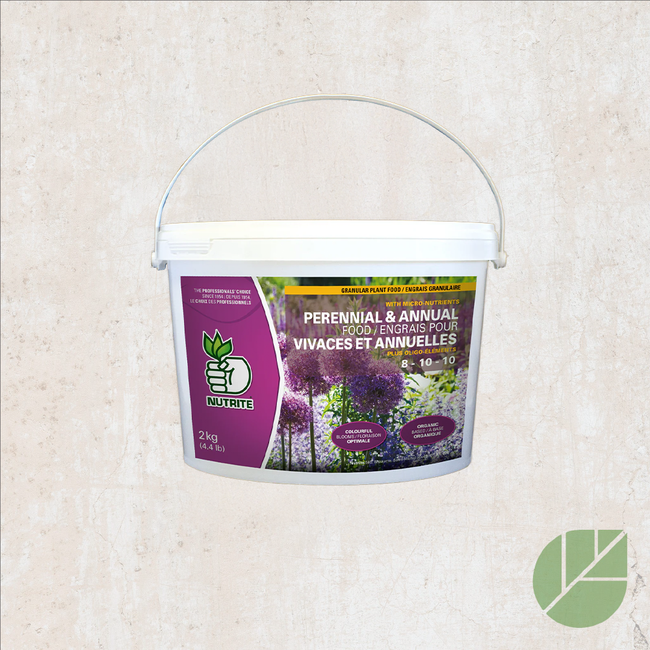
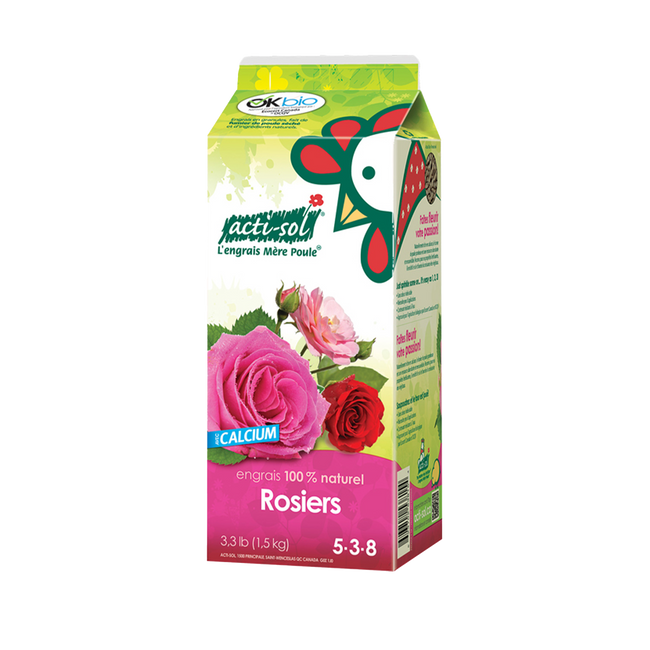
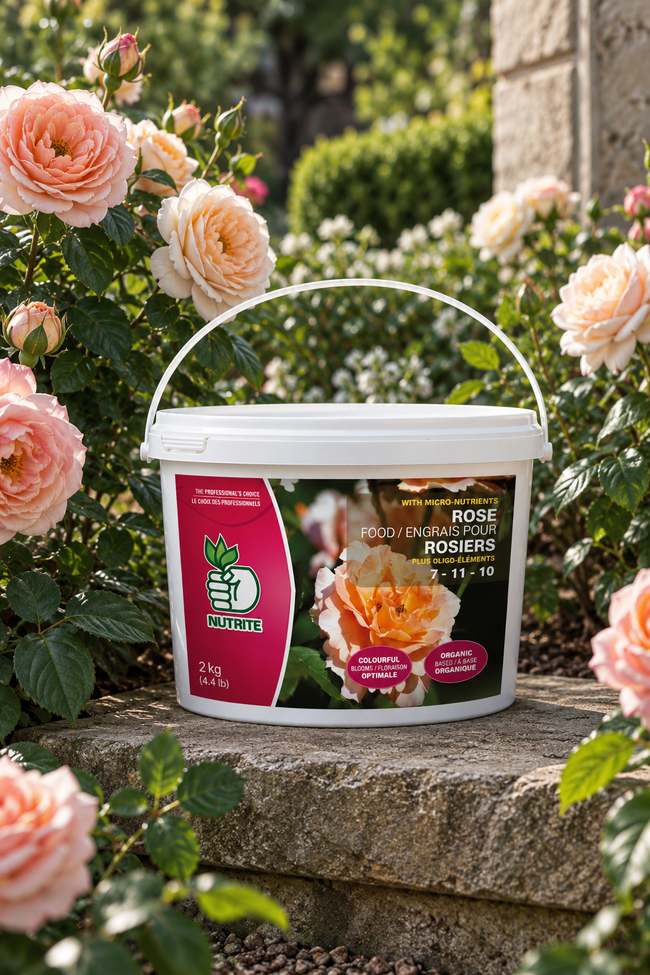
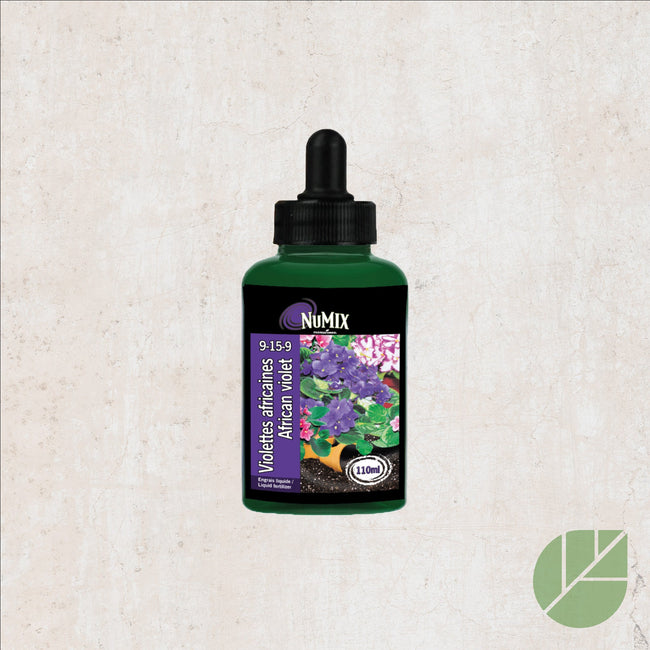
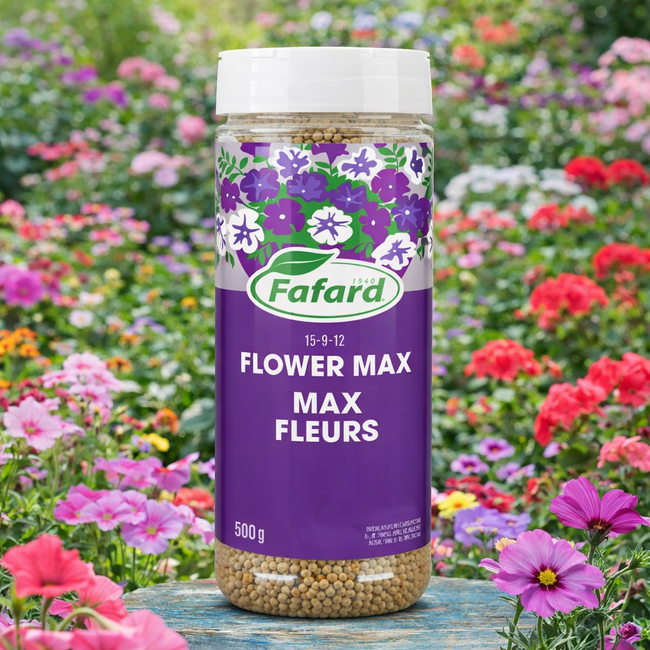
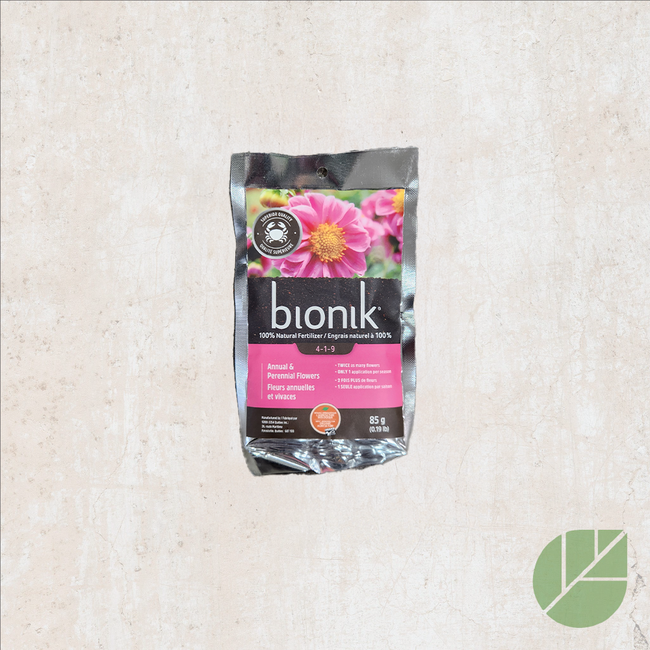
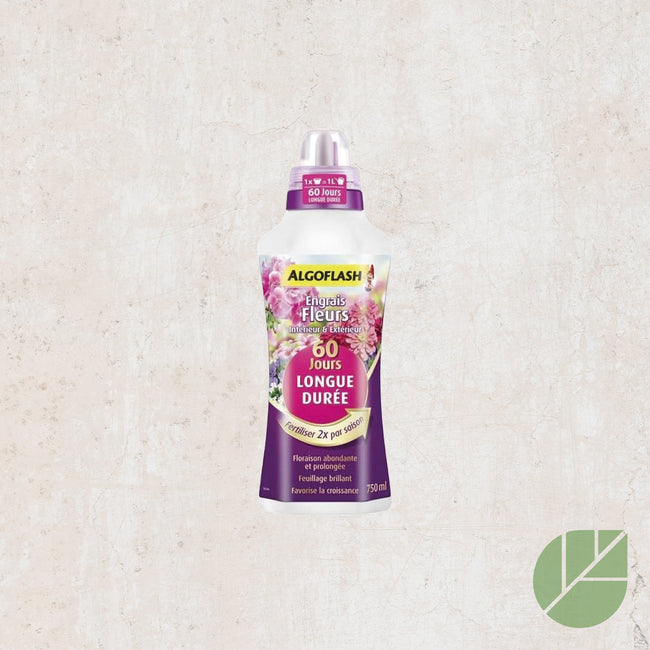
Flower and Bloom Fertilizer
Shop the collection
Hand Tools
Shop the collection