


Fine Herbs
Lemon marigold
Products and available quantities may vary between Brossard and Laval. To check a store’s inventory, please contact us directly.
Even better: visit us in store to discover the full selection available!
- Exposure
- Full sun
- Hardiness
- Non-hardy – grown as an annual in Quebec (zones 10+ only as a perennial)
Discover the plant
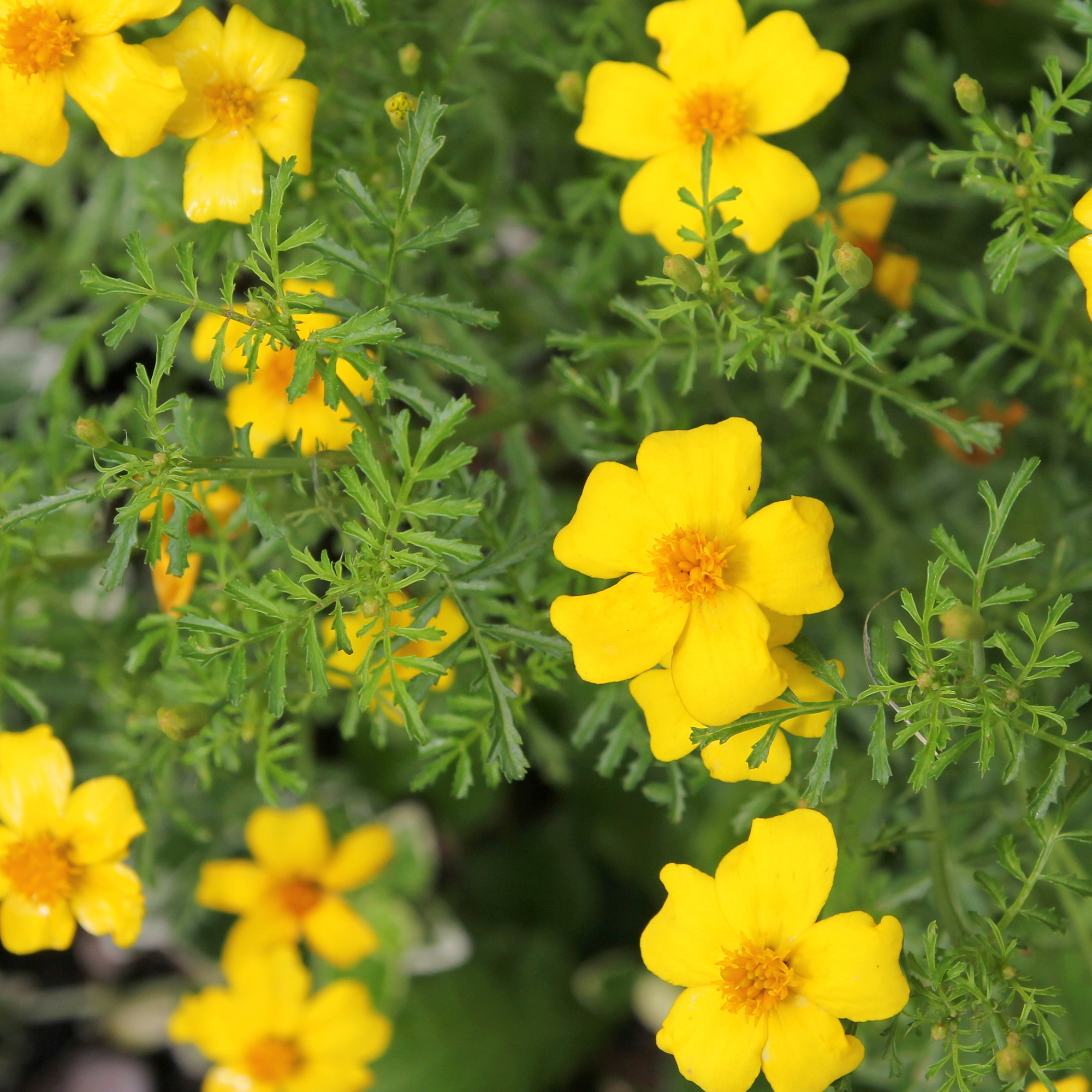
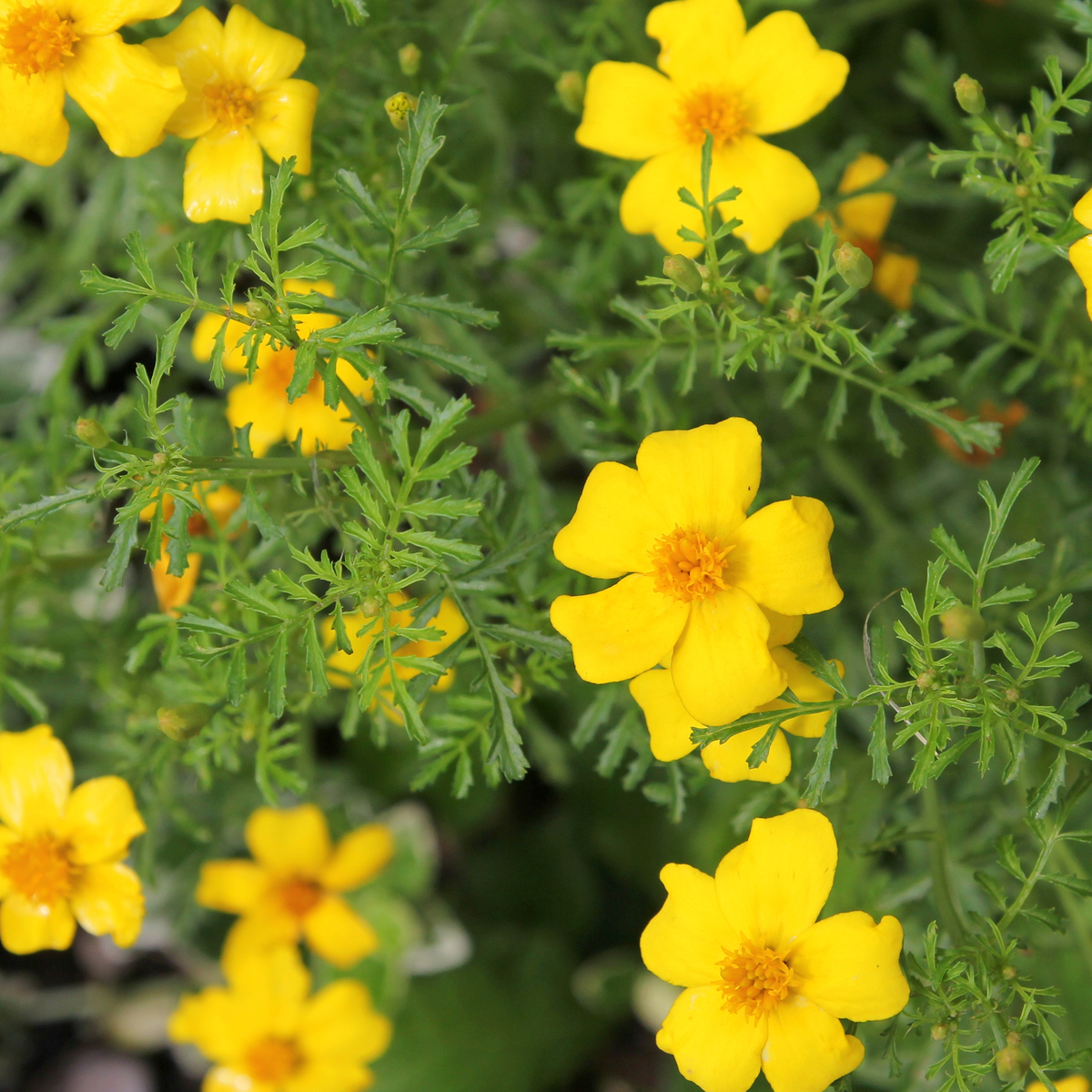
Lemon marigold is a highly prized annual aromatic plant known for its finely cut foliage with a fresh, citrusy, and slightly spicy scent. Its vibrant and pleasant aroma makes it an excellent plant for herb gardens, vegetable patches, edible raised beds, and patio containers. In addition to its fragrant foliage, it produces pretty yellow to orange flowers that add a bright and natural touch to outdoor spaces.
Easy to grow, lemon marigold prefers a sunny, warm, and well-drained location. It thrives equally well in pots and in the ground and requires little maintenance when it receives enough light. Regular watering helps maintain healthy growth, but overwatering should be avoided. Light harvesting of foliage or occasional pruning helps keep the plant denser, bushier, and pleasant to use throughout the season.
Both decorative, fragrant, and useful in the garden, lemon marigold attracts pollinators while adding an original aromatic touch to culinary spaces. Its leaves and flowers can be used sparingly to flavor certain infusions, salads, desserts, cold drinks, or summer dishes. It is an excellent plant for gardeners looking for an easy-to-grow, colorful, and fragrant annual, perfect for enriching a vegetable garden, herb garden, or edible landscape.

Planting guide
From planting to establishment.
Soil and care
The right care,at the right time.
Soil pH
Minimum temperature
Care level
Watering
Soil type
Fertilization
Moisture
Seasonal care
Container growing
A garden,within reach.
Bloom and dimensions
Its place,in your garden.
Mature height
Width / spread
Flower color
Foliage color
Foliage type
Growth rate
Bloom period
Fruiting
Harvest
Garden associations
In goodcompany.
Companion plants
Plants to avoid
Wildlife and pets