Medicinal perennial

Valerian

Valeriana officinalis

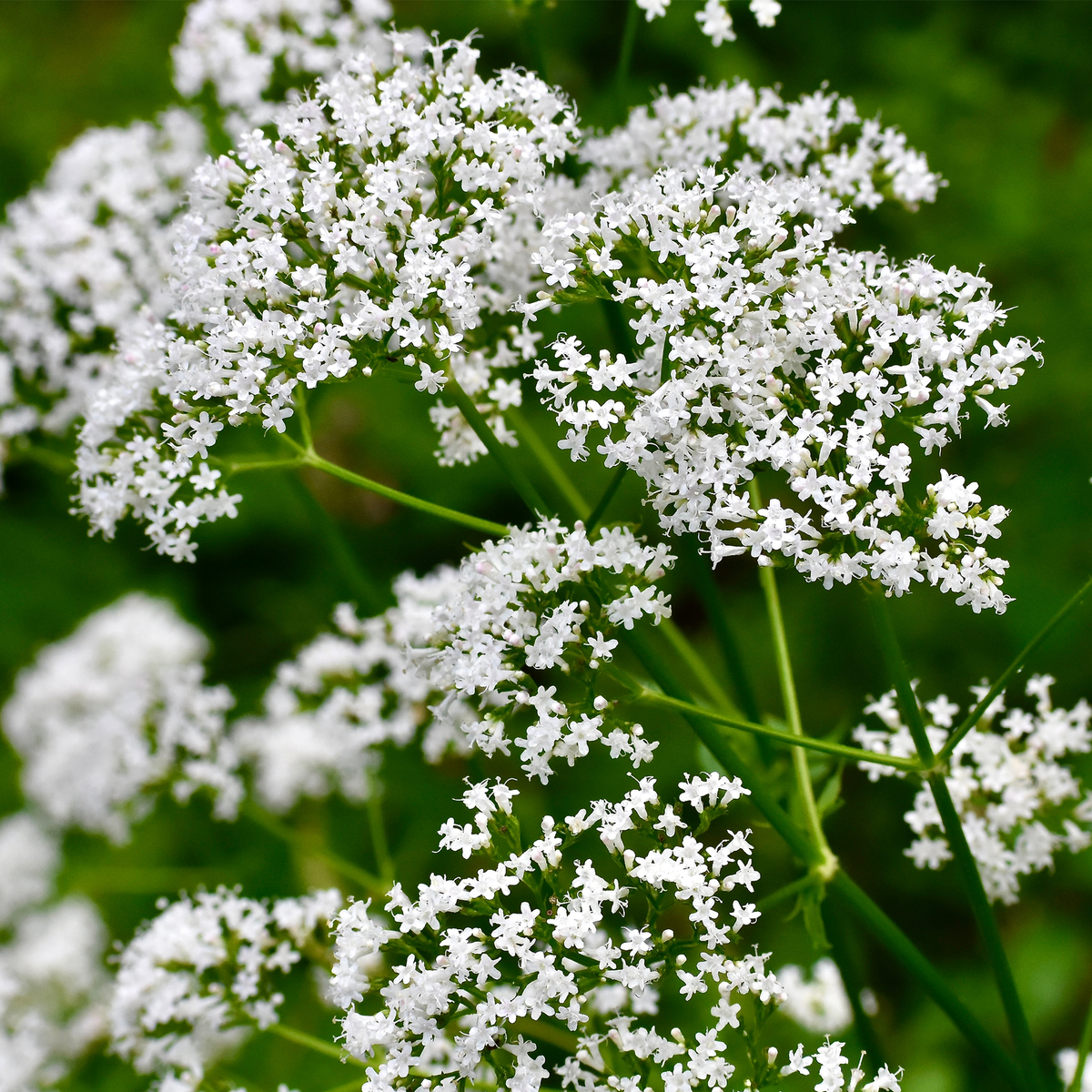
Valerian is a hardy medicinal perennial with divided foliage and fragrant white to pale pink flowers. It forms an upright clump that adds height, movement, and natural character to garden beds. This plant prefers sun or partial shade, fertile, deep, cool, well-drained soil, and regular watering without waterlogging. Its flowers attract butterflies and other beneficial insects. Ideal for medicinal gardens, cool borders, or naturalized landscapes, it can also be grown in a large, deep container.
1 plant in a 12 cm (5.5 in) pot
Each store has its own inventory.

Products and available quantities may vary between Brossard and Laval. To check a store’s inventory, please contact us directly.

Even better: visit us in store to discover the full selection available!

Share
Quantity
1 plant in a 12 cm (5.5 in) pot
Exposure
Full sun to partial shade
Hardiness
Zone 3

Discover the plant

Common nameValerian
FamilyCaprifoliaceae
GenusValeriana
Speciesofficinalis
TypePotted medicinal perennial
Botanical nameValeriana officinalis

Valerian is a medicinal perennial plant highly valued for its natural habit, dissected foliage, and light bloom of small white to pinkish flowers. It brings a rustic and delicate touch to medicinal herb gardens, perennial beds, naturalized landscapes, and pollinator-friendly spaces. Its flexible and elegant silhouette adds height, movement, and a harmonious wild aspect to the garden.

Easy to cultivate, valerian prefers a sunny or semi-shady location in rich, cool, deep, and well-drained soil. It appreciates regular moisture, especially during hot periods, and can form a beautiful, long-lasting clump once established. Its fragrant bloom attracts bees, butterflies, and several beneficial insects, making it valuable for enriching biodiversity in flower beds and natural gardens.

Traditionally recognized as a medicinal plant, valerian is primarily cultivated for its roots, botanical interest, and gentle presence in the garden. It pairs very well with monardas, skullcaps, coneflowers, grasses, yarrows, and other cottage-style perennials. It is an excellent choice for gardeners looking for a useful, hardy, and decorative perennial for a medicinal garden, natural border, or wild-inspired landscape.

Valerian

Planting guide

From planting to establishment.

Spacing / density 45 to 60 cm (18 to 24 inches)
Best planting time Spring or fall
Propagation Sowing, division or root cuttings
Growing method
On arrival, water the valerian if the potting mix is dry, then keep it in a sheltered spot for a few days to ease acclimation. Choose a site in sun or partial shade with fertile, deep, cool, well-drained soil. Dig a hole about twice as wide as the root ball and as deep as the pot. Remove the container carefully, loosen circling roots, and set the plant at the same level at which it was growing. Backfill with garden soil amended with a little mature compost, firm gently, and water deeply. Keep the soil cool but not waterlogged while roots establish. A light mulch helps conserve moisture and limit weeds. Space plants 45 to 60 cm apart to preserve good airflow. Remove spent flowers if you want to limit self-seeding, then cut back dry stems in fall or spring.

Soil and care

The right care,at the right time.

Soil pH

Slightly acidic to neutral

Minimum temperature

-30°C

Care level

Easy

Watering

Regular; keep the soil moist without waterlogging

Soil type

Fertile, deep, cool, and well-drained soil

Fertilization

Compost in spring; light fertilization in poor soil

Moisture

Average to high humidity; prefers cool soil

Seasonal care

Cut off spent flowers to limit self-seeding; cut back dry stems in fall or spring; divide clumps as needed

Container growing

A garden,within reach.

Recommended pot size

Large, deep container
Potted culture possible in a large, deep container
Valerian

Bloom and dimensions

Its place,in your garden.

Mature height

90 to 150 cm (36 to 60 inches)

Width / spread

60 to 90 cm (24 to 36 inches)

Flower color

White to pale pink

Foliage color

Green

Foliage type

Deciduous

Growth rate

Rapid growth

Growth habit

Upright clump with tall flowering stems

Fragrance

Fragrant flowers

Bloom period

Late spring to summer

Fruiting

Feathery seeds at the end of the season

Harvest

Roots in the fall after 2 years
Valerian

Garden associations

In goodcompany.

Companion plants

Lemon balm, mint, monarda, comfrey

Plants to avoid

None known

Frequently asked questions

Your questions,answered.

When should potted valerian be planted?
Plant valerian from spring through fall when the soil is workable and outside periods of frost, extreme heat, or severe drought. Spring planting gives roots a full season to develop, while early fall planting benefits from still-warm soil. Water the root ball before planting, set the plant at the same depth as in its pot, and water deeply afterward. During the first few weeks, keep the soil cool without waterlogging it. If a heat wave is forecast, provide temporary shade and check moisture more often until the plant is established.
Which exposure suits valerian?
Valerian grows in sun or partial shade. Where summers are hot, morning sun followed by light afternoon shade helps keep the soil cooler. A site that is too dark may reduce flowering and stretch the stems, while a very exposed site requires more frequent watering. Choose a location with good airflow and deep soil that holds regular moisture without remaining waterlogged. In a container, rotate the pot occasionally for balanced growth and check moisture more often than you would for a plant growing in the ground.
How should valerian be watered?
Keep the soil cool, especially while roots establish and during hot weather, but avoid standing water. Water slowly at soil level to moisten the entire root ball, then wait until the surface begins to dry slightly before watering again. Deep watering is generally preferable to repeated small amounts. In a container, check moisture daily during hot weather because potting mix dries more quickly. Reduce watering after substantial rain and keep drainage holes clear. A light mulch can reduce evaporation and stabilize moisture around the roots.
Can valerian be grown in a container?
Yes. Choose a large, deep, stable container with several drainage holes to accommodate its root system and tall flowering stems. Use rich, well-drained potting mix and place the container in sun or partial shade. Water regularly without leaving water in the saucer. Compost or light spring fertilization is generally sufficient. Divide the clump when it becomes too dense. In very cold areas, move the container near a sheltered wall or insulate it to reduce repeated freeze-and-thaw cycles around the roots.
How should valerian be cared for after flowering?
After flowering, remove spent clusters if you want to limit self-seeding and keep a tidy shape. You may leave a few stems to develop feathery seeds for seasonal interest and small wildlife, then remove the remainder before they disperse. Continue moderate watering during dry weather. In fall or early spring, cut dry stems near the ground without damaging new shoots. Add a thin layer of compost in spring. Divide clumps that have become very dense to maintain vigour and renew the planting.

Wildlife and pets

Life,around your plants.

Supporting wildlife

Valerian’s small fragrant flowers can attract butterflies, bees, and other beneficial insects while in bloom. To support this biodiversity, combine it with plants whose flowering periods overlap or follow one another, provide a shallow water source, and avoid insecticide treatments while flowers are open.