Sale
Sold out

Upright perennial with branched rosy-purple spikes
Plantaginaceae
Compact purple speedwell plants for borders and pollinators
Very Van Gogh spike speedwell
Veronica
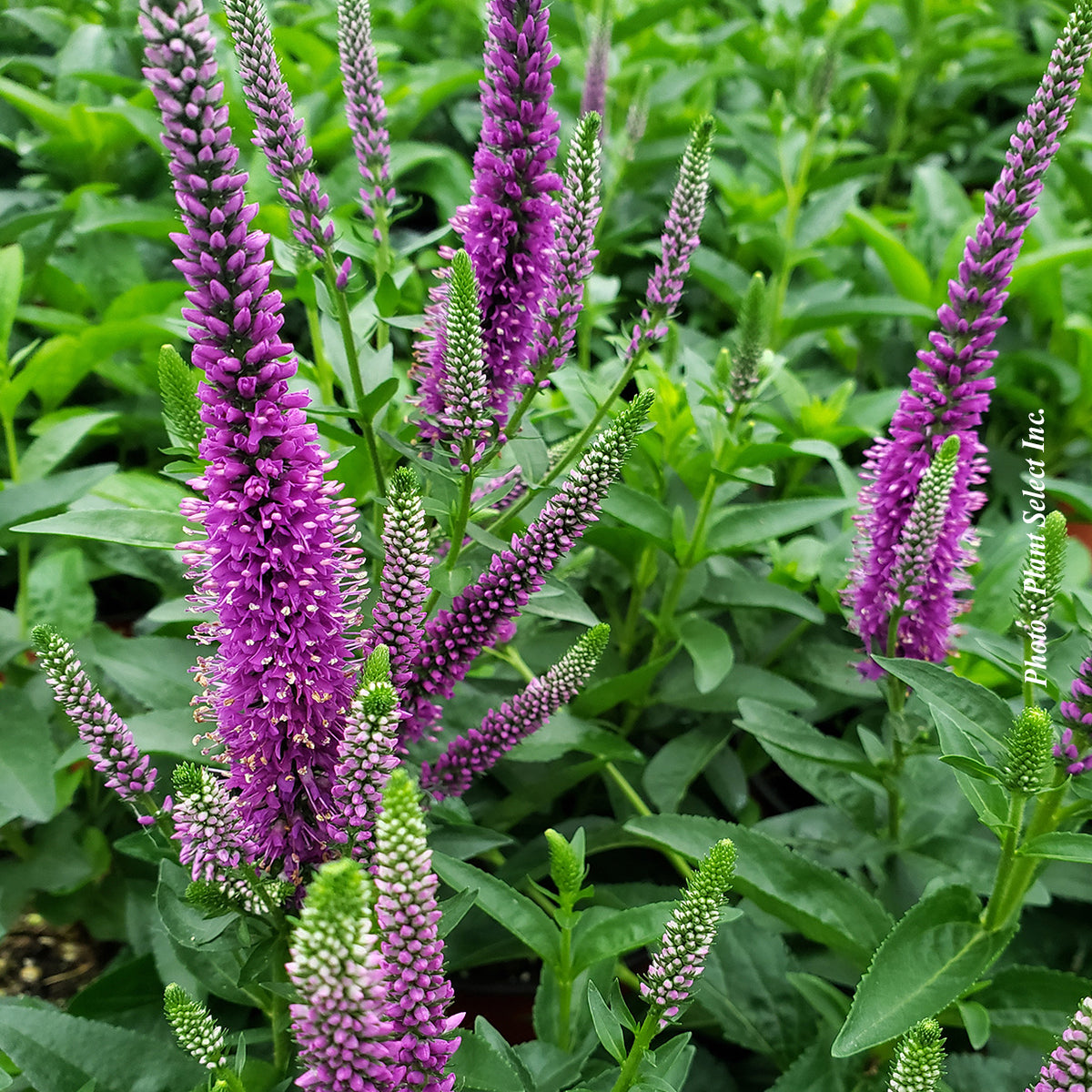
Very Van Gogh spike speedwell forms an upright 45- to 50-centimetre clump topped with heavily branched rosy-purple spikes. Its extended summer bloom attracts butterflies, hummingbirds and bees. This hardy perennial suits borders, mass plantings, containers and bouquets.
- Quantity
- 2-gallon pot
- Exposure
- Full sun to partial shade
- Life cycle
- Deciduous herbaceous perennial
- Hardiness
- Zone 4 to 8
Discover the plant
Common nameVery Van Gogh spike speedwell
FamilyPlantaginaceae
GenusVeronica
CultivarVery Van Gogh
TypeUpright perennial with branched rosy-purple spikes
Botanical nameVeronica
Very Van Gogh Spike Speedwell (Veronica ‘Very Van Gogh’) is a compact upright perennial recognized for its heavily branched flower stems. Each stem carries numerous small rosy-purple flowers that open in succession and create a colourful paintbrush effect. Plants reach approximately 45 to 50 centimetres tall and spread 55 to 60 centimetres. Ovate, serrated, bright green leaves form a tidy clump beneath the spikes. Bloom generally begins in July and continues for about five weeks. Spent flowers drop naturally, helping the plant retain a clean appearance throughout its display. Stiff stems hold the branching racemes above the foliage without producing a coarse or bulky silhouette.
For best results, grow Veronica ‘Very Van Gogh’ in full sun or partial shade in evenly moist, well-drained soil that retains moderate moisture. Water regularly during establishment, then irrigate when leaves begin to wilt during drought. Space plants 50 to 60 centimetres apart so each clump can broaden. A thin spring compost layer is generally sufficient. Cut back spikes after the main flowering period to encourage occasional rebloom and maintain a compact shape. Avoid permanently saturated soil, especially in winter, because reliable drainage supports vigour and hardiness. Established plants tolerate some drought, but flowering remains stronger when moisture is reasonably consistent.
Very Van Gogh spike speedwell suits borders, mass plantings, groupings and large containers. Rosy-purple spikes provide light vertical structure without overwhelming neighbouring plants and make useful stems for bouquets. Chicago Botanic Garden reports that the flowers attract butterflies, hummingbirds and bees, while the foliage is not favoured by deer or rabbits. This perennial is listed for Zones 4 to 8. Combine it with compact bee balm, phlox, coneflowers, fine grasses or silver foliage. A group of three plants creates a fuller display and makes the branched spikes easy to appreciate from a distance. Remove faded stems before they obscure later-flowering companions.

Planting guide
From planting to establishment.
Spacing / density
Space plants 50 to 60 cm apart
Best planting time
Spring or early fall
Propagation
Basal or shoot-tip cuttings; division possible in spring
Growing method
Veronica 'Very Van Gogh': Spring after the thaw or early fall, allowing the roots time to establish before the cold weather. Encourage rooting of Veronica 'Very Van Gogh' with deep watering, then check the moisture before watering again. Adjust the frequency according to rain and heat; avoid small daily applications to already moist soil. Veronicas benefit from growing in well-drained soil where the roots do not experience stagnant moisture.
Soil and care
The right care,at the right time.
Soil pH
Acidic to neutral; tolerates slight alkalinity
Care level
Low
Drought tolerance
Yes
Watering
Water deeply after planting and keep the root ball evenly moist during establishment. Once rooted, irrigate during dry periods when leaves begin to lose firmness. Direct water toward the soil rather than the spikes. Allow excess moisture to drain and avoid frequent applications that keep the crown saturated.
Soil type
This perennial prefers fertile, evenly moist and well-drained soil that retains moderate moisture without remaining saturated. Compost-enriched loam is especially suitable. In clay, improve structure and avoid depressions where water collects. In sandy soil, add organic matter to slow drying.
Fertilization
In spring, spread a thin compost layer around the clump without covering the crown. In average soil, this is generally sufficient. If growth remains weak, use a balanced slow-release fertilizer at the lowest labelled rate. Avoid excessive nitrogen, which can produce softer stems and fewer flowers.
Moisture
Moderate; evenly moist but well-drained soil
Seasonal care
In spring, remove dead stems and clear the crown before growth resumes. Water during prolonged drought and monitor leaf firmness. After approximately five weeks of bloom, cut back faded spikes to encourage a few new flowers. In fall, allow the clump to yellow naturally or clean it after frost when a tidy border is preferred.
Container growing
A garden,within reach.
Recommended pot size
Container at least 40 cm wide with drainage
Very Van Gogh spike speedwell grows well in a broad, stable container in full sun or partial shade. Use rich but free-draining potting mix and a container with drainage holes. Water when the surface begins to dry without leaving water in the saucer. Remove faded spikes to maintain interest. In cold Canadian regions, protect the pot from repeated freeze-thaw cycles.

Bloom and dimensions
Its place,in your garden.
Mature height
20 inches (51 cm)
Width / spread
24 inches (61 cm)
Flower color
Rosy purple
Foliage color
Bright green
Foliage type
Deciduous
Growth rate
Moderate
Growth habit
Upright, compact and clump-forming
Fragrance
No detectable fragrance
Bloom period
Upright stems branch at nearly every node and carry numerous rosy-purple flowers. Bloom began in early July in Michigan trials and continued for about five weeks. Individual flowers persist for several days and are self-cleaning. Cutting faded spikes can produce a few additional flowers later.
Garden associations
In goodcompany.
Companion plants
Pair it with compact bee balm, shorter phlox, coneflowers, black-eyed Susans, catmint and fine grasses. Pink, white or yellow flowers contrast with the rosy-purple spikes, while silver foliage emphasizes their colour. Choose companions that also prefer sun and evenly moist, well-drained soil.
Plants to avoid
Avoid highly aggressive plants that would invade the crown and neighbours requiring constantly saturated soil. Tall perennials that collapse can hide or bend the flower stems. Leave enough space for air to circulate around the clump and remove compacted leaves in spring.
Frequently asked questions
Your questions,answered.
Is Very Van Gogh speedwell hardy in Canada?
The plant patent and Chicago Botanic Garden list Veronica ‘Very Van Gogh’ for Zones 4 to 8. This range suits many populated Canadian regions when plants grow in well-drained soil. A hardiness zone does not establish one exact minimum temperature, so no unverified degree value is added to the product record. To improve overwintering, avoid depressions where water collects, keep the crown level with the soil and allow foliage to decline naturally in fall. In a highly exposed position, consistent snow cover helps reduce rapid temperature changes. Remove dead stems in spring as new shoots appear. Container plants need additional root protection because temperatures fluctuate more than they do in the ground. Avoid late-season nitrogen applications that could encourage soft growth before frost.
How long does Very Van Gogh speedwell bloom?
In Michigan patent trials, flowering began in early July and continued for approximately five weeks. Chicago Botanic Garden gives a general July-to-August season. Exact timing varies with region, exposure and spring weather. Heavily branched stems carry numerous flowers that open in succession, extending the colour display. Individual flowers fall naturally after several days, helping the plant remain relatively tidy. When the first wave declines, cut faded spikes above healthy foliage. This pruning can encourage occasional rebloom, although the second display may not be as abundant. Consistently moist soil, good light and moderate fertility support a longer presentation than dense shade or prolonged drought. Avoid removing healthy basal leaves when cutting the flower stems.
Should faded Very Van Gogh flowers be cut back?
The flowers are described as self-cleaning, meaning petals fall without forming a persistent brown mass. It is still useful to cut the stems when most flowers have finished. Use clean pruners and cut back to a healthy leaf or the base of the flower stem without removing the entire clump. This keeps the border neat and may stimulate a few new spikes later in the season. If you want to collect seed, leave selected capsules to mature, while remembering that a hybrid cultivar may not produce seedlings identical to the parent plant. In spring, remove any remaining dry stems before new shoots lengthen. Severe cutting during active growth is generally unnecessary. Continue watering after pruning when the weather is dry.
Does Very Van Gogh attract pollinators?
Yes. Chicago Botanic Garden lists butterflies, hummingbirds and bees among the visitors to this speedwell. Branched stems present numerous small flowers for several weeks, making the plant easy to locate in a sunny border. To maximize its value, group three or more plants, avoid insecticides during bloom and maintain enough moisture to prevent premature fading. Add plants flowering in spring and late summer to extend nectar and pollen availability. A shallow water source and a few uncovered soil areas can further support the habitat. The stems are useful in bouquets, but leave part of the display in the garden for winged visitors. Combining it with compact bee balm and coneflowers creates a longer and more varied flowering sequence.
Which plants pair well with Very Van Gogh speedwell?
Choose full-sun or partial-shade companions that enjoy evenly moist, well-drained soil. Compact bee balm, shorter phlox, coneflowers, black-eyed Susans, catmint, yarrow and fine grasses work well. Their rounded or airy forms contrast with the upright, branched spikes of Very Van Gogh. White, pink and yellow flowers emphasize its rosy-purple colour. Place shorter plants toward the front and allow approximately 50 to 60 centimetres for each speedwell clump. Avoid highly vigorous neighbours that would invade the crown and species requiring constantly saturated soil. To extend colour, add asters or sedums that bloom after the main July and August display. Repeat the same companions elsewhere in the border to create a coherent composition rather than using every plant only once.
Wildlife and pets
Life,around your plants.
Supporting wildlife
Chicago Botanic Garden reports that the flowers attract butterflies, hummingbirds and bees. The summer display provides a visible resource in sunny borders. Group several plants to strengthen the floral signal and avoid insecticides during bloom. Add species flowering before and after it to extend the resources available to pollinators.
For your perennials and grasses
The right extras.Right here.
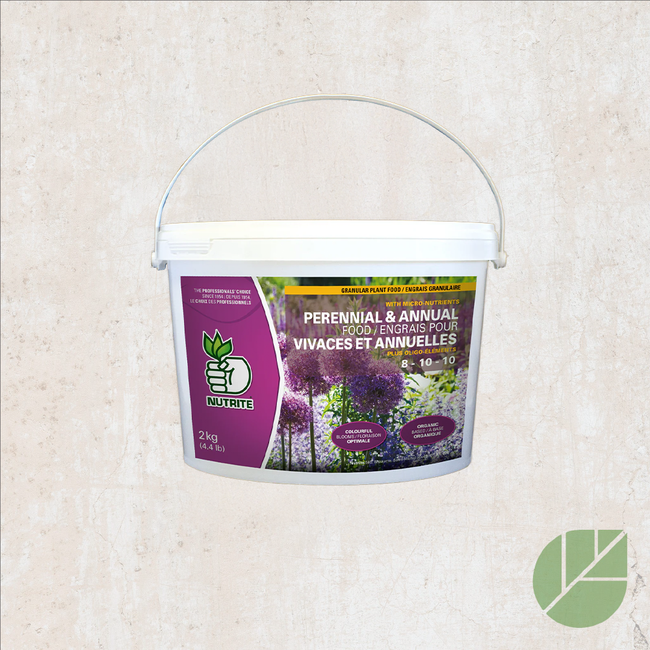
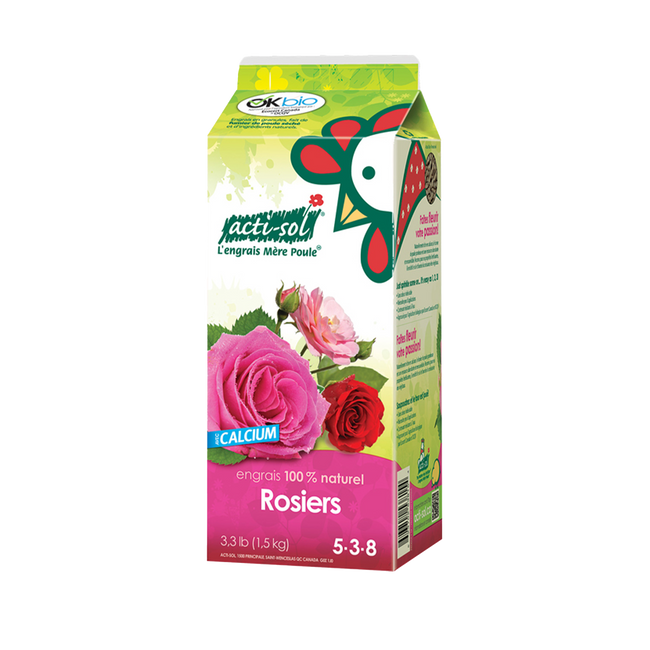
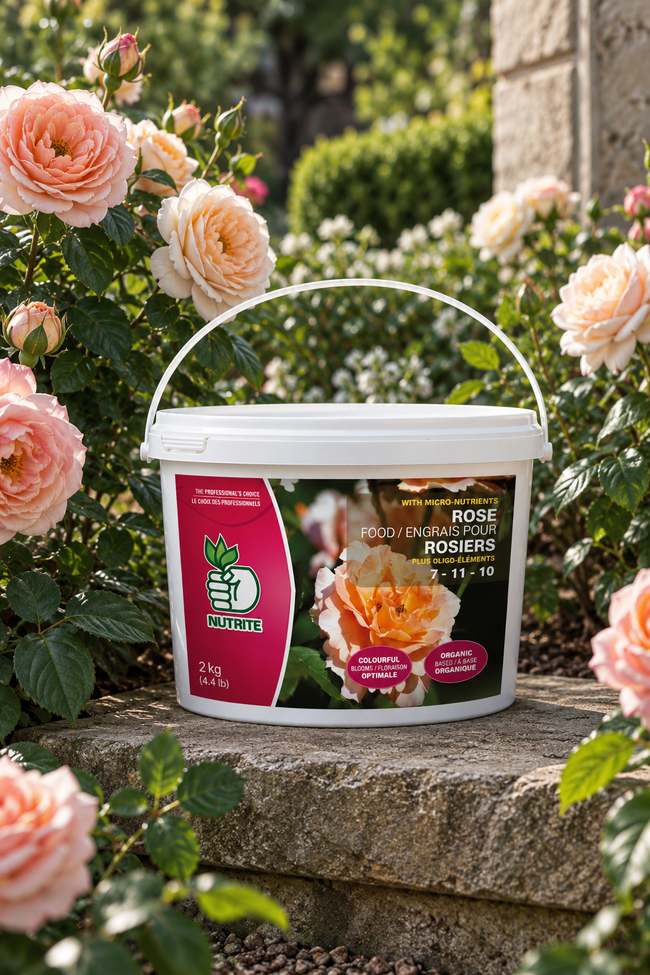
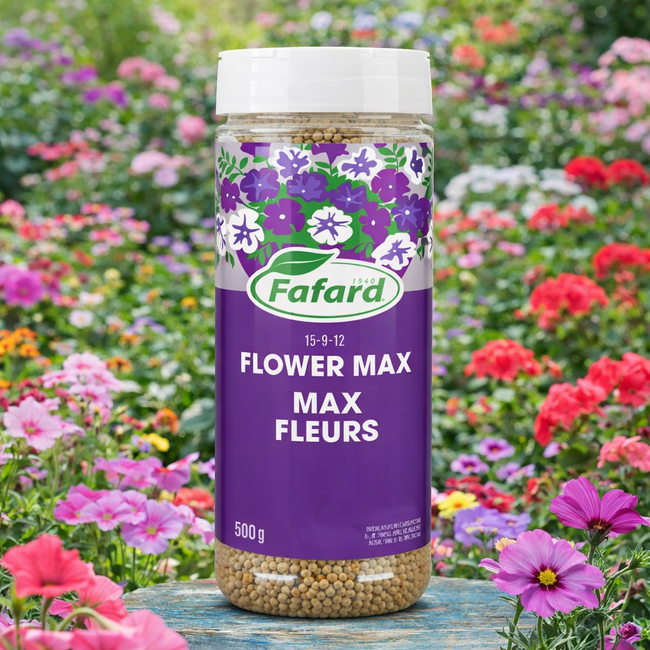
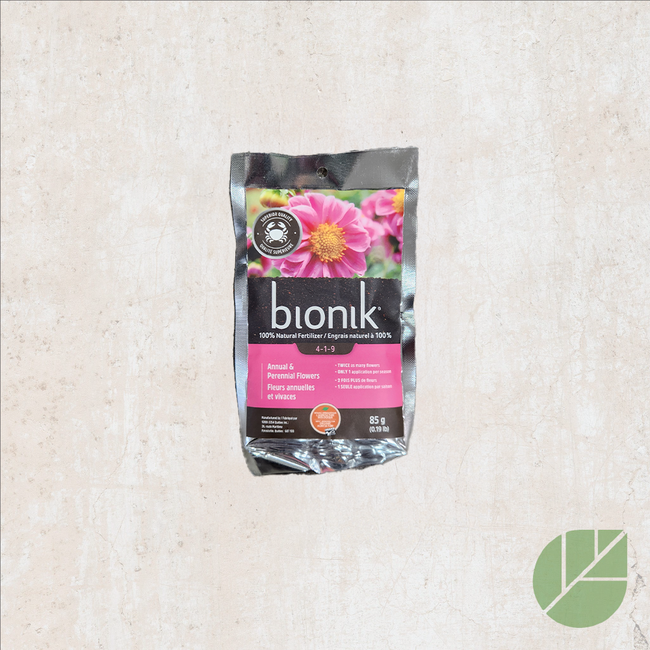
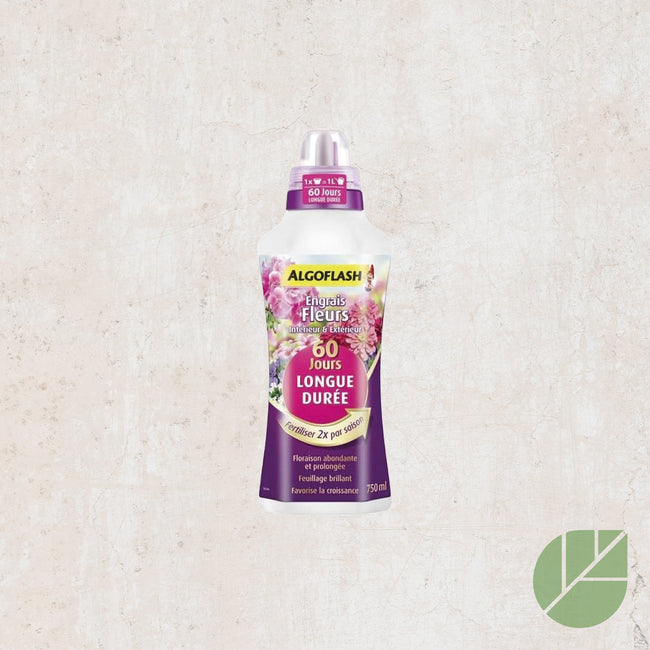
Flower and Bloom Fertilizer
Shop the collection
Hand Tools
Shop the collection